


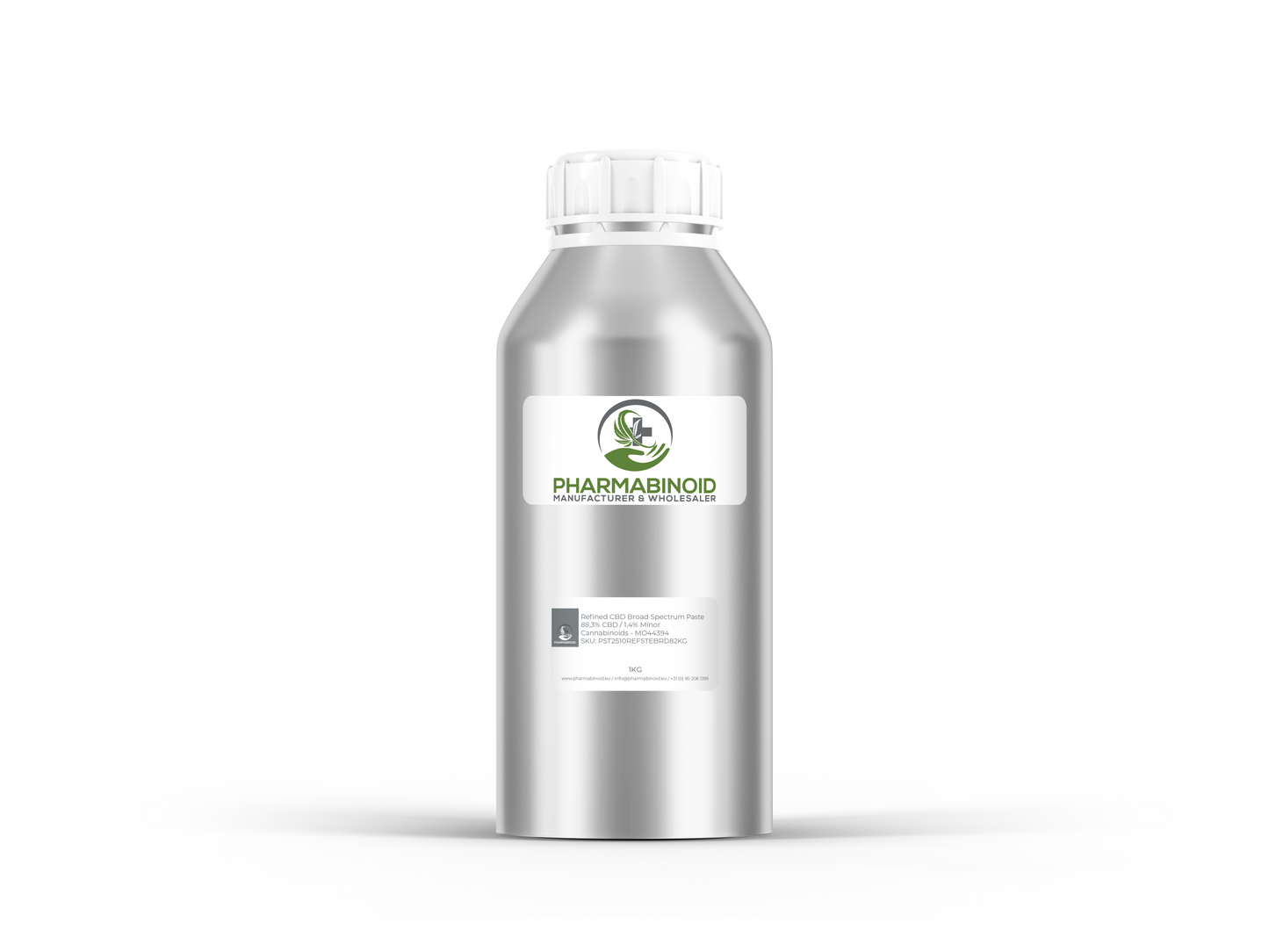
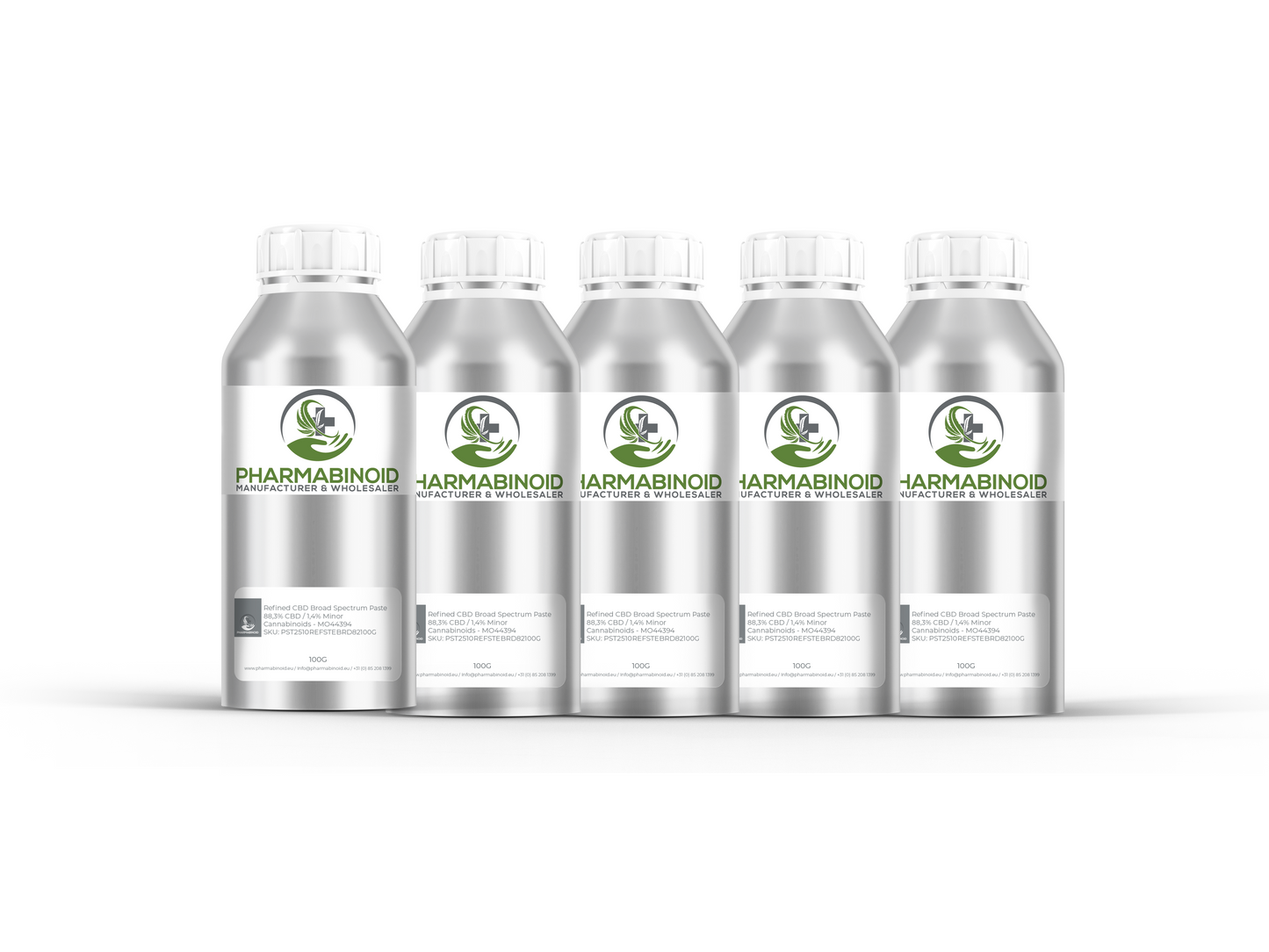
Refined CBD Broad Spectrum Paste is for buyers who want a concentrated hemp extract format with broader cannabinoid positioning, but less raw plant character than many traditional pastes. It can fit projects where the team needs a thicker ingredient, cleaner sensory profile and documented batch quality before moving into pilot production. The key decision is not whether paste sounds natural. It is whether this paste behaves well in the actual carrier, container and customer instructions you plan to use.
Why refined paste can earn its place
Refinement can improve colour, odour and formulation flexibility, while paste format keeps the material more concentrated than many ready-to-fill oils. That can be useful for brands comparing CBD paste, CBD distillates and CBD products for a professional range. It still needs practical checks. A paste that looks good in a sample jar may become slow to dispense, difficult to dose or awkward to explain if packaging is chosen too early.
Handling and production behaviour
Test the paste after gentle warming, weighing, mixing and filling. Check whether it strings, clings to equipment, separates after dilution or changes texture after cooling. If the finished product will use syringes, jars, capsules or custom filling equipment, run those tests before approving repeat supply. Thick hemp formats need instructions that production staff can repeat, not just a one-time sample that worked in the lab.
Documents and quality file
- CBD percentage and broad-spectrum cannabinoid profile
- THC and controlled-cannabinoid screening for the destination market
- batch number, production date and certificate of analysis
- contaminant testing relevant to hemp extract materials
- storage, warming and retest guidance where available
Best commercial uses
Refined paste works best when the buyer wants broad-spectrum positioning, controlled documentation and a more natural-format story than isolate alone. It may suit private-label development, pilot batches, specialist CBD ranges or projects that need concentrated input before blending. If the project needs easier flow or a lighter mouthfeel, compare it with full-spectrum CBD distillate or other distillate options before committing.
Packaging match and retained samples
Packaging should be chosen after handling tests, not before. Review syringe pressure, jar access, cap cleanliness, label instructions and how the paste looks after transport simulation. Keep a retained sample from the approved batch and photograph the colour and texture at approval. Those notes help production and support teams recognise whether a later delivery still matches the agreed commercial standard. They also make reorder conversations faster because both buyer and supplier can refer to the same approved reference.
Questions before ordering
- Will the paste be filled, diluted, encapsulated or sold in a direct-use format?
- Has the team tested syringe flow, jar handling or equipment cleaning?
- Do customer instructions explain warming, storage and serving clearly?
- Will a retained sample record texture, colour and cannabinoid profile?
- Does the quality file support the country and sales channel?
Next steps
Send Pharmabinoid the target country, intended package, batch size, documentation needs and production route through the request for quote process. Ask for enough sample material to test warming, dispensing and finished-format behaviour. Approve Refined CBD Broad Spectrum Paste only when the handling route, quality file and repeat-order plan are clear.
For CBD-specific safety context, compare the batch file and finished-use plan with the EFSA scientific opinion on CBD before approving commercial wording.


Free Sample
Discover the benefits of our products firsthand by visiting our website to obtain your exclusive TryPharma code. When you place an order using this special code, not only will you secure your desired products, but we will also include a complimentary sample with each purchase. This opportunity allows you to experience the quality of our offerings before you commit to the main shipment. Our goal is to ensure that you are completely satisfied with your selection, and this process provides a risk-free way to explore our extensive range of products. Contact us today to get started and take the first step towards a rewarding experience with our premium offerings.

Shipping Insurance
When you purchase bulk CBD isolates, oils, and other products from us, your shipment is fully insured by us at no additional cost to you. We utilize reputable shipping companies like FedEx and UPS for transportation, while managing the insurance coverage ourselves to secure every shipment from our warehouse to your doorstep. At TryPharma, we are committed to fostering business growth by offering a risk-free wholesale service. In the unlikely event of a shipping issue, we guarantee a refund within five business days from the date the incident is confirmed. Our comprehensive approach effectively eliminates 99.9% of all potential risks associated with bulk CBD shipping, ensuring your complete peace of mind.
30 Day Return
We invite you to test the complimentary sample included with your order before opening the main shipment. If the quality does not meet your expectations, you can benefit from our 30-day return policy. This policy permits you to return the product within 30 days for a full refund, guaranteeing your complete satisfaction. Contact us today to explore our exceptional range of products and experience our dedicated customer service.
