


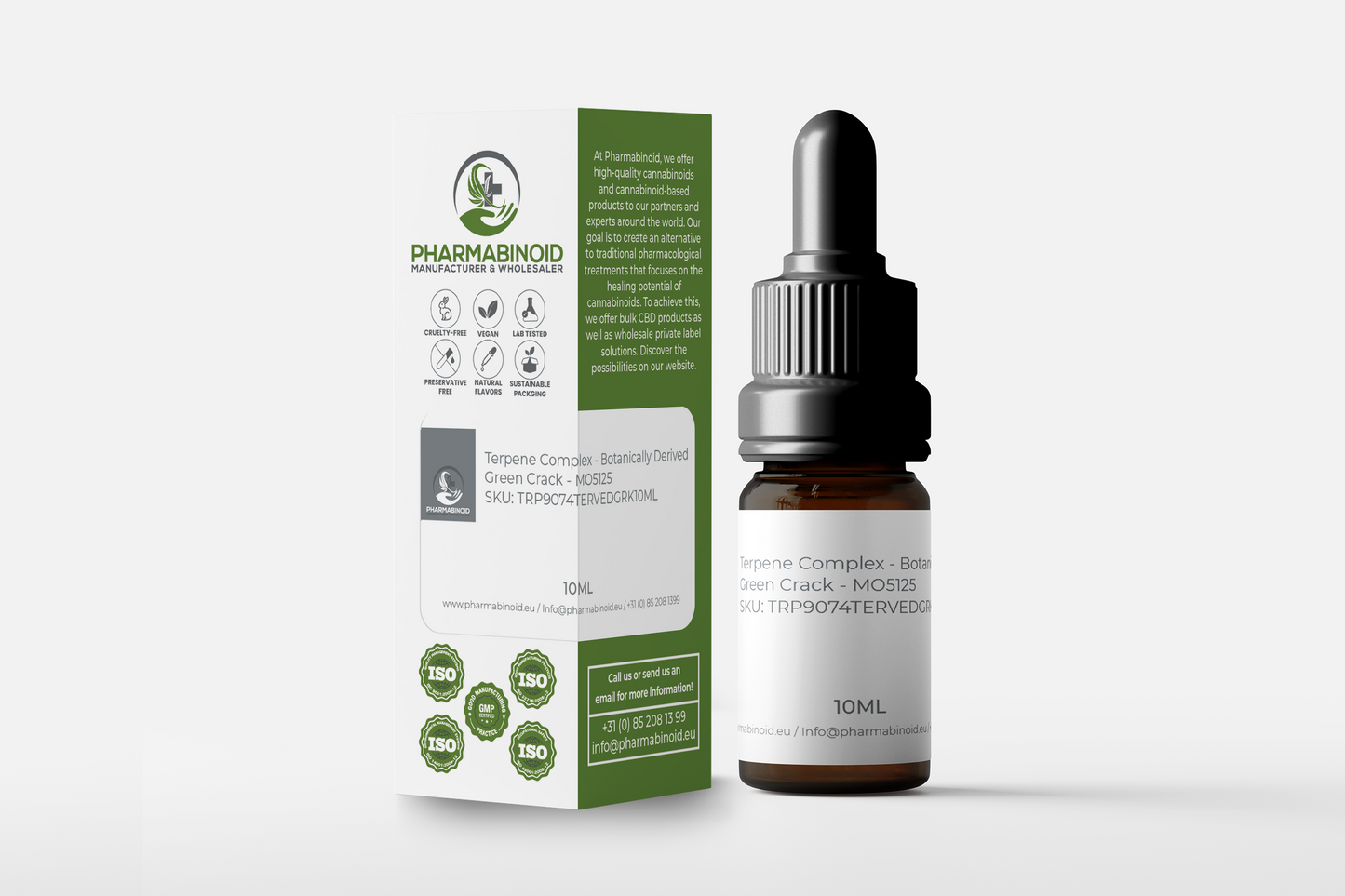
Botanical Terpenes for professional formulation
Botanical Terpenes are supplied for qualified manufacturers, brands and product developers evaluating aroma and flavour profiles for commercial formulations. For B2B procurement, the right selection is not simply the profile that sounds appealing: it is the option whose documented composition, sensory direction, compatibility and supply format fit the intended product and destination market.
Use this product page to structure an initial review. Confirm the exact profile and pack size available in the product selector, then request the current specification and batch documents before approving an ingredient for production. Product names and sensory descriptors help distinguish options, but they should not be treated as a substitute for a batch specification or analytical data.
Selecting a profile and pack size
Start with the finished-product brief. Record the target aroma direction, intended format, base material, packaging and the sensory benchmark your team will use. Compare available profiles against that brief and order a suitable evaluation size before committing to a larger procurement quantity. The product selector displays the current options; check it directly because assortment and pack sizes can change.
- Profile: Identify the specific botanical terpene option and compare its available product information with your internal sensory target.
- Scale: Choose a sample or pack size appropriate to controlled development work, then calculate production requirements only after formulation trials.
- Compatibility: Test the selected material in the actual base, process equipment and packaging planned for the product.
- Repeatability: Define acceptance criteria for aroma, appearance, handling and other relevant attributes before evaluating repeat batches.
Formulation and evaluation workflow
Terpene ingredients are concentrated aromatic materials. Small changes to the chosen profile or inclusion level may noticeably change the finished sensory character, so teams should follow their own validated formulation procedures rather than rely on a generic dose recommendation. Run controlled bench trials, change one factor at a time and record the material identity, batch reference, amount used, mixing sequence, base composition and test conditions.
Evaluate the trial in the intended finished-product format. Depending on the application, the development team may assess aroma, flavour, homogeneity, viscosity, filling behaviour, packaging interaction and stability over the planned review period. Keep a retained sample of the approved trial and document how it was prepared so the result can be reproduced and compared later.
Documentation and quality review
Before purchase approval, request and review the documents available for the specific product and batch. Check that product identity, batch or lot reference, specification, storage guidance and any analytical documents are consistent with the materials your team received. A certificate of analysis applies to the sample and tests it describes; it does not automatically establish the compliance or performance of a finished formulation.
Quality, regulatory and purchasing teams should agree in advance which documents are required, how incoming material will be checked, and how changes in profile or batch will be handled. For additional context, review our third-party lab testing guidance. For general chemical identity research, consult the PubChem database; product-specific purchasing decisions should still be based on the relevant supplier documentation.
Botanical Terpenes compared with other options
Botanical terpene profiles and single terpene isolates serve different formulation purposes. A profile may provide a selected aromatic direction, while an isolate allows a development team to assess an individual component. Neither format is universally preferable; choose according to the specification, sensory objective, compatibility testing and manufacturing process. Browse the broader terpene collection or compare the Terpene Isolate when building a sourcing shortlist.
Storage, handling and market checks
Follow the product’s current storage and handling instructions, keep containers properly identified and closed when not in use, and use the controls specified by your workplace safety procedures. Before incorporating an ingredient into a commercial product, independently confirm the applicable requirements for the intended category, claims, labelling, import and destination market. Pharmabinoid product information supports professional evaluation; it is not legal or regulatory advice.
Wholesale enquiry checklist
- Which profile and pack size shown in the selector are you evaluating?
- What finished-product format, base and target market are involved?
- What sample, specification and batch documents does your team require?
- What estimated volume, delivery timing and repeat-supply plan should a quotation cover?
Share these details with Pharmabinoid’s team to discuss the appropriate supply route and request a project-specific quotation through Request a Quote.


Free Sample
Discover the benefits of our products firsthand by visiting our website to obtain your exclusive TryPharma code. When you place an order using this special code, not only will you secure your desired products, but we will also include a complimentary sample with each purchase. This opportunity allows you to experience the quality of our offerings before you commit to the main shipment. Our goal is to ensure that you are completely satisfied with your selection, and this process provides a risk-free way to explore our extensive range of products. Contact us today to get started and take the first step towards a rewarding experience with our premium offerings.

Shipping Insurance
When you purchase bulk CBD isolates, oils, and other products from us, your shipment is fully insured by us at no additional cost to you. We utilize reputable shipping companies like FedEx and UPS for transportation, while managing the insurance coverage ourselves to secure every shipment from our warehouse to your doorstep. At TryPharma, we are committed to fostering business growth by offering a risk-free wholesale service. In the unlikely event of a shipping issue, we guarantee a refund within five business days from the date the incident is confirmed. Our comprehensive approach effectively eliminates 99.9% of all potential risks associated with bulk CBD shipping, ensuring your complete peace of mind.
30 Day Return
We invite you to test the complimentary sample included with your order before opening the main shipment. If the quality does not meet your expectations, you can benefit from our 30-day return policy. This policy permits you to return the product within 30 days for a full refund, guaranteeing your complete satisfaction. Contact us today to explore our exceptional range of products and experience our dedicated customer service.
