What is Cannabigerolic Acid? CBGA’s Role Explained
What is Cannabigerolic Acid? Cannabigerolic acid, commonly abbreviated as CBGA, is an acidic phytocannabinoid found in cannabis and hemp. It matters because CBGA is a central biosynthetic precursor from which several better-known cannabinoids, including CBDA, THCA and CBCA, are formed in the plant.
Definition of Cannabigerolic Acid
Cannabigerolic acid is the naturally occurring acidic form of cannabigerol (CBG) and a key precursor molecule in cannabinoid biosynthesis. In simple terms, a cannabigerolic acid definition is: CBGA is a plant-derived cannabinoid acid that can be enzymatically converted into other cannabinoid acids or decarboxylated into CBG through heat, time or processing conditions.
What Is Cannabigerolic Acid?
CBGA explained clearly: it is often called the “parent” or “stem” cannabinoid because many major cannabinoids begin their biochemical pathway from CBGA. In the living cannabis plant, cannabinoids are usually present first in their acidic forms. These acidic cannabinoids contain a carboxyl group, which makes them chemically different from their neutral forms.
For example, CBGA can be converted by plant enzymes into cannabidiolic acid (CBDA), tetrahydrocannabinolic acid (THCA) or cannabichromenic acid (CBCA), depending on the plant’s genetics and enzyme expression. When CBGA is exposed to heat or prolonged storage conditions, it can lose carbon dioxide in a process known as decarboxylation and become CBG.
In the cannabinoid industry, CBGA is relevant for cultivation, extraction, product development, analytical testing and research. Its presence in a hemp biomass or extract can say a great deal about plant maturity, processing conditions and the broader cannabinoid profile.
Scientific Background of Cannabigerolic Acid
CBGA is a naturally produced phytocannabinoid acid. It is formed in the cannabis plant from earlier biochemical building blocks, including olivetolic acid and an isoprenoid-derived component. This plant biosynthesis step creates the foundation for several cannabinoid pathways.
Once CBGA is produced, specific oxidocyclase enzymes can transform it into other acidic cannabinoids. CBDA synthase supports the formation of CBDA, THCA synthase supports the formation of THCA, and CBCA synthase supports the formation of CBCA. This is why genetics are so important in cannabis and hemp production: different varieties express cannabinoid-producing enzymes differently, resulting in distinct cannabinoid profiles.
CBGA is not a terpene, but it exists alongside terpenes and other plant metabolites in resin-rich botanical material. Terpenes contribute to aroma and volatility, while cannabinoids such as CBGA are typically less volatile and require different analytical and processing considerations. A complete raw material assessment may include both cannabinoid profile and terpene profile testing, especially when evaluating extraction quality or formulation suitability.
From a manufacturing perspective, CBGA requires careful handling. Because it is an acidic cannabinoid, it can partially decarboxylate under heat, light or long storage periods. Low-temperature extraction, controlled evaporation, suitable packaging and verified storage conditions are therefore important when the goal is to preserve CBGA content.
In analytical laboratories, CBGA is commonly quantified using high-performance liquid chromatography rather than gas chromatography, because gas chromatography can heat the sample and convert acidic cannabinoids into neutral cannabinoids during analysis if not properly derivatized. A reliable certificate of analysis should distinguish CBGA from CBG rather than reporting only a generic total cannabinoid value.
Key Characteristics of Cannabigerolic Acid
- Acidic cannabinoid structure: CBGA contains a carboxyl group, which differentiates it from neutral CBG. This structural feature affects how it behaves during heating, extraction, storage and laboratory testing.
- Biosynthetic precursor role: CBGA is a starting point for the formation of several major cannabinoid acids, including CBDA, THCA and CBCA. This makes it especially important in cannabinoid genetics, cultivation and plant chemistry.
- Heat sensitivity: CBGA can decarboxylate into CBG when exposed to heat or certain processing conditions. Manufacturers working with CBGA-rich materials must control temperature carefully.
- Analytical importance: CBGA should be measured separately from CBG in a cannabinoid profile. Accurate HPLC testing helps confirm potency, purity and batch consistency.
- Formulation considerations: CBGA’s stability, solubility and compatibility with carrier oils, emulsions or other delivery systems must be evaluated before use in finished formulations.
Uses and Industry Applications
CBGA is used primarily in research, analytical testing, specialist formulation development and cannabinoid manufacturing. For suppliers and product developers, CBGA-rich extracts or isolated CBGA can be valuable when a formulation requires a defined acidic cannabinoid profile rather than only neutral cannabinoids.
In extraction, preserving CBGA generally requires lower-temperature methods and careful post-processing. Excessive heat during drying, extraction, solvent removal or distillation can reduce CBGA content by converting it into CBG. This does not necessarily make the material poor quality, but it changes the cannabinoid profile and may make it unsuitable for applications where the acidic form is specifically required.
CBGA is also relevant for reference standards and quality control. Laboratories use cannabinoid-specific methods to confirm whether a material contains CBGA, CBG or both. For commercial buyers, certificates of analysis are essential because they provide evidence of cannabinoid identity, potency, residual solvent status, heavy metal screening, microbiological quality and other parameters depending on the product type.
In research, CBGA is discussed in relation to cannabinoid biosynthesis, receptor interaction, enzyme activity and acidic cannabinoid behaviour. However, research remains limited, and findings should not be interpreted as approved medical claims. CBGA should be understood as a scientifically interesting cannabinoid ingredient, not as a substance with guaranteed health outcomes.
Related Cannabinoids, Terpenes, or Terms
CBGA is closely connected to several other cannabinoid and processing terms. For a related neutral cannabinoid, see cannabigerol CBG, which is formed when CBGA decarboxylates. For another important acidic cannabinoid pathway, see cannabidiolic acid CBDA. The process that converts acidic cannabinoids into neutral cannabinoids is explained further on the decarboxylation page.
For commercial cannabinoid sourcing, Pharmabinoid also provides Cannabigerolic Acid CBGA for qualified industry applications where verified composition and analytical documentation are required.
FAQ About Cannabigerolic Acid
What is CBGA?
CBGA stands for cannabigerolic acid. It is an acidic cannabinoid found in cannabis and hemp and is known for its role as a precursor to several other cannabinoid acids, including CBDA, THCA and CBCA.
Is cannabigerolic acid the same as CBG?
No. Cannabigerolic acid is the acidic form, while CBG is the neutral form. CBGA can convert into CBG through decarboxylation, usually involving heat, time or specific processing conditions.
Why is CBGA called the precursor cannabinoid?
CBGA is called a precursor cannabinoid because the plant can enzymatically convert it into other major cannabinoid acids. Its role in biosynthesis makes it one of the most important starting compounds in cannabis chemistry.
How is CBGA measured in hemp extracts?
CBGA is typically measured using high-performance liquid chromatography. This method helps separate and quantify acidic cannabinoids without forcing them to decarboxylate during testing.
Does CBGA have approved medical uses?
CBGA is being studied in cannabinoid research, but it should not be presented as having approved medical uses unless supported by the relevant regulatory authority. Current research is still developing and should be interpreted carefully.
Conclusion
What is Cannabigerolic Acid? It is a foundational acidic cannabinoid that plays a central role in the natural formation of many other cannabinoids. For the cannabinoid industry, CBGA is important because it connects plant genetics, extraction strategy, decarboxylation control, analytical testing and formulation development. Understanding CBGA helps manufacturers, researchers and buyers interpret cannabinoid profiles more accurately and make better decisions about raw materials and finished products.
For further scientific context, cannabinoid biosynthesis and CBGA-related research can be explored through authoritative scientific literature indexed by PubMed.
Free Sample
Discover the benefits of our products firsthand by visiting our website to obtain your exclusive TryPharma code. When you place an order using this special code, not only will you secure your desired products, but we will also include a complimentary sample with each purchase. This opportunity allows you to experience the quality of our offerings before you commit to the main shipment. Our goal is to ensure that you are completely satisfied with your selection, and this process provides a risk-free way to explore our extensive range of products. Contact us today to get started and take the first step towards a rewarding experience with our premium offerings.

Shipping Insurance
When you purchase bulk CBD isolates, oils, and other products from us, your shipment is fully insured by us at no additional cost to you. We utilize reputable shipping companies like FedEx and UPS for transportation, while managing the insurance coverage ourselves to secure every shipment from our warehouse to your doorstep. At TryPharma, we are committed to fostering business growth by offering a risk-free wholesale service. In the unlikely event of a shipping issue, we guarantee a refund within five business days from the date the incident is confirmed. Our comprehensive approach effectively eliminates 99.9% of all potential risks associated with bulk CBD shipping, ensuring your complete peace of mind.

30 Day Return
We invite you to test the complimentary sample included with your order before opening the main shipment. If the quality does not meet your expectations, you can benefit from our 30-day return policy. This policy permits you to return the product within 30 days for a full refund, guaranteeing your complete satisfaction. Contact us today to explore our exceptional range of products and experience our dedicated customer service.
Cannabinoid Isolates
-
CBD Isolate - Cannabidiol
Regular price From €24.99 to €369.99Regular priceUnit price / per€0.00Sale price €24.99 -
CBG - Cannabigerol
Regular price From €49.99 to €799.99Regular priceUnit price / per€0.00Sale price €49.99 -
CBN - Cannabinol
Regular price From €79.99 to €1,299.99Regular priceUnit price / per€0.00Sale price €79.99 -
CBC - Cannabichromene
Regular price From €99.99 to €1,999.99Regular priceUnit price / per€0.00Sale price €99.99 -
CBDV - Cannabidivarin
Regular price From €13.99 to €3,149.99Regular priceUnit price / per€0.00Sale price €13.99 -
Cannabicitran Isolate - CBT
Regular price From €49.99 to €4,349.99Regular priceUnit price / per€0.00Sale price €49.99 -
Cannabidiolic Acid - CBDA
Regular price From €49.99 to €1,499.99Regular priceUnit price / per€0.00Sale price €49.99 -
Cannabigerolic Acid - CBGA
Regular price From €59.99 to €1,749.99Regular priceUnit price / per€0.00Sale price €59.99
Collections
-
Psychoactive Extracts
Psychoactive Extracts – Wholesale Buyer Guide Psychoactive Extracts brings together specialist cannabinoid...
-
CBD Cosmetics
CBD Cosmetics – Wholesale Buyer Guide CBD Cosmetics brings together CBD cosmetic...
-
CBD Distillates
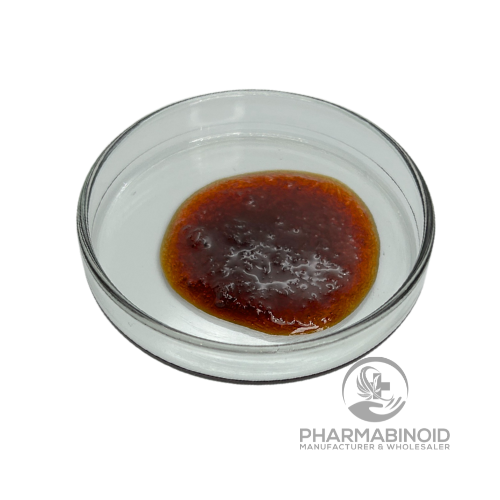
CBD Distillates – Wholesale Buyer Guide CBD Distillates brings together product options...
Blog posts
View all-
Risks of CBD Edibles: Safety, Side Effects, and...
The risks of CBD edibles are usually linked less to CBD itself and more to formulation quality, delayed onset, unclear labelling, possible interactions, and how the edible is used. Gummies,...
Risks of CBD Edibles: Safety, Side Effects, and...
The risks of CBD edibles are usually linked less to CBD itself and more to formulation quality, delayed onset, unclear labelling, possible interactions, and how the edible is used. Gummies,...
-
CBD Edibles Dosage: A Responsible Guide to Serv...
CBD Edibles Dosage is one of the most common questions European consumers and formulators ask because edible products behave differently from oils, vapes, or topical formats. A responsible serving size...
CBD Edibles Dosage: A Responsible Guide to Serv...
CBD Edibles Dosage is one of the most common questions European consumers and formulators ask because edible products behave differently from oils, vapes, or topical formats. A responsible serving size...
-
CBD Vape Effects: What to Expect, What Matters,...
CBD Vape Effects is a search topic that often attracts oversimplified answers. In practice, the CBD vape experience depends on the formulation, cannabinoid profile, terpene profile, device temperature, product purity,...
CBD Vape Effects: What to Expect, What Matters,...
CBD Vape Effects is a search topic that often attracts oversimplified answers. In practice, the CBD vape experience depends on the formulation, cannabinoid profile, terpene profile, device temperature, product purity,...