Decarboxylation
Decarboxylation: Meaning and Role in Cannabinoid Chemistry
Decarboxylation is a chemical reaction in which a molecule loses a carboxyl group, releasing carbon dioxide. In cannabinoid chemistry, the term commonly describes the conversion of acidic cannabinoid precursors—such as THCA and CBDA—into their corresponding neutral forms. It is a chemistry and processing concept, not a guarantee of a particular product effect or suitability.
Definition of decarboxylation
In simple terms, decarboxylation removes a carboxyl group (–COOH) from a molecule. The reaction can occur through different mechanisms; for cannabinoids, heat and time are important variables in commonly studied thermal processes.
What happens to cannabinoid acids?
Cannabis plants produce many cannabinoids predominantly in acidic precursor forms. For example, THCA and CBDA are related to THC and CBD through decarboxylation. The transformation changes molecular composition, but it should not be described as a universal switch that guarantees a fixed outcome: starting material, matrix, temperature profile, duration, oxygen exposure and analytical method all affect what is measured.
Scientific background and process context
Thermal decarboxylation is a time- and temperature-dependent reaction. Heating can promote conversion, while excessive heat or prolonged exposure may also cause degradation or other chemical changes. Consequently, a single temperature-and-time rule cannot be applied to every plant material, extract, cannabinoid acid or production system. Published studies examine specific samples and conditions; their results should not be treated as a universal processing recipe.
Analytical methods matter as well. Liquid chromatography can measure acidic and neutral cannabinoids without first intentionally converting them, while some analytical workflows may include heating steps that change the profile. Laboratories and manufacturers should understand the method used and the sample preparation before comparing reported values.
Key characteristics
- Molecular change: A carboxyl group is removed and carbon dioxide is released.
- Condition-sensitive: Conversion depends on the material and processing conditions, including heat exposure and duration.
- Not synonymous with extraction: Extraction separates constituents from a matrix; decarboxylation is a chemical transformation that may occur before, during or after processing.
- Requires measurement: Visual appearance alone cannot confirm conversion level, purity or final cannabinoid composition.
Uses and industry applications
In research and manufacturing, decarboxylation may be relevant to preparation of extracts, cannabinoid profiling and specification development. Process teams should define the target profile, select suitable analytical methods, assess material stability and document validated process conditions. Any scale-up should be supported by process-specific testing rather than copied from a different matrix or study.
For ingredient evaluation, distinguish the acid and neutral forms in the specification and confirm that batch results correspond to the material supplied. A certificate of analysis should identify the tested batch and analytical method. Quality teams may also assess contaminants, residual solvents and stability according to the ingredient and intended product category.
Safety, quality and regulatory context
This explanation is educational, not a home-processing guide or legal advice. Decarboxylation does not establish that an ingredient is safe, approved or lawful for a particular market or product category. Regulatory obligations vary by jurisdiction and intended use; businesses should obtain qualified review before making product, labelling or market-access decisions. Avoid drawing health or effect claims from the chemical reaction alone.
Related cannabinoid resources
Continue with what cannabinoids are, the cannabinoid research hub, and cannabis terpenes. For primary background, see the peer-reviewed review of cannabinoid biosynthesis and non-enzymatic decarboxylation and research on chemical profiling before and after decarboxylation.
FAQ about decarboxylation
What does decarboxylation mean?
It is a chemical reaction that removes a carboxyl group from a molecule, releasing carbon dioxide. In cannabinoid contexts, it often refers to acidic precursors converting into related neutral cannabinoids.
Is decarboxylation the same as extraction?
No. Extraction separates compounds from a material; decarboxylation changes a molecule chemically. A production process may involve both, but they are distinct operations.
Can one processing condition be assumed to work for every cannabinoid material?
No. Results depend on the compound, matrix, equipment, time, temperature and analytical method. Process claims should be based on testing of the actual material and conditions.
Conclusion
Decarboxylation is the loss of a carboxyl group, a transformation relevant to cannabinoid chemistry, processing and analysis. Its extent and resulting profile depend on the material and conditions, and must be verified analytically. Clear definitions, batch-specific data and careful market review make the concept useful without overstating what the reaction proves.
Free Sample
Discover the benefits of our products firsthand by visiting our website to obtain your exclusive TryPharma code. When you place an order using this special code, not only will you secure your desired products, but we will also include a complimentary sample with each purchase. This opportunity allows you to experience the quality of our offerings before you commit to the main shipment. Our goal is to ensure that you are completely satisfied with your selection, and this process provides a risk-free way to explore our extensive range of products. Contact us today to get started and take the first step towards a rewarding experience with our premium offerings.

Shipping Insurance
When you purchase bulk CBD isolates, oils, and other products from us, your shipment is fully insured by us at no additional cost to you. We utilize reputable shipping companies like FedEx and UPS for transportation, while managing the insurance coverage ourselves to secure every shipment from our warehouse to your doorstep. At TryPharma, we are committed to fostering business growth by offering a risk-free wholesale service. In the unlikely event of a shipping issue, we guarantee a refund within five business days from the date the incident is confirmed. Our comprehensive approach effectively eliminates 99.9% of all potential risks associated with bulk CBD shipping, ensuring your complete peace of mind.

30 Day Return
We invite you to test the complimentary sample included with your order before opening the main shipment. If the quality does not meet your expectations, you can benefit from our 30-day return policy. This policy permits you to return the product within 30 days for a full refund, guaranteeing your complete satisfaction. Contact us today to explore our exceptional range of products and experience our dedicated customer service.
Cannabinoid Isolates
-
CBD Isolate - Cannabidiol
Regular price From €24.99 to €369.99Regular priceUnit price / per€0.00Sale price €24.99 -
CBG - Cannabigerol
Regular price From €49.99 to €799.99Regular priceUnit price / per€0.00Sale price €49.99 -
CBN - Cannabinol
Regular price From €79.99 to €1,299.99Regular priceUnit price / per€0.00Sale price €79.99 -
CBC - Cannabichromene
Regular price From €99.99 to €1,999.99Regular priceUnit price / per€0.00Sale price €99.99 -
CBDV - Cannabidivarin
Regular price From €13.99 to €3,149.99Regular priceUnit price / per€0.00Sale price €13.99 -
Cannabicitran Isolate - CBT
Regular price From €49.99 to €4,349.99Regular priceUnit price / per€0.00Sale price €49.99 -
CBDA Isolate - Cannabidiolic Acid
Regular price From €49.99 to €1,499.99Regular priceUnit price / per€0.00Sale price €49.99 -
Cannabigerolic Acid - CBGA
Regular price From €59.99 to €1,749.99Regular priceUnit price / per€0.00Sale price €59.99
Collections
-
PPB - Pharmabinoid's Psychoactive Blends
PPB Psychoactive Blends for Professional Buyers Explore Pharmabinoid's PPB collection of psychoactive...
-
CBD Oil Wholesale Europe
CBD Oil Wholesale Europe for Brands and ManufacturersSource CBD oil wholesale in...
-
CBD Cosmetics
CBD Cosmetics Wholesale Buyer Guide CBD Cosmetics is the canonical commercial collection...
-
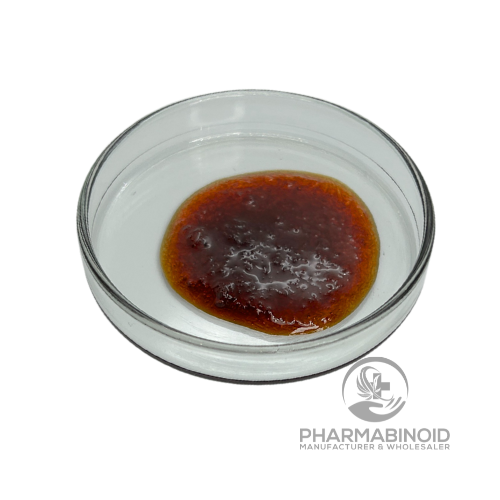
CBD Distillate Wholesale
CBD Distillate Wholesale for European BuyersCompare CBD distillates for professional formulation, private-label...
Blog posts
View all-
CBGO vs CBG: Key Differences and Evidence Limits
Compare CBGO and CBG by identity, research evidence, quality checks and safety limitations—without assuming findings for one apply to the other.
CBGO vs CBG: Key Differences and Evidence Limits
Compare CBGO and CBG by identity, research evidence, quality checks and safety limitations—without assuming findings for one apply to the other.
-
CBGO Effects: Evidence, Safety and Research Limits
A cautious overview of CBGO effects, current evidence limits, safety uncertainties, material characterization and responsible research interpretation.
CBGO Effects: Evidence, Safety and Research Limits
A cautious overview of CBGO effects, current evidence limits, safety uncertainties, material characterization and responsible research interpretation.
-
CBGO Dosage: What Research Can and Cannot Tell Us
What current evidence does—and does not—support about CBGO dosage, material identity, exposure research and formulation evaluation.
CBGO Dosage: What Research Can and Cannot Tell Us
What current evidence does—and does not—support about CBGO dosage, material identity, exposure research and formulation evaluation.