What is Delta-9-Tetrahydrocannabivarin? D9-THCV Explained
Delta-9-Tetrahydrocannabivarin, commonly shortened to D9-THCV or THCV, is a naturally occurring minor cannabinoid found in cannabis and hemp chemotypes. It matters to the cannabinoid industry because its distinct molecular structure, analytical profile, and formulation behavior make it an important compound for research, product development, and cannabinoid specification work.
What is Delta-9-Tetrahydrocannabivarin?
Definition of Delta-9-Tetrahydrocannabivarin
Delta-9-Tetrahydrocannabivarin is a varin-type cannabinoid structurally related to Delta-9-THC, but with a shorter three-carbon side chain instead of THC’s five-carbon side chain. A practical tetrahydrocannabivarin definition is: a minor phytocannabinoid found in certain cannabis varieties and studied for its distinct interaction with cannabinoid receptors, without assuming the same profile as THC.
What Is Delta-9-Tetrahydrocannabivarin?
When people ask “what is D9-THCV?”, they are usually trying to understand how it differs from better-known cannabinoids such as CBD, CBG, or Delta-9-THC. D9-THCV belongs to the same broad cannabinoid family, but it is not simply “another form of THC.” Its shorter alkyl side chain changes how it behaves chemically and how it is discussed in cannabinoid research.
D9-THCV is generally present in low concentrations in most hemp and cannabis biomass, although some genetics naturally express higher levels. For manufacturers and suppliers, this makes accurate sourcing, extraction, purification, and analytical testing especially important. Small differences in cannabinoid profile can significantly affect whether a material is suitable for research, formulation, or compliant commercial development in the European market.
D9-THCV explained in simple terms: it is a rare cannabinoid with a THC-like core structure but a different side chain, different receptor behavior, and different formulation considerations. Because research remains limited, responsible discussion should focus on chemistry, testing, and industry relevance rather than unsupported health claims.
Scientific Background of Delta-9-Tetrahydrocannabivarin
Delta-9-Tetrahydrocannabivarin is biosynthetically associated with cannabigerovarinic acid, or CBGVA, rather than the more familiar CBGA pathway that leads to cannabinoids such as THC and CBD. Through enzymatic conversion in the plant, CBGVA can become tetrahydrocannabivarinic acid, or THCVA. Heat, time, or processing can then decarboxylate THCVA into D9-THCV.
From a chemistry perspective, the defining feature of D9-THCV is its propyl side chain. This three-carbon chain distinguishes varin cannabinoids from pentyl cannabinoids such as Delta-9-THC. That relatively small structural difference is meaningful in pharmacology, because cannabinoid receptor interactions are influenced by molecular shape, polarity, and side-chain length.
In cannabinoid pharmacology, D9-THCV has been investigated for its interaction with CB1 and CB2 receptors, although findings vary depending on concentration, experimental model, and study design. Early research and preclinical studies discuss THCV differently from THC, but the evidence base is still developing. For a wider overview of cannabinoid science, Pharmabinoid provides additional context on cannabinoid research.
Analytical testing is essential with D9-THCV because it can appear alongside structurally similar cannabinoids and related isomers. Laboratories typically use validated methods such as HPLC or GC-based analysis to identify cannabinoid content, confirm purity, and distinguish THCV from THC, THCVA, D8-THCV, and other compounds. Certificates of analysis should clearly report potency, residual solvents where relevant, heavy metals, pesticides, microbiology, and other quality parameters based on the product category.
Key Characteristics of Delta-9-Tetrahydrocannabivarin
- Varin-type cannabinoid: D9-THCV has a three-carbon side chain, which separates it from five-carbon cannabinoids such as Delta-9-THC and contributes to its distinct chemical and pharmacological profile.
- Usually a minor cannabinoid: THCV is found naturally in certain cannabis and hemp chemotypes, but typically at lower concentrations than major cannabinoids. This makes selective genetics, enrichment, and purification important for consistent supply.
- Requires precise analytical confirmation: Because D9-THCV is structurally related to other cannabinoids, reliable laboratory testing is necessary to confirm identity, purity, cannabinoid profile, and compliance-relevant specifications.
- Formulation-sensitive compound: Like many cannabinoids, D9-THCV is lipophilic, meaning it tends to dissolve better in oils and lipid-based systems than in water. Formulators must consider solubility, stability, carrier systems, and intended product format.
- Research interest remains active but limited: D9-THCV is discussed in scientific literature, including PubMed-indexed research on tetrahydrocannabivarin, but available research should not be overstated or translated into medical claims.
Uses and Industry Applications
Delta-9-Tetrahydrocannabivarin is mainly relevant in specialist cannabinoid manufacturing, research supply, analytical reference work, and advanced formulation development. Because it is less abundant than CBD or CBG, the material is often handled in more controlled supply chains where purity, traceability, and batch-level documentation are central.
In extraction and refinement, D9-THCV may be obtained from plant material containing varin-rich cannabinoid profiles or produced through controlled cannabinoid processing routes, depending on the jurisdiction, intended use, and production standards. In every case, responsible manufacturers must verify identity and composition through appropriate testing rather than relying on plant variety claims alone.
For formulation teams, D9-THCV presents similar challenges to many minor cannabinoids. Its oil solubility, sensitivity to heat and oxidation, compatibility with carrier oils, and concentration within the finished matrix all need evaluation. Bioavailability may vary depending on product format, excipients, and delivery system, so formulation decisions should be supported by technical data rather than assumptions.
For B2B buyers, the most important purchasing factors are not just concentration and price. A robust D9-THCV specification should include cannabinoid profile, purity, certificate of analysis, residual solvent status, contaminant screening, batch traceability, and clear documentation. Businesses exploring this segment can review Pharmabinoid’s dedicated information on wholesale D9-THCV products.
Related Cannabinoids, Terpenes, or Terms
D9-THCV is closely related to other varin cannabinoids and THC-family compounds. Delta-8-THCV, for example, is another tetrahydrocannabivarin isomer with a different double-bond position. Pharmabinoid offers further reading on Delta-8-Tetrahydrocannabivarin and related cannabinoid terminology.
Terpenes do not define D9-THCV itself, but they are relevant in whole-plant extracts and formulated products because terpene profile can influence aroma, stability, sensory characteristics, and overall product specification. In professional cannabinoid manufacturing, both cannabinoid and terpene profiles are typically considered part of a broader quality and formulation strategy.
FAQ About Delta-9-Tetrahydrocannabivarin
What is D9-THCV?
D9-THCV is the abbreviation for Delta-9-Tetrahydrocannabivarin, a naturally occurring minor cannabinoid with a three-carbon side chain. It is structurally related to Delta-9-THC but has a distinct chemical profile and should not be described as identical to THC.
Is Delta-9-Tetrahydrocannabivarin the same as Delta-9-THC?
No. Although D9-THCV and Delta-9-THC share a similar cannabinoid backbone, D9-THCV has a shorter side chain. This structural difference is important in analytical chemistry, pharmacology, and product specification.
Why is analytical testing important for D9-THCV?
Analytical testing confirms the identity, potency, purity, and safety-related quality parameters of D9-THCV materials. Because THCV can occur alongside similar cannabinoids and isomers, validated laboratory methods and clear certificates of analysis are essential for professional use.
Is D9-THCV common in hemp?
D9-THCV is usually considered a minor cannabinoid and is not abundant in most hemp varieties. Some genetics may contain higher varin cannabinoid levels, but actual content should always be confirmed through laboratory analysis.
Can D9-THCV be used in formulations?
D9-THCV can be relevant to formulation research and specialist cannabinoid product development, but its suitability depends on purity, concentration, regulatory context, carrier system, stability, and intended use. No formulation decision should be made without technical review and batch-specific documentation.
Conclusion
What is Delta-9-Tetrahydrocannabivarin? In cannabinoid industry terms, it is a rare varin-type cannabinoid with a distinct molecular structure, analytical profile, and formulation relevance. D9-THCV is important because it expands the scientific and commercial understanding of minor cannabinoids, but it also requires careful handling, validated testing, responsible communication, and realistic interpretation of the available research.
Free Sample
Discover the benefits of our products firsthand by visiting our website to obtain your exclusive TryPharma code. When you place an order using this special code, not only will you secure your desired products, but we will also include a complimentary sample with each purchase. This opportunity allows you to experience the quality of our offerings before you commit to the main shipment. Our goal is to ensure that you are completely satisfied with your selection, and this process provides a risk-free way to explore our extensive range of products. Contact us today to get started and take the first step towards a rewarding experience with our premium offerings.

Shipping Insurance
When you purchase bulk CBD isolates, oils, and other products from us, your shipment is fully insured by us at no additional cost to you. We utilize reputable shipping companies like FedEx and UPS for transportation, while managing the insurance coverage ourselves to secure every shipment from our warehouse to your doorstep. At TryPharma, we are committed to fostering business growth by offering a risk-free wholesale service. In the unlikely event of a shipping issue, we guarantee a refund within five business days from the date the incident is confirmed. Our comprehensive approach effectively eliminates 99.9% of all potential risks associated with bulk CBD shipping, ensuring your complete peace of mind.

30 Day Return
We invite you to test the complimentary sample included with your order before opening the main shipment. If the quality does not meet your expectations, you can benefit from our 30-day return policy. This policy permits you to return the product within 30 days for a full refund, guaranteeing your complete satisfaction. Contact us today to explore our exceptional range of products and experience our dedicated customer service.
Cannabinoid Isolates
-
CBD Isolate - Cannabidiol
Regular price From €24.99 to €369.99Regular priceUnit price / per€0.00Sale price €24.99 -
CBG - Cannabigerol
Regular price From €49.99 to €799.99Regular priceUnit price / per€0.00Sale price €49.99 -
CBN - Cannabinol
Regular price From €79.99 to €1,299.99Regular priceUnit price / per€0.00Sale price €79.99 -
CBC - Cannabichromene
Regular price From €99.99 to €1,999.99Regular priceUnit price / per€0.00Sale price €99.99 -
CBDV - Cannabidivarin
Regular price From €13.99 to €3,149.99Regular priceUnit price / per€0.00Sale price €13.99 -
Cannabicitran Isolate - CBT
Regular price From €49.99 to €4,349.99Regular priceUnit price / per€0.00Sale price €49.99 -
Cannabidiolic Acid - CBDA
Regular price From €49.99 to €1,499.99Regular priceUnit price / per€0.00Sale price €49.99 -
Cannabigerolic Acid - CBGA
Regular price From €59.99 to €1,749.99Regular priceUnit price / per€0.00Sale price €59.99
Collections
-
Psychoactive Extracts
Psychoactive Extracts – Wholesale Buyer Guide Psychoactive Extracts brings together specialist cannabinoid...
-
CBD Cosmetics
CBD Cosmetics – Wholesale Buyer Guide CBD Cosmetics brings together CBD cosmetic...
-
CBD Distillates
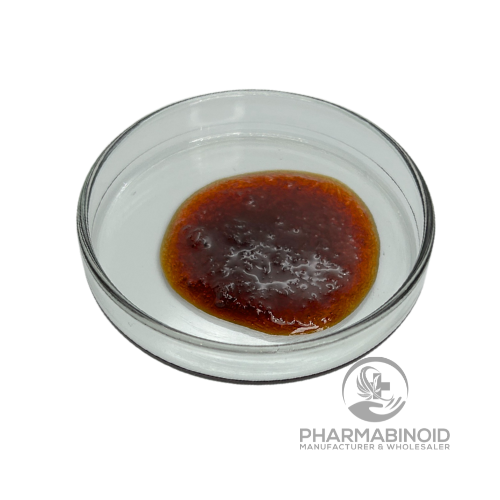
CBD Distillates – Wholesale Buyer Guide CBD Distillates brings together product options...
Blog posts
View all-
Risks of CBD Capsules: Safety, Side Effects, In...
The risks of CBD capsules are usually linked less to the capsule format itself and more to dose, product quality, individual sensitivity, drug interactions, and regulatory compliance. CBD capsules can...
Risks of CBD Capsules: Safety, Side Effects, In...
The risks of CBD capsules are usually linked less to the capsule format itself and more to dose, product quality, individual sensitivity, drug interactions, and regulatory compliance. CBD capsules can...
-
CBD Capsules Dosage: A Responsible Guide to Ser...
Understanding CBD Capsules Dosage starts with one simple point: capsules are pre-measured products, but the right serving size still depends on the formulation, cannabinoid content, user profile, and product quality....
CBD Capsules Dosage: A Responsible Guide to Ser...
Understanding CBD Capsules Dosage starts with one simple point: capsules are pre-measured products, but the right serving size still depends on the formulation, cannabinoid content, user profile, and product quality....
-
CBD Capsules Effects: Benefits, Timing, Quality...
CBD Capsules Effects are commonly searched by people who want a clear, practical explanation of what CBD capsules may feel like, how they work, and why the experience can differ...
CBD Capsules Effects: Benefits, Timing, Quality...
CBD Capsules Effects are commonly searched by people who want a clear, practical explanation of what CBD capsules may feel like, how they work, and why the experience can differ...