Risks of CBD Oil: Safety, Interactions, Testing, and EU Market Considerations
Understanding the risks of CBD oil is important for brands, formulators, retailers, and professional buyers working with cannabinoid products. CBD is widely discussed in scientific and consumer contexts, but product quality, serving size, formulation, interactions, and regulatory classification all influence how a CBD oil should be evaluated. This guide provides a responsible, non-medical overview for European businesses and informed purchasers.
This page is not medical advice and does not diagnose, treat, or prevent any condition. Anyone taking medication, pregnant or breastfeeding, living with a medical condition, or uncertain about CBD suitability should consult a qualified healthcare professional before use.
What are the main risks of CBD oil?
The potential risks of CBD oil depend on the product, the amount used, the route of administration, the person using it, and the quality of the supporting documentation. Important considerations include tolerability, interactions with medicines, inaccurate labelling, contamination, inappropriate claims, and differences between product categories.
- Product variability: Concentration, carrier oil, cannabinoid profile, and terpene content can differ considerably between products.
- Label uncertainty: A percentage alone may not clearly communicate milligrams per serving or per bottle.
- Quality concerns: Poorly controlled materials may contain unwanted solvents, pesticides, heavy metals, microbiological contamination, or cannabinoid levels that do not match the label.
- Individual factors: Sensitivity, previous exposure, age, medication use, and general health can affect how a person responds.
CBD oil tolerability and responsible use
Some people may experience unwanted effects or may not tolerate a particular CBD oil. These effects can be influenced by concentration, formulation, consumption pattern, and individual sensitivity. A responsible approach is to follow the product label, avoid combining multiple unfamiliar cannabinoid products, and stop use if unexpected symptoms occur.
Consumers should not assume that a natural origin makes a product risk-free. The carrier oil, flavouring system, added terpenes, and other ingredients also need to be assessed. For professional buyers, a complete specification sheet and batch-specific Certificate of Analysis are essential starting points.
CBD oil and medication interactions
CBD may interact with some medicines because cannabidiol can affect metabolic pathways involved in drug processing. The relevance of an interaction depends on the medicine, the amount of CBD, the frequency of use, and the individual. This is why people using prescription or clinically monitored medicines should seek advice from a qualified healthcare professional rather than relying on general online dosage guidance.
Businesses should avoid implying that CBD oil is suitable for everyone or that it can replace professional treatment. Responsible product communication should use clear qualifiers and should not present preliminary research as established clinical evidence.
Quality testing can reduce avoidable product risks
Testing cannot eliminate every risk, but it can identify important quality problems before a product reaches the market. Buyers should request a current, batch-specific COA and check whether it includes cannabinoid identity and potency, THC levels where relevant, residual solvents, pesticides, heavy metals, microbiological parameters, and other tests appropriate to the formulation.
Testing should be connected to traceable batch information. A document without a matching lot number, test date, laboratory identification, or clear sample description is less useful for procurement decisions. Professional buyers should also review the technical data sheet, safety data sheet where applicable, storage conditions, shelf life, packaging, and transport requirements.
Regulatory and EU market considerations
CBD oil compliance depends on the intended product category and destination market. Food supplements, novel foods, cosmetics, vaping products, and technical ingredients may be subject to different requirements. A product that is acceptable in one market or application may require a different assessment elsewhere.
Businesses should verify the current position of the relevant national authorities, review applicable EU requirements, and obtain specialist regulatory advice before making products available. Claims must be supported and appropriate to the category. Avoid disease claims, therapeutic promises, and language suggesting guaranteed outcomes.
How formulators and buyers can evaluate CBD oil safely
- Define the intended application and target market before selecting an ingredient.
- Confirm the total CBD content, concentration, serving information, carrier oil, and cannabinoid profile.
- Request current batch documentation and verify that the COA matches the supplied lot.
- Review contaminant testing and investigate results that are incomplete or unclear.
- Assess stability, storage, packaging compatibility, and transport conditions.
- Use conservative, factual product language and obtain regulatory review where necessary.
Frequently asked questions
Is CBD oil risk-free because it is plant-derived?
No. Plant-derived products can still vary in composition, interact with medicines, be contaminated, or be unsuitable for particular people. Quality documentation and responsible use remain important.
What should a CBD oil COA include?
A suitable COA should clearly identify the batch and normally report cannabinoid potency and relevant contaminant testing. The exact panel depends on the material and intended application.
Can CBD oil interact with medication?
It may interact with some medicines. Anyone using prescription or clinically monitored medication should consult a qualified healthcare professional before using CBD.
Are CBD oil risks the same in every European country?
No. Product classification, claims, THC limits, novel food status, and market requirements can differ. Businesses should check the rules that apply to the specific product and destination market.
Conclusion
The risks of CBD oil are best managed through careful formulation, transparent testing, accurate labelling, conservative communication, and appropriate professional advice. For B2B procurement, the strongest safeguards are traceable batches, complete specifications, reliable COAs, documented storage conditions, and a clear understanding of the intended European market.
For sourcing and formulation discussions, businesses can review Pharmabinoid's CBD oil collection and request a professional quotation.
Free Sample
Discover the benefits of our products firsthand by visiting our website to obtain your exclusive TryPharma code. When you place an order using this special code, not only will you secure your desired products, but we will also include a complimentary sample with each purchase. This opportunity allows you to experience the quality of our offerings before you commit to the main shipment. Our goal is to ensure that you are completely satisfied with your selection, and this process provides a risk-free way to explore our extensive range of products. Contact us today to get started and take the first step towards a rewarding experience with our premium offerings.
Shipping Insurance
When you purchase bulk CBD isolates, oils, and other products from us, your shipment is fully insured by us at no additional cost to you. We utilize reputable shipping companies like FedEx and UPS for transportation, while managing the insurance coverage ourselves to secure every shipment from our warehouse to your doorstep. At TryPharma, we are committed to fostering business growth by offering a risk-free wholesale service. In the unlikely event of a shipping issue, we guarantee a refund within five business days from the date the incident is confirmed. Our comprehensive approach effectively eliminates 99.9% of all potential risks associated with bulk CBD shipping, ensuring your complete peace of mind.

30 Day Return
We invite you to test the complimentary sample included with your order before opening the main shipment. If the quality does not meet your expectations, you can benefit from our 30-day return policy. This policy permits you to return the product within 30 days for a full refund, guaranteeing your complete satisfaction. Contact us today to explore our exceptional range of products and experience our dedicated customer service.
Cannabinoid Isolates
-
CBD Isolate - Cannabidiol
Regular price From €24.99 to €369.99Regular priceUnit price / per€0.00Sale price €24.99 -
CBG - Cannabigerol
Regular price From €49.99 to €799.99Regular priceUnit price / per€0.00Sale price €49.99 -
CBN - Cannabinol
Regular price From €79.99 to €1,299.99Regular priceUnit price / per€0.00Sale price €79.99 -
CBC - Cannabichromene
Regular price From €99.99 to €1,999.99Regular priceUnit price / per€0.00Sale price €99.99 -
CBDV - Cannabidivarin
Regular price From €13.99 to €3,149.99Regular priceUnit price / per€0.00Sale price €13.99 -
Cannabicitran Isolate - CBT
Regular price From €49.99 to €4,349.99Regular priceUnit price / per€0.00Sale price €49.99 -
Cannabidiolic Acid - CBDA
Regular price From €49.99 to €1,499.99Regular priceUnit price / per€0.00Sale price €49.99 -
Cannabigerolic Acid - CBGA
Regular price From €59.99 to €1,749.99Regular priceUnit price / per€0.00Sale price €59.99
Collections
-
PPB - Pharmabinoid's Psychoactive Blends
PPB Psychoactive Blends for Professional Buyers Explore Pharmabinoid's PPB collection of psychoactive...
-
CBD Oil Wholesale Europe
CBD Oil Wholesale Europe for Brands and ManufacturersSource CBD oil wholesale in...
-
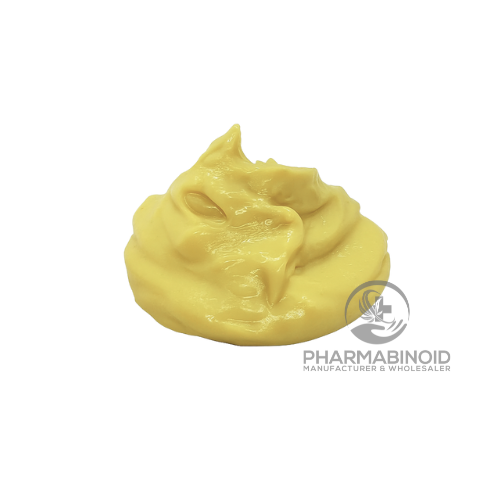
CBD Cosmetics
CBD Cosmetics Wholesale Buyer Guide CBD Cosmetics is the canonical commercial collection...
-
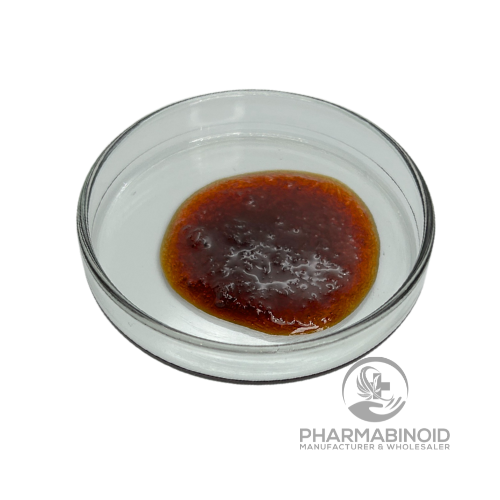
CBD Distillate Wholesale
CBD Distillate Wholesale for European BuyersCompare CBD distillates for professional formulation, private-label...
Blog posts
View all-
CBD Distillate vs. CBD Isolate: Key Differences...
CBD distillate vs. CBD isolate is primarily a question of composition, purity targets, formulation behavior, and compliance strategy. Both are refined, hemp-derived CBD ingredients, but they are not interchangeable. CBD...
CBD Distillate vs. CBD Isolate: Key Differences...
CBD distillate vs. CBD isolate is primarily a question of composition, purity targets, formulation behavior, and compliance strategy. Both are refined, hemp-derived CBD ingredients, but they are not interchangeable. CBD...
-
CBD Distillate vs. CBD Isolate: Differences, Ap...
CBD distillate vs. CBD isolate is an important comparison for brands, formulators, and buyers working with hemp-derived ingredients. Both materials can be rich in cannabidiol, but they differ in composition,...
CBD Distillate vs. CBD Isolate: Differences, Ap...
CBD distillate vs. CBD isolate is an important comparison for brands, formulators, and buyers working with hemp-derived ingredients. Both materials can be rich in cannabidiol, but they differ in composition,...
-
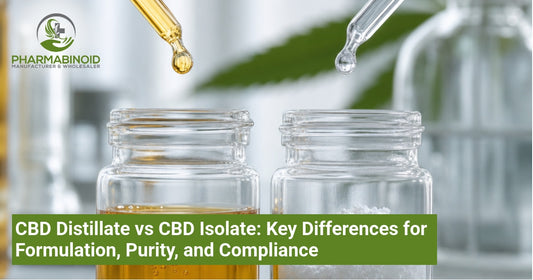
CBD Distillate vs. CBD Isolate: Key Differences...
CBD distillate vs. CBD isolate is a common comparison for brands, formulators, and buyers working with hemp-derived ingredients. Both can be high-quality CBD sources, but they differ in formulation behavior,...
CBD Distillate vs. CBD Isolate: Key Differences...
CBD distillate vs. CBD isolate is a common comparison for brands, formulators, and buyers working with hemp-derived ingredients. Both can be high-quality CBD sources, but they differ in formulation behavior,...