CBG Effects: What Research Suggests and What Remains Unclear
CBG effects are discussed widely, but the evidence is still developing. Cannabigerol (CBG) has been examined in laboratory and preclinical research, alongside a small number of early human studies. These evidence types answer different questions and should not be treated as proof that CBG produces a particular health outcome in everyday use.
What does “CBG effects” mean?
The phrase can refer to molecular activity observed in laboratory experiments, changes measured in animal models, short-term responses in human research, or claims made about retail products. Those categories are not equivalent. A receptor interaction in a cell assay does not show that a consumer product produces the same response in a person. Likewise, a small, short-term human study cannot establish long-term effects, clinical benefit or outcomes across different populations and formulations.
CBG is a distinct phytocannabinoid related to cannabigerolic acid (CBGA), a precursor in cannabinoid biosynthesis. Researchers have investigated how CBG interacts with several biological targets, but the relevance of individual findings depends on experimental methods, concentration, formulation and biological context. A review of pharmacological research is available through PubMed’s CBG review record; much of the underlying evidence discussed is preclinical.
What human research has examined
Some early studies have explored acute responses under controlled conditions. One small placebo-controlled crossover field trial involving healthy adults examined a single CBG administration and measured self-reported anxiety, stress and mood alongside other short-term outcomes. The authors describe an exploratory study, not proof of a treatment effect or a basis for broad product claims. Review its participants, design and limitations in the PubMed study record.
Human research on a new or emerging ingredient should be assessed by asking: Was the study randomized and controlled? How many participants completed it? Was the product chemically characterized? Were outcomes prespecified and clinically meaningful? Was follow-up long enough? Were results independently replicated? These questions help prevent a preliminary observation from being presented as an established effect.
Preclinical findings are not consumer outcomes
Cell and animal studies can help researchers examine mechanisms and decide what to investigate next. However, species differences, experimental doses, delivery methods and model limitations make direct extrapolation uncertain. The phrase “studied for” is more accurate than statements that CBG treats, prevents or cures a condition. At present, experimental findings should not be used as a substitute for clinical evidence or healthcare advice.
CBG products also differ. An isolate, distillate, full-spectrum extract and oil dilution may have different cannabinoid profiles, concentrations and other constituents. Therefore, even a finding involving one characterized preparation cannot automatically be applied to another commercial product. Analytical testing can confirm composition; it cannot by itself demonstrate a particular effect in people.
Possible short-term experiences and safety questions
People may report different subjective experiences with cannabinoid products, but anecdotes cannot determine cause, predict another person’s response or establish an effect. Product composition, serving size, route, co-use with other substances and individual health factors can all complicate interpretation. CBG-specific safety and interaction information remains incomplete, especially for repeated use and populations not represented in small studies.
If you are considering a cannabinoid product, consult a qualified healthcare professional—particularly if you take medicines, have a health condition, are pregnant or breastfeeding, or are considering a product for a specific symptom. Do not stop or change prescribed treatment based on CBG marketing or online information. Follow applicable local requirements and verified product directions.
How to assess CBG products and claims
- Look for a batch-specific certificate of analysis matching the product lot.
- Check CBG identity, measured potency and the complete cannabinoid profile.
- Review relevant contaminant testing and traceability documentation.
- Check whether the claim is supported by human research on the same ingredient, formulation and use context.
- Be cautious with promises of guaranteed effects, disease treatment or results that exceed the evidence.
For a foundational overview, read What Is Cannabigerol? and explore the cannabinoid research hub. B2B buyers can review CBG ingredient information and request product-specific specifications through the quote page. Sourcing documentation supports ingredient evaluation; it should not be mistaken for evidence of a consumer health outcome.
Frequently asked questions
Does CBG have proven effects in humans?
Human evidence remains limited. Early studies can inform further research, but they do not establish broad or lasting effects or confirm treatment claims.
Are CBG effects the same as CBD effects?
No. CBG and CBD are different compounds. Evidence for one cannot simply be transferred to the other, and products may also differ in formulation and cannabinoid profile.
Can CBG be described as non-intoxicating?
CBG is generally described as non-intoxicating, but product composition matters. A product may contain other cannabinoids, so review its verified analysis and applicable rules rather than relying on a broad label.
Can early research prove a CBG product works?
No. Results from a laboratory, animal model or small preliminary human study do not establish that a particular retail product produces a clinical benefit. Claims should match the quality and scope of evidence.
Conclusion
CBG effects are an active research topic, not a settled list of consumer outcomes. Laboratory and animal findings provide hypotheses, while early human studies remain limited and need replication. Evaluate claims cautiously, check product-specific analytical documentation and seek professional advice for personal health decisions. Start with the CBG explainer for broader scientific and ingredient context.
Free Sample
Discover the benefits of our products firsthand by visiting our website to obtain your exclusive TryPharma code. When you place an order using this special code, not only will you secure your desired products, but we will also include a complimentary sample with each purchase. This opportunity allows you to experience the quality of our offerings before you commit to the main shipment. Our goal is to ensure that you are completely satisfied with your selection, and this process provides a risk-free way to explore our extensive range of products. Contact us today to get started and take the first step towards a rewarding experience with our premium offerings.

Shipping Insurance
When you purchase bulk CBD isolates, oils, and other products from us, your shipment is fully insured by us at no additional cost to you. We utilize reputable shipping companies like FedEx and UPS for transportation, while managing the insurance coverage ourselves to secure every shipment from our warehouse to your doorstep. At TryPharma, we are committed to fostering business growth by offering a risk-free wholesale service. In the unlikely event of a shipping issue, we guarantee a refund within five business days from the date the incident is confirmed. Our comprehensive approach effectively eliminates 99.9% of all potential risks associated with bulk CBD shipping, ensuring your complete peace of mind.

30 Day Return
We invite you to test the complimentary sample included with your order before opening the main shipment. If the quality does not meet your expectations, you can benefit from our 30-day return policy. This policy permits you to return the product within 30 days for a full refund, guaranteeing your complete satisfaction. Contact us today to explore our exceptional range of products and experience our dedicated customer service.
Cannabinoid Isolates
-
CBD Isolate - Cannabidiol
Regular price From €24.99 to €369.99Regular priceUnit price / per€0.00Sale price €24.99 -
CBG - Cannabigerol
Regular price From €49.99 to €799.99Regular priceUnit price / per€0.00Sale price €49.99 -
CBN - Cannabinol
Regular price From €79.99 to €1,299.99Regular priceUnit price / per€0.00Sale price €79.99 -
CBC - Cannabichromene
Regular price From €99.99 to €1,999.99Regular priceUnit price / per€0.00Sale price €99.99 -
CBDV - Cannabidivarin
Regular price From €13.99 to €3,149.99Regular priceUnit price / per€0.00Sale price €13.99 -
Cannabicitran Isolate - CBT
Regular price From €49.99 to €4,349.99Regular priceUnit price / per€0.00Sale price €49.99 -
CBDA Isolate - Cannabidiolic Acid
Regular price From €49.99 to €1,499.99Regular priceUnit price / per€0.00Sale price €49.99 -
Cannabigerolic Acid - CBGA
Regular price From €59.99 to €1,749.99Regular priceUnit price / per€0.00Sale price €59.99
Collections
-
PPB - Pharmabinoid's Psychoactive Blends
PPB Psychoactive Blends for Professional Buyers Explore Pharmabinoid's PPB collection of psychoactive...
-
CBD Oil Wholesale Europe
CBD Oil Wholesale Europe for Brands and ManufacturersSource CBD oil wholesale in...
-
CBD Cosmetics
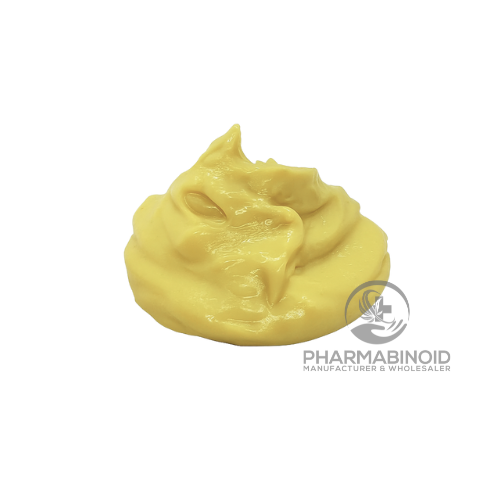
CBD Cosmetics Wholesale Buyer Guide CBD Cosmetics is the canonical commercial collection...
-
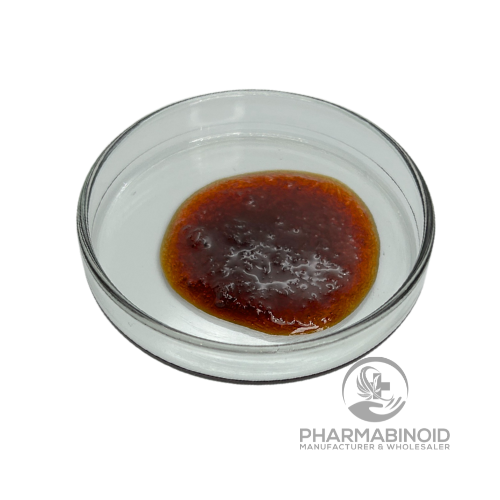
CBD Distillate Wholesale
CBD Distillate Wholesale for European BuyersCompare CBD distillates for professional formulation, private-label...
Blog posts
View all-
CBD Distillate vs. CBD Isolate: Key Differences...
CBD distillate vs. CBD isolate is primarily a question of composition, purity targets, formulation behavior, and compliance strategy. Both are refined, hemp-derived CBD ingredients, but they are not interchangeable. CBD...
CBD Distillate vs. CBD Isolate: Key Differences...
CBD distillate vs. CBD isolate is primarily a question of composition, purity targets, formulation behavior, and compliance strategy. Both are refined, hemp-derived CBD ingredients, but they are not interchangeable. CBD...
-
CBD Distillate vs. CBD Isolate: Differences, Ap...
CBD distillate vs. CBD isolate is an important comparison for brands, formulators, and buyers working with hemp-derived ingredients. Both materials can be rich in cannabidiol, but they differ in composition,...
CBD Distillate vs. CBD Isolate: Differences, Ap...
CBD distillate vs. CBD isolate is an important comparison for brands, formulators, and buyers working with hemp-derived ingredients. Both materials can be rich in cannabidiol, but they differ in composition,...
-
CBD Distillate vs. CBD Isolate: Key Differences...
CBD distillate vs. CBD isolate is a common comparison for brands, formulators, and buyers working with hemp-derived ingredients. Both can be high-quality CBD sources, but they differ in formulation behavior,...
CBD Distillate vs. CBD Isolate: Key Differences...
CBD distillate vs. CBD isolate is a common comparison for brands, formulators, and buyers working with hemp-derived ingredients. Both can be high-quality CBD sources, but they differ in formulation behavior,...