
CBD Gummies vs CBD Oil: Key Differences for Formulation and Product Choice

CBD gummies vs CBD oil is a practical comparison for brands choosing between a pre-portioned edible format and a carrier-based liquid. Both formats can contain cannabidiol, but they create different requirements for formulation, testing, packaging, labelling and procurement. For European B2B buyers, the best option depends on the finished-product brief, target market and documentation pathway rather than on a universal claim that one format is superior.
CBD Gummies vs CBD Oil: The Core Difference
CBD gummies are finished edible units with a defined amount per piece. CBD oil is a liquid formulation measured by volume, drop or serving and typically combines CBD with a carrier oil. This distinction affects manufacturing control. Gummies require attention to texture, flavour, water activity, content uniformity and moisture protection. Oils require attention to viscosity, carrier compatibility, dispensing accuracy, oxidation and light exposure.
Formulation and Sensory Considerations
Gummy development is a matrix-management exercise. The cannabinoid must be distributed consistently through the batch while the product retains its intended texture and flavour. Fruit flavour systems, colourants, sweeteners, allergens and packaging materials should be assessed together. Stability testing should reflect the actual finished formula and pack.
CBD oil offers a more flexible liquid route, but it is not automatically simpler. The selected carrier influences mouthfeel, viscosity, flavour and storage behaviour. Developers should evaluate the cannabinoid profile, target concentration, bottle and closure system, dropper performance and compatibility with the intended use. Isolate-based, broad-spectrum and full-spectrum inputs may create different sensory and documentation requirements.
Serving Architecture and Buyer Suitability
Gummies suit product concepts built around a pre-measured unit and a consumer-friendly sensory experience. Oil suits projects that require flexible serving adjustment, a carrier-based format or integration into additional products. In both cases, the declared CBD amount should be supported by appropriate testing and clear label review. Product developers should avoid presenting either format with unsupported medical or therapeutic claims.
Testing and Documentation Checklist
- Batch-specific CBD potency and relevant THC results.
- Contaminant testing appropriate to the raw material and finished product.
- Ingredient, allergen, flavour and colour documentation for gummies.
- Carrier, viscosity, packaging and storage information for oil.
- Finished-product content uniformity and stability evidence where applicable.
- Market-specific label, claim and regulatory review before launch.
A certificate of analysis should correspond to the supplied lot. Buyers should also define whether testing is required for the input material, the finished product or both. European regulatory assessment should be completed for the destination market and final product category. The EFSA novel food resource can support initial regulatory orientation, but it does not replace professional market-specific advice.
Which Format Should a Brand Choose?
Choose gummies when the brief prioritises a finished edible unit, flavour-led presentation and defined content per piece. Choose oil when the project requires a liquid carrier, adjustable serving architecture or a formulation base that can be integrated into a wider product system. Compare the full commercial route: ingredients, processing, testing, packaging, storage, claims and market access.
For raw-material sourcing, review Pharmabinoid’s CBD edibles and CBD oil options. You can also compare broad spectrum CBD oil with CBD isolate oil. For a project-specific specification, request a quote with the target format, concentration, carrier, packaging and documentation requirements.
Conclusion
CBD gummies vs CBD oil is ultimately a formulation and procurement decision. Gummies bring unit-dose, texture and finished-edible considerations; oils bring carrier, viscosity and dispensing considerations. A disciplined comparison of product architecture, testing, packaging and regulatory requirements helps brands select the route that fits their brief and supports a more reliable launch process.
Frequently asked questions
Are CBD gummies stronger than CBD oil?
Not inherently. Strength depends on the amount of CBD per serving and the product’s serving definition. Compare the declared CBD content per unit rather than relying on the format name.
Is CBD oil easier to formulate than gummies?
Oil can be simpler when the finished product is also oil-based, but every format has technical challenges. Gummies require additional work on dispersion, heat exposure, texture, flavour and unit-to-unit consistency.
What should a buyer request from a supplier?
Request a current batch-specific COA, product specification, storage guidance, packaging information, MOQ, lead time and any documentation relevant to the intended market and finished-product category.

Free Sample
Discover the benefits of our products firsthand by visiting our website to obtain your exclusive TryPharma code. When you place an order using this special code, not only will you secure your desired products, but we will also include a complimentary sample with each purchase. This opportunity allows you to experience the quality of our offerings before you commit to the main shipment. Our goal is to ensure that you are completely satisfied with your selection, and this process provides a risk-free way to explore our extensive range of products. Contact us today to get started and take the first step towards a rewarding experience with our premium offerings.

Shipping Insurance
When you purchase bulk CBD isolates, oils, and other products from us, your shipment is fully insured by us at no additional cost to you. We utilize reputable shipping companies like FedEx and UPS for transportation, while managing the insurance coverage ourselves to secure every shipment from our warehouse to your doorstep. At TryPharma, we are committed to fostering business growth by offering a risk-free wholesale service. In the unlikely event of a shipping issue, we guarantee a refund within five business days from the date the incident is confirmed. Our comprehensive approach effectively eliminates 99.9% of all potential risks associated with bulk CBD shipping, ensuring your complete peace of mind.

30 Day Return
We invite you to test the complimentary sample included with your order before opening the main shipment. If the quality does not meet your expectations, you can benefit from our 30-day return policy. This policy permits you to return the product within 30 days for a full refund, guaranteeing your complete satisfaction. Contact us today to explore our exceptional range of products and experience our dedicated customer service.
Cannabinoid Isolates
-
CBD Isolate - Cannabidiol
Regular price From €24.99 to €369.99Regular priceUnit price per€0.00Sale price €24.99 -
CBG - Cannabigerol
Regular price From €49.99 to €799.99Regular priceUnit price per€0.00Sale price €49.99 -
CBN - Cannabinol
Regular price From €79.99 to €1,299.99Regular priceUnit price per€0.00Sale price €79.99 -
CBC - Cannabichromene
Regular price From €99.99 to €1,999.99Regular priceUnit price per€0.00Sale price €99.99 -
CBDV - Cannabidivarin
Regular price From €13.99 to €3,149.99Regular priceUnit price per€0.00Sale price €13.99 -
Cannabicitran Isolate - CBT
Regular price From €49.99 to €4,349.99Regular priceUnit price per€0.00Sale price €49.99 -
Cannabidiolic Acid - CBDA
Regular price From €49.99 to €1,499.99Regular priceUnit price per€0.00Sale price €49.99 -
Cannabigerolic Acid - CBGA
Regular price From €59.99 to €1,749.99Regular priceUnit price per€0.00Sale price €59.99


Collections
-

PPB - Pharmabinoid's Psychoactive Blends
PPB Psychoactive Blends for Professional Buyers Explore Pharmabinoid's PPB collection of psychoactive...
-

CBD Oil Wholesale Europe
CBD Oil Wholesale Europe for Brands and ManufacturersSource CBD oil wholesale in...
-
CBD Cosmetics
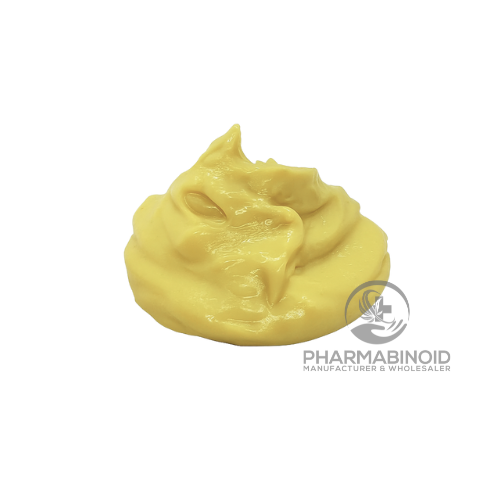
CBD Cosmetics Wholesale Buyer Guide CBD Cosmetics is the canonical commercial collection...
-
CBD Distillate Wholesale
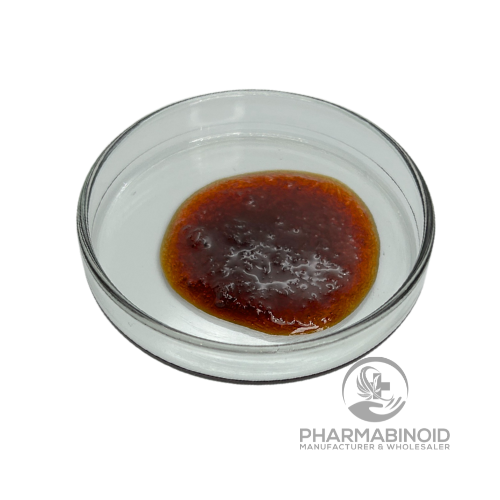
CBD Distillate Wholesale for European BuyersCompare CBD distillates for professional formulation, private-label...


Blog posts
View all-
CBD Distillate vs. CBD Isolate: Key Differences...
CBD distillate vs. CBD isolate is primarily a question of composition, purity targets, formulation behavior, and compliance strategy. Both are refined, hemp-derived CBD ingredients, but they are not interchangeable. CBD...
CBD Distillate vs. CBD Isolate: Key Differences...
CBD distillate vs. CBD isolate is primarily a question of composition, purity targets, formulation behavior, and compliance strategy. Both are refined, hemp-derived CBD ingredients, but they are not interchangeable. CBD...
-
CBD Distillate vs. CBD Isolate: Differences, Ap...
CBD distillate vs. CBD isolate is an important comparison for brands, formulators, and buyers working with hemp-derived ingredients. Both materials can be rich in cannabidiol, but they differ in composition,...
CBD Distillate vs. CBD Isolate: Differences, Ap...
CBD distillate vs. CBD isolate is an important comparison for brands, formulators, and buyers working with hemp-derived ingredients. Both materials can be rich in cannabidiol, but they differ in composition,...
-
CBD Distillate vs. CBD Isolate: Key Differences...
CBD distillate vs. CBD isolate is a common comparison for brands, formulators, and buyers working with hemp-derived ingredients. Both can be high-quality CBD sources, but they differ in formulation behavior,...
CBD Distillate vs. CBD Isolate: Key Differences...
CBD distillate vs. CBD isolate is a common comparison for brands, formulators, and buyers working with hemp-derived ingredients. Both can be high-quality CBD sources, but they differ in formulation behavior,...
