What Is Caryophyllene?
Caryophyllene is a family name commonly used for related sesquiterpene compounds found in essential oils and some plant profiles. In cannabinoid discussions, the name often refers specifically to beta-caryophyllene (β-caryophyllene), a plant-derived terpene that has also been studied for its interaction with the CB2 receptor. Distinguishing the specific compound matters when reading research, comparing analytical results or assessing an ingredient.
Definition of Caryophyllene
Caryophyllene is a sesquiterpene hydrocarbon; beta-caryophyllene is one prominent isomer. Caryophyllene oxide is a chemically distinct oxidation product and should not be treated as identical to beta-caryophyllene. Product specifications and research reports should identify the exact compound and, where relevant, its isomer or oxidation state.
What Is Caryophyllene?
Beta-caryophyllene occurs in the volatile oils of a range of plants, including culinary herbs and spices, and can appear in cannabis terpene profiles. Its aroma is often described as woody, peppery or spicy, although perceived notes depend on concentration and the other volatile compounds present. A plant’s aroma is not a reliable substitute for chemical analysis, and the presence or amount of caryophyllene varies by source, cultivar, growing conditions, harvest and processing.
The term is sometimes used loosely in product descriptions. For technical or procurement purposes, check whether a label refers to beta-caryophyllene, another caryophyllene isomer, caryophyllene oxide or a broader terpene blend. These are not interchangeable names for one material.
Scientific Background of Caryophyllene
Beta-caryophyllene is a bicyclic sesquiterpene with the molecular formula C15H24. A landmark preclinical study reported selective binding of beta-caryophyllene to the CB2 cannabinoid receptor. This has led researchers to describe it as a dietary phytocannabinoid in scientific literature. That classification reflects a specific research context; it does not make beta-caryophyllene equivalent to CBD or THC, establish a human health benefit, or demonstrate that a finished product has a particular effect.
Research findings must be interpreted by study type. Receptor assays and animal studies can help develop hypotheses, but they do not alone demonstrate clinical outcomes in people. Reviews also emphasize the need to distinguish the evidence for individual terpenes from broader claims about combinations of cannabinoids and terpenes. Avoid turning preliminary or preclinical findings into therapeutic product claims.
Key Characteristics of Caryophyllene
- Compound class: Beta-caryophyllene is a volatile sesquiterpene; caryophyllene oxide is a distinct related compound.
- Plant occurrence: It is reported in essential oils from several plants and may contribute to the terpene profile of cannabis materials.
- Analytical identity: A fit-for-purpose method and clear reference standard help distinguish the target compound from related substances.
- Formulation behaviour: As a lipophilic volatile, its retention and stability may depend on matrix, processing, packaging, light, temperature and storage time.
- Evidence limits: Mechanistic and preclinical findings do not by themselves establish efficacy, safety for every use or regulatory authorization.
Uses and Industry Applications
In ingredient development and quality work, caryophyllene may be considered as part of a defined terpene profile, aromatic composition or research material. Buyers and formulators should specify the exact identity, assay method, purity or profile criteria, batch traceability, storage requirements and relevant safety documentation. For botanical extracts and blends, ask for analytical evidence that matches the material and intended application rather than relying only on a general aroma description or a single headline percentage.
Extraction and downstream processing can change volatile profiles. A material’s composition should therefore be tested after relevant processing steps and, when stability matters, under representative storage conditions. A certificate of analysis is useful only when its sample identity, method, batch reference and reported analytes are clear.
Related Cannabinoids, Terpenes, and Research
For broader context, explore Pharmabinoid’s cannabinoid research hub and its research on cannabinoid product profiles, testing and formulation. Peer-reviewed background on beta-caryophyllene and CB2 receptor research is available through PubMed.
FAQ About Caryophyllene
Is caryophyllene a cannabinoid or a terpene?
Beta-caryophyllene is chemically a terpene, specifically a sesquiterpene. Some scientific literature also calls it a dietary phytocannabinoid because of reported CB2 receptor interaction. The terminology should be read in context and does not imply that it is the same type of compound as CBD or THC.
Are beta-caryophyllene and caryophyllene oxide the same?
No. They are related but chemically distinct compounds. A specification or study should name the exact substance being measured.
Does the presence of caryophyllene prove a product has a health effect?
No. Detecting a compound or observing activity in a laboratory model does not establish a health outcome for a finished product. Claims require appropriate evidence and must comply with the rules for the product category and market.
Conclusion
Caryophyllene is best understood by identifying the exact compound, distinguishing beta-caryophyllene from related forms, and interpreting research within its limits. For ingredient evaluation, prioritize transparent specifications, suitable analytical testing, traceability and formulation-specific stability evidence rather than inferring properties from a name or aroma alone.
Free Sample
Discover the benefits of our products firsthand by visiting our website to obtain your exclusive TryPharma code. When you place an order using this special code, not only will you secure your desired products, but we will also include a complimentary sample with each purchase. This opportunity allows you to experience the quality of our offerings before you commit to the main shipment. Our goal is to ensure that you are completely satisfied with your selection, and this process provides a risk-free way to explore our extensive range of products. Contact us today to get started and take the first step towards a rewarding experience with our premium offerings.

Shipping Insurance
When you purchase bulk CBD isolates, oils, and other products from us, your shipment is fully insured by us at no additional cost to you. We utilize reputable shipping companies like FedEx and UPS for transportation, while managing the insurance coverage ourselves to secure every shipment from our warehouse to your doorstep. At TryPharma, we are committed to fostering business growth by offering a risk-free wholesale service. In the unlikely event of a shipping issue, we guarantee a refund within five business days from the date the incident is confirmed. Our comprehensive approach effectively eliminates 99.9% of all potential risks associated with bulk CBD shipping, ensuring your complete peace of mind.

30 Day Return
We invite you to test the complimentary sample included with your order before opening the main shipment. If the quality does not meet your expectations, you can benefit from our 30-day return policy. This policy permits you to return the product within 30 days for a full refund, guaranteeing your complete satisfaction. Contact us today to explore our exceptional range of products and experience our dedicated customer service.
Cannabinoid Isolates
-
CBD Isolate - Cannabidiol
Regular price From €24.99 to €369.99Regular priceUnit price / per€0.00Sale price €24.99 -
CBG - Cannabigerol
Regular price From €49.99 to €799.99Regular priceUnit price / per€0.00Sale price €49.99 -
CBN - Cannabinol
Regular price From €79.99 to €1,299.99Regular priceUnit price / per€0.00Sale price €79.99 -
CBC - Cannabichromene
Regular price From €99.99 to €1,999.99Regular priceUnit price / per€0.00Sale price €99.99 -
CBDV - Cannabidivarin
Regular price From €13.99 to €3,149.99Regular priceUnit price / per€0.00Sale price €13.99 -
Cannabicitran Isolate - CBT
Regular price From €49.99 to €4,349.99Regular priceUnit price / per€0.00Sale price €49.99 -
CBDA Isolate - Cannabidiolic Acid
Regular price From €49.99 to €1,499.99Regular priceUnit price / per€0.00Sale price €49.99 -
Cannabigerolic Acid - CBGA
Regular price From €59.99 to €1,749.99Regular priceUnit price / per€0.00Sale price €59.99
Collections
-
PPB - Pharmabinoid's Psychoactive Blends
PPB Psychoactive Blends for Professional Buyers Explore Pharmabinoid's PPB collection of psychoactive...
-
CBD Oil Wholesale Europe
CBD Oil Wholesale Europe for Brands and ManufacturersSource CBD oil wholesale in...
-
CBD Cosmetics
CBD Cosmetics Wholesale Buyer Guide CBD Cosmetics is the canonical commercial collection...
-
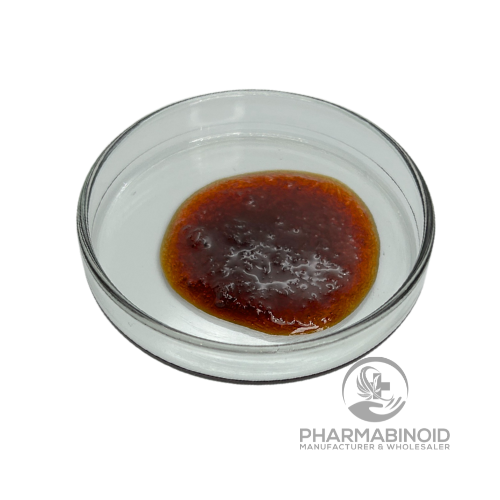
CBD Distillate Wholesale
CBD Distillate Wholesale for European BuyersCompare CBD distillates for professional formulation, private-label...
Blog posts
View all-
CBD Distillate vs. CBD Isolate: Key Differences...
CBD distillate vs. CBD isolate is primarily a question of composition, purity targets, formulation behavior, and compliance strategy. Both are refined, hemp-derived CBD ingredients, but they are not interchangeable. CBD...
CBD Distillate vs. CBD Isolate: Key Differences...
CBD distillate vs. CBD isolate is primarily a question of composition, purity targets, formulation behavior, and compliance strategy. Both are refined, hemp-derived CBD ingredients, but they are not interchangeable. CBD...
-
CBD Distillate vs. CBD Isolate: Differences, Ap...
CBD distillate vs. CBD isolate is an important comparison for brands, formulators, and buyers working with hemp-derived ingredients. Both materials can be rich in cannabidiol, but they differ in composition,...
CBD Distillate vs. CBD Isolate: Differences, Ap...
CBD distillate vs. CBD isolate is an important comparison for brands, formulators, and buyers working with hemp-derived ingredients. Both materials can be rich in cannabidiol, but they differ in composition,...
-
CBD Distillate vs. CBD Isolate: Key Differences...
CBD distillate vs. CBD isolate is a common comparison for brands, formulators, and buyers working with hemp-derived ingredients. Both can be high-quality CBD sources, but they differ in formulation behavior,...
CBD Distillate vs. CBD Isolate: Key Differences...
CBD distillate vs. CBD isolate is a common comparison for brands, formulators, and buyers working with hemp-derived ingredients. Both can be high-quality CBD sources, but they differ in formulation behavior,...