CBDP Research and Studies
CBDP research should be interpreted as an evidence-review exercise, not as a shortcut to finished-product claims. For professional buyers, the most useful questions concern compound identity, analytical evidence, formulation context, research limitations and the difference between a scientific observation and a marketable statement.
What CBDP research can and cannot establish
Cannabidiphorol is a minor cannabinoid that may appear in specialist research and product-development discussions. The available evidence should be assessed carefully because the depth, quality and human relevance of research can vary. A page about CBDP Studies should therefore distinguish confirmed analytical facts from early or indirect findings.
Research may help a team frame questions about chemistry, cannabinoid profiles, receptor interactions or formulation behaviour. It does not automatically demonstrate a benefit, safety profile or legal route for every finished product.
How to interpret current evidence
- Identity: Verify CBDP using appropriate analytical methods and a batch-specific COA.
- Evidence level: Separate chemical identification, laboratory research, preclinical work and human evidence.
- Product context: Consider whether findings relate to an isolated compound, an extract, a formulation or a different test system.
- Claim discipline: Use factual, proportionate language and avoid treatment, prevention or guaranteed-effect claims.
Research limitations
CBDP research may be limited by small datasets, different analytical methods, laboratory-only models, incomplete pharmacokinetic information or a lack of well-controlled human studies. These limitations matter when translating research into labels, sales materials or product-development decisions.
Research should also be kept separate from regulatory assessment. A scientific publication does not by itself confirm that a specific CBDP ingredient or finished product is authorised for a particular market or category.
Industrial and formulation relevance
For manufacturers and formulators, the practical value of CBDP research is better question-setting. Teams can use it to decide what identity evidence, purity data, stability information, compatibility testing and documentation should be requested before a sample is approved.
Where the product route involves an isolate, review the CBDP isolate together with its specification and batch documentation. For commercial sourcing, use the CBDP Products collection to compare the available route without turning research language into a sales claim.
Testing, quality and compliance considerations
A responsible CBDP review should consider cannabinoid identity, potency, purity, residual solvents where relevant, pesticides, heavy metals, microbiological parameters and storage conditions. The exact testing package depends on the material, production method, intended use and destination market.
Buyers should retain the relevant COA and technical documents for the exact batch under review. They should also confirm local requirements, import conditions, finished-product rules and customer-facing wording before launch.
Related CBDP terminology
For a concise definition, see what is cannabidiphorol. For broader context, consult the cannabinoid research hub.
FAQ About CBDP Studies
Is CBDP research conclusive?
No. The evidence should be assessed according to study type, analytical quality, relevance to the product and the availability of human data. Research remains limited in several important areas.
Can CBDP research be used as a product claim?
Not automatically. Scientific information must be interpreted in context and reviewed against the applicable rules for the product category and destination market.
What should buyers request before sourcing CBDP?
Request clear identity information, a batch-specific COA, technical specifications, storage guidance and any additional documentation required for the intended formulation and market route.
Conclusion
CBDP Studies are most useful when they improve evidence-based sourcing and formulation decisions. Keep research, product documentation and regulatory review connected, but do not treat early or limited findings as proof of a finished-product outcome.
Pharmabinoid
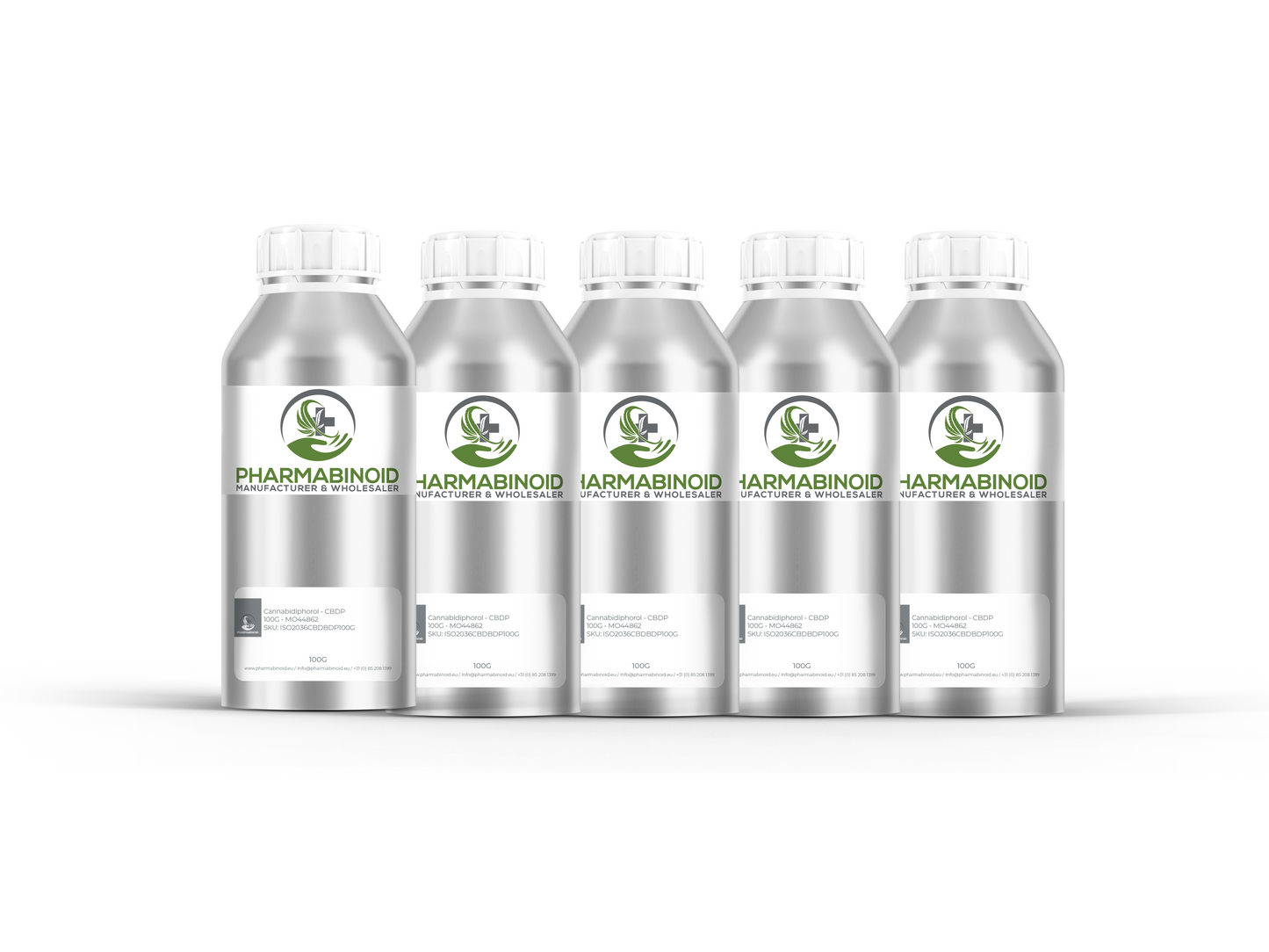
CBDP - Cannabidiphorol
Share
SKU:ISO2036CBDBDP1G

Free Sample
Discover the benefits of our products firsthand by visiting our website to obtain your exclusive TryPharma code. When you place an order using this special code, not only will you secure your desired products, but we will also include a complimentary sample with each purchase. This opportunity allows you to experience the quality of our offerings before you commit to the main shipment. Our goal is to ensure that you are completely satisfied with your selection, and this process provides a risk-free way to explore our extensive range of products. Contact us today to get started and take the first step towards a rewarding experience with our premium offerings.

Shipping Insurance
When you purchase bulk CBD isolates, oils, and other products from us, your shipment is fully insured by us at no additional cost to you. We utilize reputable shipping companies like FedEx and UPS for transportation, while managing the insurance coverage ourselves to secure every shipment from our warehouse to your doorstep. At TryPharma, we are committed to fostering business growth by offering a risk-free wholesale service. In the unlikely event of a shipping issue, we guarantee a refund within five business days from the date the incident is confirmed. Our comprehensive approach effectively eliminates 99.9% of all potential risks associated with bulk CBD shipping, ensuring your complete peace of mind.

30 Day Return
We invite you to test the complimentary sample included with your order before opening the main shipment. If the quality does not meet your expectations, you can benefit from our 30-day return policy. This policy permits you to return the product within 30 days for a full refund, guaranteeing your complete satisfaction. Contact us today to explore our exceptional range of products and experience our dedicated customer service.
Blog posts
View all-
Risks of Myrcene: What the Safety Evidence Shows
A balanced review of myrcene safety evidence, including animal toxicology, exposure routes, human-data limitations and practical considerations for handling concentrated materials.
Risks of Myrcene: What the Safety Evidence Shows
A balanced review of myrcene safety evidence, including animal toxicology, exposure routes, human-data limitations and practical considerations for handling concentrated materials.
-
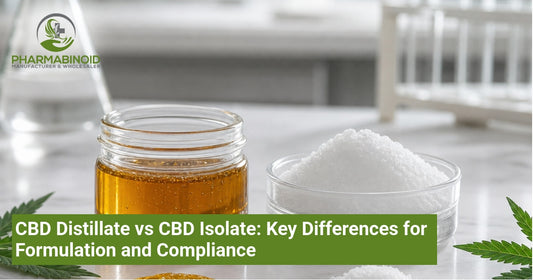
CBD Distillate vs. CBD Isolate: Key Differences...
CBD distillate vs. CBD isolate is primarily a question of composition, purity targets, formulation behavior, and compliance strategy. Both are refined, hemp-derived CBD ingredients, but they are not interchangeable. CBD...
CBD Distillate vs. CBD Isolate: Key Differences...
CBD distillate vs. CBD isolate is primarily a question of composition, purity targets, formulation behavior, and compliance strategy. Both are refined, hemp-derived CBD ingredients, but they are not interchangeable. CBD...
-
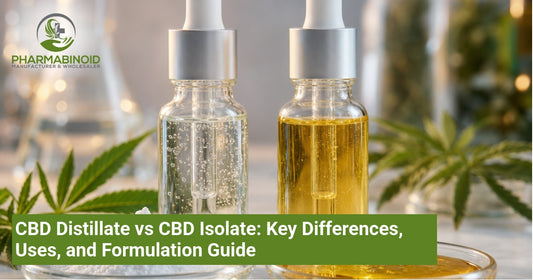
CBD Distillate vs. CBD Isolate: Differences, Ap...
CBD distillate vs. CBD isolate is an important comparison for brands, formulators, and buyers working with hemp-derived ingredients. Both materials can be rich in cannabidiol, but they differ in composition,...
CBD Distillate vs. CBD Isolate: Differences, Ap...
CBD distillate vs. CBD isolate is an important comparison for brands, formulators, and buyers working with hemp-derived ingredients. Both materials can be rich in cannabidiol, but they differ in composition,...