
Psychoactive Extracts Studies

Kostenloses Probe
Entdecken Sie die Vorteile unserer Produkte aus erster Hand, indem Sie unsere Website besuchen, um Ihren exklusiven TryPharma-Code zu erhalten. Wenn Sie mit diesem speziellen Code eine Bestellung aufgeben, sichern Sie sich nicht nur Ihre gewünschten Produkte, sondern wir legen jeder Bestellung auch ein kostenloses Probe bei. Diese Möglichkeit erlaubt es Ihnen, die Qualität unserer Angebote zu erleben, bevor Sie sich für die Hauptlieferung entscheiden. Unser Ziel ist es, sicherzustellen, dass Sie mit Ihrer Auswahl vollkommen zufrieden sind, und dieser Prozess bietet Ihnen eine risikofreie Möglichkeit, unser umfangreiches Produktsortiment kennenzulernen. Kontaktieren Sie uns noch heute, um loszulegen und den ersten Schritt zu einer lohnenden Erfahrung mit unseren Premium-Angeboten zu machen.

Transportversicherung
Wenn Sie bei uns CBD-Isolate, Öle und andere Produkte in großen Mengen kaufen, ist Ihre Sendung für Sie ohne zusätzliche Kosten vollständig durch uns versichert. Wir nutzen renommierte Versandunternehmen wie FedEx und UPS für den Transport, während wir die Versicherungsdeckung selbst verwalten, um jede Sendung von unserem Lager bis zu Ihrer Haustür abzusichern. Bei TryPharma setzen wir uns dafür ein, das Geschäftswachstum zu fördern, indem wir einen risikofreien Großhandelsservice anbieten. Im unwahrscheinlichen Fall eines Versandproblems garantieren wir eine Rückerstattung innerhalb von fünf Werktagen ab dem Datum, an dem der Vorfall bestätigt wird. Unser umfassender Ansatz eliminiert effektiv 99,9 % aller potenziellen Risiken im Zusammenhang mit dem Versand von CBD in großen Mengen und sorgt so für Ihre vollkommene Sicherheit.

30 Tage Rückgaberecht
Wir laden Sie ein, das kostenlose Probe, das Ihrer Bestellung beiliegt, zu testen, bevor Sie die Hauptsendung öffnen. Wenn die Qualität nicht Ihren Erwartungen entspricht, können Sie von unserem 30-tägigen Rückgaberecht profitieren. Diese Regelung erlaubt es Ihnen, das Produkt innerhalb von 30 Tagen gegen eine vollständige Rückerstattung zurückzugeben und garantiert so Ihre volle Zufriedenheit. Kontaktieren Sie uns noch heute, um unser außergewöhnliches Produktsortiment zu entdecken und unseren engagierten Kundenservice zu erleben.
Cannabinoid-Isolate
-
CBD Isolat – Cannabidiol
Regulärer Preis From €24.99 to €369.99Regulärer PreisGrundpreis pro€0.00Angebotspreis €24.99 -
CBG – Cannabigerol
Regulärer Preis From €49.99 to €799.99Regulärer PreisGrundpreis pro€0.00Angebotspreis €49.99 -
CBN - Cannabinol
Regulärer Preis From €79.99 to €1,299.99Regulärer PreisGrundpreis pro€0.00Angebotspreis €79.99 -
CBC – Cannabichromen
Regulärer Preis From €99.99 to €1,999.99Regulärer PreisGrundpreis pro€0.00Angebotspreis €99.99 -
CBDV – Cannabidivarin
Regulärer Preis From €13.99 to €3,149.99Regulärer PreisGrundpreis pro€0.00Angebotspreis €13.99 -
Cannabicitran Isolat - CBT
Regulärer Preis From €49.99 to €4,349.99Regulärer PreisGrundpreis pro€0.00Angebotspreis €49.99 -
CBDA-Isolat – Cannabidiolsäure
Regulärer Preis From €49.99 to €1,499.99Regulärer PreisGrundpreis pro€0.00Angebotspreis €49.99 -
Cannabigerolsäure - CBGA
Regulärer Preis From €59.99 to €1,749.99Regulärer PreisGrundpreis pro€0.00Angebotspreis €59.99


Kollektionen
-

PPB - Psychoaktive Mischungen von Pharmabinoid
PPB-Psychoaktive Mischungen für professionelle KäuferEntdecken Sie die PPB-Kollektion von Pharmabinoid: psychoaktive Mischungen...
-
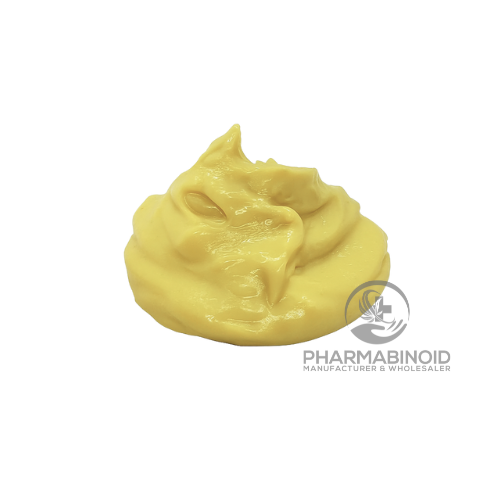
CBD-Kosmetik
CBD-Kosmetik: Leitfaden für GroßhandelskäuferCBD-Kosmetik ist die zentrale kommerzielle Kollektion für Marken, Hersteller...
-
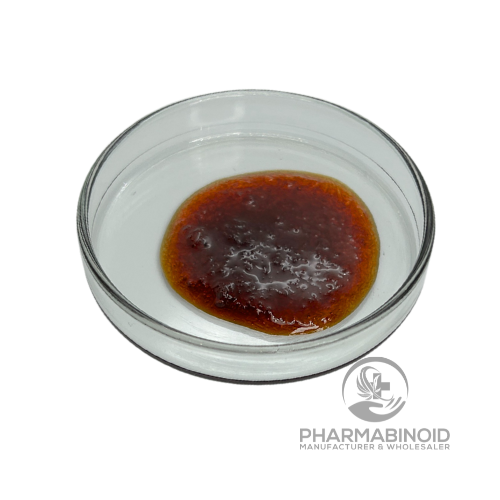
CBD-Destillate im Großhandel
CBD-Destillate im Großhandel für europäische KäuferVergleichen Sie CBD-Destillate für professionelle Formulierungen, Private-Label-...


Blogbeiträge
Alle anzeigen-
CBD-Destillat vs. CBD-Isolat: Die wichtigsten U...
CBD-Destillat vs. CBD-Isolat ist vor allem eine Frage der Zusammensetzung, des angestrebten Reinheitsgrads, des Formulierungsverhaltens und der Compliance-Strategie. Beide sind veredelte, aus Hanf gewonnene CBD-Zutaten, aber sie sind nicht austauschbar....
-
CBD-Destillat vs. CBD-Isolat: Unterschiede, Anw...
CBD-Destillat vs. CBD-Isolat ist ein wichtiger Vergleich für Marken, Formulierer und Käufer, die mit aus Hanf gewonnenen Zutaten arbeiten. Beide Materialien können reich an Cannabidiol sein, unterscheiden sich jedoch in...
CBD-Destillat vs. CBD-Isolat: Unterschiede, Anw...
CBD-Destillat vs. CBD-Isolat ist ein wichtiger Vergleich für Marken, Formulierer und Käufer, die mit aus Hanf gewonnenen Zutaten arbeiten. Beide Materialien können reich an Cannabidiol sein, unterscheiden sich jedoch in...
-
CBD-Destillat vs. CBD-Isolat: Die wichtigsten U...
CBD-Destillat vs. CBD-Isolat ist ein häufiger Vergleich für Marken, Formulierer und Käufer, die mit aus Hanf gewonnenen Zutaten arbeiten. Beide können hochwertige CBD-Quellen sein, unterscheiden sich jedoch bei Formulierungsverhalten, Prüfung,...
CBD-Destillat vs. CBD-Isolat: Die wichtigsten U...
CBD-Destillat vs. CBD-Isolat ist ein häufiger Vergleich für Marken, Formulierer und Käufer, die mit aus Hanf gewonnenen Zutaten arbeiten. Beide können hochwertige CBD-Quellen sein, unterscheiden sich jedoch bei Formulierungsverhalten, Prüfung,...
