Studien zu CBD-Paste untersuchen, wie sich konzentrierte Hanfextrakte chemisch, pharmakologisch und industriell verhalten, wenn sie als dichte, harzreiche Formulierungen vorliegen. Im Gegensatz zu isoliertem Cannabidiol kann CBD-Paste ein breiteres Cannabinoidprofil, Wachse, Lipide, Flavonoide und je nach Extraktions- und Nachverarbeitungsmethoden manchmal auch Terpene enthalten. Für Forschende, Formulierer und B2B-Cannabinoidunternehmen ist das Verständnis der Forschung zu CBD-Paste wichtig, weil Pastenprodukte hinsichtlich Zusammensetzung, Reinheit, Stabilität, sensorischer Eigenschaften und regulatorischer Eignung erheblich variieren können.
Was ist CBD-Paste?
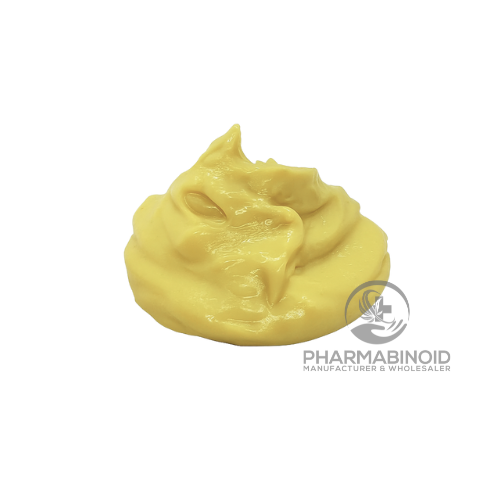
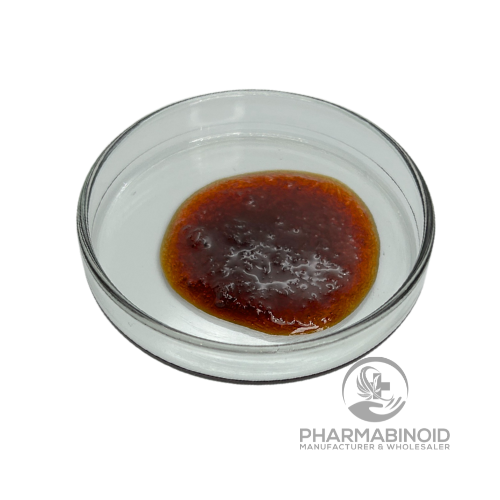
CBD-Paste ist ein konzentrierter, aus Hanf gewonnener Extrakt, der typischerweise als dickes, halbfestes Material formuliert wird. Sie wird üblicherweise aus Cannabis-sativa-L.-Biomasse durch Extraktionsmethoden wie überkritische CO2-Extraktion, Ethanolextraktion oder Kohlenwasserstoffextraktion hergestellt, gefolgt von Raffinationsschritten, die Winterisierung, Filtration, Decarboxylierung, Destillation oder das Mischen mit Trägerstoffen umfassen können.
Der Begriff „CBD-Paste“ beschreibt kein einheitlich standardisiertes Material. Einige Pasten sind Breitspektrum, was bedeutet, dass sie CBD und ausgewählte geringfügige Cannabinoide ohne nachweisbares THC enthalten. Andere sind Vollspektrum, was bedeutet, dass sie innerhalb der Grenzen der geltenden Vorschriften ein breiteres Spektrum natürlich vorkommender Hanfbestandteile enthalten können. Diese Unterscheidung ist zentral für die Forschung zu Vollspektrum-Pasten, da das chemische Profil das Formulierungsverhalten, analytische Ergebnisse, sensorische Merkmale und die Compliance-Dokumentation beeinflussen kann.
Im industriellen Umfeld wird CBD-Paste häufig als Zwischenprodukt oder fertiges Bulk-Material bewertet. Die CBD-Paste-Kollektion von Pharmabinoid ist für Formulierer und Hersteller relevant, die konzentrierte Hanfextraktformate für regelkonforme B2B-Anwendungen bewerten.
Aktuelles wissenschaftliches Verständnis von Studien zu CBD-Paste
Aktuelle Studien zu CBD-Paste lassen sich am besten als Teil der breiteren wissenschaftlichen Literatur zu Cannabidiol, Hanfextrakten und cannabinoidreichen Formulierungen verstehen. Die meiste veröffentlichte Forschung konzentriert sich auf gereinigtes CBD, Cannabisextrakte, analytische Chemie, Pharmakokinetik oder Sicherheitsbewertung und nicht auf CBD-Paste als eine einzelne standardisierte Produktkategorie. Das bedeutet, dass Erkenntnisse aus Studien zu CBD-Extrakten die Bewertung von Pasten informieren können, sie jedoch nicht ohne Prüfung der Zusammensetzung automatisch auf jedes Pastenmaterial angewendet werden sollten.
Das wissenschaftliche Interesse an CBD ist gewachsen, weil Cannabidiol im Vergleich zu berauschenden Cannabinoiden wie Delta-9-THC ein eigenes pharmakologisches Profil hat. Das Vorhandensein von CBD in einer Paste definiert jedoch für sich genommen noch nicht die Relevanz des Produkts für die Forschung. Das vollständige Cannabinoidprofil, das Terpenprofil, der Status von Restlösungsmitteln, die mikrobielle Qualität, das Screening auf Schwermetalle, Pestizidtests und die Konsistenz von Charge zu Charge sind allesamt wesentlich, um Studien zu Hanfpaste verantwortungsvoll zu interpretieren.
Forschende unterscheiden häufig zwischen isoliertem CBD und komplexen Hanfextrakten. Isoliertes CBD ermöglicht eine klarere Untersuchung eines einzelnen Moleküls, während Vollspektrum- oder Breitspektrum-Pasten zusätzliche Variablen einführen. Zu diesen Variablen können Cannabigerol (CBG), Cannabinol (CBN), Cannabichromen (CBC), saure Cannabinoide wie CBDA und flüchtige Terpene gehören, sofern sie während der Verarbeitung erhalten bleiben. Die wissenschaftliche Herausforderung besteht darin, dass sich komplexe Extrakte anders verhalten können als gereinigte Verbindungen, die Evidenzbasis jedoch uneinheitlich bleibt und stark von der Produktcharakterisierung abhängt.
Pharmakologie und Wirkmechanismus
Die Pharmakologie von CBD ist komplex und lässt sich nicht auf ein einzelnes Rezeptorziel reduzieren. Im Gegensatz zu THC weist CBD nur eine geringe direkte Affinität zum klassischen CB1-Rezeptor auf, der mit der berauschenden Cannabinoid-Aktivität verbunden ist. Veröffentlichte Forschung hat CBD im Zusammenhang mit mehreren molekularen Signalwegen untersucht, darunter die indirekte Modulation des Endocannabinoid-Systems, die Interaktion mit Enzymen, die am Endocannabinoid-Stoffwechsel beteiligt sind, Kanäle des transienten Rezeptorpotenzials, die Signalübertragung von Serotoninrezeptoren sowie andere Nicht-Cannabinoid-Ziele. Ein nützlicher Ausgangspunkt für die weiterführende Literatur ist die in PubMed indexierte Literatur zur Pharmakologie von Cannabidiol.
Speziell bei CBD-Paste muss die Pharmakologie im Kontext der Formulierung interpretiert werden. Eine Paste ist nicht nur ein Cannabinoid-Molekül; sie ist eine Matrix. Lipide, Wachse, Trägeröle, Emulgatoren und verbleibende Pflanzenstoffe können die Verteilung, Stabilität und potenzielle Bioverfügbarkeit beeinflussen. Orale und mukosale Darreichungsformen können sich im Absorptionsverhalten unterscheiden, und das endgültige Produktdesign kann beeinflussen, wie konsistent Cannabinoide in einem Forschungs- oder Herstellungskontext abgegeben werden.
Terpene sind ebenfalls relevant, sofern sie erhalten bleiben. Verbindungen wie Beta-Caryophyllen, Myrcen, Limonen, Pinen und Linalool werden in der Cannabis-Chemie häufig diskutiert, obwohl die Terpengehalte in CBD-Paste stark von der Extraktionstemperatur, der Nachverarbeitung, der Lagerung und davon abhängen, ob Terpene wieder zugeführt werden. Aussagen über Synergie sollten vorsichtig getroffen werden: Obwohl Wechselwirkungen zwischen Cannabinoiden und Terpenen in der Forschung aktiv diskutiert werden, bleiben viele vorgeschlagene Mechanismen in kontrollierten Studien am Menschen unzureichend bestätigt.
Zentrale Forschungsbereiche
-
Cannabinoid-Profil und Standardisierung: Die Forschung zu CBD-Paste beginnt häufig mit der Quantifizierung von CBD, CBDA, THC, THCA, CBG, CBC, CBN und anderen minoren Cannabinoiden. Die Standardisierung ist wesentlich, da zwei Produkte, die beide als CBD-Paste beschrieben werden, sehr unterschiedliche chemische Zusammensetzungen aufweisen können.
-
Vollspektrum-Paste-Forschung: Vollspektrum-Materialien werden aufgrund ihres komplexen phytochemischen Profils untersucht, doch die Interpretation erfordert Vorsicht. Das Vorhandensein mehrerer Cannabinoide und Terpene kann die analytische Komplexität erhöhen und macht es schwieriger, Ergebnisse einem einzelnen Bestandteil zuzuordnen.
-
Bioverfügbarkeit und Formulierungsverhalten: Cannabinoide sind lipophil, das heißt, sie lösen sich nicht leicht in Wasser. Forschende und Formulierende untersuchen Trägeröle, Emulgierung, Partikelgröße und Matrixzusammensetzung, um zu verstehen, wie sich pastebasierte Produkte in Endformulierungen verhalten.
-
Stabilität und Abbau: CBD-Paste kann durch Licht, Sauerstoff, Hitze und Zeit beeinflusst werden. Stabilitätsstudien können die Umwandlung von Cannabinoiden, den Verlust von Terpenen, Oxidation, Viskositätsänderungen und mikrobielles Risiko unter verschiedenen Lagerbedingungen überwachen.
-
Entwicklung analytischer Methoden: Studien zu Hanfpaste erfordern validierte Testmethoden, da dichte Extrakte anspruchsvolle Matrizes sein können. Hochleistungsflüssigkeitschromatographie wird üblicherweise zur Quantifizierung von Cannabinoiden verwendet, während Gaschromatographie für die Analyse von Restlösungsmitteln oder Terpenen eingesetzt werden kann.
Forschungsgrenzen
Die wichtigste Einschränkung bei Studien zu CBD-Paste ist das Fehlen einer Produktstandardisierung. „CBD-Paste“ kann sich auf einen Rohextrakt, einen raffinierten Extrakt, eine decarboxylierte Paste, Vollspektrum-Paste, Breitspektrum-Paste oder eine gemischte Formulierung beziehen. Ohne detaillierte Analysezertifikate und Herstellungsinformationen ist es schwierig, Ergebnisse zwischen Studien zu vergleichen.
Eine weitere Einschränkung besteht darin, dass ein großer Teil der breiteren CBD-Literatur gereinigtes Cannabidiol anstelle komplexer Hanfpaste verwendet. Erkenntnisse zu gereinigtem CBD können helfen, bestimmte molekulare Mechanismen zu erklären, erfassen jedoch nicht vollständig das Verhalten eines Extrakts mit mehreren Bestandteilen. Umgekehrt können Studien mit Cannabisextrakten Verbindungen oder Konzentrationen einschließen, die für konforme europäische CBD-Pastenmaterialien nicht repräsentativ sind.
Auch die Forschung am Menschen ist begrenzter, als allgemeine Suchergebnisse oft vermuten lassen. Präklinische Studien, In-vitro-Assays, Tierdaten und Arbeiten zur analytischen Chemie sind wertvoll, können jedoch nicht als direkter Nachweis von Ergebnissen beim Menschen angesehen werden. Verantwortungsvolle Studien zu CBD-Extrakten sollten chemische Belege, mechanistische Hypothesen, Sicherheitsbeobachtungen und kontrollierte Humandaten klar voneinander trennen.
Industrielle und formulierungstechnische Relevanz
Für Hersteller, Lieferanten und Formulierungsteams ist die Forschung zu CBD-Paste äußerst praxisrelevant. Pastenmaterialien können als konzentrierte Cannabinoid-Eingangsstoffe für Öle, Kapseln, Kosmetika, technische Mischungen und andere Wege der Produktentwicklung verwendet werden, sofern dies zulässig ist. Ihre hohe Cannabinoidkonzentration kann Transport und Lagerung effizient machen, erhöht jedoch auch die Bedeutung einer genauen Homogenisierung und Chargendokumentation.
Formulierer müssen Viskosität, Cannabinoidkonzentration, Trägerkompatibilität, Geschmackseinfluss, Farbe, Oxidationsempfindlichkeit und Kristallisationsrisiko berücksichtigen. Eine Paste, die in einem Trägeröl gut funktioniert, kann sich in einem anderen anders verhalten. Ebenso kann die Zugabe einer Paste zu Emulsionen, topischen Grundlagen oder verkapselten Formaten zusätzliche Kompatibilitätstests erfordern.
Aus produktionstechnischer Sicht ist die Extraktionsmethode wichtig. Die überkritische CO2-Extraktion kann Lösungsmittelkontrolle und anpassbare Selektivität bieten, während die Ethanolextraktion weithin für eine effiziente Cannabinoidrückgewinnung verwendet wird. Entscheidungen zur Raffination beeinflussen, ob Wachse, Chlorophyll, saure Cannabinoide und Terpene in der Paste verbleiben. Diese Entscheidungen wirken sich nicht nur auf Aussehen und Handhabung aus, sondern auch darauf, wie das Material getestet und dokumentiert werden sollte.
Unternehmen, die das breitere Cannabinoidfeld erforschen, könnten auch Pharmabinoids Ressource zur Cannabinoidforschung nützlich finden, um verwandte Verbindungen und wissenschaftliche Terminologie zu verstehen.
Überlegungen zu Tests, Qualität und Compliance
CBD-Paste sollte vor der Verwendung in Forschung, Formulierung oder kommerziellen Lieferketten mittels robuster analytischer Tests bewertet werden. Ein vollständiges Analysezertifikat sollte typischerweise Cannabinoidpotenz, THC-Status, sofern zutreffend, Restlösungsmittel, Pestizide, Schwermetalle, mikrobielle Verunreinigungen, Mykotoxine und andere relevante Qualitätsparameter je nach beabsichtigter Anwendung abdecken.
Die analytische Verifizierung ist für die Forschung zu Vollspektrum-Paste besonders wichtig, da das Material niedrig konzentrierte Cannabinoide enthalten kann, die empfindliche und validierte Methoden erfordern. Labore sollten geeignete Verfahren zur Probe-Vorbereitung verwenden, um sicherzustellen, dass dichte Pastenmatrizes vor der Prüfung vollständig homogenisiert werden. Eine schlechte Homogenisierung kann zu ungenauen Potenzergebnissen und inkonsistenten nachgelagerten Formulierungen führen.
Die europäische Compliance erfordert zusätzliche Vorsicht. CBD-bezogene Produkte können je nach Produkttyp, Rechtsraum, THC-Gehalt, beabsichtigter Verwendung und regulatorischer Einstufung unterschiedlich bewertet werden. Aspekte des Novel Food sind für einnehmbare CBD-Produkte in der EU besonders relevant. Die Europäische Behörde für Lebensmittelsicherheit hat auf Datenlücken bei CBD-Novel-Food-Bewertungen hingewiesen, die über die Mitteilung der EFSA zu Cannabidiol-Novel-Food-Bewertungen eingesehen werden können.
Der regulatorische Status sollte niemals allein aus der Bezeichnung „CBD-Paste“ abgeleitet werden. Unternehmen sollten chargenspezifische Dokumentationen prüfen und qualifizierte regulatorische Beratung für ihre Zielmärkte einholen. Pharmabinoid behandelt in seinem Artikel über den rechtlichen Status von CBD in Europa auch die breitere europäische Regulierungslandschaft.
Verwandte Cannabinoide, Terpene oder Forschungsthemen
Die Forschung zu CBD-Paste ist eng mit Studien zu CBD Isolat, Breitspektrum-Extrakten, Vollspektrum-Hanfextrakten, kleineren Cannabinoiden wie CBG und CBC, sauren Cannabinoiden wie CBDA sowie terpenreichen Extraktfraktionen verbunden. Sie überschneidet sich außerdem mit Formulierungswissenschaft, analytischer Chemie, Bioverfügbarkeitsforschung, Stabilitätsprüfung und der europäischen Cannabinoid-Compliance.
Beim Vergleich von Paste mit anderen Cannabinoid-Ausgangsstoffen lauten die wissenschaftlichen Schlüsselfragen nicht nur „wie viel CBD ist vorhanden?“, sondern auch „was ist sonst noch in der Matrix, wie stabil ist es, wie reproduzierbar ist es und wie wurde es verifiziert?“ Diese Fragen sind zentral für verantwortungsvolle Studien zu Hanfpaste und für die Entwicklung zuverlässiger Cannabinoid-Lieferketten.
FAQ zu Studien über CBD-Paste
Sind Studien zu CBD-Paste dasselbe wie Studien zu CBD Isolat?
Nein. Studien zu CBD Isolat konzentrieren sich auf gereinigtes Cannabidiol, während Studien zu CBD-Paste eine komplexere Extraktmatrix betreffen. Eine Paste kann je nach Herstellungsverfahren kleinere Cannabinoide, saure Cannabinoide, Wachse, Lipide, Terpene oder andere aus Hanf gewonnene Verbindungen enthalten. Das macht einen direkten Vergleich schwierig, sofern die Paste nicht durch analytische Tests vollständig charakterisiert wurde.
Warum erfordert die Forschung zu Vollspektrum-Paste besondere Vorsicht?
Die Forschung zu Vollspektrum-Paste umfasst mehrere Bestandteile statt einer einzelnen isolierten Verbindung. Das kann das Material wissenschaftlich interessant machen, führt aber auch zu Variabilität. Forschende benötigen detaillierte Cannabinoid- und Terpenprofile, THC-Verifizierung, Kontaminanten-Screening und Daten zur Chargenkonsistenz, bevor sie aus der Forschung zu Vollspektrum-Paste Schlussfolgerungen ziehen.
Was sollte ein Analysezertifikat für CBD-Paste ausweisen?
Ein Analysezertifikat sollte die Cannabinoid-Potenz klar ausweisen und relevante Sicherheits- und Qualitätsparameter bestätigen. Je nach beabsichtigter Verwendung kann dies Restlösungsmittel, Pestizide, Schwermetalle, mikrobielle Grenzwerte, Mykotoxine und den THC-Status umfassen. Bei dichten Pastenmaterialien sind eine repräsentative Probenahme und eine ordnungsgemäße Homogenisierung für verlässliche Ergebnisse unerlässlich.
Fazit
CBD-Pastenstudien befinden sich an der Schnittstelle von Cannabinoid-Chemie, Formulierungswissenschaft, analytischer Prüfung und regulatorischer Konformität. Der aktuelle wissenschaftliche Kenntnisstand spricht für eine sorgfältige Untersuchung CBD-reicher Hanfextrakte, doch die Evidenz muss mit Präzision interpretiert werden, da sich Pastenmaterialien in Zusammensetzung und Herstellungsgeschichte stark unterscheiden. Für Forscher und B2B-Formulierer besteht der verlässlichste Ansatz darin, CBD-Paste anhand verifizierter Cannabinoid-Profile, robuster Qualitätsprüfungen, klarer Dokumentation und einer vorsichtigen Interpretation der breiteren Literatur zu CBD-Extraktstudien zu bewerten.