What is Tetrahydrocannabivarin? THCV Science & Uses
Tetrahydrocannabivarin, commonly shortened to THCV, is a naturally occurring minor cannabinoid found in cannabis and hemp plants. It matters in the cannabinoid industry because it has a distinct chemical structure, occurs only in small concentrations in most cultivars, and requires careful analytical testing, extraction, and compliance review before use in research or formulated products.
What is Tetrahydrocannabivarin?
Definition of Tetrahydrocannabivarin
Tetrahydrocannabivarin is a rare phytocannabinoid with the abbreviation THCV. In simple terms, the tetrahydrocannabivarin definition is: a naturally occurring cannabinoid structurally related to THC, but with a shorter side chain and a different pharmacological profile.
What Is Tetrahydrocannabivarin?
When people ask “what is THCV?”, they are usually trying to understand how this cannabinoid differs from better-known compounds such as cannabidiol, cannabigerol, or tetrahydrocannabinol. THCV is produced by the cannabis plant in acidic precursor form, mainly as tetrahydrocannabivarinic acid, or THCVA. Through heat, time, or controlled processing, THCVA can decarboxylate into neutral THCV.
THCV is considered a minor cannabinoid because it is usually present at low natural levels compared with CBD or THC. Some specific cannabis chemotypes, particularly certain African-origin varieties reported in scientific literature, may contain comparatively higher THCV levels, but it is still not usually abundant enough for simple bulk extraction without further purification.
THCV explained in an industry context means looking beyond a basic comparison with THC. Although the names are similar, THCV has a three-carbon propyl side chain, while THC has a five-carbon pentyl side chain. This difference may seem small, but side-chain length can influence how cannabinoids interact with cannabinoid receptors and how they behave during formulation, purification, and testing.
Scientific Background of Tetrahydrocannabivarin
THCV belongs to the “varin” cannabinoid family, which includes compounds with a propyl side chain. In the plant, varin cannabinoids are generally derived through biosynthetic routes involving divarinolic acid rather than olivetolic acid, the precursor more commonly associated with pentyl cannabinoids such as CBD and THC.
From a pharmacology perspective, THCV has been investigated for its interaction with the endocannabinoid system, particularly cannabinoid receptors CB1 and CB2. Published research suggests that THCV may behave differently depending on concentration, receptor environment, and experimental model. Some studies describe CB1 antagonistic or neutral antagonist-like behaviour at lower concentrations and different activity at higher concentrations, but research remains limited and should not be interpreted as proof of a health outcome.
For manufacturers, the scientific importance of THCV is not only receptor pharmacology. It also involves purity, stability, analytical identification, and controlled production. Because THCV can occur alongside structurally similar cannabinoids, reliable chromatography is essential. High-performance liquid chromatography is commonly used to quantify acidic and neutral cannabinoids without requiring heat-driven conversion, while additional methods such as mass spectrometry or nuclear magnetic resonance may be used for identity confirmation in advanced testing workflows.
Extraction and purification require particular care. Since THCV is typically present in low amounts, crude extracts must often undergo targeted enrichment and purification steps. Supercritical CO2 extraction, ethanol extraction, hydrocarbon extraction, distillation, crystallisation, and preparative chromatography may all be relevant depending on the biomass, regulatory setting, and intended material specification. A certificate of analysis should document cannabinoid profile, residual solvents, heavy metals, pesticides, microbiology, and other relevant quality parameters.
For further scientific context, THCV is discussed in cannabinoid research indexed on PubMed. In Europe, companies must also consider applicable food, cosmetic, chemical, and national controlled-substance frameworks, including the EU’s approach to novel foods where relevant.
Key Characteristics of Tetrahydrocannabivarin
- Minor cannabinoid status: THCV is usually found in much lower concentrations than major cannabinoids. This makes cultivar selection, biomass screening, and purification strategy important for commercial production.
- Distinct molecular structure: THCV is structurally related to THC but has a three-carbon side chain rather than a five-carbon side chain. This structural difference is one reason its receptor activity and industry applications are discussed separately from THC.
- Varin cannabinoid chemistry: THCV belongs to the propyl cannabinoid group, alongside other “varin” compounds. These cannabinoids are useful markers when evaluating plant genetics and specialised cannabinoid profiles.
- Analytical testing requirement: Because THCV may be present with THC, CBD, CBG, CBC, and acidic precursors, validated laboratory testing is essential for accurate quantification and compliance documentation.
- Formulation sensitivity: Like many cannabinoids, THCV is lipophilic, meaning it dissolves more readily in oils and lipid-based systems than in water. Formulators may evaluate carrier oils, emulsions, particle size, and stability data to support consistent finished products.
Uses and Industry Applications
THCV is mainly relevant to cannabinoid research, specialised formulation development, chemotype breeding, analytical reference work, and advanced extract manufacturing. Because it is less common than CBD or CBG, it is often used in carefully specified materials rather than broad commodity extracts.
In product development, THCV may be considered where a manufacturer wants to study a more complex cannabinoid profile or create a formulation containing rare cannabinoids. However, responsible formulation requires more than adding a trendy ingredient. Developers need to evaluate solubility, bioavailability, compatibility with other cannabinoids and terpenes, batch-to-batch consistency, sensory properties, shelf-life, and legal classification in the intended market.
THCV may also be relevant in cannabinoid profiling and plant breeding. Cultivars can be screened for THCVA and THCV concentrations to identify genetics with a stronger varin cannabinoid pathway. For extraction companies, this helps determine whether a biomass lot is commercially suitable for THCV enrichment or whether the expected yield would be too low.
In analytical laboratories, THCV requires suitable reference standards and validated methods. A strong certificate of analysis should clearly distinguish THCV from nearby chromatographic peaks and related cannabinoids. This is especially important in European supply chains, where cannabinoid specifications, THC thresholds, contaminant limits, and intended-use rules can vary by country and product category.
Related Cannabinoids, Terpenes, or Terms
Related terms include THC, CBD, CBG, CBC, CBDV, THCVA, minor cannabinoids, phytocannabinoids, cannabinoid profile, terpene profile, decarboxylation, extraction, distillation, chromatography, and certificate of analysis. THCV is often discussed alongside CBDV because both are varin cannabinoids, and alongside THC because of their structural similarity. Terpenes do not convert into THCV, but terpene profile remains important when evaluating full-spectrum or broad-spectrum botanical extracts because it contributes to aroma, formulation behaviour, and overall chemical fingerprint.
FAQ About Tetrahydrocannabivarin
What is Tetrahydrocannabivarin in simple terms?
Tetrahydrocannabivarin, or THCV, is a minor cannabinoid found naturally in cannabis and hemp. It is chemically related to THC but has a shorter side chain and a distinct research profile, so it should not be treated as simply another name for THC.
Is THCV the same as THC?
No. THCV and THC are different cannabinoids. They share some structural similarities, but THCV has a three-carbon side chain, while THC has a five-carbon side chain. This structural distinction can affect receptor interaction, analytical behaviour, and regulatory assessment.
Why is THCV considered a rare cannabinoid?
THCV is considered rare because most cannabis and hemp plants produce it only in small amounts. Higher-THCV chemotypes exist, but manufacturers still typically need targeted biomass selection, careful extraction, and advanced purification to obtain THCV-rich material.
How is THCV tested in cannabinoid products?
THCV is commonly measured using validated chromatographic methods such as HPLC. A reliable laboratory report should quantify THCV separately from THC, CBD, and other cannabinoids, and should also include relevant safety tests such as residual solvents, pesticides, heavy metals, and microbiological screening where appropriate.
Can THCV be used in formulations?
THCV can be evaluated for formulations, but its use depends on purity, legal status, intended product category, stability, solubility, and supporting documentation. Formulators should review certificates of analysis, regulatory requirements, and technical compatibility before working with THCV-containing ingredients.
Conclusion
What is Tetrahydrocannabivarin? It is a rare, naturally occurring varin cannabinoid with a distinct structure, specialised production challenges, and growing relevance in cannabinoid research and advanced formulation work. THCV is best understood through chemistry, analytical testing, controlled manufacturing, and careful regulatory review rather than through simplified claims. As the European cannabinoid industry matures, accurate THCV identification, transparent certificates of analysis, and evidence-based communication will remain essential.
TryPharma
Rufen Sie uns an oder senden Sie uns eine E-Mail für weitere Informationen
Kostenloses Probe
Entdecken Sie die Vorteile unserer Produkte aus erster Hand, indem Sie unsere Website besuchen, um Ihren exklusiven TryPharma-Code zu erhalten. Wenn Sie mit diesem speziellen Code eine Bestellung aufgeben, sichern Sie sich nicht nur Ihre gewünschten Produkte, sondern wir legen jeder Bestellung auch ein kostenloses Probe bei. Diese Möglichkeit erlaubt es Ihnen, die Qualität unserer Angebote zu erleben, bevor Sie sich für die Hauptlieferung entscheiden. Unser Ziel ist es, sicherzustellen, dass Sie mit Ihrer Auswahl vollkommen zufrieden sind, und dieser Prozess bietet Ihnen eine risikofreie Möglichkeit, unser umfangreiches Produktsortiment kennenzulernen. Kontaktieren Sie uns noch heute, um loszulegen und den ersten Schritt zu einer lohnenden Erfahrung mit unseren Premium-Angeboten zu machen.
Transportversicherung
Wenn Sie bei uns CBD-Isolate, Öle und andere Produkte in großen Mengen kaufen, ist Ihre Sendung für Sie ohne zusätzliche Kosten vollständig durch uns versichert. Wir nutzen renommierte Versandunternehmen wie FedEx und UPS für den Transport, während wir die Versicherungsdeckung selbst verwalten, um jede Sendung von unserem Lager bis zu Ihrer Haustür abzusichern. Bei TryPharma setzen wir uns dafür ein, das Geschäftswachstum zu fördern, indem wir einen risikofreien Großhandelsservice anbieten. Im unwahrscheinlichen Fall eines Versandproblems garantieren wir eine Rückerstattung innerhalb von fünf Werktagen ab dem Datum, an dem der Vorfall bestätigt wird. Unser umfassender Ansatz eliminiert effektiv 99,9 % aller potenziellen Risiken im Zusammenhang mit dem Versand von CBD in großen Mengen und sorgt so für Ihre vollkommene Sicherheit.
30 Tage Rückgaberecht
Wir laden Sie ein, das kostenlose Probe, das Ihrer Bestellung beiliegt, zu testen, bevor Sie die Hauptsendung öffnen. Wenn die Qualität nicht Ihren Erwartungen entspricht, können Sie von unserem 30-tägigen Rückgaberecht profitieren. Diese Regelung erlaubt es Ihnen, das Produkt innerhalb von 30 Tagen gegen eine vollständige Rückerstattung zurückzugeben und garantiert so Ihre volle Zufriedenheit. Kontaktieren Sie uns noch heute, um unser außergewöhnliches Produktsortiment zu entdecken und unseren engagierten Kundenservice zu erleben.
Cannabinoid-Isolate
-
CBD Isolat – Cannabidiol
Regulärer Preis From €24.99 to €369.99Regulärer PreisGrundpreis / pro€0.00Angebotspreis €24.99 -
CBG – Cannabigerol
Regulärer Preis From €49.99 to €799.99Regulärer PreisGrundpreis / pro€0.00Angebotspreis €49.99 -
CBN - Cannabinol
Regulärer Preis From €79.99 to €1,299.99Regulärer PreisGrundpreis / pro€0.00Angebotspreis €79.99 -
CBC – Cannabichromen
Regulärer Preis From €99.99 to €1,999.99Regulärer PreisGrundpreis / pro€0.00Angebotspreis €99.99 -
CBDV – Cannabidivarin
Regulärer Preis From €13.99 to €3,149.99Regulärer PreisGrundpreis / pro€0.00Angebotspreis €13.99 -
Cannabicitran Isolat - CBT
Regulärer Preis From €49.99 to €4,349.99Regulärer PreisGrundpreis / pro€0.00Angebotspreis €49.99 -
CBDA-Isolat – Cannabidiolsäure
Regulärer Preis From €49.99 to €1,499.99Regulärer PreisGrundpreis / pro€0.00Angebotspreis €49.99 -
Cannabigerolsäure - CBGA
Regulärer Preis From €59.99 to €1,749.99Regulärer PreisGrundpreis / pro€0.00Angebotspreis €59.99
Kollektionen
-
PPB - Psychoaktive Mischungen von Pharmabinoid
PPB-Psychoaktive Mischungen für professionelle KäuferEntdecken Sie die PPB-Kollektion von Pharmabinoid: psychoaktive Mischungen...
-
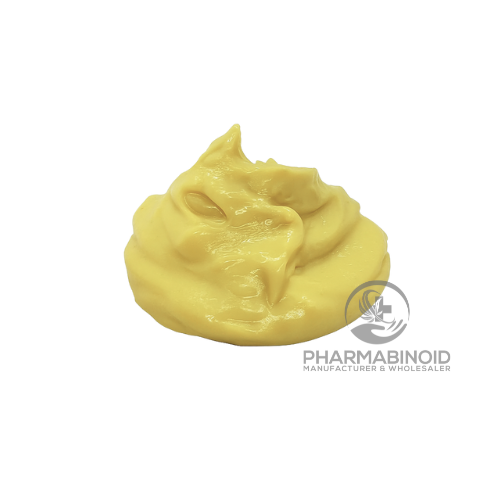
CBD-Kosmetik
CBD-Kosmetik: Leitfaden für GroßhandelskäuferCBD-Kosmetik ist die zentrale kommerzielle Kollektion für Marken, Hersteller...
-
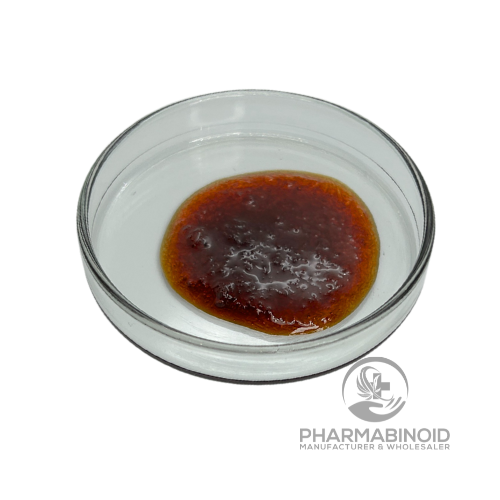
CBD-Destillate im Großhandel
CBD-Destillate im Großhandel für europäische KäuferVergleichen Sie CBD-Destillate für professionelle Formulierungen, Private-Label-...
Blogbeiträge
Alle anzeigen-
Risiken von Myrcene: Was die Sicherheitslage zeigt
Eine ausgewogene Übersicht der Sicherheitsdaten zu Myrcene, einschließlich tierexperimenteller Toxikologie, Expositionswegen, Grenzen der Humandaten und praktischer Aspekte beim Umgang mit konzentrierten Materialien.
Risiken von Myrcene: Was die Sicherheitslage zeigt
Eine ausgewogene Übersicht der Sicherheitsdaten zu Myrcene, einschließlich tierexperimenteller Toxikologie, Expositionswegen, Grenzen der Humandaten und praktischer Aspekte beim Umgang mit konzentrierten Materialien.
-
CBD-Destillat vs. CBD-Isolat: Die wichtigsten U...
CBD-Destillat vs. CBD-Isolat ist vor allem eine Frage der Zusammensetzung, des angestrebten Reinheitsgrads, des Formulierungsverhaltens und der Compliance-Strategie. Beide sind veredelte, aus Hanf gewonnene CBD-Zutaten, aber sie sind nicht austauschbar....
-
CBD-Destillat vs. CBD-Isolat: Unterschiede, Anw...
CBD-Destillat vs. CBD-Isolat ist ein wichtiger Vergleich für Marken, Formulierer und Käufer, die mit aus Hanf gewonnenen Zutaten arbeiten. Beide Materialien können reich an Cannabidiol sein, unterscheiden sich jedoch in...
CBD-Destillat vs. CBD-Isolat: Unterschiede, Anw...
CBD-Destillat vs. CBD-Isolat ist ein wichtiger Vergleich für Marken, Formulierer und Käufer, die mit aus Hanf gewonnenen Zutaten arbeiten. Beide Materialien können reich an Cannabidiol sein, unterscheiden sich jedoch in...