What is Cannabicitran? Rare CBT Cannabinoid Explained
Cannabicitran is a rare minor cannabinoid found in cannabis and hemp in very small concentrations. In the cannabinoid industry, it is usually discussed under the abbreviation CBT, although that abbreviation can also mean other things outside cannabis science. Interest in cannabicitran is growing because of its unusual chemistry, limited natural abundance, and potential relevance in cannabinoid formulation and analytical profiling.
What is Cannabicitran?
Definition of Cannabicitran
Cannabicitran, often abbreviated as CBT, is a naturally occurring minor cannabinoid identified in Cannabis sativa. A practical cannabicitran definition is: a rare, non-intoxicating cannabinoid that appears in trace amounts and remains far less studied than CBD, THC, CBG, or CBC.
What Is Cannabicitran?
What is Cannabicitran? In simple terms, cannabicitran is one of the many lesser-known cannabinoids that can occur in the cannabis plant’s chemical profile. Unlike major cannabinoids such as CBD or THC, CBT is not usually present at commercially meaningful levels in raw plant material. For this reason, it is mainly encountered in specialist cannabinoid research, analytical testing, and advanced formulation discussions rather than in mainstream hemp products.
CBT explained in an industry context is best understood as part of the broader group of minor cannabinoids. These compounds may appear only in trace concentrations, yet they are important because they help create a more complete picture of a plant extract’s cannabinoid profile. For manufacturers, formulators, and laboratories, identifying minor cannabinoids like cannabicitran can support better batch characterization, quality control, and formulation consistency.
Cannabicitran is generally described as non-intoxicating, meaning it is not known to produce the euphoric effects associated with delta-9 THC. However, research on CBT remains limited, and its pharmacology is not yet well defined. Responsible discussion should therefore avoid strong claims about biological effects, health outcomes, or consumer benefits.
Scientific Background of Cannabicitran
Cannabicitran has been reported in cannabis research for several decades, but it has not received the same scientific attention as major cannabinoids. Its molecular formula is commonly reported as C21H30O2, placing it within the same broad chemical space as several other phytocannabinoids. Because cannabinoids can share similar molecular formulas and related structural features, accurate identification requires appropriate analytical methods rather than assumption from plant type or extraction method alone.
From a biosynthetic perspective, cannabicitran is often discussed in relation to CBD-type chemistry and acidic cannabinoid precursors such as CBDA. However, the exact pathways and practical relevance of CBT formation are still less clearly documented than those of well-characterized cannabinoids like CBDA, THCA, CBGA, and CBCA.
For analytical laboratories, cannabicitran can be challenging because it occurs at low abundance and may appear alongside structurally related cannabinoids. High-performance liquid chromatography, mass spectrometry, validated reference standards, and carefully interpreted chromatograms are important when confirming its presence. A certificate of analysis should distinguish cannabinoids clearly and avoid over-reporting compounds that cannot be confidently identified.
Published research on cannabicitran is still limited compared with CBD or THC. Researchers and technical teams often rely on specialist cannabinoid chemistry literature, reference standards, and analytical databases. For scientific context, cannabinoid-related publications can be explored through authoritative databases such as PubMed.
Key Characteristics of Cannabicitran
- Rare natural occurrence: Cannabicitran is usually found only in trace amounts in cannabis and hemp, making it a minor cannabinoid rather than a primary extract target.
- Non-intoxicating profile: CBT is not known to cause THC-like intoxication, although its pharmacological profile remains insufficiently studied.
- Analytical relevance: Because it may appear in complex cannabinoid mixtures, cannabicitran can be relevant for advanced cannabinoid profiling and quality control.
- Formulation interest: Cannabicitran is sometimes discussed in relation to cannabinoid blend stability, especially where crystallization behaviour and minor cannabinoid balance matter.
- Research limitations: Compared with CBD, THC, CBG, or CBC, there is still limited published information about CBT’s biological activity, safety profile, and commercial applications.
Uses and Industry Applications
Cannabicitran is not typically used as a headline ingredient in standard hemp products. Its current relevance is more technical and research-oriented. In extraction and manufacturing, CBT may be considered when evaluating full-spectrum or broad-spectrum cannabinoid profiles, particularly where minor cannabinoids contribute to the identity of a botanical extract.
In formulation, cannabicitran has attracted attention because some rare cannabinoids behave differently from CBD isolate, which is known to crystallize under certain conditions. Product developers working with concentrated cannabinoid blends often need to consider solubility, carrier oils, viscosity, crystallization tendency, terpene compatibility, and long-term stability. CBT may be part of that discussion, although its practical role depends on purity, concentration, formulation type, and intended product category.
For research and development teams, cannabicitran is mainly relevant as a compound to be identified, quantified, and understood. If used as a raw material, important quality criteria include cannabinoid purity, residual solvent status, contaminant testing, THC compliance, batch traceability, and a clear certificate of analysis. In the European market, manufacturers must also consider applicable product-specific requirements, including rules for food, cosmetics, vape products, chemicals, and controlled substances. These requirements vary by jurisdiction and product category, so compliance review is essential.
Cannabicitran should not be positioned with unsupported wellness or medical claims. At present, the most accurate industry view is that CBT is an emerging minor cannabinoid of scientific and formulation interest, with research still at an early stage.
Related Cannabinoids, Terpenes, or Terms
Related terms include CBD, CBDA, THC, CBG, CBC, minor cannabinoids, cannabinoid isolate, broad-spectrum extract, full-spectrum extract, certificate of analysis, and cannabinoid profiling. Cannabicitran is especially relevant when discussing advanced cannabinoid analysis because it may appear alongside other low-abundance compounds that require careful laboratory confirmation.
Terpenes are not the same as cannabinoids, but they are often assessed together in hemp extracts because both influence the chemical character of a formulation. A complete technical specification may therefore include cannabinoid profile, terpene profile, purity data, residual solvents, heavy metals, pesticides, microbiology, and stability information.
FAQ About Cannabicitran
What is CBT in cannabinoids?
In cannabinoid terminology, CBT usually refers to cannabicitran, a rare minor cannabinoid found in cannabis in very small quantities. It should not be confused with other meanings of CBT outside the cannabinoid industry.
Is cannabicitran the same as CBD?
No. Cannabicitran and CBD are different cannabinoids with distinct chemical structures and different levels of scientific research. CBD is widely studied and commonly used in formulations, while cannabicitran remains a niche minor cannabinoid with limited published data.
Is cannabicitran intoxicating?
Cannabicitran is generally described as non-intoxicating and is not known to produce THC-like euphoric effects. However, research remains limited, so claims about its effects should be made cautiously and supported by reliable data.
Why is cannabicitran important for laboratories?
CBT can be important in advanced cannabinoid profiling because it may appear in complex extracts at trace levels. Correct identification helps laboratories and manufacturers produce more accurate certificates of analysis and better understand the full cannabinoid profile of a batch.
Can cannabicitran be used in formulations?
It may be considered in research or specialist cannabinoid formulations, but its use depends on availability, purity, regulatory status, stability, and the intended product category. Any formulation should be supported by analytical testing and compliance review.
Conclusion
Cannabicitran is a rare and still under-researched minor cannabinoid that adds depth to the understanding of cannabis chemistry. For anyone asking “What is Cannabicitran?”, the most accurate answer is that CBT is a naturally occurring, non-intoxicating cannabinoid mainly relevant to research, analytical testing, and advanced formulation work. Its future importance will depend on better scientific data, reliable reference standards, validated testing, and responsible product development.
TryPharma
Rufen Sie uns an oder senden Sie uns eine E-Mail für weitere Informationen
Kostenloses Probe
Entdecken Sie die Vorteile unserer Produkte aus erster Hand, indem Sie unsere Website besuchen, um Ihren exklusiven Code TryPharma zu erhalten. Wenn Sie mit diesem speziellen Code eine Bestellung aufgeben, sichern Sie sich nicht nur Ihre gewünschten Produkte, sondern wir legen jeder Bestellung auch ein kostenloses Probe bei. Diese Möglichkeit erlaubt es Ihnen, die Qualität unserer Angebote zu erleben, bevor Sie sich für die Hauptlieferung entscheiden. Unser Ziel ist es, sicherzustellen, dass Sie mit Ihrer Auswahl vollkommen zufrieden sind, und dieser Prozess bietet Ihnen eine risikofreie Möglichkeit, unser umfangreiches Produktsortiment zu entdecken. Kontaktieren Sie uns noch heute, um loszulegen und den ersten Schritt zu einer lohnenden Erfahrung mit unseren Premium-Angeboten zu machen.
Versandversicherung
Wenn Sie bei uns CBD-Isolate, Öle und andere Produkte in großen Mengen kaufen, ist Ihre Sendung für Sie ohne zusätzliche Kosten vollständig durch uns versichert. Wir nutzen renommierte Versandunternehmen wie FedEx und UPS für den Transport, während wir den Versicherungsschutz selbst verwalten, um jede Sendung von unserem Lager bis zu Ihrer Haustür abzusichern. Bei TryPharma setzen wir uns dafür ein, das Geschäftswachstum zu fördern, indem wir einen risikofreien Großhandelsservice anbieten. Im unwahrscheinlichen Fall eines Versandproblems garantieren wir eine Rückerstattung innerhalb von fünf Werktagen ab dem Datum, an dem der Vorfall bestätigt wird. Unser umfassender Ansatz beseitigt effektiv 99,9 % aller potenziellen Risiken im Zusammenhang mit dem Versand von CBD-Großmengen und sorgt so für Ihre vollkommene Sicherheit.
30 Tage Rückgaberecht
Wir laden Sie ein, das kostenlose Probe, das Ihrer Bestellung beiliegt, zu testen, bevor Sie die Hauptsendung öffnen. Wenn die Qualität nicht Ihren Erwartungen entspricht, können Sie von unserem 30-tägigen Rückgaberecht profitieren. Diese Richtlinie erlaubt es Ihnen, das Produkt innerhalb von 30 Tagen gegen eine vollständige Rückerstattung zurückzugeben und garantiert so Ihre volle Zufriedenheit. Kontaktieren Sie uns noch heute, um unser außergewöhnliches Produktsortiment zu entdecken und unseren engagierten Kundenservice zu erleben.
Cannabinoid-Isolate
-
CBD Isolat – Cannabidiol
Regulärer Preis From €24.99 to €369.99Regulärer PreisGrundpreis / pro€0.00Angebotspreis €24.99 -
CBG – Cannabigerol
Regulärer Preis From €49.99 to €799.99Regulärer PreisGrundpreis / pro€0.00Angebotspreis €49.99 -
CBN - Cannabinol
Regulärer Preis From €79.99 to €1,299.99Regulärer PreisGrundpreis / pro€0.00Angebotspreis €79.99 -
CBC - Cannabichromen
Regulärer Preis From €99.99 to €1,999.99Regulärer PreisGrundpreis / pro€0.00Angebotspreis €99.99 -
CBDV – Cannabidivarin
Regulärer Preis From €13.99 to €3,149.99Regulärer PreisGrundpreis / pro€0.00Angebotspreis €13.99 -
Cannabicitran Isolat - CBT
Regulärer Preis From €49.99 to €4,349.99Regulärer PreisGrundpreis / pro€0.00Angebotspreis €49.99 -
Cannabidiolsäure - CBDA
Regulärer Preis From €49.99 to €1,499.99Regulärer PreisGrundpreis / pro€0.00Angebotspreis €49.99 -
Cannabigerolsäure - CBGA
Regulärer Preis From €59.99 to €1,749.99Regulärer PreisGrundpreis / pro€0.00Angebotspreis €59.99
Kollektionen
-
Psychoaktive Extrakte
Psychoaktive Extrakte – Großhandels-Einkaufsleitfaden Psychoaktive Extrakte vereinen spezialisierte Cannabinoid-Formate für Käufer in...
-
CBD-Kosmetik
CBD-Kosmetik – Leitfaden für Großhandelskäufer CBD-Kosmetik vereint CBD-Kosmetikformate für Marken, die topische...
-
CBD-Destillate
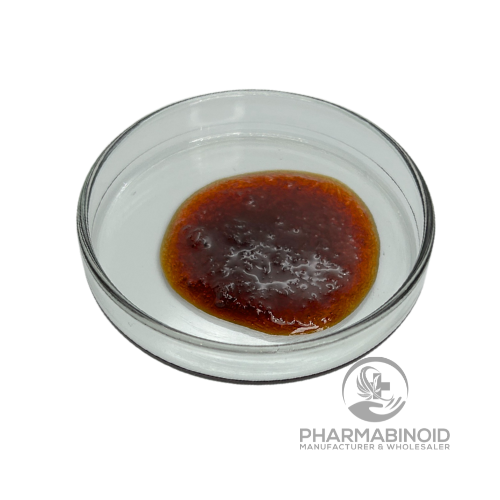
CBD-Destillate – Leitfaden für Großhandelskäufer CBD-Destillate bündelt Produktoptionen für professionelle Käufer, die...
Blogbeiträge
Alle anzeigen-
CBD Cosmetics Formulation: A Practical Guide fo...
CBD Cosmetics Formulation is not simply a matter of adding cannabidiol to a cream, serum, balm, or body oil. A reliable CBD cosmetic formulation requires the right raw material specification,...
CBD Cosmetics Formulation: A Practical Guide fo...
CBD Cosmetics Formulation is not simply a matter of adding cannabidiol to a cream, serum, balm, or body oil. A reliable CBD cosmetic formulation requires the right raw material specification,...
-
CBD Cosmetics Benefits: A Formulation-First Gui...
CBD Cosmetics Benefits are most often discussed in relation to skin feel, formulation quality, and the way cannabidiol interacts with the skin’s surface environment. For European cosmetic brands, the real...
CBD Cosmetics Benefits: A Formulation-First Gui...
CBD Cosmetics Benefits are most often discussed in relation to skin feel, formulation quality, and the way cannabidiol interacts with the skin’s surface environment. For European cosmetic brands, the real...
-
CBD Capsules vs CBD Oil: Key Differences, Quali...
When comparing CBD Capsules vs CBD Oil, the real difference is not simply “which one is stronger.” Capsules, softgels, and oils deliver cannabidiol in different formats, with different formulation choices,...
CBD Capsules vs CBD Oil: Key Differences, Quali...
When comparing CBD Capsules vs CBD Oil, the real difference is not simply “which one is stronger.” Capsules, softgels, and oils deliver cannabidiol in different formats, with different formulation choices,...