Risks of CBD Oil: Safety, Interactions, Testing, and EU Market Considerations
Understanding the risks of CBD oil is important for brands, formulators, retailers, and professional buyers working with cannabinoid products. CBD is widely discussed in scientific and consumer contexts, but product quality, serving size, formulation, interactions, and regulatory classification all influence how a CBD oil should be evaluated. This guide provides a responsible, non-medical overview for European businesses and informed purchasers.
This page is not medical advice and does not diagnose, treat, or prevent any condition. Anyone taking medication, pregnant or breastfeeding, living with a medical condition, or uncertain about CBD suitability should consult a qualified healthcare professional before use.
What are the main risks of CBD oil?
The potential risks of CBD oil depend on the product, the amount used, the route of administration, the person using it, and the quality of the supporting documentation. Important considerations include tolerability, interactions with medicines, inaccurate labelling, contamination, inappropriate claims, and differences between product categories.
- Product variability: Concentration, carrier oil, cannabinoid profile, and terpene content can differ considerably between products.
- Label uncertainty: A percentage alone may not clearly communicate milligrams per serving or per bottle.
- Quality concerns: Poorly controlled materials may contain unwanted solvents, pesticides, heavy metals, microbiological contamination, or cannabinoid levels that do not match the label.
- Individual factors: Sensitivity, previous exposure, age, medication use, and general health can affect how a person responds.
CBD oil tolerability and responsible use
Some people may experience unwanted effects or may not tolerate a particular CBD oil. These effects can be influenced by concentration, formulation, consumption pattern, and individual sensitivity. A responsible approach is to follow the product label, avoid combining multiple unfamiliar cannabinoid products, and stop use if unexpected symptoms occur.
Consumers should not assume that a natural origin makes a product risk-free. The carrier oil, flavouring system, added terpenes, and other ingredients also need to be assessed. For professional buyers, a complete specification sheet and batch-specific Certificate of Analysis are essential starting points.
CBD oil and medication interactions
CBD may interact with some medicines because cannabidiol can affect metabolic pathways involved in drug processing. The relevance of an interaction depends on the medicine, the amount of CBD, the frequency of use, and the individual. This is why people using prescription or clinically monitored medicines should seek advice from a qualified healthcare professional rather than relying on general online dosage guidance.
Businesses should avoid implying that CBD oil is suitable for everyone or that it can replace professional treatment. Responsible product communication should use clear qualifiers and should not present preliminary research as established clinical evidence.
Quality testing can reduce avoidable product risks
Testing cannot eliminate every risk, but it can identify important quality problems before a product reaches the market. Buyers should request a current, batch-specific COA and check whether it includes cannabinoid identity and potency, THC levels where relevant, residual solvents, pesticides, heavy metals, microbiological parameters, and other tests appropriate to the formulation.
Testing should be connected to traceable batch information. A document without a matching lot number, test date, laboratory identification, or clear sample description is less useful for procurement decisions. Professional buyers should also review the technical data sheet, safety data sheet where applicable, storage conditions, shelf life, packaging, and transport requirements.
Regulatory and EU market considerations
CBD oil compliance depends on the intended product category and destination market. Food supplements, novel foods, cosmetics, vaping products, and technical ingredients may be subject to different requirements. A product that is acceptable in one market or application may require a different assessment elsewhere.
Businesses should verify the current position of the relevant national authorities, review applicable EU requirements, and obtain specialist regulatory advice before making products available. Claims must be supported and appropriate to the category. Avoid disease claims, therapeutic promises, and language suggesting guaranteed outcomes.
How formulators and buyers can evaluate CBD oil safely
- Define the intended application and target market before selecting an ingredient.
- Confirm the total CBD content, concentration, serving information, carrier oil, and cannabinoid profile.
- Request current batch documentation and verify that the COA matches the supplied lot.
- Review contaminant testing and investigate results that are incomplete or unclear.
- Assess stability, storage, packaging compatibility, and transport conditions.
- Use conservative, factual product language and obtain regulatory review where necessary.
Frequently asked questions
Is CBD oil risk-free because it is plant-derived?
No. Plant-derived products can still vary in composition, interact with medicines, be contaminated, or be unsuitable for particular people. Quality documentation and responsible use remain important.
What should a CBD oil COA include?
A suitable COA should clearly identify the batch and normally report cannabinoid potency and relevant contaminant testing. The exact panel depends on the material and intended application.
Can CBD oil interact with medication?
It may interact with some medicines. Anyone using prescription or clinically monitored medication should consult a qualified healthcare professional before using CBD.
Are CBD oil risks the same in every European country?
No. Product classification, claims, THC limits, novel food status, and market requirements can differ. Businesses should check the rules that apply to the specific product and destination market.
Conclusion
The risks of CBD oil are best managed through careful formulation, transparent testing, accurate labelling, conservative communication, and appropriate professional advice. For B2B procurement, the strongest safeguards are traceable batches, complete specifications, reliable COAs, documented storage conditions, and a clear understanding of the intended European market.
For sourcing and formulation discussions, businesses can review Pharmabinoid's CBD oil collection and request a professional quotation.
TryPharma
Rufen Sie uns an oder senden Sie uns eine E-Mail für weitere Informationen
Kostenloses Probe
Entdecken Sie die Vorteile unserer Produkte aus erster Hand, indem Sie unsere Website besuchen, um Ihren exklusiven TryPharma-Code zu erhalten. Wenn Sie mit diesem speziellen Code eine Bestellung aufgeben, sichern Sie sich nicht nur Ihre gewünschten Produkte, sondern wir legen jeder Bestellung auch ein kostenloses Probe bei. Diese Möglichkeit erlaubt es Ihnen, die Qualität unserer Angebote zu erleben, bevor Sie sich für die Hauptlieferung entscheiden. Unser Ziel ist es, sicherzustellen, dass Sie mit Ihrer Auswahl vollkommen zufrieden sind, und dieser Prozess bietet Ihnen eine risikofreie Möglichkeit, unser umfangreiches Produktsortiment kennenzulernen. Kontaktieren Sie uns noch heute, um loszulegen und den ersten Schritt zu einer lohnenden Erfahrung mit unseren Premium-Angeboten zu machen.

Transportversicherung
Wenn Sie bei uns CBD-Isolate, Öle und andere Produkte in großen Mengen kaufen, ist Ihre Sendung für Sie ohne zusätzliche Kosten vollständig durch uns versichert. Wir nutzen renommierte Versandunternehmen wie FedEx und UPS für den Transport, während wir die Versicherungsdeckung selbst verwalten, um jede Sendung von unserem Lager bis zu Ihrer Haustür abzusichern. Bei TryPharma setzen wir uns dafür ein, das Geschäftswachstum zu fördern, indem wir einen risikofreien Großhandelsservice anbieten. Im unwahrscheinlichen Fall eines Versandproblems garantieren wir eine Rückerstattung innerhalb von fünf Werktagen ab dem Datum, an dem der Vorfall bestätigt wird. Unser umfassender Ansatz eliminiert effektiv 99,9 % aller potenziellen Risiken im Zusammenhang mit dem Versand von CBD in großen Mengen und sorgt so für Ihre vollkommene Sicherheit.

30 Tage Rückgaberecht
Wir laden Sie ein, das kostenlose Probe, das Ihrer Bestellung beiliegt, zu testen, bevor Sie die Hauptsendung öffnen. Wenn die Qualität nicht Ihren Erwartungen entspricht, können Sie von unserem 30-tägigen Rückgaberecht profitieren. Diese Regelung erlaubt es Ihnen, das Produkt innerhalb von 30 Tagen gegen eine vollständige Rückerstattung zurückzugeben und garantiert so Ihre volle Zufriedenheit. Kontaktieren Sie uns noch heute, um unser außergewöhnliches Produktsortiment zu entdecken und unseren engagierten Kundenservice zu erleben.
Cannabinoid-Isolate
-
CBD Isolat – Cannabidiol
Regulärer Preis From €24.99 to €369.99Regulärer PreisGrundpreis / pro€0.00Angebotspreis €24.99 -
CBG – Cannabigerol
Regulärer Preis From €49.99 to €799.99Regulärer PreisGrundpreis / pro€0.00Angebotspreis €49.99 -
CBN - Cannabinol
Regulärer Preis From €79.99 to €1,299.99Regulärer PreisGrundpreis / pro€0.00Angebotspreis €79.99 -
CBC – Cannabichromen
Regulärer Preis From €99.99 to €1,999.99Regulärer PreisGrundpreis / pro€0.00Angebotspreis €99.99 -
CBDV – Cannabidivarin
Regulärer Preis From €13.99 to €3,149.99Regulärer PreisGrundpreis / pro€0.00Angebotspreis €13.99 -
Cannabicitran Isolat - CBT
Regulärer Preis From €49.99 to €4,349.99Regulärer PreisGrundpreis / pro€0.00Angebotspreis €49.99 -
Cannabidiolsäure - CBDA
Regulärer Preis From €49.99 to €1,499.99Regulärer PreisGrundpreis / pro€0.00Angebotspreis €49.99 -
Cannabigerolsäure - CBGA
Regulärer Preis From €59.99 to €1,749.99Regulärer PreisGrundpreis / pro€0.00Angebotspreis €59.99
Kollektionen
-
PPB - Psychoaktive Mischungen von Pharmabinoid
PPB-Psychoaktive Mischungen für professionelle KäuferEntdecken Sie die PPB-Kollektion von Pharmabinoid: psychoaktive Mischungen...
-
CBD-Kosmetik
CBD-Kosmetik: Leitfaden für GroßhandelskäuferCBD-Kosmetik ist die zentrale kommerzielle Kollektion für Marken, Hersteller...
-
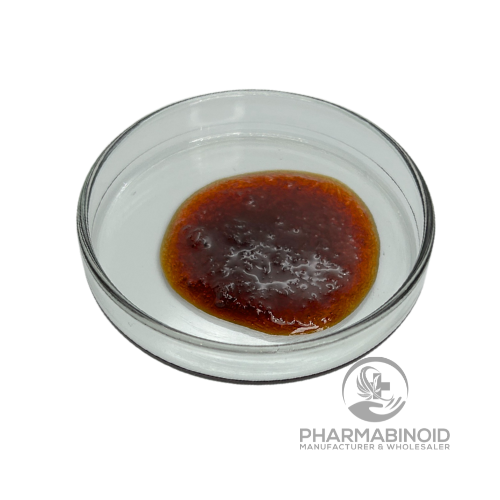
CBD-Destillate im Großhandel
CBD-Destillate im Großhandel für europäische KäuferVergleichen Sie CBD-Destillate für professionelle Formulierungen, Private-Label-...
Blogbeiträge
Alle anzeigen-
CBD-Destillat vs. CBD-Isolat: Die wichtigsten U...
CBD-Destillat vs. CBD-Isolat ist vor allem eine Frage der Zusammensetzung, des angestrebten Reinheitsgrads, des Formulierungsverhaltens und der Compliance-Strategie. Beide sind veredelte, aus Hanf gewonnene CBD-Zutaten, aber sie sind nicht austauschbar....
CBD-Destillat vs. CBD-Isolat: Die wichtigsten U...
CBD-Destillat vs. CBD-Isolat ist vor allem eine Frage der Zusammensetzung, des angestrebten Reinheitsgrads, des Formulierungsverhaltens und der Compliance-Strategie. Beide sind veredelte, aus Hanf gewonnene CBD-Zutaten, aber sie sind nicht austauschbar....
-
CBD-Destillat vs. CBD-Isolat: Unterschiede, Anw...
CBD-Destillat vs. CBD-Isolat ist ein wichtiger Vergleich für Marken, Formulierer und Käufer, die mit aus Hanf gewonnenen Zutaten arbeiten. Beide Materialien können reich an Cannabidiol sein, unterscheiden sich jedoch in...
CBD-Destillat vs. CBD-Isolat: Unterschiede, Anw...
CBD-Destillat vs. CBD-Isolat ist ein wichtiger Vergleich für Marken, Formulierer und Käufer, die mit aus Hanf gewonnenen Zutaten arbeiten. Beide Materialien können reich an Cannabidiol sein, unterscheiden sich jedoch in...
-
CBD-Destillat vs. CBD-Isolat: Die wichtigsten U...
CBD-Destillat vs. CBD-Isolat ist ein häufiger Vergleich für Marken, Formulierer und Käufer, die mit aus Hanf gewonnenen Zutaten arbeiten. Beide können hochwertige CBD-Quellen sein, unterscheiden sich jedoch bei Formulierungsverhalten, Prüfung,...
CBD-Destillat vs. CBD-Isolat: Die wichtigsten U...
CBD-Destillat vs. CBD-Isolat ist ein häufiger Vergleich für Marken, Formulierer und Käufer, die mit aus Hanf gewonnenen Zutaten arbeiten. Beide können hochwertige CBD-Quellen sein, unterscheiden sich jedoch bei Formulierungsverhalten, Prüfung,...