What is Cannabigerol Monoethyl Ether? CBGO Explained
Cannabigerol Monoethyl Ether, often discussed as CBGO in cannabinoid chemistry contexts, is a modified form of cannabigerol in which one hydroxyl group is converted into an ethyl ether. It matters in the cannabinoid industry because it sits at the intersection of cannabinoid derivatization, analytical identification, formulation research, and the growing interest in structurally modified cannabinoids.
Definition of Cannabigerol Monoethyl Ether
Cannabigerol Monoethyl Ether is a semi-synthetic or chemically modified derivative of cannabigerol, where one phenolic hydroxyl group on the CBG structure has been ethylated to form an ether group. In simple terms, the cannabigerol monoethyl ether definition refers to CBG with one oxygen-hydrogen group changed into an oxygen-ethyl group.
What Is Cannabigerol Monoethyl Ether?
So, what is Cannabigerol Monoethyl Ether? It is not one of the major naturally abundant cannabinoids typically found in hemp biomass. Instead, it is best understood as a CBG-derived ether cannabinoid produced or studied through cannabinoid chemistry. The term “monoethyl ether” describes the chemical modification: “mono” means one, “ethyl” refers to a two-carbon group, and “ether” refers to an oxygen atom linking two carbon-containing groups.
CBGO explained simply: it is related to cannabigerol, but it is not identical to standard CBG. Cannabigerol contains hydroxyl groups that influence polarity, solubility, binding behaviour, and analytical response. Converting one of those groups into an ethoxy ether may alter the molecule’s physicochemical properties, including how it behaves in extraction, purification, formulation, and laboratory testing.
It is important to avoid overstating what is known. Cannabigerol Monoethyl Ether is a narrow and specialist cannabinoid chemistry term, and public scientific literature appears limited compared with well-studied cannabinoids such as CBD, THC, or CBG. For that reason, it should be discussed as a research and manufacturing-related compound rather than as a cannabinoid with established consumer, medical, or pharmacological outcomes.
Scientific Background of Cannabigerol Monoethyl Ether
Cannabigerol is often described as a “precursor” cannabinoid because its acidic form, CBGA, is involved upstream in the biosynthesis of several major cannabinoid acids in the plant. Cannabigerol Monoethyl Ether, however, is not typically discussed as a direct plant biosynthesis product. It is more accurately viewed as a derivative based on the cannabigerol backbone.
From a chemistry perspective, CBG contains a resorcinol-type aromatic ring with hydroxyl functionality. Etherification changes one of these hydroxyl sites into an ethoxy group. This may reduce hydrogen bonding potential and slightly change the compound’s polarity, lipophilicity, chromatographic retention, and formulation behaviour. In practical manufacturing terms, those differences matter because a small structural change can influence solubility in oils, compatibility with excipients, crystallisation tendency, and detectability in HPLC or GC-based methods.
CBGO should also be distinguished from similarly named modified cannabinoids. For example, “CBG-O” is sometimes used informally in the market for other CBG-derived compounds, including acetate-type derivatives. That informal naming can create confusion. “Cannabigerol Monoethyl Ether” is more specific because it describes an ethyl ether modification rather than a general oxygenated or acetylated derivative.
Analytical testing is especially important for modified cannabinoids. A reliable certificate of analysis should identify the cannabinoid profile, purity, residual solvents, possible reaction by-products, heavy metals, pesticides where relevant, and microbiological quality depending on the intended application. For rare derivatives, reference standards and validated methods are essential because routine cannabinoid panels may not automatically identify them correctly.
For broader scientific context, cannabigerol itself is indexed in cannabinoid research databases such as PubMed, although research specifically on Cannabigerol Monoethyl Ether remains much more limited.
Key Characteristics of Cannabigerol Monoethyl Ether
- CBG-derived structure: Cannabigerol Monoethyl Ether is based on the cannabigerol molecular backbone, but it contains an ethoxy ether modification that differentiates it from standard CBG.
- Modified polarity and solubility profile: Etherification can reduce hydrogen bonding and may influence how the compound behaves in oils, solvents, emulsions, and other formulation systems.
- Specialised analytical requirements: Because CBGO is not a routine major cannabinoid, accurate identification generally requires appropriate reference materials, validated chromatographic methods, and a detailed certificate of analysis.
- Limited public research base: Compared with common cannabinoids, available data on pharmacology, toxicology, and long-term stability are limited, so careful scientific wording is necessary.
- Naming sensitivity: CBGO may be used as shorthand, but it should not be confused with unrelated “CBG-O” acetate-style naming or other cannabigerol derivatives.
Uses and Industry Applications
Cannabigerol Monoethyl Ether is mainly relevant to cannabinoid research, analytical chemistry, formulation development, and specialised manufacturing discussions. It may be of interest when researchers or producers are exploring how structural modification affects cannabinoid stability, solubility, chromatographic behaviour, or compatibility with different carrier systems.
In formulation settings, ether derivatives may be evaluated for how they disperse in lipid-based systems, emulsions, or solvent-based intermediates. However, formulation interest does not imply safety, suitability, or regulatory acceptance for consumer use. Any application would require careful assessment of purity, residual chemistry, toxicological data, intended market, and applicable EU and national requirements.
In analytical testing, CBGO highlights why cannabinoid identity cannot be assumed from naming alone. Modified cannabinoids may have similar molecular features and may overlap with known cannabinoids in certain methods if the method is not sufficiently selective. Laboratories should confirm identity with suitable standards and robust techniques, especially where commercial specifications, research reporting, or regulatory documentation depend on accuracy.
From a production standpoint, Cannabigerol Monoethyl Ether would normally require controlled synthesis or conversion from a CBG-related starting material, followed by purification and verification. Manufacturing quality should focus on batch consistency, impurity control, solvent removal, stability assessment, and transparent documentation through certificates of analysis.
Related Cannabinoids, Terpenes, or Terms
Cannabigerol Monoethyl Ether is closely related to cannabigerol chemistry and to other ether-modified cannabinoids. A useful comparison point is Cannabidiol Monoethyl Ether, which follows a similar naming logic but is based on the cannabidiol structure rather than the cannabigerol backbone.
Other related terms include cannabigerol, CBGA, cannabinoid derivatives, ether cannabinoids, modified cannabinoids, cannabinoid profile, purity testing, certificate of analysis, residual solvent testing, and chromatographic cannabinoid identification.
FAQ About Cannabigerol Monoethyl Ether
What is Cannabigerol Monoethyl Ether?
Cannabigerol Monoethyl Ether is a chemically modified derivative of cannabigerol in which one hydroxyl group has been converted into an ethoxy ether group. It is most relevant in cannabinoid chemistry, formulation research, and analytical testing rather than as a widely established natural hemp cannabinoid.
What is CBGO?
CBGO is often used as shorthand for Cannabigerol Monoethyl Ether, although the abbreviation is not as standardised as CBD or CBG. Because cannabinoid derivative naming can be inconsistent, the full chemical name is more reliable than the abbreviation alone.
Is Cannabigerol Monoethyl Ether the same as CBG?
No. It is related to CBG but is not the same molecule. CBG is the parent cannabinoid, while Cannabigerol Monoethyl Ether contains an ethyl ether modification that can affect its physical, analytical, and formulation properties.
Is Cannabigerol Monoethyl Ether naturally found in hemp?
It is not commonly recognised as a major naturally occurring hemp cannabinoid. It is better described as a CBG-derived modified cannabinoid unless verified plant-occurrence data and analytical evidence are available.
Why does analytical testing matter for CBGO?
Testing matters because modified cannabinoids can be misidentified if a method is not designed for them. A proper certificate of analysis should confirm identity, purity, cannabinoid profile, residual solvents, and other relevant quality parameters.
Conclusion
Cannabigerol Monoethyl Ether is a specialised CBG-derived ether cannabinoid that helps illustrate how small chemical modifications can change cannabinoid behaviour in formulation, manufacturing, and analysis. While the term is increasingly relevant in discussions around modified cannabinoids, research remains limited, and claims about effects or applications should be made cautiously. For industry use, the key priorities are accurate naming, validated analytical testing, purity control, and transparent documentation.
TryPharma
Zavolajte nám alebo nám pošlite e-mail pre viac informácií
Vzorka zadarmo
Objavte výhody našich produktov na vlastnej koži návštevou našej webovej stránky, kde získate svoj exkluzívny kód TryPharma. Keď zadáte objednávku pomocou tohto špeciálneho kódu, nielenže si zabezpečíte požadované produkty, ale ku každému nákupu vám pribalíme aj bezplatnú vzorku. Táto príležitosť vám umožňuje vyskúšať kvalitu našej ponuky ešte predtým, než sa zaviažete k hlavnej zásielke. Naším cieľom je zabezpečiť, aby ste boli so svojím výberom úplne spokojní, a tento proces poskytuje bezrizikový spôsob, ako preskúmať náš rozsiahly sortiment produktov. Kontaktujte nás ešte dnes, začnite a urobte prvý krok k obohacujúcej skúsenosti s našou prémiovou ponukou.
Poistenie dopravy
Keď si u nás zakúpite veľkoobjemové CBD izoláty, oleje a ďalšie produkty, vaša zásielka je u nás plne poistená bez akýchkoľvek dodatočných nákladov pre vás. Na prepravu využívame renomované prepravné spoločnosti ako FedEx a UPS, pričom poistné krytie spravujeme sami, aby sme zabezpečili každú zásielku od nášho skladu až po vaše dvere. V spoločnosti TryPharma sme odhodlaní podporovať rast podnikania poskytovaním bezrizikovej veľkoobchodnej služby. V nepravdepodobnom prípade problému pri preprave zaručujeme vrátenie peňazí do piatich pracovných dní odo dňa potvrdenia incidentu. Náš komplexný prístup účinne eliminuje 99,9 % všetkých potenciálnych rizík spojených s hromadnou prepravou CBD, čím zaisťuje váš úplný pokoj.
30-dňové vrátenie
Pozývame vás, aby ste pred otvorením hlavnej zásielky otestovali bezplatnú vzorku priloženú k vašej objednávke. Ak kvalita nesplní vaše očakávania, môžete využiť našu 30-dňovú politiku vrátenia. Táto politika vám umožňuje vrátiť produkt do 30 dní a získať plnú refundáciu, čím zaručuje vašu úplnú spokojnosť. Kontaktujte nás ešte dnes, preskúmajte náš výnimočný sortiment produktov a zažite naše oddané zákaznícke služby.
Kanabinoidné izoláty
-
CBD izolát – kanabidiol
Bežná cena From €24.99 to €369.99Bežná cenaJednotková cena / za€0.00Akciová cena €24.99 -
CBG - Kanabigerol
Bežná cena From €49.99 to €799.99Bežná cenaJednotková cena / za€0.00Akciová cena €49.99 -
CBN - Kanabinol
Bežná cena From €79.99 to €1,299.99Bežná cenaJednotková cena / za€0.00Akciová cena €79.99 -
CBC - kanabichromén
Bežná cena From €99.99 to €1,999.99Bežná cenaJednotková cena / za€0.00Akciová cena €99.99 -
CBDV - Kanabidivarín
Bežná cena From €13.99 to €3,149.99Bežná cenaJednotková cena / za€0.00Akciová cena €13.99 -
Izolát kanabicitranu - CBT
Bežná cena From €49.99 to €4,349.99Bežná cenaJednotková cena / za€0.00Akciová cena €49.99 -
Kyselina kanabidiolová - CBDA
Bežná cena From €49.99 to €1,499.99Bežná cenaJednotková cena / za€0.00Akciová cena €49.99 -
Kyselina kanabigerolová - CBGA
Bežná cena From €59.99 to €1,749.99Bežná cenaJednotková cena / za€0.00Akciová cena €59.99
Kolekcie
-
Psychoaktívne extrakty
Psychoaktívne extrakty – Sprievodca pre veľkoobchodných kupujúcich Psychoaktívne extrakty spájajú špecializované formáty...
-
CBD vaporizéry
CBD vape produkty a podpora formulácie pre profesionálny vývoj kanabinoidových produktov Táto...
-
CBD kozmetika
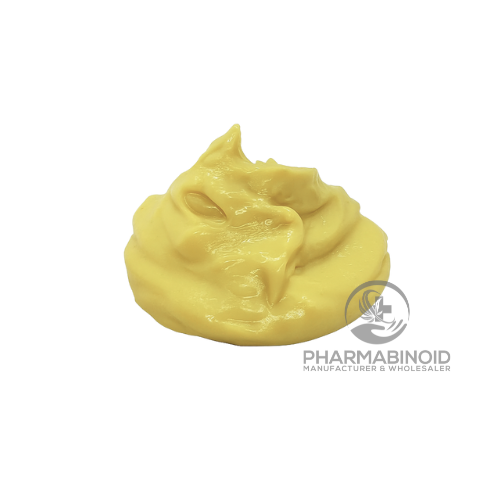
CBD kozmetika – Sprievodca pre veľkoobchodných kupujúcich CBD kozmetika združuje kozmetické formáty...
-
CBD destiláty
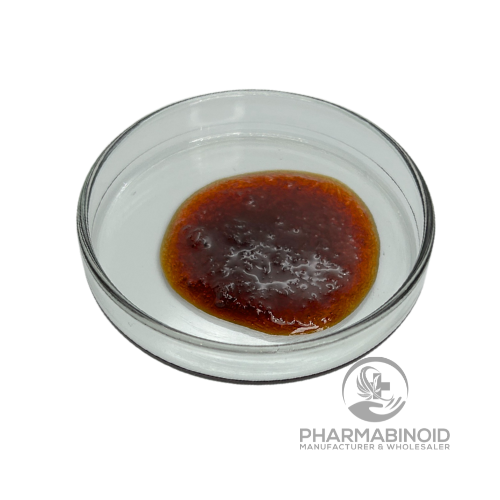
CBD destiláty – Sprievodca pre veľkoobchodných kupujúcich CBD destiláty spájajú produktové možnosti...
Príspevky na blogu
Zobraziť všetko-
CBD Distillate Effects: What to Expect from a R...
CBD distillate effects are best understood as the combined result of a concentrated cannabinoid profile, low-to-non-detectable THC targets, formulation method, and product quality. Unlike raw hemp extract, CBD distillate is...
CBD Distillate Effects: What to Expect from a R...
CBD distillate effects are best understood as the combined result of a concentrated cannabinoid profile, low-to-non-detectable THC targets, formulation method, and product quality. Unlike raw hemp extract, CBD distillate is...
-
Private Label CBD Cosmetics: A Practical Guide ...
Private Label CBD Cosmetics are increasingly attractive for European beauty brands that want to enter the cannabinoid skincare category without building a full production, filling, testing, and packaging operation from...
Private Label CBD Cosmetics: A Practical Guide ...
Private Label CBD Cosmetics are increasingly attractive for European beauty brands that want to enter the cannabinoid skincare category without building a full production, filling, testing, and packaging operation from...
-
Risks of CBD Cosmetics: Safety, Side Effects, a...
The risks of CBD cosmetics are usually not about CBD alone. For European buyers, formulators, and brands, the real safety picture depends on ingredient quality, cannabinoid purity, concentration, skin compatibility,...
Risks of CBD Cosmetics: Safety, Side Effects, a...
The risks of CBD cosmetics are usually not about CBD alone. For European buyers, formulators, and brands, the real safety picture depends on ingredient quality, cannabinoid purity, concentration, skin compatibility,...