What is CBD Paste? Uses, Types and Quality Testing
What is CBD Paste?
What is CBD Paste? CBD paste is a concentrated hemp extract with a thick, resin-like consistency, typically rich in cannabidiol (CBD) and other naturally occurring hemp compounds depending on how it is produced. In the cannabinoid industry, CBD paste matters because it is often used as a high-strength raw material for further formulation, analytical testing, and product development.
Definition of What is CBD Paste?
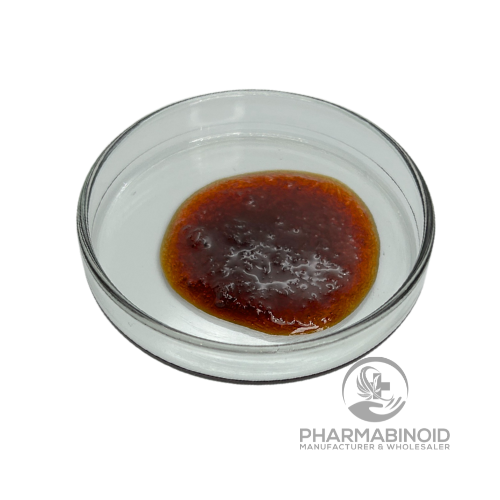
CBD paste is a dense hemp-derived extract containing cannabidiol in a concentrated form, usually blended with or naturally retaining plant waxes, carrier oils, minor cannabinoids, terpenes, and other extract constituents. A simple hemp paste definition is: a high-viscosity CBD-rich extract made from industrial hemp biomass and processed to a defined cannabinoid profile.
What Is CBD Paste?
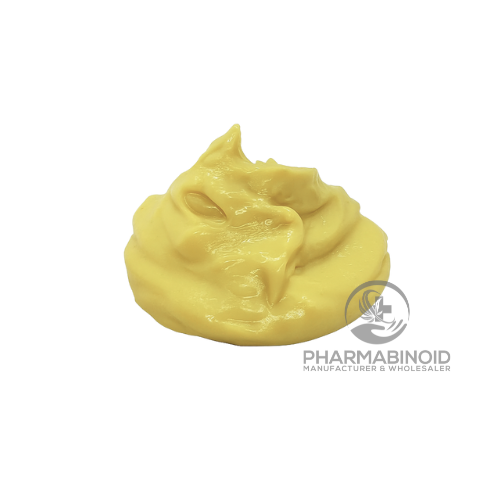
CBD paste explained simply: it is a concentrated form of CBD hemp extract that is thicker than CBD oil and often supplied in syringes, jars, or bulk containers for accurate handling. Unlike standard CBD oils, which are usually diluted into a carrier oil such as MCT or hemp seed oil, CBD paste may contain a much higher percentage of cannabinoids by weight.
When people ask, “what is CBD hemp paste?”, they are usually referring to a hemp extract where CBD is the dominant cannabinoid. Depending on the manufacturing process, it may be full spectrum, broad spectrum, refined, decarboxylated, or partially raw. Full spectrum CBD paste can contain CBD along with minor cannabinoids and trace levels of THC within applicable legal limits. Broad spectrum CBD paste is typically processed to retain multiple cannabinoids while reducing or removing THC to meet specific formulation requirements.
For manufacturers, CBD paste is valued because it can serve as a flexible intermediate ingredient. It can be diluted into oils, incorporated into capsules, used in topical formulations, or further refined into distillates and isolates. Its usefulness depends heavily on verified purity, cannabinoid concentration, contaminant testing, and consistency between production batches.
Scientific Background of CBD Paste
CBD, or cannabidiol, is one of the principal non-intoxicating cannabinoids found in Cannabis sativa L. industrial hemp varieties. It occurs naturally in the plant mainly in its acidic precursor form, cannabidiolic acid (CBDA), which can convert to CBD through heat, time, or controlled decarboxylation. This distinction is important because raw hemp paste may contain more CBDA, while refined CBD paste is often processed to contain higher levels of CBD.
The chemistry of CBD paste is shaped by extraction and post-processing. Common extraction methods include supercritical CO₂ extraction, ethanol extraction, and hydrocarbon extraction in controlled industrial settings. After extraction, the crude hemp extract may undergo winterisation to remove waxes, filtration to improve clarity, decarboxylation to convert acidic cannabinoids, distillation to concentrate cannabinoids, or remediation steps to adjust the final profile.
Terpenes are another relevant part of the scientific background. These aromatic compounds contribute to the sensory profile of hemp extracts and may influence how formulations are designed. However, terpenes are volatile and can be reduced during high-temperature refinement. For this reason, a refined CBD paste may have a different terpene profile than a less processed full spectrum hemp paste.
From a pharmacology perspective, CBD is widely studied for how it interacts with biological systems, including cannabinoid-related signalling pathways. Research remains ongoing, and findings should not be interpreted as proof of specific health outcomes. The World Health Organization has reviewed CBD’s safety profile in scientific and regulatory contexts, while researchers continue to investigate its properties through preclinical and clinical studies.
Key Characteristics of CBD Paste
- High cannabinoid concentration: CBD paste commonly contains a higher CBD percentage than standard oils, making it useful for bulk formulation and controlled dilution into finished products.
- Thick consistency: Its dense texture comes from concentrated cannabinoids, plant resins, waxes, and sometimes carrier ingredients. This viscosity can make heating or specialised filling equipment necessary during manufacturing.
- Variable cannabinoid profile: Depending on whether it is full spectrum, broad spectrum, refined, or raw, CBD paste may contain CBD, CBDA, CBG, CBC, CBN, and other minor cannabinoids in different ratios.
- Terpene and plant compound content: Less refined pastes may retain more hemp-derived aromatic compounds, while refined pastes are generally more standardised and neutral in flavour and odour.
- Requires analytical verification: A certificate of analysis should confirm cannabinoid potency, THC level, residual solvents, pesticides, heavy metals, microbial quality, and other relevant parameters.
Uses and Industry Applications
CBD paste is primarily used as a cannabinoid-rich ingredient in formulation and manufacturing. It may be diluted into carrier oils to create tinctures, blended into cosmetic bases, prepared for encapsulation, or used as an intermediate material before further refinement. The choice of paste depends on the target cannabinoid profile, desired sensory properties, regulatory market, and technical requirements of the final product.
In a European manufacturing context, documentation is especially important. Businesses generally need reliable batch records, certificates of analysis, traceability of hemp biomass, and evidence that THC content aligns with the intended jurisdiction. CBD paste intended for professional formulation should be evaluated not only for CBD strength but also for purity, stability, and suitability for the application.
Bioavailability is another formulation consideration. Because CBD is lipophilic, it mixes more readily with fats and oils than with water. This is why many finished products use lipid-based carriers or emulsification systems to improve dispersion. The paste itself is not automatically more or less bioavailable; performance depends on the final formulation, route of use, excipients, and product design.
Related Cannabinoids, Terpenes, or Terms
For businesses comparing CBD paste formats, Pharmabinoid provides a dedicated CBD paste collection with different extract types for professional use. Examples include refined CBD broad spectrum paste, which is designed for formulations requiring a broad cannabinoid profile with reduced THC presence, and refined CBD full spectrum paste, which is relevant when a wider hemp extract profile is desired within compliant specifications.
Related terms include CBD oil, CBD distillate, CBD isolate, full spectrum extract, broad spectrum extract, hemp resin, decarboxylation, winterisation, terpene profile, and certificate of analysis. Understanding these terms helps formulators choose the correct extract for stability, compliance, sensory quality, and batch-to-batch consistency.
FAQ About What is CBD Paste?
Is CBD paste the same as CBD oil?
No. CBD paste is usually much thicker and more concentrated than CBD oil. CBD oil is typically a finished or semi-finished product where CBD extract has been diluted into a carrier oil, while CBD paste is often used as a concentrated ingredient for further formulation.
What is CBD hemp paste made from?
CBD hemp paste is made from hemp biomass that has been extracted and processed to concentrate cannabidiol and related plant compounds. Depending on the process, it may contain CBD, CBDA, minor cannabinoids, terpenes, waxes, and carrier ingredients. Quality should always be confirmed through analytical testing.
What should buyers check before sourcing CBD paste?
Professional buyers should review the certificate of analysis, cannabinoid profile, THC level, residual solvent results, pesticide screening, heavy metal testing, microbial results, batch traceability, and formulation suitability. These checks help confirm that the paste meets technical and regulatory expectations.
Is CBD paste full spectrum or broad spectrum?
CBD paste can be either full spectrum or broad spectrum, depending on how it is manufactured. Full spectrum paste generally contains a wider range of hemp compounds, including trace THC within applicable limits. Broad spectrum paste is typically processed to retain multiple cannabinoids while reducing or removing THC.
Does CBD paste contain terpenes?
Some CBD pastes contain naturally retained terpenes, especially less refined extracts. However, terpene levels can decrease during heating, distillation, or refinement. A terpene analysis is the most reliable way to understand the aromatic profile of a specific batch.
Conclusion
What is CBD Paste? It is a concentrated, high-viscosity hemp extract rich in CBD and potentially other cannabinoids, terpenes, and plant compounds depending on its processing method. For the cannabinoid industry, CBD paste is important because it provides a versatile raw material for formulation, refinement, and product development. The most important quality indicators are a clearly defined cannabinoid profile, verified purity, compliant THC levels, and a transparent certificate of analysis.
TryPharma
Sunați-ne sau trimiteți-ne un e-mail pentru mai multe informații
Mostră gratuită
Descoperiți direct beneficiile produselor noastre vizitând site-ul nostru pentru a obține codul dumneavoastră exclusiv TryPharma. Atunci când plasați o comandă folosind acest cod special, nu doar că vă asigurați produsele dorite, dar vom include și o mostră gratuită la fiecare achiziție. Această oportunitate vă permite să experimentați calitatea ofertei noastre înainte de a vă angaja în expedierea principală. Scopul nostru este să ne asigurăm că sunteți complet mulțumit de alegerea făcută, iar acest proces oferă o modalitate fără riscuri de a explora gama noastră extinsă de produse. Contactați-ne astăzi pentru a începe și pentru a face primul pas către o experiență satisfăcătoare cu ofertele noastre premium.

Asigurare de transport
Atunci când achiziționați de la noi izolate CBD vrac, uleiuri și alte produse, expedierea dumneavoastră este asigurată integral de către noi, fără niciun cost suplimentar pentru dumneavoastră. Folosim companii de transport de încredere precum FedEx și UPS pentru livrare, în timp ce gestionăm noi înșine acoperirea de asigurare pentru a securiza fiecare expediere de la depozitul nostru până la ușa dumneavoastră. La TryPharma, ne angajăm să susținem creșterea afacerilor prin oferirea unui serviciu en-gros fără riscuri. În cazul puțin probabil al unei probleme de livrare, garantăm o rambursare în termen de cinci zile lucrătoare de la data confirmării incidentului. Abordarea noastră cuprinzătoare elimină în mod eficient 99,9% din toate riscurile potențiale asociate transportului de CBD vrac, asigurându-vă deplina liniște sufletească.
Returnare în 30 de zile
Vă invităm să testați mostra gratuită inclusă în comanda dumneavoastră înainte de a deschide expedierea principală. Dacă calitatea nu corespunde așteptărilor dumneavoastră, puteți beneficia de politica noastră de returnare în 30 de zile. Această politică vă permite să returnați produsul în termen de 30 de zile pentru o rambursare integrală, garantând satisfacția dumneavoastră deplină. Contactați-ne astăzi pentru a descoperi gama noastră excepțională de produse și pentru a beneficia de serviciul nostru dedicat pentru clienți.
Izolate de canabinoizi
-
Izolat CBD - Canabidiol
Preț obișnuit From €24.99 to €369.99Preț obișnuitPreț unitar / per€0.00Preț redus €24.99 -
CBG - Cannabigerol
Preț obișnuit From €49.99 to €799.99Preț obișnuitPreț unitar / per€0.00Preț redus €49.99 -
CBN - Canabinol
Preț obișnuit From €79.99 to €1,299.99Preț obișnuitPreț unitar / per€0.00Preț redus €79.99 -
CBC - Cannabicromenă
Preț obișnuit From €99.99 to €1,999.99Preț obișnuitPreț unitar / per€0.00Preț redus €99.99 -
CBDV - Canabidivarină
Preț obișnuit From €13.99 to €3,149.99Preț obișnuitPreț unitar / per€0.00Preț redus €13.99 -
Izolat de cannabicitran - CBT
Preț obișnuit From €49.99 to €4,349.99Preț obișnuitPreț unitar / per€0.00Preț redus €49.99 -
Acid cannabidiolic - CBDA
Preț obișnuit From €49.99 to €1,499.99Preț obișnuitPreț unitar / per€0.00Preț redus €49.99 -
Acid canabigerolic - CBGA
Preț obișnuit From €59.99 to €1,749.99Preț obișnuitPreț unitar / per€0.00Preț redus €59.99
Colecții
-
Extracte psihoactive
Extracte psihoactive – Ghid pentru cumpărători en-gros Extractele psihoactive reunesc formate specializate...
-
Uleiuri CBD
Uleiuri CBD – Ghid pentru cumpărători en-gros Uleiurile CBD reunesc formate de...
-
Vape-uri cu CBD
Vape-uri CBD – Ghid pentru cumpărători en-gros CBD Vapes reunește formate de...
-
Cosmetice cu CBD
Cosmetice CBD – Ghid pentru cumpărători en-gros Cosmeticele CBD reunesc formate cosmetice...
-
Distilate CBD
Distilate CBD – Ghid pentru cumpărători en-gros Distilatele CBD reunesc opțiuni de...
Articole de blog
Afișați tot-
Water Soluble CBD vs CBD Oil: Key Differences f...
Water Soluble CBD vs CBD Oil is a common comparison for formulators, brands, and buyers who want to understand how CBD behaves in different product formats. The main difference is...
Water Soluble CBD vs CBD Oil: Key Differences f...
Water Soluble CBD vs CBD Oil is a common comparison for formulators, brands, and buyers who want to understand how CBD behaves in different product formats. The main difference is...
-
Water Soluble CBD Effects: Bioavailability, Ben...
Water Soluble CBD effects are best understood through formulation science rather than marketing hype. CBD itself remains a lipophilic cannabinoid, meaning it naturally prefers oils and fats over water. A...
Water Soluble CBD Effects: Bioavailability, Ben...
Water Soluble CBD effects are best understood through formulation science rather than marketing hype. CBD itself remains a lipophilic cannabinoid, meaning it naturally prefers oils and fats over water. A...
-
CBD Oil vs CBD Isolate: Key Differences for For...
CBD Oil vs CBD Isolate is a common comparison because both contain cannabidiol, yet they are very different materials from a formulation, testing, flavour, and cannabinoid profile perspective. In simple...
CBD Oil vs CBD Isolate: Key Differences for For...
CBD Oil vs CBD Isolate is a common comparison because both contain cannabidiol, yet they are very different materials from a formulation, testing, flavour, and cannabinoid profile perspective. In simple...