
What Is Delta-9-THCV?

無料サンプル
当社のウェブサイトにアクセスして限定のTryPharmaコードを取得し、当社製品のメリットを直接ご体感ください。この特別コードを使用してご注文いただくと、ご希望の商品を確保できるだけでなく、各ご購入に無料サンプルもお付けいたします。この機会により、本発送に進む前に当社商品の品質をご確認いただけます。私たちの目標は、お客様にご選択内容に完全にご満足いただくことであり、このプロセスは当社の幅広い製品ラインナップをリスクなくお試しいただける方法です。今すぐお問い合わせのうえ、プレミアム商品による満足度の高い体験への第一歩を踏み出してください。
配送保険
当社からCBDアイソレート、オイル、その他の商品を大量購入された場合、お客様の発送品には追加費用なしで当社による全額保険が適用されます。輸送にはFedExやUPSのような信頼できる配送会社を利用しつつ、保険補償は当社が自ら管理することで、倉庫からお客様の玄関先までのすべての発送を保護しています。TryPharmaでは、リスクのない卸売サービスを提供することで、事業成長の促進に尽力しています。万が一配送上の問題が発生した場合でも、事故確認日から5営業日以内の返金を保証します。当社の包括的なアプローチにより、大量のCBD配送に伴う潜在的リスクの99.9%を効果的に排除し、お客様に完全な安心をお届けします。
30日間返品保証
本発送を開封する前に、ご注文に同梱された無料サンプルをお試しいただくことをお勧めします。品質がご期待に沿わない場合は、30日間返品ポリシーをご利用いただけます。このポリシーにより、商品到着後30日以内であれば全額返金で返品することができ、ご満足を保証します。今すぐお問い合わせいただき、当社の優れた製品ラインナップと丁寧なカスタマーサービスをご体験ください。
カンナビノイド・アイソレート
-
CBD Isolate - Cannabidiol
通常価格 From €24.99 to €369.99通常価格単価 あたり€0.00セール価格 €24.99 -
CBG - カンナビゲロール
通常価格 From €49.99 to €799.99通常価格単価 あたり€0.00セール価格 €49.99 -
CBN - カンナビノール
通常価格 From €79.99 to €1,299.99通常価格単価 あたり€0.00セール価格 €79.99 -
CBC(カンナビクロメン)分離物
通常価格 From €99.99 to €1,999.99通常価格単価 あたり€0.00セール価格 €99.99 -
CBDV - カンナビジバリン
通常価格 From €13.99 to €3,149.99通常価格単価 あたり€0.00セール価格 €13.99 -
カンナビシトラン分離物 - CBT
通常価格 From €49.99 to €4,349.99通常価格単価 あたり€0.00セール価格 €49.99 -
CBDAアイソレート – カンナビジオール酸
通常価格 From €49.99 to €1,499.99通常価格単価 あたり€0.00セール価格 €49.99 -
カンナビゲロール酸 - CBGA
通常価格 From €59.99 to €1,749.99通常価格単価 あたり€0.00セール価格 €59.99


コレクション
-

プロ向けPPB向けサイコアクティブブレンド
プロ向けPPBサイコアクティブブレンドPharmabinoidのPPBコレクションは、プロフェッショナルな製品開発、管理されたチャネルでの調達、欧州市場の評価に対応します。フラワーインフュージョン、希釈なしのベイプベース、またはeリキッドベース向けのプロファイルを選び、商業生産の前に処方、文書、対象市場の要件を確認してください。各PPB製品は、カンナビノイドプロファイル、濃度、香味システム、用途、ロット文書、包装、国別要件に基づいて評価する必要があります。入手性と適合性はロットや市場によって異なるため、大口注文の前にサンプルと文書を確認してください。適切なPPBフォーマットを選ぶフラワーインフュージョン用PPB業務用のフラワーインフュージョンプロジェクト向けです。規模を拡大する前に、使用量、カンナビノイド分布、香り、包装、対象市場の要件を確認してください。PPBベイプベース希釈せずに使用する設計です。Live Resinオプションには香味プロファイルが含まれます。Live Resinを含まないベースは、充填前に適切な香料またはテルペンプロファイルが必要です。使用するデバイスで完成処方をテストしてください。PPB eリキッドベース電子たばこ製品の開発向けです。商業生産前に、香り、デバイス適合性、安定性、包装、市場要件を確認してください。コンプライアンスと調達専門バイヤーは、ロット別分析証明書、仕様書、カンナビノイドプロファイル、関連する汚染物質試験、保管情報、対象国または販売チャネルが求める文書を依頼してください。製品が入手可能であることだけでは、法的適合性は確認できません。詳しくはカンナビノイド研究、テルペン、見積依頼をご覧ください。よくある質問PPBはEUのすべての国で使用できますか?一律に判断することはできません。適合性は材料、フォーマット、濃度、表示内容、対象市場の規則によって異なります。最初にサンプルを依頼すべきですか?はい。大口注文の前に、感覚プロファイル、処方挙動、デバイスまたは花との適合性、包装、文書を確認してください。PharmabinoidはカスタムPPBブレンドを作成できますか?はい。見積依頼で対象国、フォーマット、プロファイル、濃度、香り、包装、予定数量をお知らせください。見積依頼を送信して、国、フォーマット、数量、文書要件をお知らせください。
-

CBDオイル
CBDオイル – 卸売購入ガイド CBDオイルは、実用的な用量設定、柔軟な濃度、信頼できる文書を必要とするブランド向けに、オイルベースのカンナビノイド製剤をまとめたものです。これは、製品への関心から文書化された調達、サンプリング、見積もり、または生産までのより明確な道筋を必要とする法人購入者向けに作られています。 この製品群は、完全な立ち上げ計画の一部として確認するのが最適です。製品形態、文書レベル、販売対象市場、MOQ、リードタイム、継続供給は、いずれも承認前に検討すべきです。 この製品群の主な形式 この製品群には、アイソレートベースのオイル、ブロードスペクトラムオイル、フルスペクトラムオイル、ペースト状の形式、キャリア別ブレンドが含まれる場合があります。現在の関連オプションには、Cannabidiol Broad Spectrum Oil - CBD、Cannabidiol...
-
CBDベイプリキッド
業務用購入者向けCBDベイプリキッドおよび製品本コレクションでは、B2B評価向けのCBDベイプ製品および関連するベイプ用製剤を取り揃えています。まず、必要なものが完成品のベイプ製品、カートリッジ、製剤ベース、またはさらなる開発に用いる原料のいずれであるかをご確認ください。これらの形態は相互に置き換えられるものではなく、同じ一覧に掲載されている製品でも、カンナビノイドプロファイルや想定される用途が異なる場合があります。候補となる製品ごとに、現行の製品仕様、キャリアシステム、粘度、デバイスとの適合性およびバッチ関連文書を、自社の処方および仕向け市場に照らして確認してください。コレクション名だけから組成や適合性を推測しないでください。調達または上市に関する判断を行う前に、対象となる製品およびバッチの最新情報を請求してください。CBDベイプ製品の調達時に確認する項目 CBDの同一性および組成:申告されたカンナビノイドプロファイル、成分、キャリア、香料またはテルペン成分を、製品文書と照合してください。 製品形態:そのまま使用できる製品、カートリッジ、ベース、さらなる製剤化を目的とする材料を区別してください。サプライヤーに想定される製造上の役割を確認してください。 デバイスおよび製剤との適合性:粘度、充填時の挙動、漏れ、加熱条件、および特定のデバイスまたは送達システムとの適合性を評価してください。一般的なカテゴリーの説明に依存せず、実際の組み合わせを検証してください。 バッチに関する証拠:該当する分析証明書、仕様書および品質記録を請求してください。バッチ識別情報および試験範囲が、評価対象の材料に対応していることを確認してください。 商業計画:プロジェクトに必要なサンプル、最小注文数量、包装、リードタイムおよび継続供給の見通しを明確にしてください。 仕向け市場の確認:予定する各市場における、該当製品カテゴリー、成分、表示および販売チャネルに関する規則を個別に確認してください。 CBDベイプリキッド、カートリッジおよび製剤ベース完成品のベイプ、充填済みカートリッジ、製剤ベースは、それぞれ異なる目的で使用されます。成分、取扱要件、必要な文書、およびサプライチェーンにおける責任は異なる場合があります。まず希望する形態を定め、その後、公表された仕様およびバッチ記録を用いて候補を比較してください。製品を完成品に組み込む場合、原材料の試験だけでは完成品の評価に代わりません。品質および製剤に関する考慮事項製品開発チームは一般に、キャリアの選択、粘度、成分の適合性、風味プロファイル、安定性、包装、および想定するデバイスでの性能を評価します。試験結果は、特定の方法で試験したサンプルについて説明するものであり、それだけで完成品の適合性を立証したり、加工後の性能を保証したりするものではありません。官能的な説明は測定された組成と区別し、想定条件に対して実施した製剤またはデバイスの検証を記録してください。製品およびバッチ、受領した文書、試験範囲、予定する形態、仕向け市場および承認判断を特定できる審査記録を維持してください。仕様、サプライヤーのバッチ、製剤、デバイスまたは市場への供給経路に変更があった場合は、記録を見直してください。関連する製品開発リソース関連する供給方法を比較する際は、CBD Isolate Vape、Full Spectrum CBD...
-
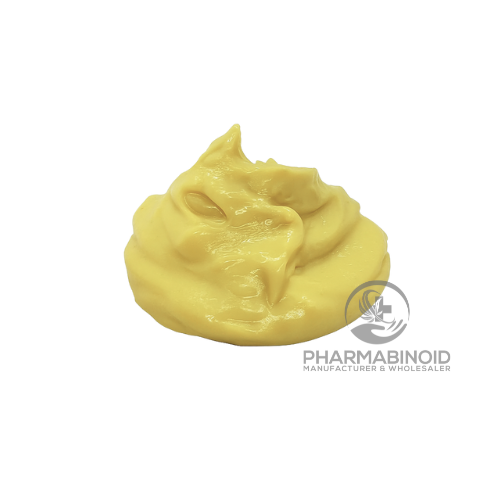
CBD化粧品
CBD化粧品:卸売バイヤーガイドヨーロッパで文書化されたCBDスキンケアおよび化粧品を調達するブランド、メーカー、プライベートブランド担当者向けの商業コレクションです。仕様、包装、書類、MOQ、継続供給の適合性を比較できます。化粧品フォーマットを選ぶフェイスケア:CBD Facial Serum、Hyaluronic CBD Eye Gel。ハンド・ボディ:CBD Hand Cream、Protecting CBD Hand Cream など。B2B購入時の確認事項INCI、テクスチャー、安定性、包装適合性、CBDプロファイル、COA、汚染物質、保管、追跡可能性、MOQ、サンプル、納期、対象市場の要件を確認してください。見積もりとプライベートブランド国、製品形式、数量、包装、必要書類を明記して、見積もりを依頼してください。CBD化粧品ガイドとEFSA情報もご確認ください。
-
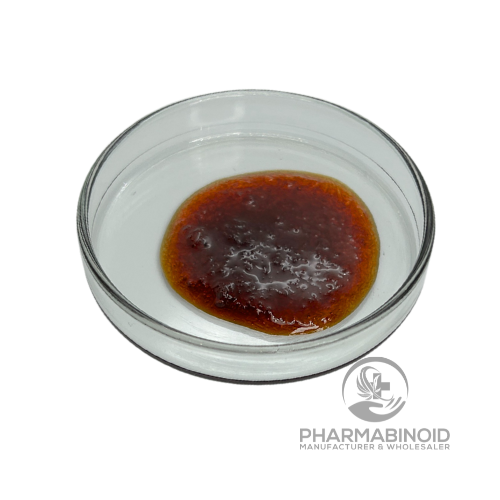
CBD蒸留物の卸売
欧州のバイヤー向けCBD蒸留物の卸売業務用の製剤、プライベートラベル、最終製品のプロジェクトに適したCBD蒸留物を比較できます。本コレクションは卸売調達の商業的な窓口であり、各製品ページでは技術的な検討に必要な詳細仕様、形状、バッチ情報をご確認いただけます。CBD蒸留物の選択肢を評価する方法価格だけでなく、カンナビノイドプロファイル、含有量、微量カンナビノイドの含有量、THC関連パラメータ、粘度、外観、テルペンプロファイル、包装、想定する販売市場を確認してください。製造に使用する原料を承認する前に、最新バッチの文書を請求してください。 文書:バッチ固有のCOA、仕様書、保管方法のガイダンス、および該当する安全性関連文書を請求してください。 品質:想定用途に応じて、含有量、THC関連の分析結果、汚染物質スクリーニングを確認してください。 スケールアップ:MOQ、リードタイム、包装、年間数量、継続供給に関する見込みをすり合わせてください。 市場適合性:発売前に、販売先の国の要件、製品カテゴリー、許容される表示・訴求内容を確認してください。 コレクションページと用語解説・研究情報の使い分け本コレクションは、CBD蒸留物の卸売に関する商業的な情報を提供します。用語については、CBD蒸留物の意味をご覧ください。エビデンス、試験、製剤に関する情報は、CBD蒸留物の研究をご覧ください。より限定的な技術的テーマについては、結晶化しにくい蒸留物の取り扱いをご確認ください。卸売見積もりの依頼販売対象市場、製品形状、予定数量、必要な文書、発売予定時期を見積もり依頼ページからお知らせください。Pharmabinoidは、サンプル、見積もり、製剤サポート、製造に関する最適な次のステップをご案内します。
-
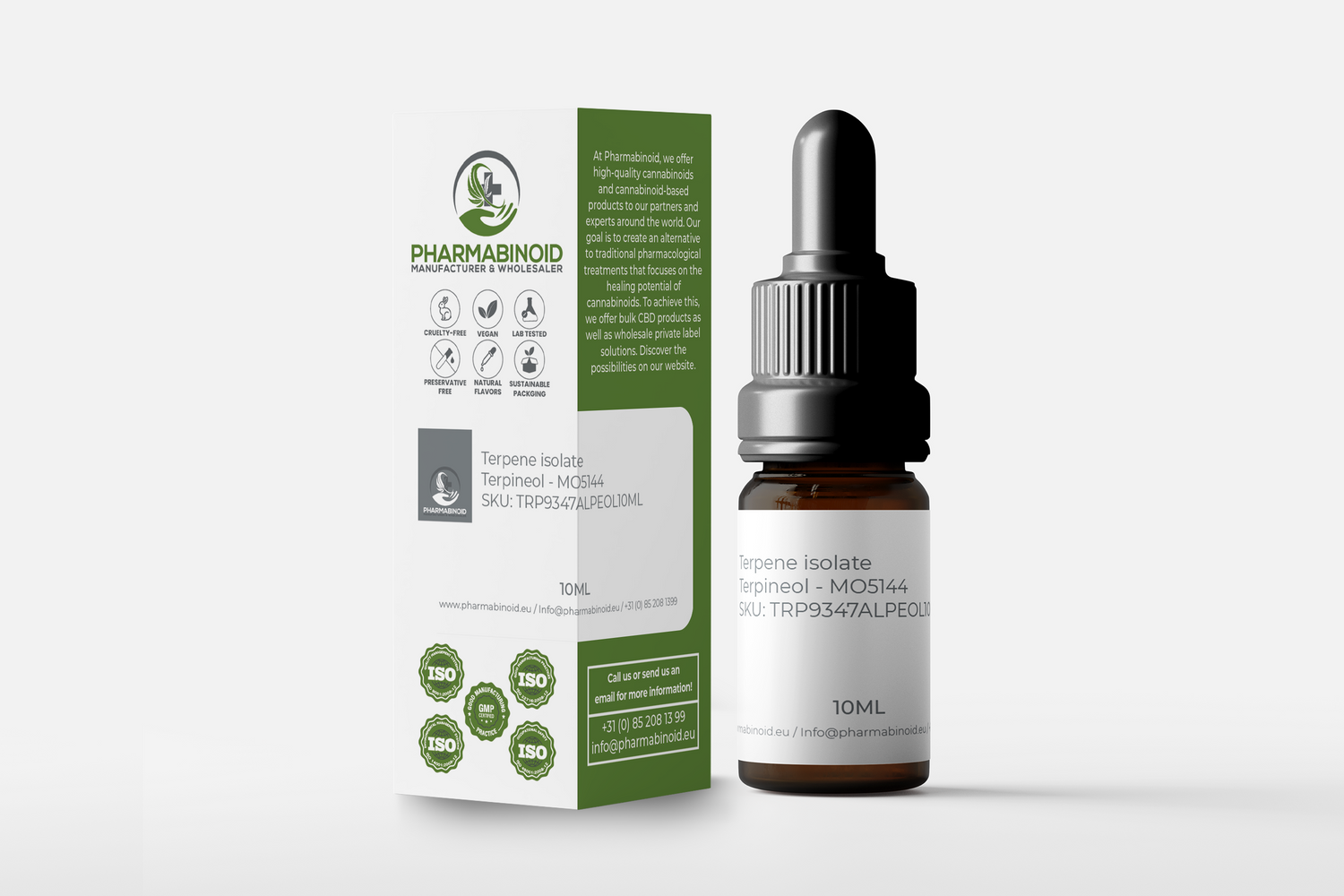
テルペン
テルペン – 卸売購入者ガイド テルペンは、香り設計、感覚的ポジショニング、専門的なカンナビノイド製剤開発のためのテルペン原料をまとめたものです。これは、製品への関心から、文書化された調達、サンプリング、見積依頼、または生産へと至る、より明確な道筋を必要とする専門の購買担当者向けに設計されています。 この製品群は、完全な発売計画の一部として検討するのが最適です。製品形態、文書レベル、仕向け市場、MOQ、リードタイム、および継続供給は、いずれも承認前に考慮すべきです。 この製品群の主な形態 この製品群には、ボタニカルテルペン、カンナビス由来テルペン、個別アイソレート、およびプロファイルベースのブレンドが含まれる場合があります。現在の関連オプションには、Botanical Terpenes、Cannabis Derived Terpenes、Terpene isolate が含まれており、購入者がサンプルや見積を依頼する前に実務的な選択肢を比較するのに役立ちます。在庫状況はバッチ、製品形態、市場ルートによって変わる可能性があるため、購入者は商業的な確約を行う前に最新の選択肢を確認する必要があります。...


ブログ記事
すべて見る-

Eucalyptol Dosage: Formulation and Safety Consi...
Learn why there is no universal eucalyptol dose and how manufacturers should assess concentration, exposure route, product category, quality data and finished-formula safety.
Eucalyptol Dosage: Formulation and Safety Consi...
Learn why there is no universal eucalyptol dose and how manufacturers should assess concentration, exposure route, product category, quality data and finished-formula safety.
-

Risks of Delta 3 Carene: Safety, Exposure and R...
Review Delta 3 Carene risk considerations, exposure routes, evidence limitations and practical quality checks for responsible ingredient assessment and formulation.
Risks of Delta 3 Carene: Safety, Exposure and R...
Review Delta 3 Carene risk considerations, exposure routes, evidence limitations and practical quality checks for responsible ingredient assessment and formulation.
-

Delta 3 Carene Dosage: A Responsible Formulatio...
A science-led guide to evaluating Delta 3 Carene concentration in formulations. Learn why there is no universal dosage, how to assess exposure, and what B2B teams should verify.
Delta 3 Carene Dosage: A Responsible Formulatio...
A science-led guide to evaluating Delta 3 Carene concentration in formulations. Learn why there is no universal dosage, how to assess exposure, and what B2B teams should verify.


