
What Is Cannabidiphorol? CBDP Structure, Uses and Research

Free Sample
Discover the benefits of our products firsthand by visiting our website to obtain your exclusive TryPharma code. When you place an order using this special code, not only will you secure your desired products, but we will also include a complimentary sample with each purchase. This opportunity allows you to experience the quality of our offerings before you commit to the main shipment. Our goal is to ensure that you are completely satisfied with your selection, and this process provides a risk-free way to explore our extensive range of products. Contact us today to get started and take the first step towards a rewarding experience with our premium offerings.

Shipping Insurance
When you purchase bulk CBD isolates, oils, and other products from us, your shipment is fully insured by us at no additional cost to you. We utilize reputable shipping companies like FedEx and UPS for transportation, while managing the insurance coverage ourselves to secure every shipment from our warehouse to your doorstep. At TryPharma, we are committed to fostering business growth by offering a risk-free wholesale service. In the unlikely event of a shipping issue, we guarantee a refund within five business days from the date the incident is confirmed. Our comprehensive approach effectively eliminates 99.9% of all potential risks associated with bulk CBD shipping, ensuring your complete peace of mind.

30 Day Return
We invite you to test the complimentary sample included with your order before opening the main shipment. If the quality does not meet your expectations, you can benefit from our 30-day return policy. This policy permits you to return the product within 30 days for a full refund, guaranteeing your complete satisfaction. Contact us today to explore our exceptional range of products and experience our dedicated customer service.
Cannabinoid Isolates
-
CBDアイソレート - カンナビジオール
通常価格 From €24.99 to €369.99通常価格単価 あたり€0.00セール価格 €24.99 -
CBG - カンナビゲロール
通常価格 From €49.99 to €799.99通常価格単価 あたり€0.00セール価格 €49.99 -
CBN - カンナビノール
通常価格 From €79.99 to €1,299.99通常価格単価 あたり€0.00セール価格 €79.99 -
CBC(カンナビクロメン)分離物
通常価格 From €99.99 to €1,999.99通常価格単価 あたり€0.00セール価格 €99.99 -
CBDV - カンナビジバリン
通常価格 From €13.99 to €3,149.99通常価格単価 あたり€0.00セール価格 €13.99 -
カンナビシトラン分離物 - CBT
通常価格 From €49.99 to €4,349.99通常価格単価 あたり€0.00セール価格 €49.99 -
カンナビジオール酸 - CBDA
通常価格 From €49.99 to €1,499.99通常価格単価 あたり€0.00セール価格 €49.99 -
カンナビゲロール酸 - CBGA
通常価格 From €59.99 to €1,749.99通常価格単価 あたり€0.00セール価格 €59.99


Collections
-

プロ向けPPB向けサイコアクティブブレンド
プロ向けPPBサイコアクティブブレンドPharmabinoidのPPBコレクションは、プロフェッショナルな製品開発、管理されたチャネルでの調達、欧州市場の評価に対応します。フラワーインフュージョン、希釈なしのベイプベース、またはeリキッドベース向けのプロファイルを選び、商業生産の前に処方、文書、対象市場の要件を確認してください。各PPB製品は、カンナビノイドプロファイル、濃度、香味システム、用途、ロット文書、包装、国別要件に基づいて評価する必要があります。入手性と適合性はロットや市場によって異なるため、大口注文の前にサンプルと文書を確認してください。適切なPPBフォーマットを選ぶフラワーインフュージョン用PPB業務用のフラワーインフュージョンプロジェクト向けです。規模を拡大する前に、使用量、カンナビノイド分布、香り、包装、対象市場の要件を確認してください。PPBベイプベース希釈せずに使用する設計です。Live Resinオプションには香味プロファイルが含まれます。Live Resinを含まないベースは、充填前に適切な香料またはテルペンプロファイルが必要です。使用するデバイスで完成処方をテストしてください。PPB eリキッドベース電子たばこ製品の開発向けです。商業生産前に、香り、デバイス適合性、安定性、包装、市場要件を確認してください。コンプライアンスと調達専門バイヤーは、ロット別分析証明書、仕様書、カンナビノイドプロファイル、関連する汚染物質試験、保管情報、対象国または販売チャネルが求める文書を依頼してください。製品が入手可能であることだけでは、法的適合性は確認できません。詳しくはカンナビノイド研究、テルペン、見積依頼をご覧ください。よくある質問PPBはEUのすべての国で使用できますか?一律に判断することはできません。適合性は材料、フォーマット、濃度、表示内容、対象市場の規則によって異なります。最初にサンプルを依頼すべきですか?はい。大口注文の前に、感覚プロファイル、処方挙動、デバイスまたは花との適合性、包装、文書を確認してください。PharmabinoidはカスタムPPBブレンドを作成できますか?はい。見積依頼で対象国、フォーマット、プロファイル、濃度、香り、包装、予定数量をお知らせください。見積依頼を送信して、国、フォーマット、数量、文書要件をお知らせください。
-

CBDオイル
CBDオイル – 卸売購入ガイド CBDオイルは、実用的な用量設定、柔軟な濃度、信頼できる文書を必要とするブランド向けに、オイルベースのカンナビノイド製剤をまとめたものです。これは、製品への関心から文書化された調達、サンプリング、見積もり、または生産までのより明確な道筋を必要とする法人購入者向けに作られています。 この製品群は、完全な立ち上げ計画の一部として確認するのが最適です。製品形態、文書レベル、販売対象市場、MOQ、リードタイム、継続供給は、いずれも承認前に検討すべきです。 この製品群の主な形式 この製品群には、アイソレートベースのオイル、ブロードスペクトラムオイル、フルスペクトラムオイル、ペースト状の形式、キャリア別ブレンドが含まれる場合があります。現在の関連オプションには、Cannabidiol Broad Spectrum Oil - CBD、Cannabidiol...
-
CBDベイプ
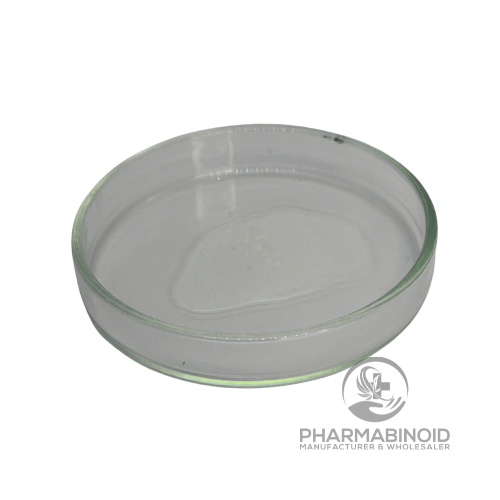
CBDベイプ製品と、プロフェッショナルなカンナビノイド製品開発のための処方サポート このコレクションは、商業製品の企画に向けてCBDベイプの選択肢を明確に比較する必要があるブランド、メーカー、処方開発者向けに構成されています。適切な選択は、最終製品の形態、カンナビノイドプロファイル、原料仕様、包装方法、対象市場、および必要な文書要件によって異なります。 Pharmabinoid は、信頼できる調達、バッチ単位の文書、および大口注文やプライベートラベル生産に進む前の実務的なサポートを必要とするB2Bバイヤーを支援しています。このコレクションを使って適した製品を絞り込み、その後、具体的なプロジェクト内容に基づいてバッチ情報と価格をお問い合わせください。 強固な購買プロセスでは、製品カテゴリーを実際の上市ルートに結び付ける必要があります。バルク原料、充填済み消費者向け製品、プライベートラベル案件では、それぞれ異なる確認事項が必要になる場合があります。注文前に、サンプル、商用在庫、処方サポート、包装サポート、またはカスタム生産ルートのいずれが必要かを確認してください。 見積もり依頼前に比較すべき項目 購買領域 確認内容 製品形態 その製品が意図する最終製品、包装方法、および製造工程に適合するか確認してください。 カンナビノイドプロファイル 仕向け市場におけるカンナビノイドの種類、仕様、および関連する閾値を確認してください。...
-
CBD配合化粧品
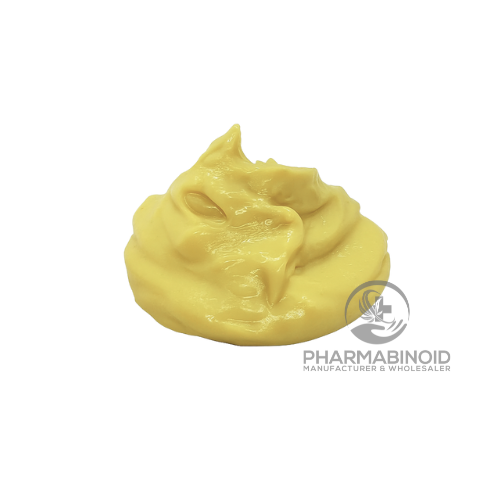
CBD化粧品 – 卸売バイヤーガイド CBD化粧品は、外用製品、スキンケア、プライベートラベル製品群を開発するブランド向けに、CBD化粧品の各種フォーマットをまとめたものです。これは、製品への関心から、文書化された調達、サンプリング、見積もり、または生産へと至る、より明確なルートを必要とするプロのバイヤーを対象としています。 化粧品プロジェクトでは、成分の適合性、訴求表現、包装、文書化に特別な注意が必要なため、購入判断は最初から最終製品化のルートと結び付けて行うべきです。 この製品群の主なフォーマット この製品群には、安定した処方と適切な文書が必要となるクリーム、ローション、バーム、美容液、洗浄製品、その他の化粧品用途が含まれる場合があります。現在の関連オプションには、CBD Hand and Body Lotion、CBD Hand...
-
CBD蒸留物
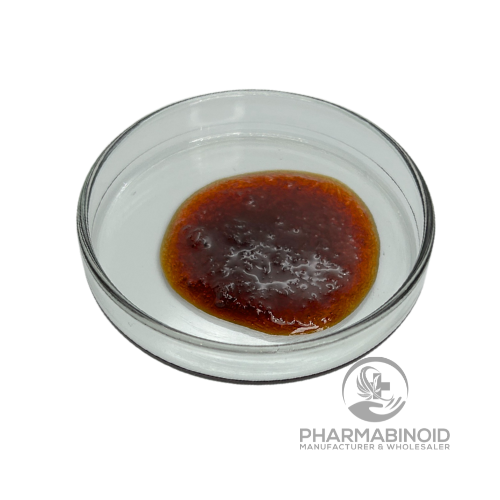
CBDディスティレート – 卸売バイヤーガイド CBDディスティレートは、カンナビノイドの形態、文書類、供給ルートを比較するプロフェッショナルバイヤー向けに製品オプションをまとめたものです。これは、製品への関心から、文書化された調達、サンプリング、見積依頼、または生産へと進むための、より明確な道筋を必要とするプロフェッショナルバイヤーを対象としています。 この製品群は、完全なローンチ計画の一部として確認するのが最適です。製品形態、文書レベル、仕向け市場、MOQ、リードタイム、継続供給は、承認前にすべて考慮されるべきです。 この製品群における主要な形態 この製品群には、カテゴリーに応じて、オイル、アイソレート、ディスティレート、完成品、または特殊形態が含まれる場合があります。現在の関連オプションには、Cannabidiol Broad Spectrum Oil - CBD、Cannabidiol...
-
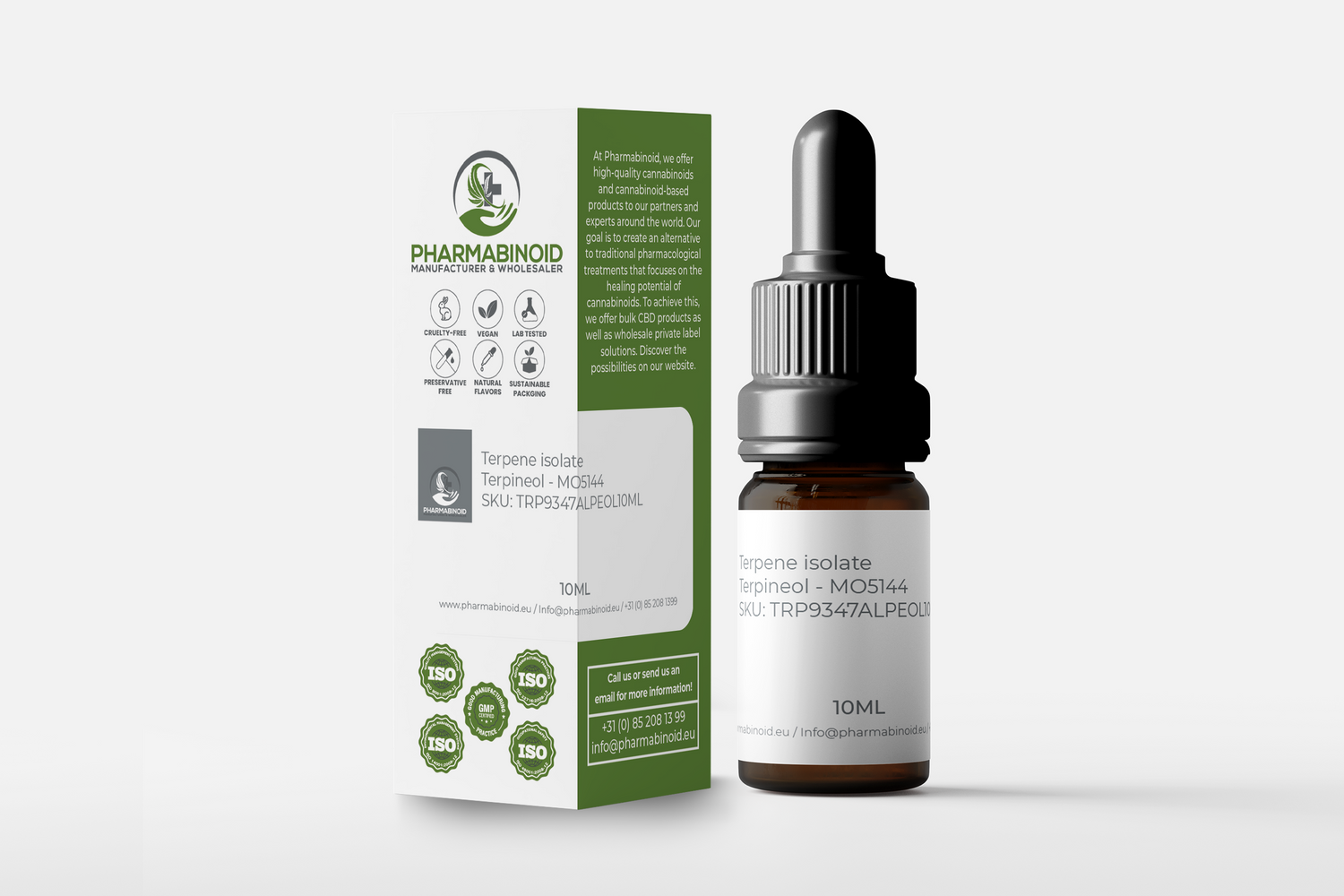
テルペン
テルペン – 卸売購入者ガイド テルペンは、香り設計、感覚的ポジショニング、専門的なカンナビノイド製剤開発のためのテルペン原料をまとめたものです。これは、製品への関心から、文書化された調達、サンプリング、見積依頼、または生産へと至る、より明確な道筋を必要とする専門の購買担当者向けに設計されています。 この製品群は、完全な発売計画の一部として検討するのが最適です。製品形態、文書レベル、仕向け市場、MOQ、リードタイム、および継続供給は、いずれも承認前に考慮すべきです。 この製品群の主な形態 この製品群には、ボタニカルテルペン、カンナビス由来テルペン、個別アイソレート、およびプロファイルベースのブレンドが含まれる場合があります。現在の関連オプションには、Botanical Terpenes、Cannabis Derived Terpenes、Terpene isolate が含まれており、購入者がサンプルや見積を依頼する前に実務的な選択肢を比較するのに役立ちます。在庫状況はバッチ、製品形態、市場ルートによって変わる可能性があるため、購入者は商業的な確約を行う前に最新の選択肢を確認する必要があります。...


Blog posts
すべて見る-
CBD蒸留物とCBDアイソレート:製剤化とコンプライアンスにおける主な違い
CBD蒸留物とCBDアイソレートの違いは、主に組成、目標純度、製剤中での挙動、コンプライアンス戦略に関わります。どちらも精製されたヘンプ由来CBD原料ですが、互換性があるわけではありません。CBD蒸留物は他のカンナビノイド、テルペン、植物成分を含む可能性がある濃縮エキスである一方、CBDアイソレートは非常に高純度のCBDを含む結晶状または粉末状の精製カンナビジオールです。欧州の製剤開発者、ブランド、調達担当者にとって、この違いは分析規格、感覚特性、安定性、コスト、表示、開発する最終製品の種類に影響するため重要です。適切な出発原料は、どちらが「優れているか」ではなく、意図する製剤とコンプライアンス要件にどちらが適合するかで決まります。CBD蒸留物とCBDアイソレート:基本的な違いCBD蒸留物は、冬化、脱炭酸、ろ過、蒸留などの工程でヘンプエキスを精製して製造されます。通常は、CBDを高濃度に含む粘性のある琥珀色から金色の濃縮物となり、微量カンナビノイド、残留テルペン、フラボノイド、ワックス、その他の天然ヘンプ成分を含むことがあります。CBDアイソレートは、さらに精製されます。高度な精製後に結晶化することで、カンナビジオールを他の大部分の成分から分離するのが一般的です。適切に製造されたアイソレートは通常、非常に高いCBD純度に達し、多くの場合約99%ですが、正確な数値は必ず分析証明書で確認してください。簡単に言えば、CBD蒸留物はヘンプエキスのより広い画分であり、CBDアイソレートは単一カンナビノイド原料です。この違いは、実際の製剤化に関するほぼすべての判断に影響します。組成とカンナビノイドプロファイルCBD蒸留物には、主成分であるCBDに加え、バイオマスと加工方法に応じて、CBG、CBC、CBDV、CBNなどの微量カンナビノイドが測定可能な量で含まれる場合があります。特定の除去と確認が行われていない場合、微量のTHCが含まれることもあります。一方、CBDアイソレートには、他のカンナビノイドをできる限り少なくしたカンナビジオールが含まれるべきです。そのため、狭く明確に定義された規格が必要な製剤に適しています。ただし、アイソレートが蒸留物に関連する幅広いカンナビノイドプロファイルを自動的に提供するわけではありません。どちらの原料も外観だけで評価すべきではありません。適切な分析証明書には、カンナビノイド含有量、THC、残留溶媒、農薬、重金属、微生物試験結果、対象市場で必要なその他の試験を含める必要があります。Pharmabinoidは、CBDアイソレートの研究と試験でも技術的背景を提供しています。テルペンプロファイルと感覚特性の違いCBD蒸留物には一部のテルペンが残ることがありますが、後から再添加されない限り、多くの揮発性テルペンは精製中に減少または除去されます。テルペンが残っている場合、製剤の香り、味、粘度、全体的な感覚特性に影響します。CBDアイソレートは通常、テルペンプロファイルがほとんどないか、まったくありません。蒸留物と比べて味と香りがよりニュートラルであるため、ヘンプ由来の風味が望ましくない場合に役立ちます。フレーバーオイル、化粧品、カプセル、精密に標準化されたブレンドなどに適しています。ニュートラルな原料が自動的に優れているわけではありません。幅広いヘンプ由来プロファイルを必要とする製品では、十分に試験された蒸留物の方が適切な場合があります。Pharmabinoidの蒸留物の概要では、精製蒸留物が粗エキスと高純度アイソレートの間でどのような位置付けになるかを説明しています。製剤化に関する考慮事項:CBD蒸留物かアイソレートか製剤開発者は原料名ではなく、最終製品の要件から検討を始めるべきです。重要な要素には、溶解性、均一性、目標濃度、質感、味、色、製造工程があります。CBD蒸留物が適する場合幅広く、文書化されたカンナビノイドプロファイルが望ましい場合。より濃厚で樹脂状の出発原料を扱える製剤の場合。天然のヘンプ由来の感覚特性が許容される、または望ましい場合。微量カンナビノイドが製品コンセプトの一部である場合。ただしコンプライアンス確認が必要です。CBDアイソレートが適する場合高純度のCBD出発原料が必要な場合。味、色、香りへの影響を最小限にしたい場合。CBDの正確な標準化が優先される場合。別々の原料からカスタムカンナビノイドまたはテルペンシステムを構築したい場合。純度、コンプライアンス、欧州市場の要件欧州におけるカンナビノイドのコンプライアンスは複雑で、国、製品タイプ、用途によって異なります。ヘンプ由来の原料がすべての市場で自動的に適合するわけではありません。THC上限、新規食品に関する要件、化粧品規則、輸送要件、各国の解釈が市場アクセスに影響する場合があります。CBDアイソレートはカンナビノイドプロファイルが狭く、適切に精製されていればTHCが検出不能または極めて低いはずであるため、一部のコンプライアンス確認を簡略化できる可能性があります。CBD蒸留物は、幅広い抽出画分に微量カンナビノイドやTHCがより変動的に含まれる可能性があるため、より詳細な確認が必要になる場合があります。どちらの場合も、最新の分析文書が不可欠です。欧州の購入者は、一般的なマーケティング資料ではなく、ロットごとの分析証明書を要求すべきです。製造基準、抽出原料の由来、精製方法、汚染物質試験についてのサプライヤーの透明性は、重要な品質指標です。欧州食品安全機関の新規食品に関する資料は一般的な背景を提供しますが、必要に応じて製品固有の規制助言を受けてください。バイオアベイラビリティと製品性能バイオアベイラビリティは、出発原料が蒸留物かアイソレートかだけで決まりません。最終製剤、キャリアシステム、粒子径、乳化方法、投与経路、時間経過による安定性に左右されます。高純度アイソレートでも、設計の不十分な製剤では性能が安定しない可能性があります。一方、蒸留物は、適切に設計されたキャリアシステムでは効果的に分散できる場合があります。真剣な製品開発には、パイロットバッチ、安定性試験、官能評価、最終製品分析が必要です。コストと調達の違い蒸留物とアイソレートには商業面でも違いがあります。幅広いエキスが許容される場合、蒸留物の方が経済的なことがあります。一方、アイソレートでは追加の精製や結晶化コストが発生する場合があります。ただし、原料価格だけで判断すべきではありません。安価な出発原料でも、マスキング、分析、安定性、再処方に問題が生じれば、最終的に高コストになる可能性があります。逆に、高純度アイソレートは、製造と品質管理の複雑さを下げられる場合、費用対効果に優れることがあります。カンナビノイド原料と製剤戦略についての詳しい背景は、Pharmabinoidのカンナビノイド最新情報ブログをご覧ください。試験チェックリストCBD蒸留物またはCBDアイソレートを選ぶ前に、入手可能な文書を確認してください。信頼できる仕様書類には通常、以下が含まれます。カンナビノイド含有量:CBD含有量と検出されたすべての微量カンナビノイド。THCの状態:適切にバリデーションされた方法による測定結果。残留溶媒:特に溶媒抽出または精製後には重要です。汚染物質:農薬、重金属、マイコトキシン、必要に応じた微生物学的品質。ロット追跡性:ロット番号、製造日、試験日、試験機関情報。安定性情報:最終製剤での性能予測に役立つ情報。分析試験は単なる規制上の形式ではありません。製剤の正確性、調達の安定性、カンナビノイド製品の責任ある製造を支えます。FAQ:CBD蒸留物とCBDアイソレートCBD蒸留物とCBDアイソレートの主な違いは何ですか?CBD蒸留物は、CBD、他のカンナビノイド、植物成分を含む可能性がある精製ヘンプエキスです。CBDアイソレートは、ほとんどの他の成分を除去した精製カンナビジオールです。CBD蒸留物はCBDアイソレートより強力ですか?必ずしもそうではありません。通常、アイソレートは重量比でより高いCBD含有率を持ち、蒸留物はより幅広いカンナビノイドプロファイルを提供する場合があります。強度はロットごとの分析証明書で確認してください。CBD蒸留物にはテルペンが含まれますか?含まれる場合がありますが、量は変動し、精製中に多くの揮発性テルペンが減少します。より高い均一性が必要な場合は、定義済みのテルペンブレンドを別途添加できます。CBDアイソレートはブロードスペクトラム製品に使用できますか?アイソレートは幅広い製剤の一成分にはなりますが、それ自体がブロードスペクトラム製品ではありません。他のカンナビノイドまたはテルペンを添加し、最終組成を試験する必要があります。分析証明書が重要なのはなぜですか?分析証明書は、CBD含有量、THCの状態、カンナビノイドプロファイル、汚染物質の結果など、そのロットに実際に含まれるものを確認します。信頼できる試験がなければ、責任ある製剤化と調達の判断は困難です。結論:蒸留物とアイソレートの選択CBD蒸留物とCBDアイソレートは異なる目的に使用されます。蒸留物は精製ヘンプエキスの幅広いプロファイルを提供し、アイソレートは感覚特性への影響が少なく、分析プロファイルがより単純な高純度カンナビジオールを提供します。欧州のブランドとメーカーは、製剤設計、コンプライアンス要件、望ましいカンナビノイドプロファイル、製造工程、検証済みの試験結果に基づいて判断すべきです。透明性のある製造基準とロット固有の分析を備えた、十分に文書化された原料は、純度や強度について根拠のない主張よりも価値があります。さらに詳しくは、PharmabinoidのCBD蒸留物と精製ヘンプエキスに期待できることに関する記事をご覧ください。
CBD蒸留物とCBDアイソレート:製剤化とコンプライアンスにおける主な違い
CBD蒸留物とCBDアイソレートの違いは、主に組成、目標純度、製剤中での挙動、コンプライアンス戦略に関わります。どちらも精製されたヘンプ由来CBD原料ですが、互換性があるわけではありません。CBD蒸留物は他のカンナビノイド、テルペン、植物成分を含む可能性がある濃縮エキスである一方、CBDアイソレートは非常に高純度のCBDを含む結晶状または粉末状の精製カンナビジオールです。欧州の製剤開発者、ブランド、調達担当者にとって、この違いは分析規格、感覚特性、安定性、コスト、表示、開発する最終製品の種類に影響するため重要です。適切な出発原料は、どちらが「優れているか」ではなく、意図する製剤とコンプライアンス要件にどちらが適合するかで決まります。CBD蒸留物とCBDアイソレート:基本的な違いCBD蒸留物は、冬化、脱炭酸、ろ過、蒸留などの工程でヘンプエキスを精製して製造されます。通常は、CBDを高濃度に含む粘性のある琥珀色から金色の濃縮物となり、微量カンナビノイド、残留テルペン、フラボノイド、ワックス、その他の天然ヘンプ成分を含むことがあります。CBDアイソレートは、さらに精製されます。高度な精製後に結晶化することで、カンナビジオールを他の大部分の成分から分離するのが一般的です。適切に製造されたアイソレートは通常、非常に高いCBD純度に達し、多くの場合約99%ですが、正確な数値は必ず分析証明書で確認してください。簡単に言えば、CBD蒸留物はヘンプエキスのより広い画分であり、CBDアイソレートは単一カンナビノイド原料です。この違いは、実際の製剤化に関するほぼすべての判断に影響します。組成とカンナビノイドプロファイルCBD蒸留物には、主成分であるCBDに加え、バイオマスと加工方法に応じて、CBG、CBC、CBDV、CBNなどの微量カンナビノイドが測定可能な量で含まれる場合があります。特定の除去と確認が行われていない場合、微量のTHCが含まれることもあります。一方、CBDアイソレートには、他のカンナビノイドをできる限り少なくしたカンナビジオールが含まれるべきです。そのため、狭く明確に定義された規格が必要な製剤に適しています。ただし、アイソレートが蒸留物に関連する幅広いカンナビノイドプロファイルを自動的に提供するわけではありません。どちらの原料も外観だけで評価すべきではありません。適切な分析証明書には、カンナビノイド含有量、THC、残留溶媒、農薬、重金属、微生物試験結果、対象市場で必要なその他の試験を含める必要があります。Pharmabinoidは、CBDアイソレートの研究と試験でも技術的背景を提供しています。テルペンプロファイルと感覚特性の違いCBD蒸留物には一部のテルペンが残ることがありますが、後から再添加されない限り、多くの揮発性テルペンは精製中に減少または除去されます。テルペンが残っている場合、製剤の香り、味、粘度、全体的な感覚特性に影響します。CBDアイソレートは通常、テルペンプロファイルがほとんどないか、まったくありません。蒸留物と比べて味と香りがよりニュートラルであるため、ヘンプ由来の風味が望ましくない場合に役立ちます。フレーバーオイル、化粧品、カプセル、精密に標準化されたブレンドなどに適しています。ニュートラルな原料が自動的に優れているわけではありません。幅広いヘンプ由来プロファイルを必要とする製品では、十分に試験された蒸留物の方が適切な場合があります。Pharmabinoidの蒸留物の概要では、精製蒸留物が粗エキスと高純度アイソレートの間でどのような位置付けになるかを説明しています。製剤化に関する考慮事項:CBD蒸留物かアイソレートか製剤開発者は原料名ではなく、最終製品の要件から検討を始めるべきです。重要な要素には、溶解性、均一性、目標濃度、質感、味、色、製造工程があります。CBD蒸留物が適する場合幅広く、文書化されたカンナビノイドプロファイルが望ましい場合。より濃厚で樹脂状の出発原料を扱える製剤の場合。天然のヘンプ由来の感覚特性が許容される、または望ましい場合。微量カンナビノイドが製品コンセプトの一部である場合。ただしコンプライアンス確認が必要です。CBDアイソレートが適する場合高純度のCBD出発原料が必要な場合。味、色、香りへの影響を最小限にしたい場合。CBDの正確な標準化が優先される場合。別々の原料からカスタムカンナビノイドまたはテルペンシステムを構築したい場合。純度、コンプライアンス、欧州市場の要件欧州におけるカンナビノイドのコンプライアンスは複雑で、国、製品タイプ、用途によって異なります。ヘンプ由来の原料がすべての市場で自動的に適合するわけではありません。THC上限、新規食品に関する要件、化粧品規則、輸送要件、各国の解釈が市場アクセスに影響する場合があります。CBDアイソレートはカンナビノイドプロファイルが狭く、適切に精製されていればTHCが検出不能または極めて低いはずであるため、一部のコンプライアンス確認を簡略化できる可能性があります。CBD蒸留物は、幅広い抽出画分に微量カンナビノイドやTHCがより変動的に含まれる可能性があるため、より詳細な確認が必要になる場合があります。どちらの場合も、最新の分析文書が不可欠です。欧州の購入者は、一般的なマーケティング資料ではなく、ロットごとの分析証明書を要求すべきです。製造基準、抽出原料の由来、精製方法、汚染物質試験についてのサプライヤーの透明性は、重要な品質指標です。欧州食品安全機関の新規食品に関する資料は一般的な背景を提供しますが、必要に応じて製品固有の規制助言を受けてください。バイオアベイラビリティと製品性能バイオアベイラビリティは、出発原料が蒸留物かアイソレートかだけで決まりません。最終製剤、キャリアシステム、粒子径、乳化方法、投与経路、時間経過による安定性に左右されます。高純度アイソレートでも、設計の不十分な製剤では性能が安定しない可能性があります。一方、蒸留物は、適切に設計されたキャリアシステムでは効果的に分散できる場合があります。真剣な製品開発には、パイロットバッチ、安定性試験、官能評価、最終製品分析が必要です。コストと調達の違い蒸留物とアイソレートには商業面でも違いがあります。幅広いエキスが許容される場合、蒸留物の方が経済的なことがあります。一方、アイソレートでは追加の精製や結晶化コストが発生する場合があります。ただし、原料価格だけで判断すべきではありません。安価な出発原料でも、マスキング、分析、安定性、再処方に問題が生じれば、最終的に高コストになる可能性があります。逆に、高純度アイソレートは、製造と品質管理の複雑さを下げられる場合、費用対効果に優れることがあります。カンナビノイド原料と製剤戦略についての詳しい背景は、Pharmabinoidのカンナビノイド最新情報ブログをご覧ください。試験チェックリストCBD蒸留物またはCBDアイソレートを選ぶ前に、入手可能な文書を確認してください。信頼できる仕様書類には通常、以下が含まれます。カンナビノイド含有量:CBD含有量と検出されたすべての微量カンナビノイド。THCの状態:適切にバリデーションされた方法による測定結果。残留溶媒:特に溶媒抽出または精製後には重要です。汚染物質:農薬、重金属、マイコトキシン、必要に応じた微生物学的品質。ロット追跡性:ロット番号、製造日、試験日、試験機関情報。安定性情報:最終製剤での性能予測に役立つ情報。分析試験は単なる規制上の形式ではありません。製剤の正確性、調達の安定性、カンナビノイド製品の責任ある製造を支えます。FAQ:CBD蒸留物とCBDアイソレートCBD蒸留物とCBDアイソレートの主な違いは何ですか?CBD蒸留物は、CBD、他のカンナビノイド、植物成分を含む可能性がある精製ヘンプエキスです。CBDアイソレートは、ほとんどの他の成分を除去した精製カンナビジオールです。CBD蒸留物はCBDアイソレートより強力ですか?必ずしもそうではありません。通常、アイソレートは重量比でより高いCBD含有率を持ち、蒸留物はより幅広いカンナビノイドプロファイルを提供する場合があります。強度はロットごとの分析証明書で確認してください。CBD蒸留物にはテルペンが含まれますか?含まれる場合がありますが、量は変動し、精製中に多くの揮発性テルペンが減少します。より高い均一性が必要な場合は、定義済みのテルペンブレンドを別途添加できます。CBDアイソレートはブロードスペクトラム製品に使用できますか?アイソレートは幅広い製剤の一成分にはなりますが、それ自体がブロードスペクトラム製品ではありません。他のカンナビノイドまたはテルペンを添加し、最終組成を試験する必要があります。分析証明書が重要なのはなぜですか?分析証明書は、CBD含有量、THCの状態、カンナビノイドプロファイル、汚染物質の結果など、そのロットに実際に含まれるものを確認します。信頼できる試験がなければ、責任ある製剤化と調達の判断は困難です。結論:蒸留物とアイソレートの選択CBD蒸留物とCBDアイソレートは異なる目的に使用されます。蒸留物は精製ヘンプエキスの幅広いプロファイルを提供し、アイソレートは感覚特性への影響が少なく、分析プロファイルがより単純な高純度カンナビジオールを提供します。欧州のブランドとメーカーは、製剤設計、コンプライアンス要件、望ましいカンナビノイドプロファイル、製造工程、検証済みの試験結果に基づいて判断すべきです。透明性のある製造基準とロット固有の分析を備えた、十分に文書化された原料は、純度や強度について根拠のない主張よりも価値があります。さらに詳しくは、PharmabinoidのCBD蒸留物と精製ヘンプエキスに期待できることに関する記事をご覧ください。
-
CBD蒸留物とCBDアイソレート:違い、用途、製剤化ガイド
CBD蒸留物とCBDアイソレートの比較は、ヘンプ由来原料を扱うブランド、製剤開発者、購入担当者にとって重要です。どちらもカンナビジオールを豊富に含む可能性がありますが、組成、感覚特性、製剤中での挙動、分析要件、コンプライアンス上の考慮事項が異なります。CBDアイソレートは精製された結晶状のカンナビジオールであるのに対し、CBD蒸留物は微量カンナビノイド、残留テルペン、ワックス、その他の成分を含む可能性がある精製ヘンプエキスです。選択は、製品形態、望ましいカンナビノイドプロファイル、期待する純度、市場要件によって決まります。CBD蒸留物とCBDアイソレート:基本的な違い違いを理解する最も簡単な方法は、原料のプロファイルを確認することです。CBDアイソレートは高純度と均一性を目的として設計され、CBD蒸留物はより幅広い化学的プロファイルを持つ精製エキスです。どちらが常に優れているわけではなく、それぞれ異なる製剤化目的に適しています。CBD蒸留物の製造方法CBD蒸留物は通常、ヘンプバイオマスを抽出し、冬化、ろ過、脱炭酸、溶媒除去、分子蒸留などの工程で精製して製造されます。通常は琥珀色から金色の粘性物質になります。各ロットについて、カンナビノイド含有量、残留溶媒、重金属、農薬、微生物学的品質、粘度、色、におい、結晶化挙動を確認する必要があります。CBDアイソレートの製造方法CBDアイソレートは通常、CBDを豊富に含むエキスまたは蒸留物から作られます。追加の精製によって、カンナビジオールを他のカンナビノイドや植物成分から分離し、多くの場合は結晶化を行います。結果として、狭い分析プロファイルを持つ高純度原料になります。ただし、ロット固有の試験結果による裏付けが必要です。詳しい技術的背景については、CBDアイソレートの研究と試験をご覧ください。製剤化に関する考慮事項:CBD蒸留物かアイソレートか選択は最終製品の要件によって決めるべきです。溶解性、均一性、目標濃度、質感、味、色、安定性、製造工程を検討してください。CBDアイソレートが適する場合クリーンでニュートラルな感覚特性が重要な場合。単一カンナビノイドの原料が必要な場合。色の管理が重要な場合。CBDの正確な標準化が必要な場合。製剤計算に明確に定義されたCBD投入量が必要な場合。CBDアイソレートは、味、におい、見た目の透明性が重要なオイル、エマルション、化粧品などに適しています。自動的に水溶性になるわけではないため、適切なキャリアシステムと製剤化戦略が必要です。CBD蒸留物が適する場合ヘンプ由来のより幅広いカンナビノイドプロファイルが望ましい場合。微量カンナビノイドが仕様の一部である場合。天然エキスの特性が許容される、または望ましい場合。最終製品が色や粘度を許容できる場合。単一の精製カンナビノイドよりもエキス由来の原料が望ましい場合。蒸留物は組成上の複雑性をもたらしますが、その複雑性にはより厳格な品質管理が必要です。詳しくは、PharmabinoidのCBD蒸留物に関する資料をご覧ください。純度、カンナビノイドプロファイル、試験CBDアイソレートは、CBDの割合が高く、追加成分が少ないため、狭い意味では通常より高純度です。CBD蒸留物も高度に精製されている場合がありますが、単一分子だけに限定されるわけではありません。CBD含有量、微量カンナビノイド、THC、残留溶媒、農薬、重金属、微生物学的状態、その他の関連汚染物質を確認してください。科学的エビデンスは、カンナビノイド、投与形態、研究デザインによって異なります。PubMedなどの公開データベースは研究に役立ちますが、初期段階の知見を製品について確認済みの主張として提示すべきではありません。テルペンと感覚特性CBDアイソレートは通常、テルペン由来の香りがほとんどありません。蒸留物はヘンプ由来の香り、色、風味を一部保持する場合がありますが、多くの揮発性テルペンは精製中に減少します。精密な感覚特性の管理が必要な場合は、定義済みのテルペンブレンドを別途添加できます。欧州のコンプライアンスに関する考慮事項欧州でのコンプライアンスは、国、製品カテゴリー、用途、THC規格、文書、各国の解釈によって異なります。新規食品、化粧品、表示、輸送などに関する要件が適用される場合があります。欧州食品安全機関の新規食品に関する資料は一般的な背景を提供しますが、必要に応じて製品固有の規制助言を受けてください。CBD蒸留物とCBDアイソレート、どちらが優れているか純度、ニュートラルな感覚特性、正確な標準化が優先される場合、アイソレートが実用的な選択となることが多いです。より幅広いヘンプエキスのプロファイルや追加のカンナビノイドが望ましい場合は、蒸留物が適している可能性があります。正しい選択は、製品仕様、分析要件、市場環境に合うものです。品質管理チェックリストカンナビノイドプロファイル:CBDおよび検出された微量カンナビノイド。THCの状態:適切な方法で測定された結果。残留溶媒:特に溶媒抽出または精製後。汚染物質:農薬、重金属、マイコトキシン、必要に応じた微生物学的品質。追跡可能性:ロット番号、製造日、試験日、試験機関情報。安定性:最終製品の性能予測に役立つ情報。FAQ:CBD蒸留物とCBDアイソレート主な違いは何ですか?CBD蒸留物は、他のカンナビノイドや植物成分を含む可能性がある精製ヘンプエキスです。CBDアイソレートは、ほとんどの他の成分を除去した精製カンナビジオールです。CBD蒸留物はより強力ですか?必ずしもそうではありません。通常、アイソレートは重量比でより高いCBD含有率を持ち、蒸留物はより幅広いカンナビノイドプロファイルを提供する場合があります。ロットごとの分析証明書を使用してください。CBDアイソレートにはテルペンが含まれますか?通常、テルペンはほとんど含まれないか、含まれていません。必要に応じてテルペンを別途添加できます。CBD蒸留物にはTHCが含まれますか?出発原料と精製工程によっては、蒸留物に微量のTHCが含まれる場合があります。ロット固有の試験で確認してください。CBD蒸留物はフルスペクトラムですか?必ずしもそうではありません。製造方法とTHC規格に応じて、フルスペクトラム、ブロードスペクトラム、またはさらに精製されたものがあります。製剤化にはどちらが適していますか?アイソレートは、ニュートラルな製品、THCに敏感な製品、高度に標準化された製品に使いやすいことが多いです。蒸留物は、ヘンプ由来のより幅広いプロファイルを必要とする製品に適する場合があります。どちらも試験、安定性評価、コンプライアンス確認が必要です。結論CBD蒸留物は精製ヘンプエキスの幅広いプロファイルを提供し、CBDアイソレートはより明確な感覚特性と簡単な分析管理を備えた精製カンナビジオールを提供します。欧州のブランドは、製剤設計、コンプライアンス要件、カンナビノイドプロファイル、製造工程、検証済みの試験結果に基づいて選択すべきです。
CBD蒸留物とCBDアイソレート:違い、用途、製剤化ガイド
CBD蒸留物とCBDアイソレートの比較は、ヘンプ由来原料を扱うブランド、製剤開発者、購入担当者にとって重要です。どちらもカンナビジオールを豊富に含む可能性がありますが、組成、感覚特性、製剤中での挙動、分析要件、コンプライアンス上の考慮事項が異なります。CBDアイソレートは精製された結晶状のカンナビジオールであるのに対し、CBD蒸留物は微量カンナビノイド、残留テルペン、ワックス、その他の成分を含む可能性がある精製ヘンプエキスです。選択は、製品形態、望ましいカンナビノイドプロファイル、期待する純度、市場要件によって決まります。CBD蒸留物とCBDアイソレート:基本的な違い違いを理解する最も簡単な方法は、原料のプロファイルを確認することです。CBDアイソレートは高純度と均一性を目的として設計され、CBD蒸留物はより幅広い化学的プロファイルを持つ精製エキスです。どちらが常に優れているわけではなく、それぞれ異なる製剤化目的に適しています。CBD蒸留物の製造方法CBD蒸留物は通常、ヘンプバイオマスを抽出し、冬化、ろ過、脱炭酸、溶媒除去、分子蒸留などの工程で精製して製造されます。通常は琥珀色から金色の粘性物質になります。各ロットについて、カンナビノイド含有量、残留溶媒、重金属、農薬、微生物学的品質、粘度、色、におい、結晶化挙動を確認する必要があります。CBDアイソレートの製造方法CBDアイソレートは通常、CBDを豊富に含むエキスまたは蒸留物から作られます。追加の精製によって、カンナビジオールを他のカンナビノイドや植物成分から分離し、多くの場合は結晶化を行います。結果として、狭い分析プロファイルを持つ高純度原料になります。ただし、ロット固有の試験結果による裏付けが必要です。詳しい技術的背景については、CBDアイソレートの研究と試験をご覧ください。製剤化に関する考慮事項:CBD蒸留物かアイソレートか選択は最終製品の要件によって決めるべきです。溶解性、均一性、目標濃度、質感、味、色、安定性、製造工程を検討してください。CBDアイソレートが適する場合クリーンでニュートラルな感覚特性が重要な場合。単一カンナビノイドの原料が必要な場合。色の管理が重要な場合。CBDの正確な標準化が必要な場合。製剤計算に明確に定義されたCBD投入量が必要な場合。CBDアイソレートは、味、におい、見た目の透明性が重要なオイル、エマルション、化粧品などに適しています。自動的に水溶性になるわけではないため、適切なキャリアシステムと製剤化戦略が必要です。CBD蒸留物が適する場合ヘンプ由来のより幅広いカンナビノイドプロファイルが望ましい場合。微量カンナビノイドが仕様の一部である場合。天然エキスの特性が許容される、または望ましい場合。最終製品が色や粘度を許容できる場合。単一の精製カンナビノイドよりもエキス由来の原料が望ましい場合。蒸留物は組成上の複雑性をもたらしますが、その複雑性にはより厳格な品質管理が必要です。詳しくは、PharmabinoidのCBD蒸留物に関する資料をご覧ください。純度、カンナビノイドプロファイル、試験CBDアイソレートは、CBDの割合が高く、追加成分が少ないため、狭い意味では通常より高純度です。CBD蒸留物も高度に精製されている場合がありますが、単一分子だけに限定されるわけではありません。CBD含有量、微量カンナビノイド、THC、残留溶媒、農薬、重金属、微生物学的状態、その他の関連汚染物質を確認してください。科学的エビデンスは、カンナビノイド、投与形態、研究デザインによって異なります。PubMedなどの公開データベースは研究に役立ちますが、初期段階の知見を製品について確認済みの主張として提示すべきではありません。テルペンと感覚特性CBDアイソレートは通常、テルペン由来の香りがほとんどありません。蒸留物はヘンプ由来の香り、色、風味を一部保持する場合がありますが、多くの揮発性テルペンは精製中に減少します。精密な感覚特性の管理が必要な場合は、定義済みのテルペンブレンドを別途添加できます。欧州のコンプライアンスに関する考慮事項欧州でのコンプライアンスは、国、製品カテゴリー、用途、THC規格、文書、各国の解釈によって異なります。新規食品、化粧品、表示、輸送などに関する要件が適用される場合があります。欧州食品安全機関の新規食品に関する資料は一般的な背景を提供しますが、必要に応じて製品固有の規制助言を受けてください。CBD蒸留物とCBDアイソレート、どちらが優れているか純度、ニュートラルな感覚特性、正確な標準化が優先される場合、アイソレートが実用的な選択となることが多いです。より幅広いヘンプエキスのプロファイルや追加のカンナビノイドが望ましい場合は、蒸留物が適している可能性があります。正しい選択は、製品仕様、分析要件、市場環境に合うものです。品質管理チェックリストカンナビノイドプロファイル:CBDおよび検出された微量カンナビノイド。THCの状態:適切な方法で測定された結果。残留溶媒:特に溶媒抽出または精製後。汚染物質:農薬、重金属、マイコトキシン、必要に応じた微生物学的品質。追跡可能性:ロット番号、製造日、試験日、試験機関情報。安定性:最終製品の性能予測に役立つ情報。FAQ:CBD蒸留物とCBDアイソレート主な違いは何ですか?CBD蒸留物は、他のカンナビノイドや植物成分を含む可能性がある精製ヘンプエキスです。CBDアイソレートは、ほとんどの他の成分を除去した精製カンナビジオールです。CBD蒸留物はより強力ですか?必ずしもそうではありません。通常、アイソレートは重量比でより高いCBD含有率を持ち、蒸留物はより幅広いカンナビノイドプロファイルを提供する場合があります。ロットごとの分析証明書を使用してください。CBDアイソレートにはテルペンが含まれますか?通常、テルペンはほとんど含まれないか、含まれていません。必要に応じてテルペンを別途添加できます。CBD蒸留物にはTHCが含まれますか?出発原料と精製工程によっては、蒸留物に微量のTHCが含まれる場合があります。ロット固有の試験で確認してください。CBD蒸留物はフルスペクトラムですか?必ずしもそうではありません。製造方法とTHC規格に応じて、フルスペクトラム、ブロードスペクトラム、またはさらに精製されたものがあります。製剤化にはどちらが適していますか?アイソレートは、ニュートラルな製品、THCに敏感な製品、高度に標準化された製品に使いやすいことが多いです。蒸留物は、ヘンプ由来のより幅広いプロファイルを必要とする製品に適する場合があります。どちらも試験、安定性評価、コンプライアンス確認が必要です。結論CBD蒸留物は精製ヘンプエキスの幅広いプロファイルを提供し、CBDアイソレートはより明確な感覚特性と簡単な分析管理を備えた精製カンナビジオールを提供します。欧州のブランドは、製剤設計、コンプライアンス要件、カンナビノイドプロファイル、製造工程、検証済みの試験結果に基づいて選択すべきです。
-
CBD蒸留物とCBDアイソレート:製剤化、純度、コンプライアンスにおける主な違い
CBD蒸留物とCBDアイソレートは、ヘンプ由来原料を扱うブランド、製剤開発者、購入担当者にとってよく比較される原料です。どちらも高品質なCBD供給源になり得ますが、製剤中での挙動、試験、表示、感覚特性、コンプライアンス上の考慮事項が異なります。最適な選択は、製品が幅広いヘンプエキスのプロファイルを必要とするか、高度に精製されたCBD原料を必要とするかによって決まります。CBD蒸留物は、他のカンナビノイド、残留テルペン、微量成分を含む可能性がある精製ヘンプエキスです。CBDアイソレートは精製カンナビジオールであり、適切に製造・試験された場合、通常は非常に高いCBD純度と他のカンナビノイドをほとんど含まない結晶状粉末として供給されます。CBD蒸留物とCBDアイソレート:基本的な違い主な違いは組成です。蒸留物は濃縮エキスであるのに対し、アイソレートは単一の精製カンナビノイド原料です。蒸留物には、バイオマス、抽出方法、精製工程、最終規格によって、CBG、CBC、CBNなどの微量カンナビノイドや微量のTHCが含まれる場合があります。アイソレートは、純度、均一性、複雑性の少なさが優先される場合に選ばれます。CBD蒸留物とはCBD蒸留物は、ヘンプバイオマスを抽出し、冬化、脱炭酸、ろ過、蒸留などの工程でエキスを精製して製造されます。通常は琥珀色から金色の粘性物質になります。蒸留物は同一ではありません。フルスペクトラムのもの、ブロードスペクトラムのもの、さらに精製されたものがあります。完全なカンナビノイドプロファイルとロット固有の分析証明書を確認してください。詳しくは、Pharmabinoidの蒸留物の概要をご覧ください。CBDアイソレートとはCBDアイソレートは、蒸留段階を超えて精製されたカンナビジオールです。追加の精製と結晶化によって、CBDを他のカンナビノイドや植物成分から分離します。通常は、狭い分析プロファイルを持つ白色またはクリーム色の結晶状粉末となり、味、香り、色はニュートラルです。「アイソレート」という名称は、CBD含有量、THC結果、残留溶媒、農薬、重金属、微生物学的品質、関連する試験方法など、ロット固有の試験で裏付ける必要があります。詳しい技術的背景については、CBDアイソレートの研究と試験をご覧ください。製剤化における実際の違い1. カンナビノイドプロファイル蒸留物はより幅広いカンナビノイドプロファイルを提供し、ヘンプエキスを中心に設計された製品に適する場合があります。アイソレートは、製剤でロット間の変動が少ないカンナビジオールが必要な場合に、狭く管理されたプロファイルを提供します。2. THCに関する考慮事項一部の蒸留物には、スペクトラム分類や製造工程によって微量のTHCが含まれる場合があります。適切に精製されたアイソレートには משמעותのある量のTHCが含まれないはずですが、これは試験で確認する必要があります。欧州の要件は、国、製品カテゴリー、用途、各国の解釈によって異なります。3. テルペンと感覚特性蒸留物にはヘンプ由来の香り、色、風味が一部残ることがありますが、揮発性テルペンは精製中に減少することがよくあります。アイソレートは一般的によりニュートラルです。正確な感覚特性の管理が必要な場合は、定義済みのテルペンブレンドを別途添加できます。4. 溶解性と取り扱い蒸留物は濃厚で樹脂状のため、キャリアオイルに分散させるには、穏やかな加温と適切な混合が必要になる場合があります。アイソレートは正確に計量できる結晶状固体ですが、分散不良や再結晶化を防ぐため、適切なキャリアシステムと加工条件が必要です。5. バイオアベイラビリティバイオアベイラビリティは蒸留物やアイソレートだけで決まるものではなく、最終的な投与システムに左右されます。キャリアオイル、乳化剤、粒子径、賦形剤、製品形態、安定性などが性能に影響します。CBD蒸留物とアイソレートを選ぶ場合幅広いヘンプ由来カンナビノイドプロファイル、天然エキスとしての特性、追加のカンナビノイドが望ましい場合、蒸留物が適している可能性があります。最大限のCBD純度、感覚特性への影響の少なさ、簡略化された分析、正確なカンナビノイド計算が必要な場合は、アイソレートが適している可能性があります。CBD形態の幅広い比較については、PharmabinoidのCBDオイルとCBDアイソレートのガイドをご覧ください。品質管理チェックリストカンナビノイドプロファイル:CBD、微量カンナビノイド、必要に応じたTHC。純度と同一性:原料が申告された種類と一致することの確認。残留溶媒:特に抽出または精製後。農薬と重金属:適切な方法による評価。微生物学的品質:用途に応じて確認。追跡可能性:ロット番号、製造日、試験日、試験機関情報。安定性:最終製品開発を支える情報。エンタourage効果に関する議論「エンタourage効果」という用語は、蒸留物とアイソレートを比較する際に使われることがあります。これは、カンナビノイド、テルペン、その他の成分が相互作用する可能性を指します。ただし、すべてのフルスペクトラムまたはブロードスペクトラムエキスが優れている証拠として扱うべきではなく、医療上の主張の根拠にもすべきではありません。製剤化の判断は、望ましい製品プロファイルと検証済みの分析データに基づくべきです。FAQCBD蒸留物とCBDアイソレートの違いは何ですか?蒸留物は、他のカンナビノイドや植物成分を含む可能性がある精製ヘンプエキスです。アイソレートは、ほとんどの他の成分を除去した精製カンナビジオールです。CBD蒸留物はより強力ですか?必ずしもそうではありません。アイソレートは通常、重量比でより高いCBD含有率を持ち、蒸留物はより幅広いカンナビノイドプロファイルを持つ場合があります。ロット固有の分析証明書を使用してください。CBDアイソレートにはTHCが含まれますか?適切に製造されたアイソレートには重大な量のTHCは含まれないはずですが、結果はロット固有の試験で確認する必要があります。CBD蒸留物はフルスペクトラムですか?必ずしもそうではありません。製造方法と仕様に応じて、フルスペクトラム、ブロードスペクトラム、またはさらに精製されたものがあります。製剤化にはどちらが適していますか?アイソレートは、ニュートラルな製品、THCに敏感な製品、高度に標準化された製品に使いやすいことが多いです。蒸留物は、より幅広いヘンプ由来プロファイルを必要とする製品に適する場合があります。どちらも試験、安定性評価、コンプライアンス確認が必要です。結論CBD蒸留物は精製ヘンプエキスの幅広いプロファイルを提供し、CBDアイソレートはより明確な感覚特性と簡単な分析管理を備えた精製カンナビジオールを提供します。欧州のブランドは、製剤設計、コンプライアンス要件、カンナビノイドプロファイル、製造工程、検証済みの試験結果に基づいて選択すべきです。
CBD蒸留物とCBDアイソレート:製剤化、純度、コンプライアンスにおける主な違い
CBD蒸留物とCBDアイソレートは、ヘンプ由来原料を扱うブランド、製剤開発者、購入担当者にとってよく比較される原料です。どちらも高品質なCBD供給源になり得ますが、製剤中での挙動、試験、表示、感覚特性、コンプライアンス上の考慮事項が異なります。最適な選択は、製品が幅広いヘンプエキスのプロファイルを必要とするか、高度に精製されたCBD原料を必要とするかによって決まります。CBD蒸留物は、他のカンナビノイド、残留テルペン、微量成分を含む可能性がある精製ヘンプエキスです。CBDアイソレートは精製カンナビジオールであり、適切に製造・試験された場合、通常は非常に高いCBD純度と他のカンナビノイドをほとんど含まない結晶状粉末として供給されます。CBD蒸留物とCBDアイソレート:基本的な違い主な違いは組成です。蒸留物は濃縮エキスであるのに対し、アイソレートは単一の精製カンナビノイド原料です。蒸留物には、バイオマス、抽出方法、精製工程、最終規格によって、CBG、CBC、CBNなどの微量カンナビノイドや微量のTHCが含まれる場合があります。アイソレートは、純度、均一性、複雑性の少なさが優先される場合に選ばれます。CBD蒸留物とはCBD蒸留物は、ヘンプバイオマスを抽出し、冬化、脱炭酸、ろ過、蒸留などの工程でエキスを精製して製造されます。通常は琥珀色から金色の粘性物質になります。蒸留物は同一ではありません。フルスペクトラムのもの、ブロードスペクトラムのもの、さらに精製されたものがあります。完全なカンナビノイドプロファイルとロット固有の分析証明書を確認してください。詳しくは、Pharmabinoidの蒸留物の概要をご覧ください。CBDアイソレートとはCBDアイソレートは、蒸留段階を超えて精製されたカンナビジオールです。追加の精製と結晶化によって、CBDを他のカンナビノイドや植物成分から分離します。通常は、狭い分析プロファイルを持つ白色またはクリーム色の結晶状粉末となり、味、香り、色はニュートラルです。「アイソレート」という名称は、CBD含有量、THC結果、残留溶媒、農薬、重金属、微生物学的品質、関連する試験方法など、ロット固有の試験で裏付ける必要があります。詳しい技術的背景については、CBDアイソレートの研究と試験をご覧ください。製剤化における実際の違い1. カンナビノイドプロファイル蒸留物はより幅広いカンナビノイドプロファイルを提供し、ヘンプエキスを中心に設計された製品に適する場合があります。アイソレートは、製剤でロット間の変動が少ないカンナビジオールが必要な場合に、狭く管理されたプロファイルを提供します。2. THCに関する考慮事項一部の蒸留物には、スペクトラム分類や製造工程によって微量のTHCが含まれる場合があります。適切に精製されたアイソレートには משמעותのある量のTHCが含まれないはずですが、これは試験で確認する必要があります。欧州の要件は、国、製品カテゴリー、用途、各国の解釈によって異なります。3. テルペンと感覚特性蒸留物にはヘンプ由来の香り、色、風味が一部残ることがありますが、揮発性テルペンは精製中に減少することがよくあります。アイソレートは一般的によりニュートラルです。正確な感覚特性の管理が必要な場合は、定義済みのテルペンブレンドを別途添加できます。4. 溶解性と取り扱い蒸留物は濃厚で樹脂状のため、キャリアオイルに分散させるには、穏やかな加温と適切な混合が必要になる場合があります。アイソレートは正確に計量できる結晶状固体ですが、分散不良や再結晶化を防ぐため、適切なキャリアシステムと加工条件が必要です。5. バイオアベイラビリティバイオアベイラビリティは蒸留物やアイソレートだけで決まるものではなく、最終的な投与システムに左右されます。キャリアオイル、乳化剤、粒子径、賦形剤、製品形態、安定性などが性能に影響します。CBD蒸留物とアイソレートを選ぶ場合幅広いヘンプ由来カンナビノイドプロファイル、天然エキスとしての特性、追加のカンナビノイドが望ましい場合、蒸留物が適している可能性があります。最大限のCBD純度、感覚特性への影響の少なさ、簡略化された分析、正確なカンナビノイド計算が必要な場合は、アイソレートが適している可能性があります。CBD形態の幅広い比較については、PharmabinoidのCBDオイルとCBDアイソレートのガイドをご覧ください。品質管理チェックリストカンナビノイドプロファイル:CBD、微量カンナビノイド、必要に応じたTHC。純度と同一性:原料が申告された種類と一致することの確認。残留溶媒:特に抽出または精製後。農薬と重金属:適切な方法による評価。微生物学的品質:用途に応じて確認。追跡可能性:ロット番号、製造日、試験日、試験機関情報。安定性:最終製品開発を支える情報。エンタourage効果に関する議論「エンタourage効果」という用語は、蒸留物とアイソレートを比較する際に使われることがあります。これは、カンナビノイド、テルペン、その他の成分が相互作用する可能性を指します。ただし、すべてのフルスペクトラムまたはブロードスペクトラムエキスが優れている証拠として扱うべきではなく、医療上の主張の根拠にもすべきではありません。製剤化の判断は、望ましい製品プロファイルと検証済みの分析データに基づくべきです。FAQCBD蒸留物とCBDアイソレートの違いは何ですか?蒸留物は、他のカンナビノイドや植物成分を含む可能性がある精製ヘンプエキスです。アイソレートは、ほとんどの他の成分を除去した精製カンナビジオールです。CBD蒸留物はより強力ですか?必ずしもそうではありません。アイソレートは通常、重量比でより高いCBD含有率を持ち、蒸留物はより幅広いカンナビノイドプロファイルを持つ場合があります。ロット固有の分析証明書を使用してください。CBDアイソレートにはTHCが含まれますか?適切に製造されたアイソレートには重大な量のTHCは含まれないはずですが、結果はロット固有の試験で確認する必要があります。CBD蒸留物はフルスペクトラムですか?必ずしもそうではありません。製造方法と仕様に応じて、フルスペクトラム、ブロードスペクトラム、またはさらに精製されたものがあります。製剤化にはどちらが適していますか?アイソレートは、ニュートラルな製品、THCに敏感な製品、高度に標準化された製品に使いやすいことが多いです。蒸留物は、より幅広いヘンプ由来プロファイルを必要とする製品に適する場合があります。どちらも試験、安定性評価、コンプライアンス確認が必要です。結論CBD蒸留物は精製ヘンプエキスの幅広いプロファイルを提供し、CBDアイソレートはより明確な感覚特性と簡単な分析管理を備えた精製カンナビジオールを提供します。欧州のブランドは、製剤設計、コンプライアンス要件、カンナビノイドプロファイル、製造工程、検証済みの試験結果に基づいて選択すべきです。
