
CBD Edibles Studies: Bioavailability, Testing & Formulation

Campione gratuito
Scopri in prima persona i vantaggi dei nostri prodotti visitando il nostro sito web per ottenere il tuo codice esclusivo TryPharma. Quando effettui un ordine utilizzando questo codice speciale, non solo ti assicurerai i prodotti desiderati, ma includeremo anche un campione omaggio con ogni acquisto. Questa opportunità ti consente di sperimentare la qualità della nostra offerta prima di impegnarti con la spedizione principale. Il nostro obiettivo è garantire che tu sia completamente soddisfatto della tua selezione, e questo processo offre un modo privo di rischi per esplorare la nostra vasta gamma di prodotti. Contattaci oggi stesso per iniziare e fare il primo passo verso un'esperienza gratificante con la nostra offerta premium.
Assicurazione sulla spedizione
Quando acquisti da noi isolati di CBD all'ingrosso, oli e altri prodotti, la tua spedizione è completamente assicurata da noi senza alcun costo aggiuntivo per te. Utilizziamo corrieri affidabili come FedEx e UPS per il trasporto, gestendo internamente la copertura assicurativa per proteggere ogni spedizione dal nostro magazzino fino alla tua porta. Da TryPharma, ci impegniamo a favorire la crescita del business offrendo un servizio all'ingrosso privo di rischi. Nell'improbabile eventualità di un problema di spedizione, garantiamo un rimborso entro cinque giorni lavorativi dalla data di conferma dell'incidente. Il nostro approccio completo elimina efficacemente il 99,9% di tutti i potenziali rischi associati alla spedizione di CBD all'ingrosso, assicurandoti la massima tranquillità.
Reso entro 30 giorni
Ti invitiamo a testare il campione omaggio incluso nel tuo ordine prima di aprire la spedizione principale. Se la qualità non soddisfa le tue aspettative, puoi usufruire della nostra politica di reso di 30 giorni. Questa politica ti consente di restituire il prodotto entro 30 giorni per un rimborso completo, garantendo la tua piena soddisfazione. Contattaci oggi stesso per scoprire la nostra eccezionale gamma di prodotti e sperimentare il nostro servizio clienti dedicato.
Isolati di cannabinoidi
-
Isolato di CBD - Cannabidiolo
Prezzo regolare From €24.99 to €369.99Prezzo regolarePrezzo unitario per€0.00Prezzo scontato €24.99 -
CBG - Cannabigerolo
Prezzo regolare From €49.99 to €799.99Prezzo regolarePrezzo unitario per€0.00Prezzo scontato €49.99 -
CBN - Cannabinolo
Prezzo regolare From €79.99 to €1,299.99Prezzo regolarePrezzo unitario per€0.00Prezzo scontato €79.99 -
CBC – Cannabicromene
Prezzo regolare From €99.99 to €1,999.99Prezzo regolarePrezzo unitario per€0.00Prezzo scontato €99.99 -
CBDV – Cannabidivarina
Prezzo regolare From €13.99 to €3,149.99Prezzo regolarePrezzo unitario per€0.00Prezzo scontato €13.99 -
Isolato di cannabicitran - CBT
Prezzo regolare From €49.99 to €4,349.99Prezzo regolarePrezzo unitario per€0.00Prezzo scontato €49.99 -
Isolato CBDA – Acido cannabidiolo
Prezzo regolare From €49.99 to €1,499.99Prezzo regolarePrezzo unitario per€0.00Prezzo scontato €49.99 -
Acido cannabigerolico - CBGA
Prezzo regolare From €59.99 to €1,749.99Prezzo regolarePrezzo unitario per€0.00Prezzo scontato €59.99


Collezioni
-

Miscele psicoattive PPB per acquirenti professionali
Miscele psicoattive PPB per acquirenti professionaliEsplora la collezione PPB di Pharmabinoid per...
-

Oli al CBD
Oli di CBD – Guida all'acquisto all'ingrosso Gli oli di CBD riuniscono...
-
Svapo al CBD
Prodotti CBD per vape e supporto alla formulazione per lo sviluppo professionale...
-
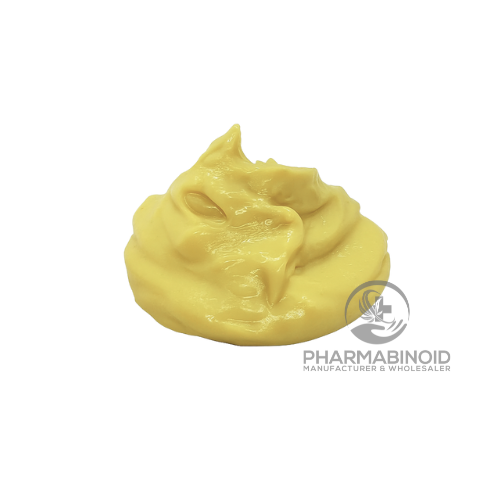
Cosmetici al CBD
Cosmetici al CBD: guida per acquirenti all’ingrossoQuesta collezione commerciale è dedicata a...
-
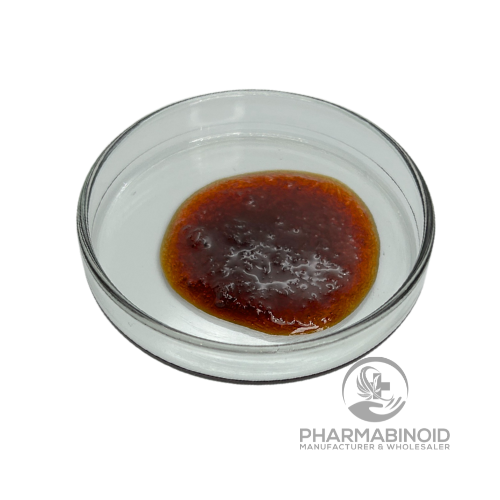
Distillati di CBD all'ingrosso
Distillati di CBD all'ingrosso per acquirenti europeiConfronta i distillati di CBD per...


Articoli del blog
Vedi tutto-
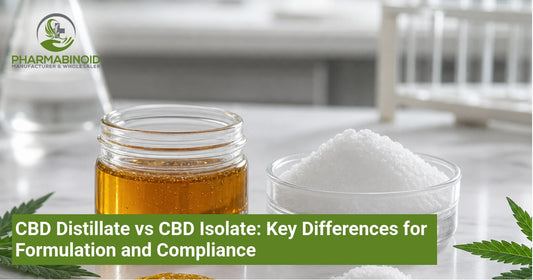
Distillato di CBD o isolato di CBD: differenze ...
Distillato di CBD o isolato di CBD: la scelta riguarda soprattutto composizione, livello di purezza, comportamento nella formulazione e strategia di conformità. Entrambi sono ingredienti di CBD raffinati e derivati...
Distillato di CBD o isolato di CBD: differenze ...
Distillato di CBD o isolato di CBD: la scelta riguarda soprattutto composizione, livello di purezza, comportamento nella formulazione e strategia di conformità. Entrambi sono ingredienti di CBD raffinati e derivati...
-
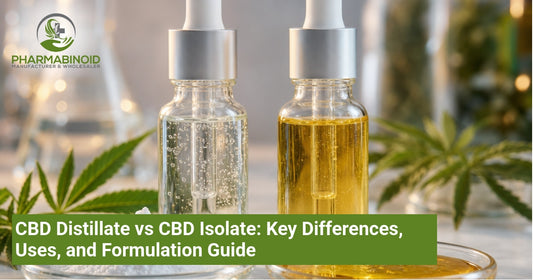
Distillato di CBD o isolato di CBD: differenze,...
Distillato di CBD o isolato di CBD è un confronto importante per brand, formulatori e acquirenti che lavorano con ingredienti derivati dalla canapa. Entrambi i materiali possono essere ricchi di...
Distillato di CBD o isolato di CBD: differenze,...
Distillato di CBD o isolato di CBD è un confronto importante per brand, formulatori e acquirenti che lavorano con ingredienti derivati dalla canapa. Entrambi i materiali possono essere ricchi di...
-
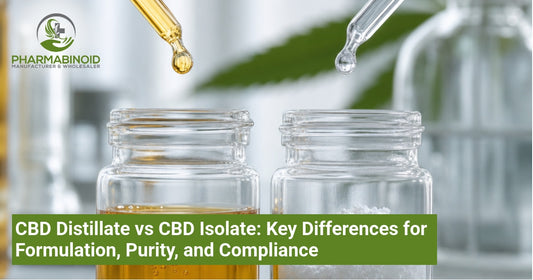
Distillato di CBD o isolato di CBD: principali ...
Distillato di CBD o isolato di CBD è un confronto comune per brand, formulatori e acquirenti che lavorano con ingredienti derivati dalla canapa. Entrambi possono essere fonti di CBD di...
Distillato di CBD o isolato di CBD: principali ...
Distillato di CBD o isolato di CBD è un confronto comune per brand, formulatori e acquirenti che lavorano con ingredienti derivati dalla canapa. Entrambi possono essere fonti di CBD di...
