
Ricerca sui cannabinoidi
Ricerca sui cannabinoidi
La ricerca sui cannabinoidi dovrebbe essere esaminata dal punto di vista dell’acquirente: identità, evidenze di lotto, adeguatezza della formulazione, percorso di mercato e formulazione responsabile. Le pagine di ricerca sono più utili quando aiutano un team a decidere cosa verificare prima dell’approvvigionamento o del lancio.
Per la ricerca sui cannabinoidi, il valore commerciale non sta nel ripetere affermazioni generiche. Sta nel collegare le evidenze disponibili a una reale decisione di prodotto, a un fascicolo documentale chiaro e a un passaggio pratico successivo.
Trasformare la ricerca in un contesto per l’acquirente
| Area decisionale | Cosa verificare |
|---|---|
| Tipo di evidenza | Separare la ricerca iniziale, i documenti del fornitore e le evidenze del prodotto finito. |
| Rilevanza per il prodotto | Verificare se le informazioni si applicano al formato in fase di sviluppo. |
| Fascicolo qualità | Collegare qualsiasi decisione di approvvigionamento a COA, specifiche e tracciabilità. |
| Formulazione per il cliente | Mantenere i contenuti pubblici educativi e prudenti. |
Controlli prima di utilizzare commercialmente le informazioni
- A quale domanda dovrebbe rispondere la ricerca?
- Si applica al formato reale del prodotto o solo a un concetto più ampio?
- Quali documenti sono necessari prima dell’approvvigionamento o della pubblicazione?
- L’argomento può supportare una decisione d’acquisto senza diventare un’affermazione medica?
- Dove dovrebbe andare il lettore successivamente sul sito Pharmabinoid?
Dove questo aiuta l’acquirente
Una pagina generale sulla ricerca sui cannabinoidi dovrebbe fungere da hub delle evidenze, aiutando i lettori a distinguere tra risultati preliminari, documentazione di prodotto, realtà della formulazione e formulazione responsabile verso il cliente. In pratica, questa pagina dovrebbe aiutare gli acquirenti a decidere cosa richiedere, cosa testare e quale linguaggio promozionale evitare prima di passare ai campioni o alla fornitura continuativa.
Cosa la pagina non dovrebbe implicare
La ricerca sui cannabinoidi può supportare domande migliori, ma non dovrebbe essere copiata in affermazioni mediche, sugli effetti o sulla legalità. Mantieni la conclusione legata al lotto specifico, al formato del prodotto e al percorso di mercato.
Continua la revisione
ricerca sui cannabinoidi, cannabinoidi puri, richiedi un preventivo.
Come gli acquirenti dovrebbero usare questa pagina di ricerca
Usa la ricerca sui cannabinoidi come modo per porre domande di approvvigionamento più mirate. L’obiettivo non è citare la scienza fuori contesto, ma comprendere ciò che le evidenze possono e non possono supportare in un reale fascicolo di prodotto.
Note pratiche sulle evidenze
- Separare la ricerca generale dalle prove sul prodotto finito.
- Tenere i documenti di lotto accanto alle note di formulazione.
- Verificare se l’argomento modifica le decisioni su packaging, etichetta o percorso di mercato.
- Rivedere i contenuti rivolti al cliente prima che la pagina o il prodotto vadano online.
Ultimo controllo commerciale
Prima di procedere con la ricerca sui cannabinoidi, conferma che la spiegazione della pagina corrisponda al prodotto reale, ai documenti di lotto, al percorso di mercato e al piano di educazione del cliente. Questo controllo finale è ciò che trasforma un buon contenuto in una guida commerciale utile.
Come potrebbe essere formulata la nota per l’acquirente
Per la Ricerca sui Cannabinoidi, una nota utile potrebbe recitare: “Stiamo esaminando questo materiale per un formato di prodotto definito e un percorso paese specifico. Si prega di confermare l’identità del composto, il COA del lotto, i relativi risultati su THC o impurità, le indicazioni di conservazione e se il campione può essere ripetuto secondo la stessa specifica.”
Cosa indebolirebbe la pagina
- Affermazioni scientifiche generiche senza un collegamento all’approvvigionamento o alle decisioni sul prodotto.
- Dichiarazioni che suggeriscono trattamento, prevenzione o effetti garantiti.
- Documenti che descrivono un lotto diverso da quello per cui si sta richiedendo il preventivo.
- Feedback sui campioni che non viene registrato per gli ordini ripetuti.
Controllo finale dell’approvvigionamento
Prima che questa pagina venga pubblicata, assicurati che il termine, il titolo della pagina, i link interni e il percorso del preventivo supportino tutti la stessa finalità. Il lettore dovrebbe uscire con una comprensione più chiara della Ricerca sui Cannabinoidi e con un passaggio successivo realistico.
Cannabinoidi
Beta-Pinene
Scopri il Beta-Pinene, un terpene con aromi freschi e simili al pino. Scopri i suoi potenziali benefici, utilizzi e il suo ruolo nel migliorare il tuo percorso di benessere. Leggi di più
Cannabicromene - CBC
Il cannabicromene, o CBC, è un cannabinoide non intossicante presente nelle piante di cannabis e canapa. Riconosciuto per la sua interazione unica con il sistema endocannabinoide, il CBC sta attirando attenzione per le sue potenziali applicazioni nei prodotti per il benessere e cosmetici. Leggi di più
Cannabicitran - CBT
Il cannabicitran, comunemente indicato come CBT, è un cannabinoide raro e poco conosciuto presente nelle piante di cannabis. A differenza delle sue controparti più famose, il CBT non è intossicante e ha suscitato interesse per le sue potenziali applicazioni uniche nel benessere e nelle formulazioni di prodotti a base di cannabis. Leggi di più
Cannabidiolo - CBD
Il cannabidiolo, o CBD, è un cannabinoide naturale non intossicante presente nella pianta di cannabis. Conosciuto per il suo potenziale terapeutico e le applicazioni nel benessere, il CBD è diventato uno dei cannabinoidi più ampiamente riconosciuti sia nei mercati medici che ricreativi. Leggi di più
Acido cannabidiolico - CBDA
L'acido cannabidiolico, o CBDA, è il precursore acido del CBD presente nelle piante di cannabis grezza. Sia il CBDA che il CBD non sono intossicanti, ma il CBDA sta ottenendo riconoscimento per le sue proprietà uniche e i potenziali benefici per il benessere. Leggi di più
Diacetato di cannabidiolo - CBD-O
Il diacetato di cannabidiolo, o CBD-O, è un derivato acetilato del cannabidiolo (CBD). Noto per la sua biodisponibilità migliorata e la stabilità chimica, il CBD-O è un cannabinoide promettente per applicazioni avanzate nel benessere e in ambito terapeutico. Leggi di più
Cannabidiforolo - CBDP
Il cannabidiforolo, o CBDP, è un cannabinoide raro ed emergente strettamente correlato al CBD. Noto per la sua catena laterale alchilica estesa, il CBDP può avere un potenziale terapeutico unico ed è in fase di studio per applicazioni nei prodotti per il benessere. Leggi di più
Cannabidivarina - CBDV
La cannabidivarina, o CBDV, è un cannabinoide non intossicante presente nelle piante di cannabis e canapa. Strutturalmente simile al CBD, il CBDV sta attirando attenzione per i suoi potenziali benefici unici e le applicazioni emergenti nei prodotti per il benessere. Leggi di più
Cannabigerolo - CBG
Il CBG, o cannabigerolo, è un composto non intossicante presente nelle piante di cannabis, spesso definito il "cannabinoide madre". È un precursore di altri cannabinoidi ben noti come THC e CBD, il che lo rende un componente critico della biochimica della cannabis. Leggi di più
Diacetato di Cannabigerolo - CBG-O
Il diacetato di cannabigerolo, o CBG-O, è un derivato acetilato del cannabigerolo (CBG). Noto per la sua stabilità e biodisponibilità migliorate, il CBG-O è un cannabinoide emergente con potenziali applicazioni in prodotti terapeutici e orientati al benessere. Leggi di più
Cannabinolo - CBN
Il cannabinolo, o CBN, è un cannabinoide lievemente psicoattivo che si forma quando il THC si degrada nel tempo. Noto per le sue proprietà calmanti, il CBN è ampiamente associato al supporto del sonno e al sollievo dallo stress, rendendolo un ingrediente chiave nei prodotti orientati al benessere. Leggi di più
Isolato di Acetato di Cannabinolo-O - CBNO
L'acetato di cannabinolo-O, o CBNO, è un cannabinoide semisintetico derivato dal cannabinolo (CBN). Noto per le sue proprietà uniche e la stabilità migliorata, il CBNO offre potenziali applicazioni nei prodotti per il benessere e terapeutici, in particolare per il rilassamento e il supporto del sonno. Leggi di più
Cannabiforolo - CBNP
Il cannabiforolo, o CBNP, è un cannabinoide raro strettamente correlato al cannabinolo (CBN). Noto per la sua struttura molecolare unica e i potenziali benefici per il benessere, il CBNP sta emergendo come una preziosa aggiunta ai prodotti a base di cannabinoidi. Leggi di più
Distillato di CBD
Gli studi sul distillato di CBD esaminano come i distillati ricchi di cannabidiolo vengono prodotti, caratterizzati, testati e utilizzati nelle formulazioni di cannabinoidi. A differenza della ricerca generale sugli estratti di CBD, questo argomento si concentra specificamente sui distillati raffinati di canapa: Leggi di più
Edibili al CBD
Gli studi sugli edibili al CBD esaminano come si comporta il cannabidiolo quando viene incorporato in prodotti orali come gummies, formati tipo confetteria, capsule, bevande e altre formulazioni ingeribili. Leggi di più
Produzione di CBD
Gli studi sulla produzione di CBD esaminano come il cannabidiolo viene estratto, purificato, formulato, testato, confezionato e controllato su scala industriale. Per i produttori di cannabinoidi, i laboratori, i formulatori e gli acquirenti B2B, la ricerca è importante perché la qualità del prodotto non è determinata solo dal contenuto di CBD. Leggi di più
Pasta di CBD
Gli studi sulla pasta di CBD esaminano come gli estratti concentrati di canapa si comportano dal punto di vista chimico, farmacologico e industriale quando sono presentati come formulazioni dense e ricche di resina. A differenza del cannabidiolo isolato, la pasta di CBD può contenere un profilo cannabinoide più ampio, cere, lipidi, flavonoidi e talvolta terpeni a seconda dei metodi di estrazione e post-lavorazione. Leggi di più
Confezionamento del CBD
La ricerca sul confezionamento del CBD esamina come i materiali di imballaggio, le informazioni in etichetta, il design del contenitore e i controlli di qualità influenzino la stabilità, la sicurezza, l'usabilità e il profilo di conformità dei prodotti al CBD. Per produttori, formulatori, laboratori e fornitori B2B, il confezionamento non è una fase estetica finale; fa parte della strategia di controllo del prodotto. Leggi di più
Studi sullo svapo di CBD - CBD
Gli studi sullo svapo di CBD esaminano come si comporta il cannabidiolo quando viene aerosolizzato e inalato, inclusi farmacocinetica, prestazioni della formulazione, qualità analitica e considerazioni sulla sicurezza. Leggi di più
Delta 3 Carene (Δ3 Carene)
Il Delta 3 Carene è un terpene presente naturalmente in varie piante, incluse alcune varietà di cannabis, noto per il suo aroma terroso con note di pino e agrumi. Leggi di più
Delta-9-Tetraidrocannabioctolo - THC-C8/THC-JD
Il Delta-9-Tetraidrocannabioctolo, noto anche come THC-C8 o THC-JD, è un cannabinoide raro contraddistinto dalla sua catena laterale ottilica. Noto per la sua potenza potenzialmente maggiore e i suoi effetti unici, il THC-C8 sta attirando attenzione come cannabinoide avanzato per applicazioni ricreative e terapeutiche. Leggi di più
Delta-8-Tetraidrocannabiforolo - D8-THCP
Il Delta-8-Tetraidrocannabiforolo, o D8-THCP, è un analogo altamente potente del Delta-8 THC, noto per la sua maggiore affinità di legame con i recettori dei cannabinoidi. La potenza migliorata e gli effetti unici del D8-THCP ne stanno trainando la popolarità nelle formulazioni di cannabinoidi per uso ricreativo e orientate al benessere. Leggi di più
Delta-9-Tetraidrocannabiforolo - D9-THCP
Il Delta-9-Tetraidrocannabiforolo, o D9-THCP, è un cannabinoide altamente potente scoperto nel 2019. Noto per la sua forte affinità di legame con i recettori CB1, il D9-THCP produce intensi effetti psicoattivi e sta rapidamente suscitando interesse nella ricerca sui cannabinoidi e nello sviluppo di prodotti. Leggi di più
Acetato di Delta-9-Tetraidrocannabiforolo-O - D9-THCPO
Il Delta-9-Tetraidrocannabiforolo-O Acetato, o D9-THCPO, è un derivato acetilato del Delta-9-THCP. Noto per la sua straordinaria potenza e gli effetti di lunga durata, il D9-THCPO sta ottenendo riconoscimento come cannabinoide altamente avanzato per applicazioni ricreative e terapeutiche. Leggi di più
Delta-8 Tetraidrocannabivarina - D8-THCV
Il Delta-8 Tetraidrocannabivarina, o D8-THCV, è un cannabinoide raro presente nelle piante di cannabis, noto per i suoi lievi effetti psicoattivi e le potenziali applicazioni per il benessere. È chimicamente simile al Delta-8 THC ma si distingue per la sua interazione unica con il sistema endocannabinoide del corpo. Leggi di più
Delta-9-Tetroidracannabivarina - D9-THCV
Il Delta-9-Tetraidrocannabivarina, o D9-THCV, è un cannabinoide raro presente nelle piante di cannabis. Noto per i suoi effetti unici sull'energia e sulla modulazione dell'appetito, il D9-THCV è chimicamente simile al THC ma offre benefici distinti senza le stesse intense proprietà psicoattive. Leggi di più
Delta-9-Tetraidrocannabutolo - D9-THCB
Il Delta-9-Tetraidrocannabutolo, o D9-THCB, è un cannabinoide raro strettamente correlato al Delta-9 THC. Noto per i suoi effetti psicoattivi, il D9-THCB ha una struttura molecolare unica che ne migliora l'interazione con il sistema endocannabinoide (ECS), offrendo potenziali applicazioni terapeutiche e ricreative. Leggi di più
Esaidro-Cannabidiolo - H4CBD
L'esaidro-cannabidiolo, o H4CBD, è una forma idrogenata del cannabidiolo (CBD) nota per la sua biodisponibilità e stabilità migliorate. Leggi di più
Esaidrocannabinolo - HHC
L'esaidrocannabinolo, o HHC, è un derivato idrogenato del THC presente naturalmente nelle piante di cannabis. Noto per la sua stabilità e i lievi effetti psicoattivi, l'HHC sta guadagnando popolarità nei prodotti per il benessere e ricreativi. Leggi di più
Esaidrocannabieseolo - HHCH
L'esaidrocannabieseolo, o HHCH, è un derivato idrogenato del THCH, riconosciuto per la sua stabilità migliorata e i moderati effetti psicoattivi. Noto per la sua durata di conservazione prolungata e le proprietà equilibrate, l'HHCH sta emergendo come un cannabinoide versatile per prodotti ricreativi e per il benessere. Leggi di più
Isolato di Acetato di Esaidrocannabinolo-O - HHCO
L'esaidrocannabinolo-O acetato, o HHCO, è un cannabinoide semisintetico derivato dall'HHC. Noto per i suoi effetti psicoattivi potenziati e per la stabilità più duratura, l'HHCO sta emergendo come un protagonista chiave nell'industria dei cannabinoidi per applicazioni ricreative e terapeutiche. Leggi di più
Esaidrocannabiforolo - HHCP
L'esaidrocannabiforolo, o HHCP, è un derivato idrogenato del THC altamente potente, noto per i suoi effetti psicoattivi potenziati e la sua stabilità di lunga durata. Le sue proprietà uniche rendono l'HHCP un cannabinoide emergente nelle applicazioni ricreative e terapeutiche. Leggi di più
Esaidrocannabiforolo-O Acetato - HHCPO
L'esaidrocannabiforolo-O acetato, o HHCPO, è un derivato idrogenato e acetilato del THCP, che offre una potenza straordinaria, una maggiore stabilità chimica e effetti prolungati. Le sue proprietà uniche rendono l'HHCPO un cannabinoide entusiasmante per prodotti ricreativi e wellness avanzati. Leggi di più
Ocimene
L'ocimene è un monoterpene presente in natura che si trova in un'ampia gamma di piante e frutti, noto per il suo aroma dolce ed erbaceo. Svolge un ruolo cruciale nella protezione delle piante e nell'attrazione degli impollinatori. Leggi di più
Terpinolene
Il terpinolene è un terpene presente in molte piante, inclusa la cannabis, noto per il suo aroma fresco e resinoso di pino e per le sue potenziali proprietà terapeutiche. Leggi di più
Terpeni
I terpeni sono composti naturali presenti nelle piante, responsabili dei loro profili aromatici e gustativi unici. Questi composti svolgono un ruolo cruciale in vari settori, in particolare negli oli essenziali e nell'aromaterapia, offrendo potenziali benefici terapeutici senza effetti psicoattivi. Leggi di più
Tetraidrocannabiesolo - THCH
Il tetraidrocannabiesolo, o THCH, è un cannabinoide raro e presente in natura, distinto per la sua catena laterale esilica. Noto per i suoi potenziali effetti psicoattivi e la sua struttura molecolare unica, il THCH sta attirando attenzione come cannabinoide avanzato con applicazioni sia ricreative che terapeutiche. Leggi di più
Cannabinoidi idrosolubili
Gli studi sui cannabinoidi idrosolubili esaminano come molecole di cannabinoidi scarsamente compatibili con l'acqua possano essere formulate in sistemi disperdibili per bevande, liquidi orali, ingredienti funzionali e applicazioni di ricerca. Poiché i cannabinoidi come CBD, CBG, CBC, le varianti del THC e molti cannabinoidi minori sono naturalmente lipofili, non si dissolvono facilmente in acqua. Leggi di più
Articoli del blog
Vedi tutto-
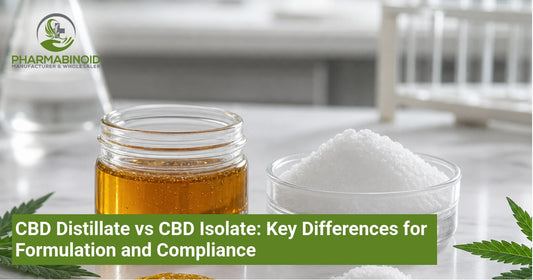
Distillato di CBD o isolato di CBD: differenze ...
Distillato di CBD o isolato di CBD: la scelta riguarda soprattutto composizione, livello di purezza, comportamento nella formulazione e strategia di conformità. Entrambi sono ingredienti di CBD raffinati e derivati...
Distillato di CBD o isolato di CBD: differenze ...
Distillato di CBD o isolato di CBD: la scelta riguarda soprattutto composizione, livello di purezza, comportamento nella formulazione e strategia di conformità. Entrambi sono ingredienti di CBD raffinati e derivati...
-
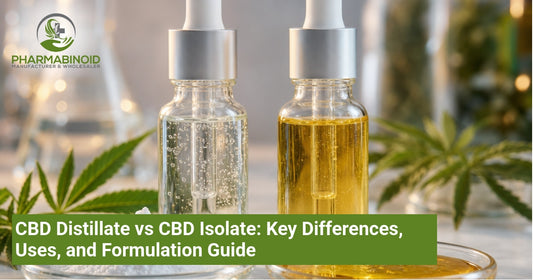
Distillato di CBD o isolato di CBD: differenze,...
Distillato di CBD o isolato di CBD è un confronto importante per brand, formulatori e acquirenti che lavorano con ingredienti derivati dalla canapa. Entrambi i materiali possono essere ricchi di...
Distillato di CBD o isolato di CBD: differenze,...
Distillato di CBD o isolato di CBD è un confronto importante per brand, formulatori e acquirenti che lavorano con ingredienti derivati dalla canapa. Entrambi i materiali possono essere ricchi di...
-
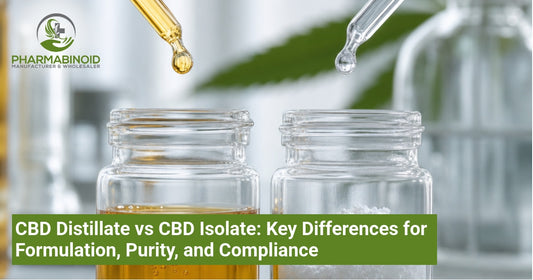
Distillato di CBD o isolato di CBD: principali ...
Distillato di CBD o isolato di CBD è un confronto comune per brand, formulatori e acquirenti che lavorano con ingredienti derivati dalla canapa. Entrambi possono essere fonti di CBD di...
Distillato di CBD o isolato di CBD: principali ...
Distillato di CBD o isolato di CBD è un confronto comune per brand, formulatori e acquirenti che lavorano con ingredienti derivati dalla canapa. Entrambi possono essere fonti di CBD di...
