What is Cannabidiolic Acid? CBDA and CBD Explained
What is Cannabidiolic Acid? Cannabidiolic acid, commonly abbreviated as CBDA, is the naturally occurring acidic precursor to CBD found in raw hemp and cannabis plants. It matters in the cannabinoid industry because CBDA influences the cannabinoid profile of fresh plant material, affects extraction and formulation decisions, and must be carefully measured in analytical testing before and after decarboxylation.
Definition of Cannabidiolic Acid
Cannabidiolic acid is a non-intoxicating acidic phytocannabinoid produced by the cannabis plant before CBD is formed. In simple terms, the cannabidiolic acid definition is: CBDA is the raw, carboxylated form of cannabidiol that can convert into CBD when exposed to heat, light, or time.
What Is Cannabidiolic Acid?
When people ask “what is CBDA?”, the clearest answer is that CBDA is one of the primary cannabinoids present in freshly harvested hemp varieties bred for CBD-rich chemistry. The plant does not produce large amounts of CBD directly. Instead, it biosynthesizes acidic cannabinoids such as CBDA, THCA, CBGA, and others. These acidic molecules contain a carboxyl group, which is why they are described as “acidic” cannabinoids.
CBDA becomes CBD through a process called decarboxylation. During decarboxylation, carbon dioxide is released from the molecule, changing CBDA into its neutral cannabinoid form, CBD. This can happen through controlled heating during manufacturing, but it can also occur gradually during storage if plant material or extracts are exposed to unsuitable conditions.
For manufacturers, formulators, researchers, and quality teams, CBDA explained properly is not just a botanical detail. It is a practical production consideration. Whether a hemp extract is intended to remain CBDA-rich or be converted into CBD-rich material affects extraction temperature, post-processing, storage, certificates of analysis, and final product specification.
Scientific Background of Cannabidiolic Acid
Cannabidiolic acid belongs to the phytocannabinoid family, meaning it is produced naturally by the cannabis plant rather than by the human body. In the plant’s biosynthetic pathway, cannabigerolic acid is an important precursor from which several major acidic cannabinoids arise. Depending on plant genetics and enzyme activity, CBGA can be converted into CBDA, THCA, or other cannabinoid acids.
From a chemistry perspective, the difference between CBDA and CBD is important. CBDA contains an additional carboxyl group, making it more chemically sensitive to heat-driven conversion. This is why extraction and processing conditions must be selected carefully. A low-temperature extraction strategy may help preserve more of the original acidic cannabinoid profile, while heated processing may intentionally convert CBDA into CBD.
CBDA is also discussed in cannabinoid pharmacology research. Early laboratory and preclinical studies have investigated how acidic cannabinoids may interact with biological pathways differently from their neutral forms. However, research remains limited, and CBDA should not be presented as a substance that cures, treats, or prevents disease. For industry use, the most reliable discussion focuses on composition, stability, analytical control, and formulation relevance.
Terpenes may also be relevant when working with CBDA-rich extracts. Fresh or gently processed hemp extracts can retain more volatile aromatic compounds if handled at lower temperatures. Because terpenes are sensitive to heat and oxidation, preserving CBDA and preserving the original terpene profile often require similar care in processing, storage, and packaging.
Key Characteristics of Cannabidiolic Acid
- Acidic precursor to CBD: CBDA is the raw plant form that can convert into CBD through decarboxylation. This relationship is central to understanding cannabinoid profiles in hemp biomass, crude extract, distillate, and finished formulations.
- Non-intoxicating phytocannabinoid: CBDA is not associated with the intoxicating effects commonly discussed in relation to delta-9 THC. Even so, all cannabinoid materials should be assessed through compliant analytical testing and handled according to applicable regulations.
- Sensitive to heat and storage conditions: Temperature, light, oxygen exposure, and time can influence CBDA stability. Manufacturers working with CBDA-rich ingredients need suitable packaging, controlled processing, and verified batch data.
- Important in full-spectrum and broad-spectrum analysis: CBDA may appear alongside CBD, CBGA, CBG, CBC, trace THC compounds, and terpenes. A certificate of analysis should distinguish between acidic and neutral cannabinoids rather than reporting only total CBD values.
- Relevant to formulation strategy: CBDA’s chemical form may influence solubility, stability, taste profile, and compatibility with oils, emulsions, capsules, or other delivery formats. Formulators must evaluate the ingredient within the intended product matrix.
Uses and Industry Applications
In the cannabinoid supply chain, cannabidiolic acid is relevant at several stages. In cultivation and biomass evaluation, CBDA levels help indicate whether a hemp crop is expressing the desired CBD-type chemotype. In extraction, CBDA is measured to understand how much of the native acidic cannabinoid profile has been preserved. In refinement, manufacturers may choose whether to maintain CBDA content or convert it into CBD depending on the target specification.
CBDA-rich materials may be used in research formulations, ingredient development, and product concepts where retaining the plant’s original acidic cannabinoid profile is important. However, product development should be supported by validated analytical data, stability testing, and compliance review. This is especially important in Europe, where cannabinoid ingredients may be subject to strict product-category rules, novel food considerations, and THC limits depending on jurisdiction and application.
Analytical testing is essential. A reliable certificate of analysis should normally include CBDA, CBD, total CBD calculation where relevant, THC-related cannabinoids, residual solvents if applicable, pesticides, heavy metals, microbiology, and other quality parameters depending on the material type. For CBDA, testing before and after processing can reveal whether unintended decarboxylation has occurred.
For manufacturers, CBDA also raises bioavailability and formulation questions. Like many cannabinoids, CBDA is not simply “drop-in” chemistry for every product format. Oil carrier selection, emulsification approach, pH environment, packaging, and storage conditions can all affect finished product quality. Responsible product development treats CBDA as a defined ingredient requiring specification control rather than as a generic hemp extract component.
Related Cannabinoids, Terpenes, or Terms
Several related topics help put CBDA in context. Pharmabinoid provides Cannabidiolic Acid CBDA for professional cannabinoid applications, along with further information on CBDA research. To understand how CBDA converts into CBD, see decarboxylation. For a broader overview of cannabinoid science, the cannabinoid research section is also relevant.
FAQ About Cannabidiolic Acid
What is Cannabidiolic Acid in simple terms?
Cannabidiolic acid is the natural acidic form of CBD found in raw hemp and cannabis plants. It is commonly called CBDA and can convert into CBD when exposed to heat through decarboxylation.
Is CBDA the same as CBD?
No. CBDA and CBD are closely related but chemically different. CBDA contains a carboxyl group, while CBD is the neutral form produced after CBDA loses carbon dioxide during decarboxylation.
Why is CBDA important in cannabinoid testing?
CBDA is important because it shows how much of the original acidic cannabinoid profile remains in a sample. Accurate testing separates CBDA from CBD and helps manufacturers understand potency, conversion, stability, and batch consistency.
Does CBDA naturally occur in hemp?
Yes. CBDA is one of the main cannabinoids naturally present in CBD-rich hemp before processing. Fresh plant material often contains much more CBDA than CBD unless it has been heated or aged.
Can CBDA change during manufacturing?
Yes. CBDA can partially or fully convert into CBD if exposed to sufficient heat, light, or time. This is why extraction temperature, drying conditions, storage, and packaging are important when producing CBDA-rich ingredients.
Conclusion
What is Cannabidiolic Acid? It is the naturally occurring acidic precursor to CBD and a key marker of raw hemp chemistry. For the cannabinoid industry, CBDA is important because it affects extraction choices, decarboxylation control, analytical testing, formulation design, and product stability. A well-characterized CBDA ingredient should always be supported by reliable cannabinoid profiling, clear production standards, and appropriate certificates of analysis.
TryPharma
Hívjon minket vagy küldjön nekünk e-mailt további információért
Ingyenes minta
Ismerje meg termékeink előnyeit első kézből, ha ellátogat weboldalunkra, és megszerzi exkluzív TryPharma kódját. Amikor ezzel a speciális kóddal rendelést ad le, nemcsak a kívánt termékeket biztosítja magának, hanem minden vásárláshoz egy ingyenes mintát is mellékelünk. Ez a lehetőség lehetővé teszi, hogy megtapasztalja kínálatunk minőségét, mielőtt elköteleződne a fő szállítmány mellett. Célunk, hogy teljes mértékben elégedett legyen választásával, és ez a folyamat kockázatmentes módot kínál széles termékválasztékunk felfedezésére. Lépjen kapcsolatba velünk még ma, hogy elkezdhesse, és tegye meg az első lépést egy jutalmazó élmény felé prémium kínálatunkkal.

Szállítási biztosítás
Amikor nagy tételben vásárol tőlünk CBD izolátumokat, olajokat és egyéb termékeket, küldeménye teljes mértékben biztosítva van általunk, az Ön számára további költség nélkül. Olyan megbízható szállítmányozó cégeket használunk, mint a FedEx és a UPS, miközben a biztosítási fedezetet mi magunk kezeljük, hogy minden szállítmány biztonságban legyen raktárunktól egészen az Ön ajtajáig. A(z) TryPharma vállalatnál elkötelezettek vagyunk az üzleti növekedés támogatása mellett azáltal, hogy kockázatmentes nagykereskedelmi szolgáltatást kínálunk. A szállítással kapcsolatos probléma valószínűtlen esetében az incidens megerősítésének dátumától számított öt munkanapon belül visszatérítést garantálunk. Átfogó megközelítésünk hatékonyan kiküszöböli a nagy tételű CBD-szállítással kapcsolatos összes lehetséges kockázat 99,9%-át, biztosítva az Ön teljes nyugalmát.

30 napos visszaküldés
Arra biztatjuk, hogy a fő szállítmány felbontása előtt próbálja ki a rendeléséhez mellékelt ingyenes mintát. Ha a minőség nem felel meg az elvárásainak, élhet 30 napos visszaküldési szabályzatunkkal. Ez a szabályzat lehetővé teszi, hogy 30 napon belül visszaküldje a terméket teljes visszatérítésért, garantálva az Ön teljes elégedettségét. Lépjen kapcsolatba velünk még ma, hogy felfedezze kivételes termékkínálatunkat, és megtapasztalja elkötelezett ügyfélszolgálatunkat.
Kannabinoid izolátumok
-
CBD izolátum - kannabidiol
Normál ár From €24.99 to €369.99Normál árEgységár / per€0.00Akciós ár €24.99 -
CBG - Kannabigerol
Normál ár From €49.99 to €799.99Normál árEgységár / per€0.00Akciós ár €49.99 -
CBN - Kannabinol
Normál ár From €79.99 to €1,299.99Normál árEgységár / per€0.00Akciós ár €79.99 -
CBC – kannabikromén izolátum
Normál ár From €99.99 to €1,999.99Normál árEgységár / per€0.00Akciós ár €99.99 -
CBDV - Kannabidivarin
Normál ár From €13.99 to €3,149.99Normál árEgységár / per€0.00Akciós ár €13.99 -
Cannabicitran izolátum - CBT
Normál ár From €49.99 to €4,349.99Normál árEgységár / per€0.00Akciós ár €49.99 -
Kannabidiolsav - CBDA
Normál ár From €49.99 to €1,499.99Normál árEgységár / per€0.00Akciós ár €49.99 -
Kannabigerolsav - CBGA
Normál ár From €59.99 to €1,749.99Normál árEgységár / per€0.00Akciós ár €59.99
Gyűjtemények
-
PPB – a Pharmabinoid pszichoaktív keverékei
PPB pszichoaktív keverékek professzionális vásárlóknakFedezze fel a Pharmabinoid PPB-kollekcióját professzionális termékfejlesztéshez, ellenőrzött...
-
CBD olajok
CBD olajok – Nagykereskedelmi vásárlói útmutató A CBD olajok egyesítik az olajalapú...
-
CBD vape-ek
CBD vape termékek és formulázási támogatás professzionális kannabinoid termékfejlesztéshez Ez a válogatás...
-
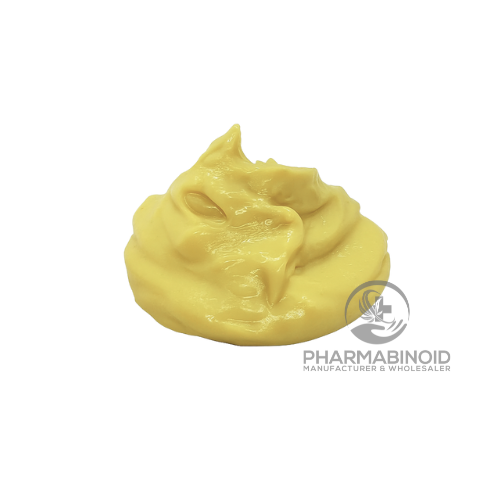
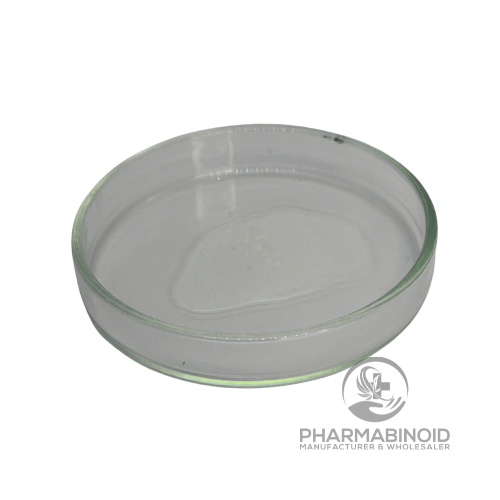
CBD kozmetikumok
CBD kozmetikumok: nagykereskedelmi vásárlói útmutatóKereskedelmi kollekció márkák, gyártók és private-label csapatok számára,...
-
CBD desztillátumok
CBD desztillátumok – Nagykereskedelmi vevői útmutató A CBD desztillátumok a professzionális vevők...
Blogbejegyzések
Összes megtekintése-
CBD-desztillátum vagy CBD-izolátum: a formulálá...
A CBD-desztillátum és a CBD-izolátum összehasonlítása elsősorban az összetétel, a kívánt tisztaság, a formulálási viselkedés és a megfelelőségi stratégia kérdése. Mindkettő finomított, kenderből származó CBD-összetevő, de nem felcserélhetők. A CBD-desztillátum...
CBD-desztillátum vagy CBD-izolátum: a formulálá...
A CBD-desztillátum és a CBD-izolátum összehasonlítása elsősorban az összetétel, a kívánt tisztaság, a formulálási viselkedés és a megfelelőségi stratégia kérdése. Mindkettő finomított, kenderből származó CBD-összetevő, de nem felcserélhetők. A CBD-desztillátum...
-
CBD-desztillátum vagy CBD-izolátum: különbségek...
A CBD-desztillátum és a CBD-izolátum összehasonlítása fontos szempont a márkák, formulálók és vásárlók számára, akik kenderből származó összetevőkkel dolgoznak. Mindkét anyag gazdag lehet kannabidiolban, de különböznek az összetétel, az érzékszervi...
CBD-desztillátum vagy CBD-izolátum: különbségek...
A CBD-desztillátum és a CBD-izolátum összehasonlítása fontos szempont a márkák, formulálók és vásárlók számára, akik kenderből származó összetevőkkel dolgoznak. Mindkét anyag gazdag lehet kannabidiolban, de különböznek az összetétel, az érzékszervi...
-
CBD-desztillátum vagy CBD-izolátum: a formulálá...
CBD distillate vs. CBD isolate is a common comparison for brands, formulators, and buyers working with hemp-derived ingredients. Both can be high-quality CBD sources, but they differ in formulation behavior,...
CBD-desztillátum vagy CBD-izolátum: a formulálá...
CBD distillate vs. CBD isolate is a common comparison for brands, formulators, and buyers working with hemp-derived ingredients. Both can be high-quality CBD sources, but they differ in formulation behavior,...