
Risks of CBD Oil: Safety, Interactions, Testing, and EU Market Considerations

Ingyenes minta
Ismerje meg termékeink előnyeit első kézből, ha ellátogat weboldalunkra, és megszerzi exkluzív TryPharma kódját. Amikor ezzel a speciális kóddal rendelést ad le, nemcsak a kívánt termékeket biztosítja magának, hanem minden vásárláshoz egy ingyenes mintát is mellékelünk. Ez a lehetőség lehetővé teszi, hogy megtapasztalja kínálatunk minőségét, mielőtt elköteleződne a fő szállítmány mellett. Célunk, hogy teljes mértékben elégedett legyen választásával, és ez a folyamat kockázatmentes módot kínál széles termékválasztékunk felfedezésére. Lépjen kapcsolatba velünk még ma, hogy elkezdhesse, és tegye meg az első lépést egy jutalmazó élmény felé prémium kínálatunkkal.

Szállítási biztosítás
Amikor nagy tételben vásárol tőlünk CBD izolátumokat, olajokat és egyéb termékeket, küldeménye teljes mértékben biztosítva van általunk, az Ön számára további költség nélkül. Olyan megbízható szállítmányozó cégeket használunk, mint a FedEx és a UPS, miközben a biztosítási fedezetet mi magunk kezeljük, hogy minden szállítmány biztonságban legyen raktárunktól egészen az Ön ajtajáig. A(z) TryPharma vállalatnál elkötelezettek vagyunk az üzleti növekedés támogatása mellett azáltal, hogy kockázatmentes nagykereskedelmi szolgáltatást kínálunk. A szállítással kapcsolatos probléma valószínűtlen esetében az incidens megerősítésének dátumától számított öt munkanapon belül visszatérítést garantálunk. Átfogó megközelítésünk hatékonyan kiküszöböli a nagy tételű CBD-szállítással kapcsolatos összes lehetséges kockázat 99,9%-át, biztosítva az Ön teljes nyugalmát.

30 napos visszaküldés
Arra biztatjuk, hogy a fő szállítmány felbontása előtt próbálja ki a rendeléséhez mellékelt ingyenes mintát. Ha a minőség nem felel meg az elvárásainak, élhet 30 napos visszaküldési szabályzatunkkal. Ez a szabályzat lehetővé teszi, hogy 30 napon belül visszaküldje a terméket teljes visszatérítésért, garantálva az Ön teljes elégedettségét. Lépjen kapcsolatba velünk még ma, hogy felfedezze kivételes termékkínálatunkat, és megtapasztalja elkötelezett ügyfélszolgálatunkat.
Kannabinoid izolátumok
-
CBD izolátum - kannabidiol
Normál ár From €24.99 to €369.99Normál árEgységár per€0.00Akciós ár €24.99 -
CBG - Kannabigerol
Normál ár From €49.99 to €799.99Normál árEgységár per€0.00Akciós ár €49.99 -
CBN - Kannabinol
Normál ár From €79.99 to €1,299.99Normál árEgységár per€0.00Akciós ár €79.99 -
CBC – kannabikromén izolátum
Normál ár From €99.99 to €1,999.99Normál árEgységár per€0.00Akciós ár €99.99 -
CBDV - Kannabidivarin
Normál ár From €13.99 to €3,149.99Normál árEgységár per€0.00Akciós ár €13.99 -
Cannabicitran izolátum - CBT
Normál ár From €49.99 to €4,349.99Normál árEgységár per€0.00Akciós ár €49.99 -
Kannabidiolsav - CBDA
Normál ár From €49.99 to €1,499.99Normál árEgységár per€0.00Akciós ár €49.99 -
Kannabigerolsav - CBGA
Normál ár From €59.99 to €1,749.99Normál árEgységár per€0.00Akciós ár €59.99


Gyűjtemények
-

PPB – a Pharmabinoid pszichoaktív keverékei
PPB pszichoaktív keverékek professzionális vásárlóknakFedezze fel a Pharmabinoid PPB-kollekcióját professzionális termékfejlesztéshez, ellenőrzött...
-

CBD olajok
CBD olajok – Nagykereskedelmi vásárlói útmutató A CBD olajok egyesítik az olajalapú...
-
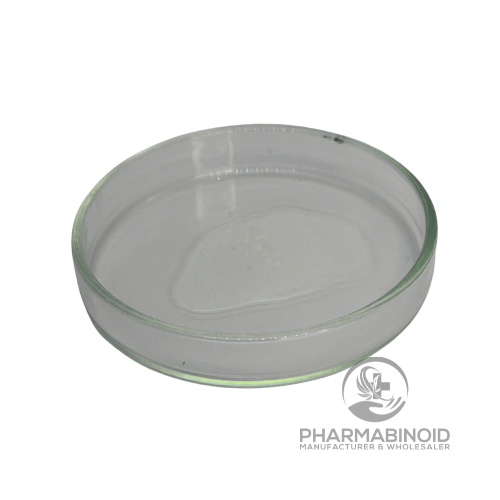
CBD vape-ek
CBD vape termékek és formulázási támogatás professzionális kannabinoid termékfejlesztéshez Ez a válogatás...
-
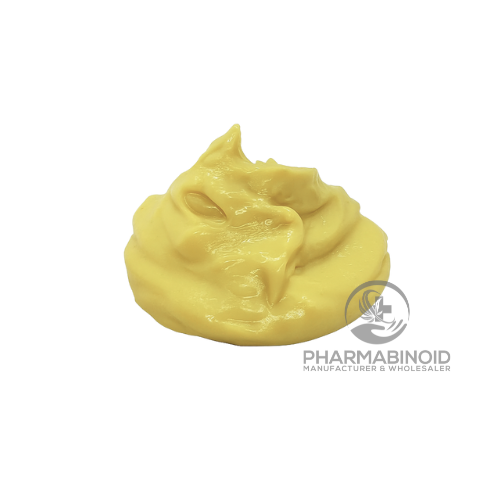
CBD kozmetikumok
CBD kozmetikumok: nagykereskedelmi vásárlói útmutatóKereskedelmi kollekció márkák, gyártók és private-label csapatok számára,...
-
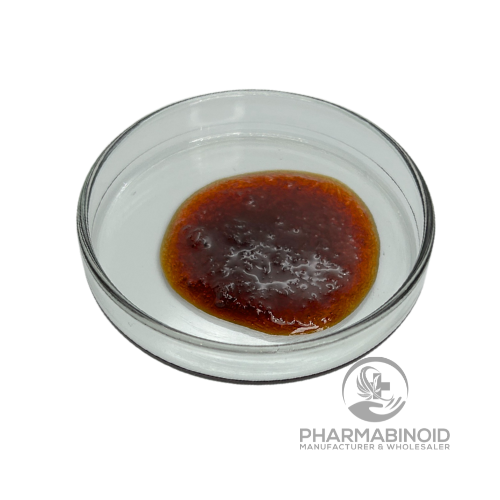
CBD-desztillátumok nagykereskedelme
CBD-desztillátumok nagykereskedelme európai vásárlóknakHasonlítsa össze a CBD-desztillátumokat professzionális formulákhoz, private-label projektekhez és...


Blogbejegyzések
Összes megtekintése-
CBD-desztillátum vagy CBD-izolátum: a formulálá...
A CBD-desztillátum és a CBD-izolátum összehasonlítása elsősorban az összetétel, a kívánt tisztaság, a formulálási viselkedés és a megfelelőségi stratégia kérdése. Mindkettő finomított, kenderből származó CBD-összetevő, de nem felcserélhetők. A CBD-desztillátum...
CBD-desztillátum vagy CBD-izolátum: a formulálá...
A CBD-desztillátum és a CBD-izolátum összehasonlítása elsősorban az összetétel, a kívánt tisztaság, a formulálási viselkedés és a megfelelőségi stratégia kérdése. Mindkettő finomított, kenderből származó CBD-összetevő, de nem felcserélhetők. A CBD-desztillátum...
-
CBD-desztillátum vagy CBD-izolátum: különbségek...
A CBD-desztillátum és a CBD-izolátum összehasonlítása fontos szempont a márkák, formulálók és vásárlók számára, akik kenderből származó összetevőkkel dolgoznak. Mindkét anyag gazdag lehet kannabidiolban, de különböznek az összetétel, az érzékszervi...
CBD-desztillátum vagy CBD-izolátum: különbségek...
A CBD-desztillátum és a CBD-izolátum összehasonlítása fontos szempont a márkák, formulálók és vásárlók számára, akik kenderből származó összetevőkkel dolgoznak. Mindkét anyag gazdag lehet kannabidiolban, de különböznek az összetétel, az érzékszervi...
-
CBD-desztillátum vagy CBD-izolátum: a formulálá...
CBD distillate vs. CBD isolate is a common comparison for brands, formulators, and buyers working with hemp-derived ingredients. Both can be high-quality CBD sources, but they differ in formulation behavior,...
CBD-desztillátum vagy CBD-izolátum: a formulálá...
CBD distillate vs. CBD isolate is a common comparison for brands, formulators, and buyers working with hemp-derived ingredients. Both can be high-quality CBD sources, but they differ in formulation behavior,...
