Badania nad wytwarzaniem CBD analizują, w jaki sposób kannabidiol jest ekstrahowany, oczyszczany, formulowany, testowany, pakowany i kontrolowany na skalę przemysłową. Dla producentów kannabinoidów, laboratoriów, formulatorów i nabywców B2B badania te mają znaczenie, ponieważ jakość produktu nie jest określana wyłącznie przez zawartość CBD. Zależy ona również od profilu kannabinoidowego, kontroli zanieczyszczeń, pozostałości rozpuszczalników, zachowania terpenów, stabilności formulacji, weryfikacji analitycznej oraz zgodności z odpowiednimi europejskimi kategoriami produktów. Podejście oparte na wiedzy naukowej pomaga odróżnić rzetelne badania nad wytwarzaniem CBD od niepopartych dowodami twierdzeń marketingowych.
Czym są badania nad wytwarzaniem CBD?
Badania nad wytwarzaniem CBD to analiza pełnej ścieżki produkcyjnej stosowanej w celu uzyskania kannabidiolu z konopi lub innych dozwolonych źródeł kannabinoidów oraz przekształcenia go w użyteczne składniki lub gotowe formulacje. Może to obejmować zmienne związane z uprawą, przygotowanie biomasy, metody ekstrakcji, winteryzację, dekarboksylację, destylację, krystalizację, izolację, formulację, pakowanie i kontrolę jakości.
W praktyce badania nad wytwarzaniem CBD często analizują, jak parametry procesu wpływają na czystość, wydajność, produkty degradacji, zachowanie mniejszych kannabinoidów, profil terpenowy, poziomy pozostałości rozpuszczalników oraz powtarzalność między partiami. Dziedzina ta pokrywa się z badaniami nad produkcją kannabinoidów, chemią analityczną, inżynierią procesową, nauką o formulacji oraz regulacyjnymi systemami jakości.
W przeciwieństwie do treści dotyczących CBD kierowanych do konsumentów, badania te nie koncentrują się przede wszystkim na doświadczeniach użytkownika ani wynikach zdrowotnych. Skupiają się na powtarzalności produkcji, specyfikacji składników, dokumentacji bezpieczeństwa oraz wiarygodnych dowodach analitycznych. Priorytety te są szczególnie ważne dla europejskich łańcuchów dostaw, gdzie produkty kannabinoidowe mogą należeć do różnych kategorii regulacyjnych w zależności od zamierzonego zastosowania, składu, oświadczeń i krajowej interpretacji.
Obecny stan wiedzy naukowej na temat badań nad wytwarzaniem CBD
Obecne badania nad wytwarzaniem CBD wskazują, że metoda produkcji, jakość materiału źródłowego i kontrole po przetwarzaniu silnie wpływają na końcowy profil składnika. Na przykład ekstrakcja etanolem, ekstrakcja węglowodorami i ekstrakcja nadkrytycznym dwutlenkiem węgla mogą dawać istotnie różne ekstrakty surowe w zależności od temperatury, ciśnienia, polarności rozpuszczalnika, czasu ekstrakcji i strategii rafinacji. Różnice te mogą wpływać na odzysk kannabinoidów, zawartość wosków, poziomy chlorofilu, zachowanie terpenów oraz potrzebę dalszego oczyszczania.
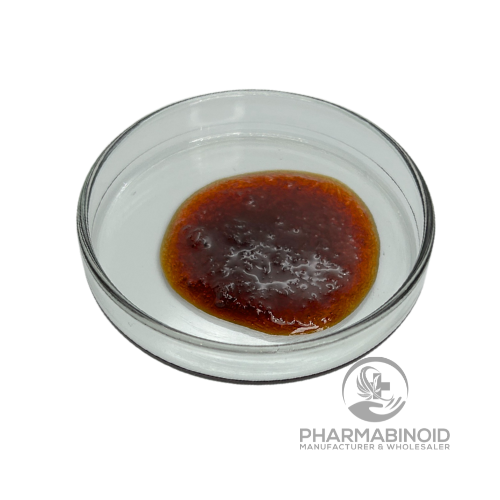
Destylat CBD i izolat CBD są często omawiane w badaniach produkcyjnych, ponieważ reprezentują różne poziomy rafinacji. Destylaty zazwyczaj zachowują szerszy profil kannabinoidowy niż izolaty, podczas gdy izolaty są projektowane tak, aby dostarczać kannabidiol o wysokiej czystości przy minimalnej ilości związków towarzyszących. Badania i walidacja przemysłowa koncentrują się zatem na tym, czy wybrany proces niezawodnie zapewnia docelową specyfikację, a nie na założeniu, że jeden format jest uniwersalnie lepszy.
Stabilność to kolejny ważny temat. Na CBD mogą wpływać ciepło, światło, tlen, pH i matryca formulacji. Dlatego badania nad wytwarzaniem oceniają ścieżki degradacji, kompatybilność opakowań, ryzyko utleniania i warunki przechowywania. Analizy te są niezbędne do realistycznego określenia okresu trwałości oraz zrozumienia, jak składnik zachowuje się w olejach, emulsjach, pastach, kapsułkach, bazach kosmetycznych i innych systemach dostarczania.
Autorytatywne naukowe bazy danych, takie jak PubMed, obejmują rosnący zasób literatury dotyczącej analizy kannabidiolu, stabilności, farmakologii i jakości produktów. Jednak wyniki badań różnią się w zależności od projektu badania, testowanego materiału, metody analitycznej i kontekstu regulacyjnego. Z tego powodu wnioski dotyczące produkcji powinny opierać się na zwalidowanych badaniach i udokumentowanej kontroli procesu, a nie na pojedynczych twierdzeniach.
Farmakologia i mechanizm działania
Chociaż badania nad wytwarzaniem CBD nie są przede wszystkim badaniami farmakologicznymi, zrozumienie zachowania CBD jako cząsteczki ma znaczenie dla formulacji i jakości. Kannabidiol jest fitokannabinoidem występującym w Cannabis sativa L. Różni się strukturalnie od kwaśnych form prekursorowych, takich jak CBDA, które mogą przekształcać się w CBD poprzez dekarboksylację w warunkach zależnych od temperatury i czasu.
CBD jest powszechnie opisywane w literaturze naukowej jako związek o niskim bezpośrednim powinowactwie do receptorów CB1 i CB2 w porównaniu z niektórymi innymi kannabinoidami. Badano również jego interakcje z celami niekannabinoidowymi, w tym z kanałami potencjału przejściowego receptora, szlakami związanymi z serotoniną oraz enzymami zaangażowanymi w sygnalizację endokannabinoidową. Obszary te pozostają przedmiotem trwających badań, a wyników laboratoryjnych nie należy interpretować jako potwierdzonych efektów klinicznych.
Z perspektywy produkcyjnej farmakologia wiąże się z zachowaniem formulacji. Lipofilowość związku, rozpuszczalność, charakterystyka cząstek, stabilność chemiczna oraz interakcja z substancjami pomocniczymi mogą wpływać na dyspersję, jednorodność, działanie związane z biodostępnością oraz odzysk analityczny. Badania nad formulacją CBD często oceniają więc oleje nośnikowe, emulgatory, surfaktanty, systemy enkapsulacji oraz techniki nano- lub mikrodyspersji. Podejścia te mogą zmieniać sposób dystrybucji CBD w matrycy, ale wymagają starannych badań zamiast opierania się na założeniach dotyczących skuteczności.
Kluczowe obszary badań
-
Kontrola procesu ekstrakcji i oczyszczania: Badania nad produkcją CBD porównują warunki ekstrakcji, układy rozpuszczalników, parametry destylacji, strategie krystalizacji oraz metody usuwania zanieczyszczeń. Celem jest uzyskanie spójnej zawartości kannabinoidów przy jednoczesnej kontroli pozostałości rozpuszczalników, wosków, pigmentów, niepożądanych produktów degradacji oraz zanieczyszczeń związanych z procesem.
-
Badania nad formulacją CBD: Badania formulacyjne oceniają, jak CBD zachowuje się w olejach, emulsjach, pastach, układach kosmetycznych, kapsułkach i innych matrycach. Kluczowe pytania obejmują rozpuszczalność, jednorodność, stabilność oksydacyjną, kompatybilność z substancjami pomocniczymi, lepkość, cechy sensoryczne oraz to, czy CBD pozostaje w granicach specyfikacji w czasie.
-
Kontrola jakości kannabinoidów: Badania analityczne koncentrują się na metodach takich jak HPLC, UPLC, GC-MS, LC-MS, ICP-MS, badanie pozostałości rozpuszczalników, screening pestycydów, badania mikrobiologiczne oraz testy wskazujące na stabilność. Narzędzia te pomagają zweryfikować profil kannabinoidowy, czystość, zanieczyszczenia i spójność partii.
-
Stabilność i opakowanie: Badania analizują, jak ekspozycja na światło, przenikanie tlenu, temperatura, wilgotność, systemy zamknięcia pojemników i materiały opakowaniowe wpływają na integralność CBD. Badania opakowań są szczególnie ważne dla długoterminowej jakości i realistycznej oceny okresu przydatności do użycia.
-
Skalowanie procesu i odtwarzalność: Proces działający w skali laboratoryjnej może nie zachowywać się identycznie w skali pilotażowej lub komercyjnej. Badania produkcyjne oceniają więc efektywność mieszania, wymianę ciepła, odzysk rozpuszczalnika, wydajność filtracji, kontrolę krystalizacji oraz dokumentację partii.
Ograniczenia badań
Badania nad produkcją CBD rozwijają się, ale nadal istnieje kilka ograniczeń. Wiele opublikowanych badań analizuje określone materiały, metody analityczne lub typy formulacji, które mogą nie mieć bezpośredniego zastosowania w każdym środowisku produkcyjnym. Wyników z jednego systemu ekstrakcji, oleju nośnikowego, formatu opakowania lub warunków przechowywania nie można automatycznie przenosić na inne bez walidacji.
Innym ograniczeniem jest zmienność surowca wyjściowego. Biomasa konopi może różnić się profilem kannabinoidowym, zawartością wilgoci, składem terpenów, narażeniem na pestycydy, obciążeniem mikrobiologicznym, akumulacją metali ciężkich i stopniem dojrzałości zbioru. Zmienne te wpływają na wydajność ekstrakcji i spójność końcowego składnika. Badania produkcyjne są więc najbardziej użyteczne wtedy, gdy obejmują szczegółową charakterystykę materiału i przejrzyste metody analityczne.
Istnieje również luka między badaniami akademickimi a rzeczywistymi ograniczeniami przemysłowymi. Opublikowane badania mogą wykorzystywać małe próbki, kontrolowane warunki laboratoryjne lub uproszczone formulacje. Produkcja komercyjna musi także uwzględniać projekt urządzeń, walidację czyszczenia, zapobieganie zanieczyszczeniom krzyżowym, odzysk rozpuszczalnika, bezpieczeństwo pracowników, dokumentację, przechowywanie, transport oraz zgodność z docelową kategorią rynkową.
Wreszcie, badania nad farmakologią i biodostępnością CBD należy interpretować ostrożnie. Wyniki przedkliniczne lub in vitro mogą wspierać zrozumienie naukowe, ale nie uzasadniają niepotwierdzonych twierdzeń medycznych. Dane dotyczące ludzi różnią się w zależności od kontekstu badania, a strony poświęcone produkcji nie powinny przedstawiać wczesnych badań jako potwierdzonej korzyści zdrowotnej.
Znaczenie przemysłowe i formulacyjne
Dla producentów i nabywców B2B badania nad produkcją CBD mają bezpośrednie znaczenie dla doboru składników, kwalifikacji dostawców, walidacji procesu i opracowywania gotowych produktów. Składnik CBD wysokiej jakości powinien być rozumiany przez pryzmat jego specyfikacji, historii produkcji, wyników analitycznych, profilu stabilności i przydatności do zamierzonej formulacji.
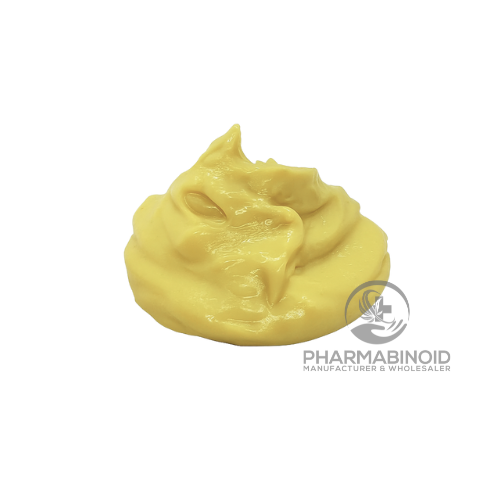
W praktyce przemysłowej destylat CBD, izolat CBD, ekstrakty o szerokim spektrum oraz pasta CBD mogą służyć różnym celom formulacyjnym. Destylaty mogą być wybierane, gdy pożądany jest szerszy profil kannabinoidowy w granicach specyfikacji. Izolaty mogą być preferowane tam, gdzie wymagana jest wysoka czystość CBD i niska złożoność. Pasty CBD i inne materiały częściowo rafinowane mogą wymagać dodatkowej kontroli, ponieważ ich skład może się znacznie bardziej różnić w zależności od ekstrakcji i rafinacji.
Badacze i formulatorzy powinni także uwzględniać rolę terpenów. Profile terpenowe mogą wpływać na aromat, jakość sensoryczną, lotność i stabilność formulacji, ale terpeny mogą być również wrażliwe na ciepło i odparowanie. Ich obecność lub brak powinny więc być dokumentowane analitycznie, a nie zakładane wyłącznie na podstawie samej metody ekstrakcji.
Aby uzyskać dalsze informacje na powiązane tematy dotyczące formulacji i składników, Pharmabinoid udostępnia strony badawcze dotyczące badań nad destylatem CBD, testowania, jakości i formulacji, jakości i testowania pasty CBD , oraz szerszych badań nad kannabinoidami.
Badania, jakość i kwestie zgodności z przepisami
Solidna kontrola jakości kannabinoidów opiera się na zwalidowanych badaniach analitycznych i przejrzystej dokumentacji. Certyfikat analizy powinien zawierać więcej niż tylko informację o całkowitej zawartości CBD. W zależności od składnika i zamierzonego zastosowania może on obejmować profil kannabinoidowy, pomiary związane z THC, tam gdzie ma to zastosowanie, pozostałości rozpuszczalników, pestycydy, metale ciężkie, badania mikrobiologiczne, mykotoksyny, ciała obce, aktywność wody, gęstość, wygląd oraz inne kryteria specyfikacji.
HPLC jest powszechnie stosowane do oznaczania ilościowego kannabinoidów, ponieważ umożliwia pomiar kwaśnych i neutralnych kannabinoidów bez konieczności ich konwersji wywołanej ciepłem podczas analizy. Metody oparte na GC mogą być przydatne w przypadku lotnych związków, takich jak pozostałości rozpuszczalników lub terpeny, jednak projekt metody ma istotne znaczenie, ponieważ ciepło może przekształcać niektóre kannabinoidy, jeśli nie jest odpowiednio kontrolowane. ICP-MS jest szeroko stosowane do analizy metali śladowych, natomiast metody LC-MS lub GC-MS mogą wspierać badania przesiewowe zanieczyszczeń.
Systemy jakości również mają znaczenie. Wiarygodne wytwarzanie jest wspierane przez udokumentowane zapisy partii, kwalifikowanych dostawców, konserwację sprzętu, procedury czyszczenia, obsługę odchyleń, identyfikowalność, próbki archiwalne, programy stabilności oraz kontrolę zmian. Te mechanizmy pomagają ograniczyć zmienność i dostarczają dowodów, że składnik odpowiada deklarowanej specyfikacji.
Zgodność z przepisami w Europie wymaga szczególnej ostrożności, ponieważ produkty CBD mogą być oceniane odmiennie w zależności od składu, zamierzonego zastosowania, oświadczeń, drogi podania oraz interpretacji właściwej dla danego kraju. Producenci i właściciele marek powinni unikać twierdzeń medycznych, chyba że produkty są dopuszczone do takiego celu. Zasoby regulacyjne, takie jak informacje Komisji Europejskiej o nowej żywności oraz odpowiednie wytyczne krajowych organów, mogą pomóc w ukierunkowaniu dyskusji dotyczących zgodności, chociaż nadal może być wymagana profesjonalna porada regulacyjna.
Opakowanie i postępowanie po produkcji są również częścią kontroli jakości. Pojemniki chroniące przed światłem, zarządzanie tlenem, kompatybilne zamknięcia oraz kontrolowane warunki przechowywania mogą wpływać na stabilność. Powiązana strona Pharmabinoid dotycząca badań nad opakowaniami CBD, stabilnością, bezpieczeństwem i zgodnością omawia te kwestie produkcyjne bardziej szczegółowo.
Powiązane kannabinoidy, terpeny lub tematy badawcze
Produkcja CBD nie funkcjonuje w oderwaniu od innych zagadnień. Jest powiązana z szerszymi badaniami nad wytwarzaniem kannabinoidów obejmującymi CBDV, związki powiązane z CBG, minorowe kannabinoidy, retencję terpenów, systemy nośnikowe oraz rozwój metod analitycznych. Badania nad pokrewnymi kannabinoidami mogą pomóc producentom zrozumieć, w jaki sposób struktura cząsteczkowa, temperatura wrzenia, wrażliwość na utlenianie i rozpuszczalność wpływają na decyzje dotyczące przetwarzania.
Istotne powiązane tematy obejmują destylat CBD, izolat CBD, pastę CBD, badania nad CBDV, stabilność kannabinoidów, profilowanie terpenów, kontrolę pozostałości rozpuszczalników, dokumentację w stylu GMP oraz kompatybilność formulacji. Obszary te są szczególnie ważne przy opracowywaniu składników do kosmetyków, zastosowań technicznych, użytku badawczego lub innych regulowanych kategorii produktów, w których specyfikacje i oświadczenia muszą być starannie zarządzane.
FAQ dotyczące badań nad produkcją CBD
Co zwykle mierzą badania nad produkcją CBD?
Zazwyczaj mierzą zawartość kannabinoidów, czystość CBD, profil mniejszych kannabinoidów, rozpuszczalniki resztkowe, pestycydy, metale ciężkie, jakość mikrobiologiczną, profil terpenowy, produkty degradacji, parametry związane z wilgocią oraz stabilność w czasie. Dokładny panel badań zależy od rodzaju składnika, procesu, zamierzonego zastosowania oraz obowiązującego standardu jakości.
Dlaczego badania nad formulacją są ważne dla produktów CBD?
CBD jest związkiem lipofilowym, co oznacza, że zachowuje się inaczej w olejach, emulsjach, proszkach i układach kompatybilnych z wodą. Badania nad formulacją CBD pomagają określić, czy związek pozostaje równomiernie rozproszony, chemicznie stabilny i analitycznie spójny w wybranej matrycy. Wspierają również realistyczną ocenę trwałości oraz opracowanie specyfikacji produktu.
Czy wszystkie metody wytwarzania CBD są równoważne?
Nie. Metoda ekstrakcji, wybór rozpuszczalnika, temperatura, strategia oczyszczania, konstrukcja urządzeń i kontrole jakości mogą wpływać na końcowy składnik. Różne metody mogą być odpowiednie dla różnych docelowych specyfikacji, ale równoważność powinna być wykazana za pomocą zwalidowanych danych analitycznych, a nie zakładana.
W jaki sposób certyfikaty analizy wspierają kontrolę jakości kannabinoidów?
Certyfikaty analizy dostarczają udokumentowanych wyników badań dla konkretnej partii lub próbki. Przydatny COA powinien identyfikować metodę badawczą, laboratorium, odniesienie do próbki, profil kannabinoidowy, wyniki dotyczące zanieczyszczeń tam, gdzie ma to znaczenie, oraz to, czy materiał spełnia określone specyfikacje. COA stanowią ważną część kwalifikacji dostawcy, ale powinny być wspierane przez szerszą dokumentację jakościową.
Czy badania nad wytwarzaniem CBD mogą potwierdzić korzyści zdrowotne?
Nie. Badania nad wytwarzaniem koncentrują się przede wszystkim na produkcji, czystości, stabilności i jakości. Farmakologia i badania kliniczne to odrębne dziedziny, a wstępne ustalenia nie powinny być przedstawiane jako potwierdzone efekty zdrowotne. Odpowiedzialne treści badawcze dotyczące CBD powinny unikać twierdzeń medycznych, chyba że są poparte odpowiednim poziomem dowodów i autoryzacją regulacyjną.
Wnioski
Badania nad wytwarzaniem CBD stanowią naukową podstawę rzetelnej produkcji kannabinoidów, formulacji, testowania oraz świadomej pod względem zgodności regulacyjnej kontroli jakości. Najsolidniejsze badania nie traktują CBD jako prostego towaru; analizują, w jaki sposób materiał źródłowy, ekstrakcja, oczyszczanie, formulacja, opakowanie i weryfikacja analityczna kształtują końcowy składnik. Dla producentów, laboratoriów i firm B2B działających w branży kannabinoidów kluczowy wniosek jest jasny: wiarygodne badania nad wytwarzaniem CBD opierają się na zwalidowanych metodach, przejrzystej dokumentacji, realistycznym podejściu do ograniczeń i ostrożnej interpretacji dowodów.
W miarę dojrzewania sektora kannabinoidów badania nad wytwarzaniem CBD będą nadal wspierać lepszą kontrolę procesów, bardziej stabilne formulacje, solidniejsze certyfikaty analizy oraz bardziej spójne standardy dostaw. Najbardziej odpowiedzialne podejście polega na łączeniu naukowej dociekliwości z ostrożnością regulacyjną, unikaniu przesadzonych twierdzeń oraz budowaniu produktów i składników w oparciu o mierzalną jakość.