Badania nad opakowaniami CBD analizują, w jaki sposób materiały opakowaniowe, informacje na etykiecie, konstrukcja pojemnika oraz kontrola jakości wpływają na stabilność, bezpieczeństwo, użyteczność i profil zgodności produktów CBD. Dla producentów, formulatorów, laboratoriów i dostawców B2B opakowanie nie jest końcowym krokiem kosmetycznym; stanowi część strategii kontroli produktu. Słabe opakowanie może wpływać na profil kannabinoidowy, retencję terpenów, ryzyko utleniania, kontrolę zanieczyszczeń, identyfikowalność partii oraz wymagania dotyczące etykiet CBD skierowanych do klientów. Ponieważ europejskie przepisy dotyczące produktów CBD pozostają złożone i zależne od kategorii produktu, badania nad opakowaniami muszą łączyć naukę o materiałach, testy analityczne, wiedzę formulacyjną oraz ostrożność regulacyjną.
Czym są badania nad opakowaniami CBD?
Badania nad opakowaniami CBD to usystematyzowana ocena tego, w jaki sposób opakowanie oddziałuje z produktami zawierającymi CBD w całym zamierzonym okresie trwałości, łańcuchu dystrybucji i kontekście rynkowym. Obejmują one badanie materiałów pojemników, zamknięć, plomb, właściwości barierowych, ekspozycji na światło, przenikania tlenu, kontroli wilgoci, kompatybilności z ekstraktem, trwałości etykiety, zabezpieczeń przed naruszeniem oraz funkcji bezpieczeństwa dla konsumenta.
W sektorze kannabinoidów decyzje dotyczące opakowań są ściśle powiązane z rodzajem formulacji. Proszek izolatu CBD, destylat broad-spectrum, ekstrakt bogaty w terpeny, formulacja na bazie oleju, preparat kosmetyczny, płyn związany z waporyzacją lub materiał badawczy mogą wymagać odmiennych rozważań dotyczących opakowania. CBD może być wrażliwe na czynniki środowiskowe, takie jak ciepło, światło i tlen, podczas gdy terpeny mogą być lotne i podatne na parowanie lub utlenianie. Opakowanie musi zatem chronić zarówno deklarowany profil kannabinoidowy, jak i, tam gdzie ma to znaczenie, profil terpenowy.
Zgodność opakowań CBD z wymogami zależy również od kategorii produktu i rynku docelowego. Wymagania mogą się różnić w przypadku kosmetyków, produktów związanych z żywnością, materiałów laboratoryjnych, składników przemysłowych i innych formulacji. Opakowanie i etykieta nie mogą zawierać niepotwierdzonych twierdzeń, błędnie przedstawiać zawartości kannabinoidów ani pomijać ważnych informacji dotyczących identyfikowalności i bezpieczeństwa.
Obecny stan wiedzy naukowej na temat badań nad opakowaniami CBD
Obecny stan wiedzy naukowej i technicznej sugeruje, że opakowanie może w istotny sposób wpływać na stabilność produktu i spójność jego jakości, chociaż badania nad opakowaniami specyficznymi dla kannabinoidów wciąż się rozwijają. Wiele rozwiązań stosowanych w opakowaniach CBD pochodzi z pokrewnych dziedzin, takich jak opakowania farmaceutyczne, opakowania kosmetyczne, nauka o materiałach mających kontakt z żywnością, stabilność olejków eterycznych oraz chemia analityczna.
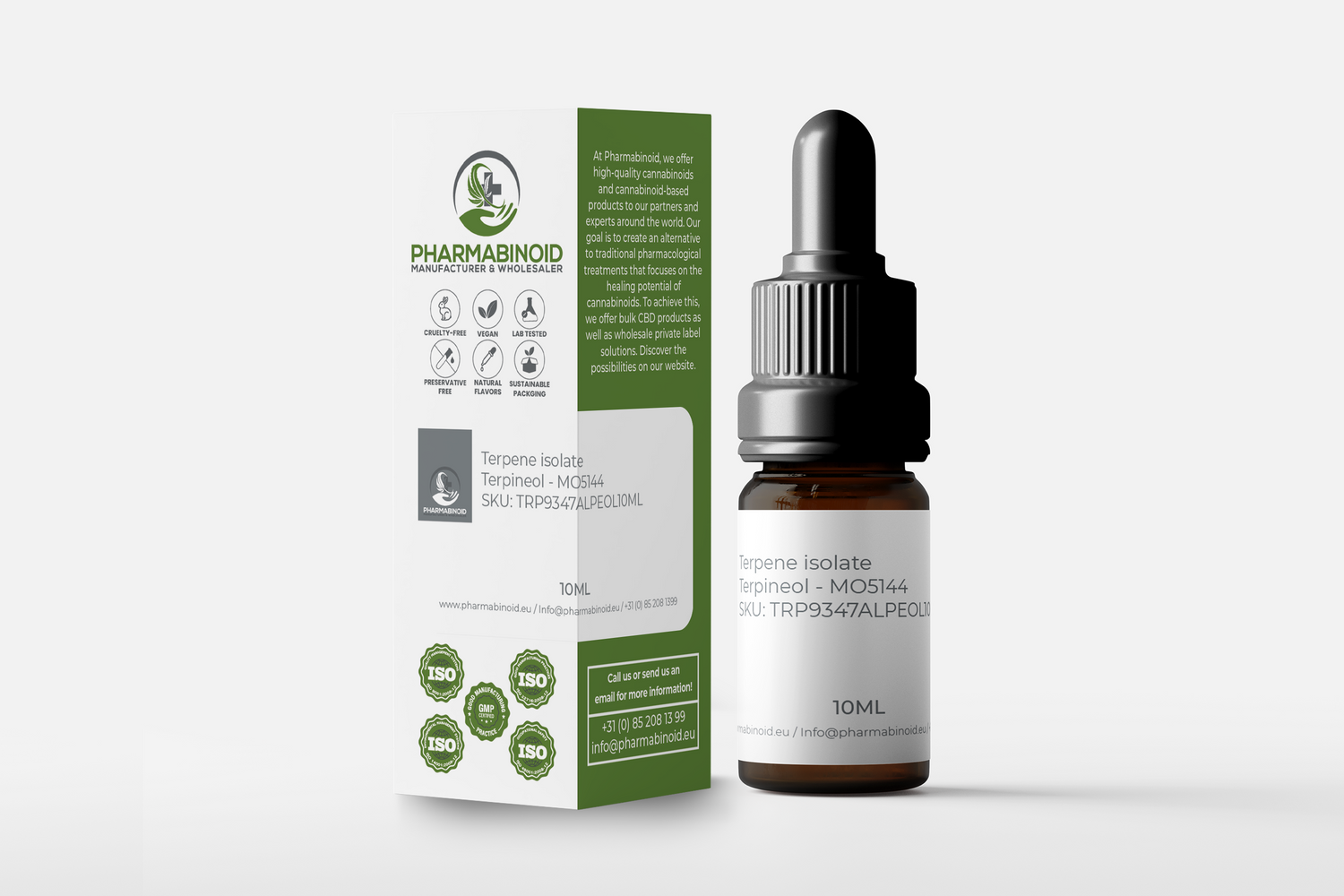
Na bezpieczeństwo opakowań produktów CBD wpływa kilka praktycznych zmiennych. Bursztynowe szkło może ograniczać ekspozycję na światło i jest powszechnie stosowane w przypadku formulacji kannabinoidowych na bazie oleju, podczas gdy niektóre tworzywa sztuczne mogą oferować korzyści pod względem masy, kosztu i odporności na stłuczenie, ale wymagają oceny kompatybilności. Zamknięcia, wkładki uszczelniające, zakraplacze, pompki, saszetki i plomby powinny być oceniane pod kątem interakcji z ekstraktem, wycieków, parowania, absorpcji ekstraktu oraz potencjalnej migracji składników opakowania.
W przypadku projektowania etykiet wyzwaniem badawczym jest nie tylko czytelność, ale także dokładność w czasie. Etykiety muszą pozostać czytelne podczas przechowywania i transportu, identyfikatory partii muszą umożliwiać identyfikowalność, a deklarowana zawartość kannabinoidów powinna odpowiadać weryfikacji analitycznej. W Europie kluczowe znaczenie mają szersze zasady etykietowania, takie jak jasność, prezentacja niewprowadzająca w błąd oraz wymagania dotyczące kategorii produktu. Ramy unijne dotyczące informacji o żywności, w tym rozporządzenie (UE) nr 1169/2011, są często przywoływane jako odniesienie do ogólnych zasad tam, gdzie ma to zastosowanie, chociaż klasyfikacja CBD i związane z nią obowiązki zależą od konkretnego produktu i jurysdykcji.
Farmakologia i mechanizm działania
Opakowanie nie zmienia farmakologii CBD w taki sposób, jak mogłaby to zrobić interakcja z receptorem lub substancja pomocnicza formulacji. Jednak opakowanie może wpływać na integralność chemiczną CBD i związków pokrewnych, zanim zostaną one wykorzystane w badaniach lub formulacji. Z naukowego punktu widzenia sprawia to, że opakowanie jest pośrednio istotne dla farmakologii, ponieważ zdegradowany, utleniony, zanieczyszczony lub nieprawidłowo oznakowany materiał może już nie odzwierciedlać zamierzonego materiału badanego ani profilu formulacji.
CBD jest omawiane w badaniach nad kannabinoidami w odniesieniu do układu endokannabinoidowego i innych celów biologicznych, ale badania dotyczące opakowań nie ustalają skutków medycznych. Zamiast tego wspierają spójność analityczną. Jeśli materiał zawierający CBD jest narażony na nadmierne ciepło, promieniowanie ultrafioletowe, tlen lub niekompatybilne powierzchnie opakowaniowe, mierzony profil kannabinoidowy może ulec zmianie. Formulacje zawierające terpeny dodają kolejny poziom złożoności, ponieważ terpeny są często bardziej lotne niż kannabinoidy i mogą wchodzić w interakcje z polimerami, uszczelnieniami lub tlenem obecnym w przestrzeni nad produktem.
Dla producentów kluczowy mechanizm ma zatem charakter fizykochemiczny, a nie farmakologiczny: ochrona barierowa, ograniczenie stresu oksydacyjnego, kontrolowana przestrzeń nad produktem, kompatybilność materiałowa oraz zachowanie zweryfikowanego profilu partii. Dlatego badania nad opakowaniami dla kannabinoidów powinny być powiązane z badaniami stabilności, przeglądem certyfikatu analizy oraz zwalidowanymi metodami analitycznymi, a nie z twierdzeniami marketingowymi.
Kluczowe obszary badań
-
Kompatybilność materiałowa i migracja: Materiały opakowaniowe mogą wchodzić w interakcje z olejami, cieczami zawierającymi alkohol, ekstraktami bogatymi w terpeny lub półstałymi podłożami. Badania powinny oceniać, czy pojemnik, zamknięcie, wkładka, klej, farba drukarska lub element zakraplacza wnoszą substancje ekstrahowalne, substancje wymywalne, przenoszenie zapachu, absorpcję, pęcznienie lub utratę składników aktywnych. W kontekście materiałów przeznaczonych do kontaktu z żywnością ważnym punktem odniesienia, tam gdzie ma to zastosowanie, są unijne ramy dotyczące materiałów przeznaczonych do kontaktu z żywnością, w tym rozporządzenie (WE) nr 1935/2004.
-
Stabilność pod wpływem światła, tlenu, ciepła i wilgotności: Badania nad opakowaniami CBD powinny oceniać, jak ekspozycja środowiskowa wpływa na zawartość kannabinoidów, rozwój zanieczyszczeń, barwę, zapach, lepkość i retencję terpenów. Przyspieszone badania stabilności oraz badania w czasie rzeczywistym mogą pomóc ustalić, czy opakowanie chroni formulację w realistycznych warunkach przechowywania i transportu.
-
Wymagania dotyczące etykiet CBD i identyfikowalność: Etykiety powinny umożliwiać identyfikację partii, przejrzystość składu, bezpieczne użytkowanie, instrukcje przechowywania, ilość netto, informacje o odpowiedzialnym podmiocie gospodarczym oraz, tam gdzie jest to wymagane, identyfikowalność analityczną. Oświadczenia należy starannie kontrolować, szczególnie w Europie, gdzie niepoparte dowodami oświadczenia zdrowotne lub lecznicze mogą stwarzać ryzyko regulacyjne.
-
Konstrukcja zabezpieczająca przed dziećmi i naruszeniem opakowania: W zależności od rodzaju produktu i rynku, opakowanie ukierunkowane na bezpieczeństwo może wymagać zabezpieczenia przed naruszeniem, kontrolowanego dozowania lub zamknięć utrudniających otwarcie przez dzieci. Badania w tym obszarze uwzględniają nie tylko zgodność z przepisami, ale także użyteczność, zapobieganie wyciekom oraz spójność mechaniki dozowania tam, gdzie stosowane jest urządzenie dozujące. Na podstawie samej konstrukcji opakowania nie należy wyciągać wniosków co do zalecanego dawkowania.
-
Zrównoważony rozwój i właściwości barierowe: Opakowania nadające się do recyklingu, lekkie lub oparte na surowcach biologicznych są coraz ważniejsze, jednak cele zrównoważonego rozwoju muszą być równoważone z kompatybilnością chemiczną i ochroną produktu. Materiał o mniejszym wpływie na środowisko jest odpowiedni tylko wtedy, gdy zachowuje jakość i nie wprowadza możliwych do uniknięcia zagrożeń dla bezpieczeństwa.
Ograniczenia badań
Badania nad opakowaniami CBD są nadal ograniczone z powodu rozdrobnionych kategorii produktów, zmiennych formulacji oraz ewoluującej interpretacji regulacyjnej w Europie. Wyników dotyczących jednego oleju CBD, ekstraktu, bazy kosmetycznej lub materiału laboratoryjnego nie można automatycznie przenosić na inną formulację. Pojemnik, który dobrze sprawdza się w przypadku oczyszczonego izolatu CBD w oleju nośnikowym, może nie zachowywać się tak samo w przypadku ekstraktu bogatego w terpeny lub formulacji zawierającej emulgatory, rozpuszczalniki, aromaty lub składniki botaniczne.
Kolejnym ograniczeniem jest brak zharmonizowanych, specyficznych dla kannabinoidów standardów opakowaniowych w Europie. Producenci często opierają się na ogólnej wiedzy o opakowaniach, przepisach dotyczących materiałów mających kontakt z żywnością, tam gdzie mają zastosowanie, zasadach dotyczących opakowań kosmetycznych, koncepcjach opakowań farmaceutycznych oraz wewnętrznych ocenach ryzyka. Narzędzia te są wartościowe, ale nie zastępują badań kompatybilności specyficznych dla produktu ani przeglądu prawnego.
Znaczenie mają również ograniczenia analityczne. Wnioski dotyczące stabilności zależą od zwalidowanych metod, planów pobierania próbek, warunków przechowywania oraz kryteriów akceptacji. Certyfikat analizy jest jedynie migawką partii w danym momencie, chyba że jest poparty odpowiednimi danymi stabilności oraz kontrolowanym przechowywaniem. Z tego powodu oświadczenia dotyczące opakowania powinny być ostrożne i oparte na dowodach.
Znaczenie przemysłowe i formulacyjne
Dla firm B2B działających w obszarze kannabinoidów badania nad opakowaniami CBD mają bezpośrednie znaczenie dla jakości produktu, niezawodności łańcucha dostaw i zaufania klientów. Opakowanie wpływa na to, jak materiał przemieszcza się od produkcji do magazynowania, z magazynu do miejsca formulacji oraz z linii napełniania do użytkownika końcowego. Wpływa również na to, jak łatwo można zidentyfikować partię, objąć ją kwarantanną, wycofać, porównać ze specyfikacjami lub powiązać z dokumentacją analityczną.
Formulatorzy powinni oceniać opakowanie na wczesnym etapie, a nie dopiero po zakończeniu formulacji. Lepkość, objętość napełnienia, wolna przestrzeń w opakowaniu, moment dokręcania zamknięcia, kompatybilność zakraplacza, wrażliwość na tlen oraz przyczepność etykiety do powierzchni mogą wpływać na gotowość komercyjną. Opakowanie powinno być również zgodne z docelową specyfikacją analityczną, taką jak zawartość CBD, limity THC tam, gdzie mają zastosowanie, zawartość mniejszych kannabinoidów, profil terpenowy, limity pozostałości rozpuszczalników, metale ciężkie, pestycydy, mikrobiologia oraz inne parametry jakościowe.
Szersza działalność edukacyjna Pharmabinoid w zakresie badań nad kannabinoidami odzwierciedla znaczenie łączenia nauki o kannabinoidach z praktycznymi kontrolami wytwarzania. Badania nad opakowaniami są częścią tego samego łańcucha jakości: pomagają zapewnić, że zweryfikowany materiał kannabinoidowy pozostaje spójny, identyfikowalny i odpowiednio udokumentowany przez cały zamierzony okres użytkowania.
Badania, jakość i kwestie zgodności
Badania i dokumentacja mają kluczowe znaczenie dla wiarygodnych badań nad opakowaniami dla kannabinoidów. Solidna ocena opakowania może obejmować badanie tożsamości, analizę mocy kannabinoidów, monitorowanie zanieczyszczeń, analizę terpenów, badanie pozostałości rozpuszczalników, ocenę mikrobiologiczną, badania przesiewowe na obecność metali ciężkich, testy pestycydów, badania stabilności oraz przegląd kompatybilności opakowania. Dokładny plan badań powinien być proporcjonalny do formulacji, kategorii produktu, rynku i profilu ryzyka.
Certyfikaty analizy są szczególnie ważne dla materiałów kannabinoidowych, ponieważ wspierają weryfikację na poziomie partii. Jednak COA należy dokładnie przeglądać: znaczenie mają metoda analityczna, kompetencje laboratorium, data próbki, numer partii, limity specyfikacji i zakres badań. Opakowanie i etykietowanie powinny umożliwiać powiązanie fizycznego produktu z właściwą dokumentacją.
Zgodność opakowań CBD powinna również uwzględniać kontrolę oświadczeń. Etykiety nie powinny przedstawiać CBD jako środka leczniczego, lekarstwa, sposobu zapobiegania chorobom ani narzędzia diagnostycznego. Nawet sformułowania, które wydają się edukacyjne, mogą stać się problematyczne, jeśli są przedstawiane w komercyjnym kontekście produktu bez odpowiedniego uzasadnienia. Firmy działające w Europie powinny przestrzegać wymogów właściwych dla danego kraju i monitorować zmiany w obszarach takich jak ocena nowej żywności, przepisy kosmetyczne, ogólne bezpieczeństwo produktów i ograniczenia reklamowe. Pharmabinoid omówił również złożony status prawny CBD w Europie, który pozostaje istotny przy ocenie strategii opakowania i etykietowania.
Powiązane kannabinoidy, terpeny lub tematy badawcze
Badania nad opakowaniami CBD łączą się z kilkoma pokrewnymi tematami, w tym stabilnością kannabinoidów, lotnością terpenów, doborem metody ekstrakcji, biodostępnością formulacji, weryfikacją analityczną, kontrolą pozostałości rozpuszczalników oraz identyfikowalnością partii. Są również istotne dla izolatu CBD, ekstraktów broad-spectrum, destylatów i gotowych formulacji, w których opakowanie musi zachować czystość i deklarowany skład.
Powiązane obszary badań obejmują szlaki degradacji kannabinoidów, utlenianie składników botanicznych, substancje ekstrahowalne i wymywalne z opakowań, ocenę materiałów przeznaczonych do kontaktu z żywnością, kompatybilność pojemników kosmetycznych oraz przegląd zgodności etykiet. W przypadku nowych kannabinoidów ocena opakowania staje się jeszcze ważniejsza, ponieważ publicznie dostępnych danych dotyczących stabilności może być mniej.
FAQ dotyczące badań nad opakowaniami CBD
Dlaczego badania nad opakowaniami są ważne dla produktów CBD?
Badania nad opakowaniami są ważne, ponieważ na produkty CBD mogą wpływać światło, tlen, ciepło, wilgotność, wycieki, interakcje materiałowe i błędy w etykietowaniu. Odpowiednie badania pomagają producentom wybierać opakowania, które wspierają stabilność, identyfikowalność i bezpieczeństwo produktu bez opierania się na niepotwierdzonych założeniach.
Co powinno znaleźć się na etykiecie produktu CBD?
Wymogi dotyczące etykietowania CBD zależą od kategorii produktu i rynku docelowego. Zasadniczo etykiety mogą wymagać wyraźnej identyfikacji produktu, numeru partii lub serii, ilości netto, informacji o składnikach, danych odpowiedzialnego przedsiębiorcy, instrukcji przechowywania, ostrzeżeń tam, gdzie ma to zastosowanie, oraz prezentacji, która nie wprowadza w błąd. Należy unikać oświadczeń zdrowotnych lub leczniczych, chyba że są one wyraźnie dozwolone w odpowiednich ramach prawnych.
Które materiały opakowaniowe są najlepsze dla formulacji CBD?
Nie istnieje jeden uniwersalnie najlepszy materiał dla wszystkich formulacji CBD. Szkło bursztynowe jest często stosowane, ponieważ zapewnia silne właściwości barierowe i ochronę przed światłem, ale tworzywa sztuczne, aluminium, laminaty i inne materiały mogą być odpowiednie w określonych kontekstach, jeśli oceniono kompatybilność i ryzyko migracji. Wybór powinien być podyktowany formulacją, zawartością terpenów, układem nośnikowym, warunkami przechowywania oraz wymogami zgodności.
Podsumowanie
Badania nad opakowaniami CBD to praktyczna dziedzina badawcza znajdująca się na styku nauki o kannabinoidach, rozwoju formulacji, zapewnienia jakości oraz świadomości zgodności z przepisami europejskimi. Najlepsze decyzje dotyczące opakowań opierają się na kompatybilności materiałów, danych dotyczących stabilności, weryfikacji analitycznej, jasnych wymogach etykietowania CBD oraz ostrożnej kontroli oświadczeń. Chociaż badania nad opakowaniami kannabinoidów wciąż się rozwijają, ich znaczenie jest już oczywiste: opakowanie pomaga zachować integralność produktów CBD, wspiera rzetelną dokumentację i ogranicza możliwe do uniknięcia ryzyka bezpieczeństwa oraz zgodności w całym łańcuchu dostaw.