CBG Studies are increasingly important in cannabinoid science because cannabigerol is often discussed as a “minor” cannabinoid with major relevance for breeding, extraction, formulation, analytical testing, and pharmacology. Current CBG research includes preclinical investigations, in vitro models, receptor-binding work, and early human-interest questions, but the evidence base is still developing. For manufacturers, laboratories, and formulators, the value of CBG scientific studies lies not in exaggerated claims, but in understanding purity, stability, cannabinoid profile, potential mechanisms, bioavailability challenges, and the limits of existing peer-reviewed evidence.
What Is CBG?
Cannabigerol, commonly abbreviated as CBG, is a naturally occurring phytocannabinoid found in Cannabis sativa L. It is closely associated with cannabigerolic acid, or CBGA, which is often described in cannabinoid chemistry as a precursor molecule involved in the biosynthesis of several major acidic cannabinoids, including THCA, CBDA, and CBCA. As the plant matures, enzymatic pathways and genetics influence how much CBGA is converted into other cannabinoids, which is one reason CBG-rich biomass requires specific cultivar selection and careful agricultural control.
Unlike THC, CBG is not generally characterised as an intoxicating cannabinoid in the way delta-9-THC is discussed. However, “non-intoxicating” should not be confused with “fully understood.” CBG pharmacology is complex, and research continues to investigate its interaction with cannabinoid receptors, non-cannabinoid receptor systems, ion channels, and biological pathways in experimental models.
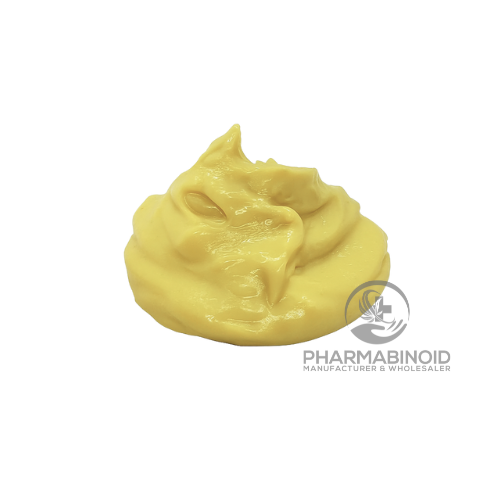
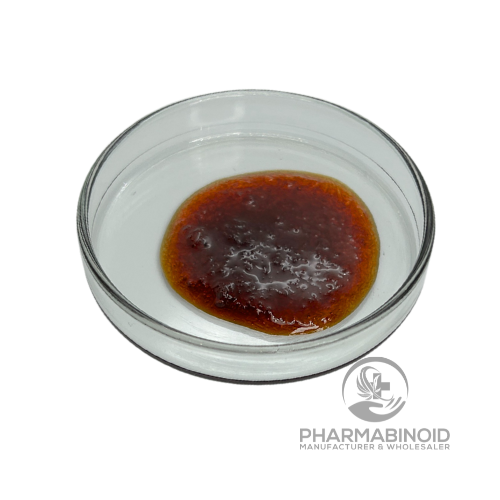
From an industrial perspective, CBG can appear in several forms: CBG-rich distillate, high-purity CBG isolate, full-spectrum or broad-spectrum hemp extracts containing CBG, and ingredient blends designed for research, cosmetics, technical formulation, or other permitted B2B applications. Pharmabinoid provides further technical context on CBG isolate research and studies.
Current Scientific Understanding of CBG Studies
The current body of CBG peer-reviewed evidence is promising from a scientific perspective but still limited compared with CBD and THC. Many CBG studies are preclinical, meaning they are performed in cell cultures, biochemical assays, animal models, or isolated tissue systems. These studies can help researchers identify possible mechanisms and research directions, but they cannot be used to confirm outcomes in humans without well-designed clinical studies.
CBG scientific studies have investigated topics such as receptor interaction, inflammatory signalling models, microbial systems, neurobiological models, gut-related experimental models, appetite-related research, and cannabinoid formulation questions. For example, peer-reviewed papers indexed on PubMed have explored CBG in experimental colitis models, neurological models, and antimicrobial research settings. These findings are scientifically relevant, but they remain different from human clinical confirmation.
At present, CBG clinical studies are much less developed than preclinical research. This matters because human evidence requires controlled study design, appropriate endpoints, safety monitoring, defined product composition, and reproducible analytical verification. Without these factors, it is difficult to compare results across studies or draw reliable conclusions about practical applications.
Pharmacology and Mechanism of Action
CBG pharmacology is usually discussed in relation to the endocannabinoid system and several non-cannabinoid targets. The endocannabinoid system includes cannabinoid receptors such as CB1 and CB2, endogenous ligands, and enzymes involved in endocannabinoid synthesis and degradation. CBG has been investigated for receptor activity at CB1 and CB2, although published findings vary depending on the assay type, concentration, matrix, and experimental model.
Beyond CB1 and CB2, CBG research has examined interactions with transient receptor potential channels, adrenergic receptors, serotonin-related receptors, and other signalling pathways. Some studies describe CBG as pharmacologically “promiscuous,” not in a negative sense, but because it may interact with multiple biological targets under experimental conditions. This multi-target behaviour is one reason CBG studies require careful interpretation.
Formulation also affects how CBG behaves. CBG is lipophilic, meaning it has poor water solubility and may require appropriate carrier systems, emulsification strategies, lipid-based formulations, or other delivery technologies depending on the intended research or product format. Bioavailability can vary considerably between ingredient types and formulations, so a study using purified CBG isolate may not be directly comparable with a study using a full-spectrum extract containing terpenes and other cannabinoids.
Terpene profile may also influence formulation behaviour, sensory properties, volatility, and stability. However, claims about cannabinoid-terpene “synergy” should be made cautiously unless supported by specific experimental data for the exact composition being discussed.
Key Research Areas
-
Receptor and signalling research: CBG studies often examine how the compound interacts with CB1, CB2, TRP channels, adrenergic receptors, serotonin-related targets, and other pathways. This research helps build mechanistic understanding, but receptor activity in vitro does not automatically predict human outcomes.
-
Preclinical biological models: CBG has been investigated in experimental models related to inflammation, neurological signalling, gut function, and microbial systems. For example, published research indexed by PubMed has examined CBG in an experimental colitis model, while other papers have explored neurological and antimicrobial research contexts.
-
Analytical and formulation science: For B2B suppliers and manufacturers, CBG research is closely connected to purity, stability, crystallisation behaviour, residual solvent control, cannabinoid profile, terpene retention, and validated testing methods. These factors influence whether study materials are comparable and whether results can be reliably interpreted.
-
Human evidence and clinical uncertainty: CBG clinical studies remain limited. Future human research would need standardised CBG materials, verified certificates of analysis, transparent study design, and appropriate safety evaluation before strong conclusions could be made.
Research Limitations
The most important limitation in CBG studies is the gap between laboratory research and human evidence. In vitro studies can use concentrations that may not reflect realistic exposure conditions. Animal models can provide useful biological insight, but differences in metabolism, dosing route, physiology, and study endpoints mean that findings cannot be directly translated into human conclusions.
Another limitation is material variability. A study using synthetic or isolated CBG may produce different findings from research using a CBG-rich hemp extract that contains other cannabinoids, terpenes, waxes, flavonoids, or trace compounds. Even small differences in cannabinoid profile may affect interpretation. This is why transparent analytical verification is essential in serious CBG research.
There are also methodological challenges. Some older cannabinoid studies used less advanced analytical techniques than those available today. Others may lack full product characterisation, stability information, impurity profiling, or batch-specific certificates of analysis. Sample size, study duration, and endpoint selection can also limit reliability.
For these reasons, responsible discussion of CBG peer-reviewed evidence should avoid presenting early-stage research as established clinical fact. The appropriate conclusion is that CBG is scientifically interesting and actively investigated, but more robust human research is needed.
Industrial and Formulation Relevance
CBG studies are highly relevant for cannabinoid manufacturers because CBG presents distinct production and formulation challenges. Producing CBG-rich inputs begins with genetics and cultivation strategy. Since CBGA is a biosynthetic precursor, plant maturity, cultivar selection, harvest timing, and extraction parameters can significantly influence final CBG content.
During extraction and refinement, manufacturers must consider decarboxylation control, solvent selection, impurity removal, crystallisation behaviour, and degradation risks. CBG isolate may be suitable for research or precision formulation where a defined single-cannabinoid input is needed. Broader extracts may be relevant where a more complex cannabinoid and terpene profile is desired, provided this is permitted for the intended market and application.
Formulators must also account for solubility, carrier compatibility, oxidation, light exposure, thermal stress, and homogeneity. CBG can behave differently in oils, emulsions, cosmetics, capsules, and technical blends. A scientifically credible formulation should be supported by batch-specific data rather than assumptions based on cannabinoid name alone.
For related cannabinoid comparison, Pharmabinoid also provides research-oriented information on d8-THCV isolate research and studies, which may be useful for readers comparing minor cannabinoids from a scientific and formulation perspective.
Testing, Quality, and Compliance Considerations
Reliable CBG research depends on verified material quality. A certificate of analysis should identify CBG content and provide a broader cannabinoid profile, including relevant acidic and neutral cannabinoids. Depending on the material type and intended use, additional testing may include residual solvents, pesticides, heavy metals, microbiological contaminants, mycotoxins, and other impurities.
Analytical techniques commonly used in cannabinoid laboratories include HPLC for cannabinoid quantification and GC-based methods for volatile compounds or residual solvents, depending on method design. HPLC is often preferred for cannabinoid profiling because it can measure acidic cannabinoids without requiring heat-driven conversion during analysis.
Stability testing is also important. Cannabinoids may be affected by oxygen, heat, light, and formulation matrix. If a CBG ingredient is used in research, the batch should be stored under defined conditions and retested when appropriate. Without stability controls, a study may not accurately reflect the material originally specified.
European compliance requires particular caution. Cannabinoid regulations can vary by country, product category, intended use, THC limit, and classification. Research materials, cosmetic ingredients, food-related applications, and other product types may be subject to different regulatory expectations. Businesses should evaluate CBG materials within the applicable legal and regulatory framework before commercial use.
Related Cannabinoids, Terpenes, or Research Topics
CBG is best understood within the wider context of cannabinoid chemistry. Related research topics include CBGA biosynthesis, CBD pharmacology, THC analytical control, CBC research, minor cannabinoid isolation, terpene profiling, cannabinoid stability, and bioavailability enhancement. These topics are especially relevant when comparing isolated cannabinoids with full-spectrum or broad-spectrum extracts.
For readers focused specifically on CBG as a defined ingredient, the Pharmabinoid page on CBG isolate research and studies provides additional context. For comparison with another minor cannabinoid research topic, see d8-THCV isolate research and studies.
FAQ About CBG Studies
Are CBG Studies mainly preclinical?
Yes, much of the available CBG research is preclinical. This includes cell-based studies, receptor assays, animal models, and laboratory investigations. These studies can be valuable for understanding possible mechanisms, but they do not confirm human outcomes. More controlled human research is needed before strong clinical conclusions can be made.
What does CBG pharmacology involve?
CBG pharmacology involves the study of how cannabigerol interacts with biological systems. Research has examined possible activity at cannabinoid receptors, TRP channels, adrenergic receptors, serotonin-related targets, and other pathways. Findings can vary depending on the experimental model and the purity, concentration, and formulation of the CBG material used.
Why is analytical testing important in CBG scientific studies?
Analytical testing is essential because CBG materials can differ significantly in purity, cannabinoid profile, terpene content, and impurity levels. A reliable study should use well-characterised material supported by batch-specific certificates of analysis. Without this verification, it is difficult to compare results or evaluate the relevance of findings.
Are CBG clinical studies sufficient to confirm practical applications?
At present, CBG clinical studies are limited compared with the preclinical literature. Early research may identify areas of scientific interest, but practical conclusions require more human data, standardised materials, transparent methodology, and safety evaluation.
Can CBG research findings be applied to all CBG products?
No. Findings from one CBG study should not automatically be applied to every CBG product or formulation. Isolated CBG, CBG-rich extract, oil-based formulations, emulsions, and products containing other cannabinoids or terpenes may behave differently. Product composition, bioavailability, quality control, and intended use all matter.
Conclusion
CBG Studies show that cannabigerol is a scientifically important cannabinoid with relevance for pharmacology, formulation science, analytical testing, and industrial cannabinoid development. Current CBG research provides useful early insight into receptor activity, experimental biological models, and ingredient behaviour, but the evidence remains strongest at the preclinical level. For responsible interpretation, CBG scientific studies should be read with attention to study design, material purity, cannabinoid profile, bioavailability, and research limitations. As peer-reviewed evidence develops, CBG will remain an important topic for laboratories, manufacturers, and formulators seeking a careful, evidence-led understanding of minor cannabinoids.