
Risks of CBD Oil: Safety, Interactions, Testing, and EU Market Considerations

Échantillon gratuit
Découvrez directement les avantages de nos produits en visitant notre site web pour obtenir votre code exclusif TryPharma. Lorsque vous passez une commande en utilisant ce code spécial, non seulement vous obtiendrez les produits souhaités, mais nous inclurons également un échantillon gratuit avec chaque achat. Cette opportunité vous permet de découvrir la qualité de nos offres avant de vous engager pour l’expédition principale. Notre objectif est de nous assurer que vous êtes entièrement satisfait de votre sélection, et ce processus offre un moyen sans risque d’explorer notre vaste gamme de produits. Contactez-nous dès aujourd’hui pour commencer et faire le premier pas vers une expérience enrichissante avec nos offres premium.

Assurance expédition
Lorsque vous achetez chez nous des isolats de CBD en gros, des huiles et d’autres produits, votre expédition est entièrement assurée par nos soins sans frais supplémentaires pour vous. Nous utilisons des sociétés de transport réputées comme FedEx et UPS pour l’acheminement, tout en gérant nous-mêmes la couverture d’assurance afin de sécuriser chaque envoi depuis notre entrepôt jusqu’à votre porte. Chez TryPharma, nous nous engageons à favoriser la croissance des entreprises en proposant un service de gros sans risque. Dans le cas peu probable d’un problème d’expédition, nous garantissons un remboursement dans les cinq jours ouvrables suivant la date de confirmation de l’incident. Notre approche globale élimine efficacement 99,9 % de tous les risques potentiels liés à l’expédition en gros de CBD, vous assurant une tranquillité d’esprit totale.

Retour sous 30 jours
Nous vous invitons à tester l’échantillon gratuit inclus avec votre commande avant d’ouvrir l’expédition principale. Si la qualité ne répond pas à vos attentes, vous pouvez bénéficier de notre politique de retour de 30 jours. Cette politique vous permet de retourner le produit dans un délai de 30 jours pour un remboursement complet, garantissant votre entière satisfaction. Contactez-nous dès aujourd’hui pour découvrir notre gamme exceptionnelle de produits et profiter de notre service client dévoué.
Isolats de cannabinoïdes
-
Isolat de CBD - Cannabidiol
Prix habituel From €24.99 to €369.99Prix habituelPrix unitaire par€0.00Prix promotionnel €24.99 -
CBG - Cannabigérol
Prix habituel From €49.99 to €799.99Prix habituelPrix unitaire par€0.00Prix promotionnel €49.99 -
CBN - Cannabinol
Prix habituel From €79.99 to €1,299.99Prix habituelPrix unitaire par€0.00Prix promotionnel €79.99 -
CBC – Cannabichromène
Prix habituel From €99.99 to €1,999.99Prix habituelPrix unitaire par€0.00Prix promotionnel €99.99 -
CBDV - Cannabidivarine
Prix habituel From €13.99 to €3,149.99Prix habituelPrix unitaire par€0.00Prix promotionnel €13.99 -
Isolat de cannabicitran - CBT
Prix habituel From €49.99 to €4,349.99Prix habituelPrix unitaire par€0.00Prix promotionnel €49.99 -
Acide cannabidiolique - CBDA
Prix habituel From €49.99 to €1,499.99Prix habituelPrix unitaire par€0.00Prix promotionnel €49.99 -
Acide cannabigérolique - CBGA
Prix habituel From €59.99 to €1,749.99Prix habituelPrix unitaire par€0.00Prix promotionnel €59.99


Collections
-

PPB – Mélanges psychoactifs pour acheteurs professionnels
Mélanges psychoactifs PPB pour acheteurs professionnelsDécouvrez la collection PPB de Pharmabinoid pour...
-

Huiles de CBD
Huiles de CBD – Guide d’achat pour grossistes Les huiles de CBD...
-
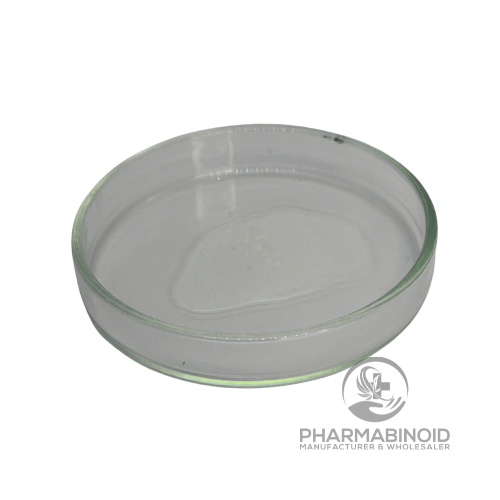
Vapes au CBD
Produits de vape au CBD et accompagnement en formulation pour le développement...
-
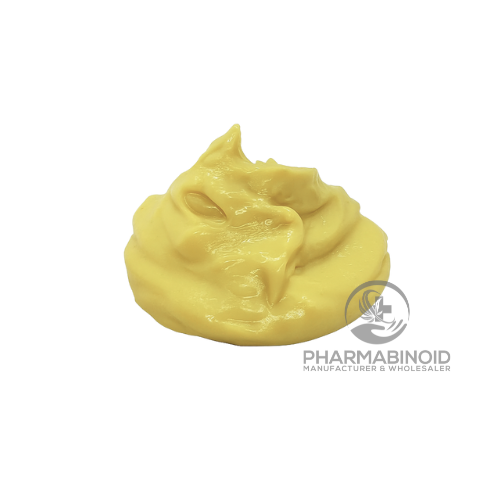
Cosmétiques au CBD
Cosmétiques au CBD : guide d’achat en grosCette collection commerciale s’adresse aux...
-
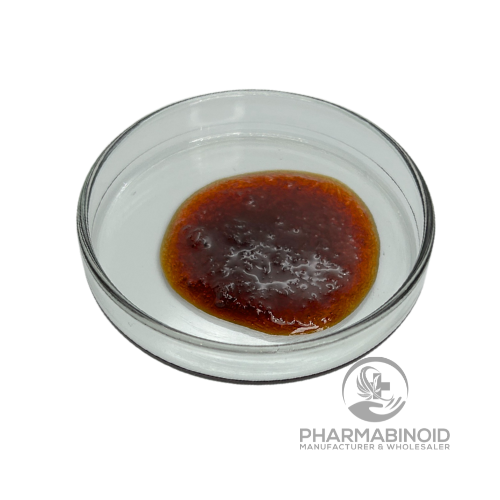
Distillats de CBD en gros
Distillats de CBD en gros pour les acheteurs européensComparez les distillats de...


Articles de blog
Voir tout-
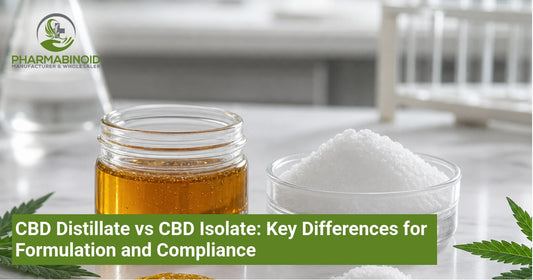
Distillat de CBD ou isolat de CBD : principales...
Distillat de CBD ou isolat de CBD : la distinction concerne principalement la composition, le niveau de pureté recherché, le comportement en formulation et la stratégie de conformité. Tous deux...
Distillat de CBD ou isolat de CBD : principales...
Distillat de CBD ou isolat de CBD : la distinction concerne principalement la composition, le niveau de pureté recherché, le comportement en formulation et la stratégie de conformité. Tous deux...
-
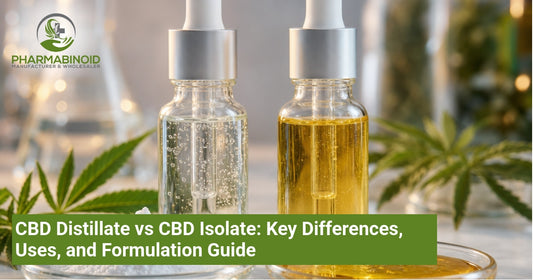
Distillat de CBD ou isolat de CBD : différences...
Le distillat de CBD et l’isolat de CBD constituent une comparaison importante pour les marques, les formulateurs et les acheteurs qui travaillent avec des ingrédients dérivés du chanvre. Les deux...
Distillat de CBD ou isolat de CBD : différences...
Le distillat de CBD et l’isolat de CBD constituent une comparaison importante pour les marques, les formulateurs et les acheteurs qui travaillent avec des ingrédients dérivés du chanvre. Les deux...
-
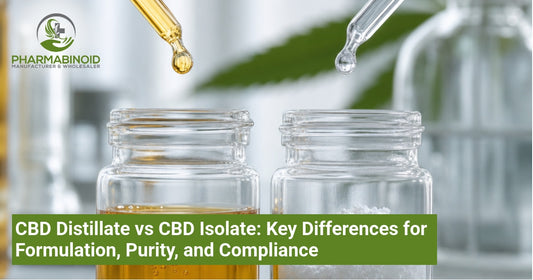
Distillat de CBD ou isolat de CBD : principales...
Le distillat de CBD et l’isolat de CBD font partie des comparaisons courantes pour les marques, les formulateurs et les acheteurs qui travaillent avec des ingrédients dérivés du chanvre. Les...
Distillat de CBD ou isolat de CBD : principales...
Le distillat de CBD et l’isolat de CBD font partie des comparaisons courantes pour les marques, les formulateurs et les acheteurs qui travaillent avec des ingrédients dérivés du chanvre. Les...
