CBD Edibles Studies: Bioavailability, Testing & Formulation
CBD Edibles Studies investigate how cannabidiol behaves in oral formats such as gummies, capsules, beverages and other ingestible formulations. For research and product-development teams, the key questions include how the edible matrix affects dispersion, stability, oral absorption and analytical consistency. Findings depend on the specific formulation and study design; they should not be treated as dosage guidance or proof of a health outcome.
What do CBD Edibles Studies examine?
CBD edible research covers the composition, processing, stability, absorption and quality of cannabidiol-containing oral products. CBD is a lipophilic phytocannabinoid, so its behaviour in an edible can be affected by carrier oils, emulsification, particle size, food matrix, heating, acidity and storage conditions. A gummy, capsule, beverage and oil-based preparation are all oral formats, but they are not scientifically interchangeable.
Studies may measure cannabinoid concentration, uniformity between units, degradation over time, plasma concentrations or metabolite formation. These endpoints answer different questions: a stable and uniform product is not automatically a highly bioavailable one, and pharmacokinetic observations do not by themselves establish a clinical benefit.
Current scientific understanding of oral CBD absorption
Oral CBD absorption can vary considerably. The compound’s limited water solubility, gastrointestinal processes, first-pass metabolism and differences between formulations contribute to variability. Food conditions may also affect exposure, but results from a particular controlled study should not be generalized to every edible or used as consumer dosing advice.
Researchers should compare like with like: the CBD material, carrier system, fed or fasted conditions, sampling schedule, analytical method and participant characteristics all matter. Published pharmacokinetic findings are useful for forming research questions, but they do not automatically predict the performance of a commercial gummy or beverage.
Formulation and pharmacology considerations
CBD’s interaction with biological targets is complex and remains an active area of study. In oral products, formulation determines how the ingredient disperses and is presented to the gastrointestinal environment; it does not eliminate the need to evaluate the compound, exposure and evidence separately. Emulsions, lipid carriers and encapsulation approaches may change dispersion or measured exposure, but any performance statement needs product-specific support.
For gummies, process heat, pH, water activity, gelling agents, flavour systems and cannabinoid distribution can affect product quality. For beverages, physical stability and phase separation may require particular attention. Capsules and oil-based formats raise different questions about fill uniformity, carrier compatibility and packaging. Teams should test the actual formula and process rather than assume that results transfer across formats.
Key research areas
- Oral CBD absorption and pharmacokinetics: Studies assess concentration over time, metabolites and how study conditions relate to exposure.
- CBD edible bioavailability: Research examines whether carriers or delivery systems change dispersion and measured systemic exposure; performance must be demonstrated rather than inferred from technology names.
- CBD gummies studies: Work may focus on unit-to-unit cannabinoid uniformity, processing effects, matrix compatibility and stability.
- Stability and degradation: Light, oxygen, heat, acidity and storage duration can influence the cannabinoid profile, so stability-indicating methods and suitable packaging matter.
- Analytical method performance: Sampling, extraction from the edible matrix, method validation and measurement uncertainty affect whether results are reliable.
Research limitations
Research products and controlled formulations may differ substantially from retail edibles. Studies can also vary in sample size, population, CBD material, analytical procedures, food conditions and outcome measures. A result about plasma exposure does not establish a predictable experience, safety for every user or suitability for a particular market.
Direct comparison is difficult when one study tests an oil-filled capsule and another tests a pectin gummy or beverage. Differences in matrix, manufacturing process and storage may be as important as the nominal CBD amount. Researchers should report the full formulation and methods, and readers should distinguish preclinical, pharmacokinetic and clinical evidence.
Industrial and formulation relevance
For manufacturers and B2B formulators, edible research informs ingredient selection, process design and quality controls. Evaluate the input material’s identity, cannabinoid profile, purity, carrier compatibility and batch documentation. During development, assess mixing order, temperature exposure, homogeneity, sensory effects, packaging interaction and shelf-life under relevant conditions.
CBD isolate, broad-spectrum distillate and full-spectrum materials may bring different formulation and compliance considerations. Confirm the intended product category and target market before selecting a format. Pharmabinoid’s cannabinoid research hub and cannabinoid product development collection provide related context for professional teams.
Testing, quality and compliance considerations
Finished-product testing should verify actual cannabinoid content and, where relevant, distribution between units and batch consistency. The analytical method must be suitable for the edible matrix and validated for its intended purpose. Input-material testing alone cannot confirm the final product’s composition after processing and storage.
Depending on the product and market, a quality file may include identity and potency results, contaminant testing, microbiological controls, stability data, manufacturing records and traceability. In Europe, regulatory classification and market requirements depend on the product, ingredients, intended use and jurisdiction. Consult current official sources and qualified advisers; scientific research does not itself establish market authorization. For broader supplier and formulation questions, review the CBD edibles collection and the request-for-quote page.
Related research topics
Related topics include cannabinoid pharmacokinetics, oral delivery systems, emulsions, CBD stability, analytical method validation and formulation compatibility. The CBD Edibles Studies: Bioavailability, Testing & Formulation resource is the established research page for this topic; this guide focuses on the same theme from a distinct overview angle. Avoid treating a general research summary as a substitute for product-specific evidence.
FAQ about CBD Edibles Studies
What do CBD edible studies usually measure?
Depending on the research question, studies may assess cannabinoid content, uniformity, stability, oral absorption, plasma concentration or metabolites. No single measure establishes every aspect of product performance.
Are CBD gummies studies interchangeable with CBD oil studies?
No. Gummies have a distinct matrix and manufacturing process. Oil studies do not automatically establish gummy stability, unit uniformity or absorption.
Does higher bioavailability prove a health benefit?
No. Bioavailability is a pharmacokinetic concept. It does not by itself establish a clinical outcome, safety for a particular person or authorization to make a product claim.
Conclusion
CBD Edibles Studies help researchers and product teams investigate oral CBD absorption, edible bioavailability, matrix effects, stability and testing. The evidence must be interpreted in light of the formulation, methods and study population, and cannot be generalized automatically to every gummy or ingestible product. Reliable development combines suitable analytical methods, batch-specific quality documentation, market-aware compliance review and cautious communication.
TryPharma
Appelez-nous ou envoyez-nous un e-mail pour plus d’informations
Échantillon gratuit
Découvrez directement les avantages de nos produits en visitant notre site web pour obtenir votre code exclusif TryPharma. Lorsque vous passez une commande en utilisant ce code spécial, non seulement vous obtiendrez les produits souhaités, mais nous inclurons également un échantillon gratuit avec chaque achat. Cette opportunité vous permet de découvrir la qualité de nos offres avant de vous engager pour l’expédition principale. Notre objectif est de nous assurer que vous êtes entièrement satisfait de votre sélection, et ce processus offre un moyen sans risque d’explorer notre vaste gamme de produits. Contactez-nous dès aujourd’hui pour commencer et faire le premier pas vers une expérience enrichissante avec nos offres premium.

Assurance expédition
Lorsque vous achetez chez nous des isolats de CBD en gros, des huiles et d’autres produits, votre expédition est entièrement assurée par nos soins sans frais supplémentaires pour vous. Nous utilisons des sociétés de transport réputées comme FedEx et UPS pour l’acheminement, tout en gérant nous-mêmes la couverture d’assurance afin de sécuriser chaque envoi depuis notre entrepôt jusqu’à votre porte. Chez TryPharma, nous nous engageons à favoriser la croissance des entreprises en proposant un service de gros sans risque. Dans le cas peu probable d’un problème d’expédition, nous garantissons un remboursement dans les cinq jours ouvrables suivant la date de confirmation de l’incident. Notre approche globale élimine efficacement 99,9 % de tous les risques potentiels liés à l’expédition en gros de CBD, vous assurant une tranquillité d’esprit totale.

Retour sous 30 jours
Nous vous invitons à tester l’échantillon gratuit inclus avec votre commande avant d’ouvrir l’expédition principale. Si la qualité ne répond pas à vos attentes, vous pouvez bénéficier de notre politique de retour de 30 jours. Cette politique vous permet de retourner le produit dans un délai de 30 jours pour un remboursement complet, garantissant votre entière satisfaction. Contactez-nous dès aujourd’hui pour découvrir notre gamme exceptionnelle de produits et profiter de notre service client dévoué.
Isolats de cannabinoïdes
-
Isolat de CBD - Cannabidiol
Prix habituel From €24.99 to €369.99Prix habituelPrix unitaire / par€0.00Prix promotionnel €24.99 -
CBG - Cannabigérol
Prix habituel From €49.99 to €799.99Prix habituelPrix unitaire / par€0.00Prix promotionnel €49.99 -
CBN - Cannabinol
Prix habituel From €79.99 to €1,299.99Prix habituelPrix unitaire / par€0.00Prix promotionnel €79.99 -
CBC – Cannabichromène
Prix habituel From €99.99 to €1,999.99Prix habituelPrix unitaire / par€0.00Prix promotionnel €99.99 -
CBDV – Cannabidivarine
Prix habituel From €13.99 to €3,149.99Prix habituelPrix unitaire / par€0.00Prix promotionnel €13.99 -
Isolat de cannabicitran - CBT
Prix habituel From €49.99 to €4,349.99Prix habituelPrix unitaire / par€0.00Prix promotionnel €49.99 -
Isolat CBDA – Acide cannabidiolique
Prix habituel From €49.99 to €1,499.99Prix habituelPrix unitaire / par€0.00Prix promotionnel €49.99 -
Acide cannabigérolique - CBGA
Prix habituel From €59.99 to €1,749.99Prix habituelPrix unitaire / par€0.00Prix promotionnel €59.99
Collections
-
PPB – Mélanges psychoactifs pour acheteurs professionnels
Mélanges psychoactifs PPB pour acheteurs professionnelsDécouvrez la collection PPB de Pharmabinoid pour...
-
Huiles de CBD
Huiles de CBD – Guide d’achat pour grossistes Les huiles de CBD...
-
Vapes au CBD
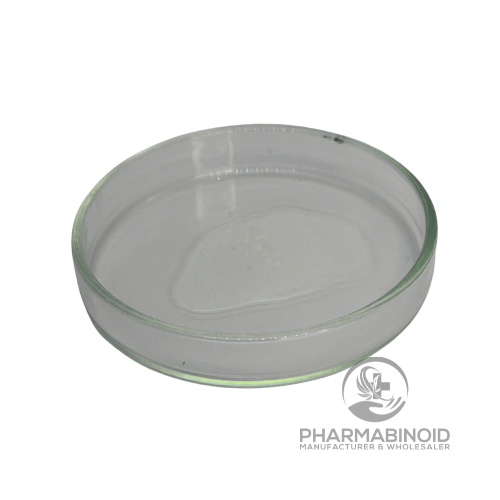
Produits de vape au CBD et accompagnement en formulation pour le développement...
-
Cosmétiques au CBD
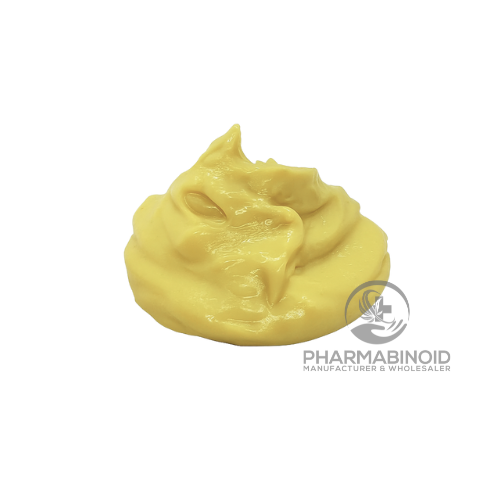
Cosmétiques au CBD : guide d’achat en grosCette collection commerciale s’adresse aux...
-
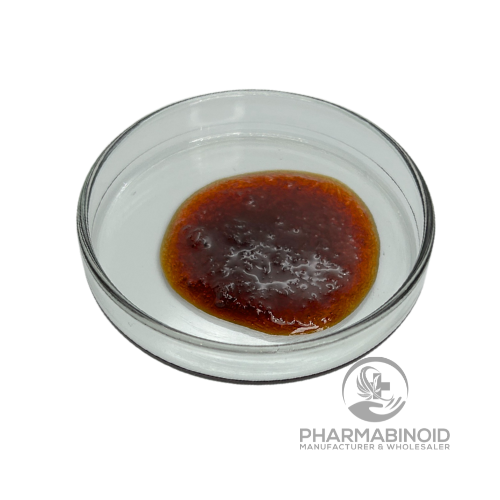
Distillats de CBD en gros
Distillats de CBD en gros pour les acheteurs européensComparez les distillats de...
Articles de blog
Voir tout-
Distillat de CBD ou isolat de CBD : principales...
Distillat de CBD ou isolat de CBD : la distinction concerne principalement la composition, le niveau de pureté recherché, le comportement en formulation et la stratégie de conformité. Tous deux...
Distillat de CBD ou isolat de CBD : principales...
Distillat de CBD ou isolat de CBD : la distinction concerne principalement la composition, le niveau de pureté recherché, le comportement en formulation et la stratégie de conformité. Tous deux...
-
Distillat de CBD ou isolat de CBD : différences...
Le distillat de CBD et l’isolat de CBD constituent une comparaison importante pour les marques, les formulateurs et les acheteurs qui travaillent avec des ingrédients dérivés du chanvre. Les deux...
Distillat de CBD ou isolat de CBD : différences...
Le distillat de CBD et l’isolat de CBD constituent une comparaison importante pour les marques, les formulateurs et les acheteurs qui travaillent avec des ingrédients dérivés du chanvre. Les deux...
-
Distillat de CBD ou isolat de CBD : principales...
Le distillat de CBD et l’isolat de CBD font partie des comparaisons courantes pour les marques, les formulateurs et les acheteurs qui travaillent avec des ingrédients dérivés du chanvre. Les...
Distillat de CBD ou isolat de CBD : principales...
Le distillat de CBD et l’isolat de CBD font partie des comparaisons courantes pour les marques, les formulateurs et les acheteurs qui travaillent avec des ingrédients dérivés du chanvre. Les...