Η Έρευνα Συσκευασίας CBD εξετάζει πώς τα υλικά συσκευασίας, οι πληροφορίες της ετικέτας, ο σχεδιασμός του περιέκτη και οι έλεγχοι ποιότητας επηρεάζουν τη σταθερότητα, την ασφάλεια, τη χρηστικότητα και το προφίλ συμμόρφωσης των προϊόντων CBD. Για τους κατασκευαστές, τους formulators, τα εργαστήρια και τους προμηθευτές B2B, η συσκευασία δεν είναι ένα τελικό αισθητικό βήμα· αποτελεί μέρος της στρατηγικής ελέγχου του προϊόντος. Η κακή συσκευασία μπορεί να επηρεάσει το προφίλ κανναβινοειδών, τη διατήρηση των τερπενίων, τον κίνδυνο οξείδωσης, τον έλεγχο επιμόλυνσης, την ιχνηλασιμότητα παρτίδας και τις απαιτήσεις επισήμανσης CBD που αφορούν τον πελάτη. Επειδή οι ευρωπαϊκοί κανόνες για τα προϊόντα CBD παραμένουν σύνθετοι και εξαρτώνται από την κατηγορία του προϊόντος, η έρευνα συσκευασίας πρέπει να συνδυάζει την επιστήμη των υλικών, την αναλυτική δοκιμή, τη γνώση των συνθέσεων και τη ρυθμιστική προσοχή.
Τι Είναι η Έρευνα Συσκευασίας CBD;
Η έρευνα συσκευασίας CBD είναι η δομημένη αξιολόγηση του τρόπου με τον οποίο η συσκευασία αλληλεπιδρά με προϊόντα που περιέχουν CBD κατά τη διάρκεια της προβλεπόμενης διάρκειας ζωής τους, της αλυσίδας διανομής και του πλαισίου αγοράς. Περιλαμβάνει τη μελέτη των υλικών του περιέκτη, των πωμάτων, των σφραγίδων, των ιδιοτήτων φραγμού, της έκθεσης στο φως, της εισόδου οξυγόνου, του ελέγχου υγρασίας, της συμβατότητας με το εκχύλισμα, της αντοχής της ετικέτας, των ενδείξεων παραβίασης και των χαρακτηριστικών ασφάλειας για τον καταναλωτή.
Στον τομέα των κανναβινοειδών, οι αποφάσεις συσκευασίας συνδέονται στενά με τον τύπο της σύνθεσης. Μια σκόνη απομονωμένου CBD, ένα broad-spectrum distillate, ένα εκχύλισμα πλούσιο σε τερπένια, μια σύνθεση με βάση το έλαιο, ένα καλλυντικό παρασκεύασμα, ένα υγρό σχετικό με άτμισμα ή ένα ερευνητικό υλικό μπορεί το καθένα να απαιτεί διαφορετικές παραμέτρους συσκευασίας. Το CBD μπορεί να είναι ευαίσθητο σε περιβαλλοντικούς παράγοντες όπως η θερμότητα, το φως και το οξυγόνο, ενώ τα τερπένια μπορεί να είναι πτητικά και επιρρεπή σε εξάτμιση ή οξείδωση. Επομένως, η συσκευασία πρέπει να προστατεύει τόσο το δηλωμένο προφίλ κανναβινοειδών όσο και, όπου είναι σχετικό, το προφίλ τερπενίων.
Η συμμόρφωση της συσκευασίας CBD εξαρτάται επίσης από την κατηγορία του προϊόντος και την αγορά-στόχο. Οι απαιτήσεις μπορεί να διαφέρουν για καλλυντικά, προϊόντα σχετικά με τρόφιμα, εργαστηριακά υλικά, βιομηχανικά συστατικά και άλλες συνθέσεις. Η συσκευασία και η ετικέτα δεν πρέπει να δημιουργούν ατεκμηρίωτους ισχυρισμούς, να παραποιούν την περιεκτικότητα σε κανναβινοειδή ή να παραλείπουν σημαντικές πληροφορίες ιχνηλασιμότητας και ασφάλειας.
Τρέχουσα Επιστημονική Κατανόηση της Έρευνας Συσκευασίας CBD
Η τρέχουσα επιστημονική και τεχνική κατανόηση υποδηλώνει ότι η συσκευασία μπορεί να επηρεάσει ουσιαστικά τη σταθερότητα του προϊόντος και τη συνέπεια της ποιότητάς του, αν και η έρευνα συσκευασίας ειδικά για κανναβινοειδή εξακολουθεί να αναπτύσσεται. Μεγάλο μέρος όσων εφαρμόζονται στη συσκευασία CBD προέρχεται από γειτονικά πεδία όπως η φαρμακευτική συσκευασία, η συσκευασία καλλυντικών, η επιστήμη των υλικών που έρχονται σε επαφή με τρόφιμα, η σταθερότητα αιθέριων ελαίων και η αναλυτική χημεία.
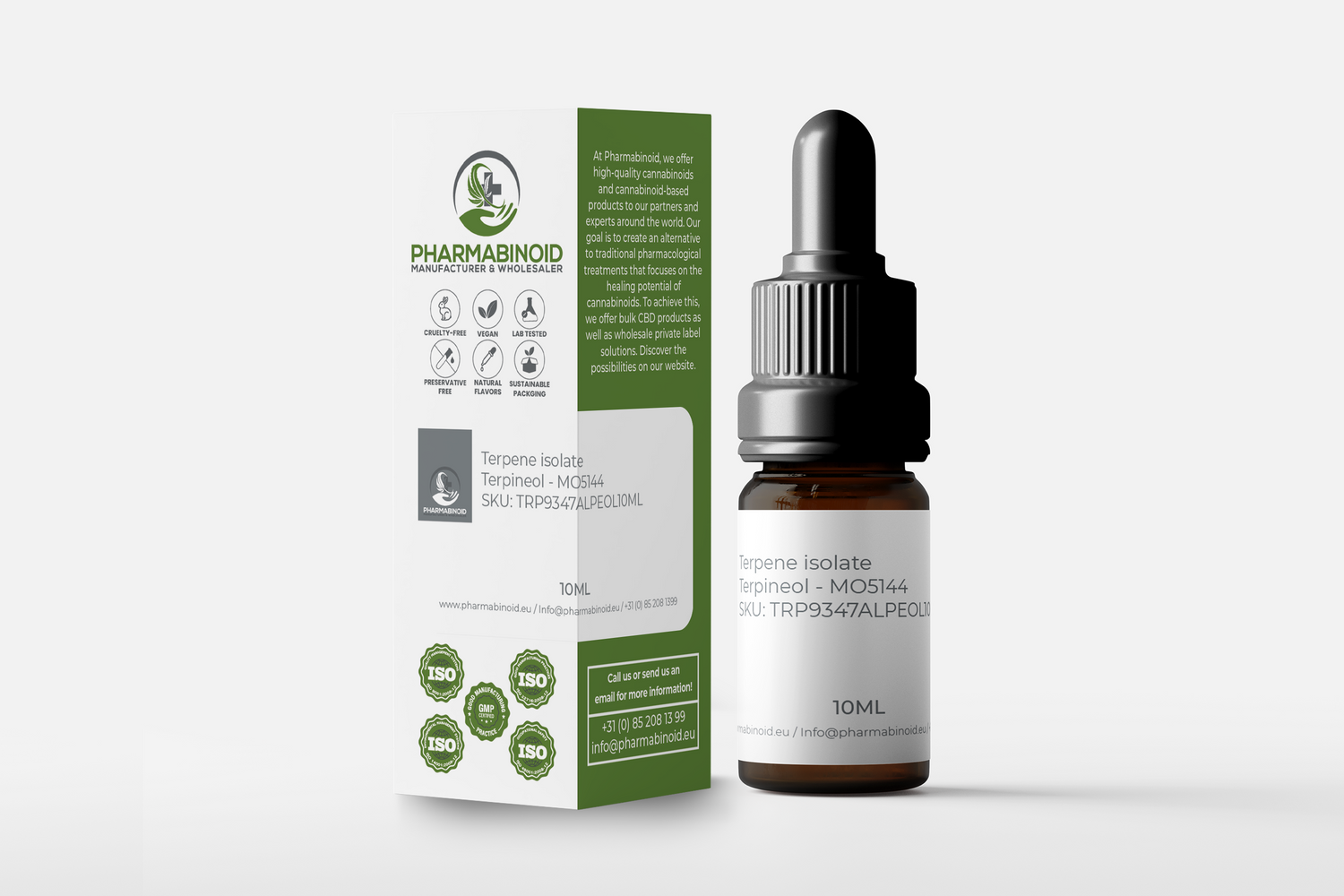
Η ασφάλεια της συσκευασίας προϊόντων CBD επηρεάζεται από αρκετές πρακτικές μεταβλητές. Το κεχριμπαρένιο γυαλί μπορεί να μειώσει την έκθεση στο φως και χρησιμοποιείται συνήθως για συνθέσεις κανναβινοειδών με βάση το έλαιο, ενώ ορισμένα πλαστικά μπορεί να προσφέρουν πλεονεκτήματα ως προς το βάρος, το κόστος και την αντοχή στη θραύση, αλλά απαιτούν αξιολόγηση συμβατότητας. Τα πώματα, οι εσωτερικές επιστρώσεις, τα σταγονόμετρα, οι αντλίες, οι θήκες, και οι σφραγίδες θα πρέπει να αξιολογούνται ως προς την αλληλεπίδραση με το εκχύλισμα, τη διαρροή, την εξάτμιση, την απορρόφηση του εκχυλίσματος και την πιθανή μετανάστευση συστατικών της συσκευασίας.
Για τον σχεδιασμό ετικέτας, η ερευνητική πρόκληση δεν είναι μόνο η αναγνωσιμότητα αλλά και η ακρίβεια με την πάροδο του χρόνου. Οι ετικέτες πρέπει να παραμένουν ευανάγνωστες κατά την αποθήκευση και τη μεταφορά, οι αναγνωριστικοί κωδικοί παρτίδας πρέπει να είναι ιχνηλάσιμοι και η δηλωμένη περιεκτικότητα σε κανναβινοειδή θα πρέπει να αντιστοιχεί στην αναλυτική επαλήθευση. Στην Ευρώπη, ευρύτερες αρχές επισήμανσης όπως η σαφήνεια, η μη παραπλανητική παρουσίαση και οι απαιτήσεις της κατηγορίας προϊόντος είναι κεντρικής σημασίας. Το πλαίσιο της Ευρωπαϊκής Επιτροπής για την παροχή πληροφοριών σχετικά με τα τρόφιμα, συμπεριλαμβανομένου του Κανονισμού (ΕΕ) αριθ. 1169/2011, αναφέρεται συχνά για γενικές αρχές όπου είναι σχετικό, αν και η ταξινόμηση της CBD και οι υποχρεώσεις εξαρτώνται από το συγκεκριμένο προϊόν και τη δικαιοδοσία.
Φαρμακολογία και Μηχανισμός Δράσης
Η συσκευασία δεν αλλάζει τη φαρμακολογία της CBD με τον τρόπο που θα μπορούσε μια αλληλεπίδραση με υποδοχείς ή ένα έκδοχο της σύνθεσης. Ωστόσο, η συσκευασία μπορεί να επηρεάσει τη χημική ακεραιότητα της CBD και συναφών ενώσεων πριν χρησιμοποιηθούν στην έρευνα ή στη σύνθεση. Από επιστημονική άποψη, αυτό καθιστά τη συσκευασία έμμεσα σχετική με τη φαρμακολογία, επειδή υλικό που έχει υποβαθμιστεί, οξειδωθεί, μολυνθεί ή επισημανθεί ανακριβώς μπορεί να μην αντικατοπτρίζει πλέον το προβλεπόμενο δοκίμιο ή το προφίλ της σύνθεσης.
Η CBD συζητείται στην έρευνα για τα κανναβινοειδή σε σχέση με το ενδοκανναβινοειδές σύστημα και άλλους βιολογικούς στόχους, αλλά η έρευνα για τη συσκευασία δεν τεκμηριώνει ιατρικά αποτελέσματα. Αντίθετα, υποστηρίζει την αναλυτική συνέπεια. Εάν ένα υλικό CBD εκτεθεί σε υπερβολική θερμότητα, υπεριώδες φως, οξυγόνο ή ασύμβατες επιφάνειες συσκευασίας, το μετρούμενο προφίλ κανναβινοειδών μπορεί να μεταβληθεί. Οι συνθέσεις που περιέχουν τερπένια προσθέτουν ένα ακόμη επίπεδο πολυπλοκότητας, επειδή τα τερπένια είναι συχνά πιο πτητικά από τα κανναβινοειδή και μπορούν να αλληλεπιδράσουν με πολυμερή, σφραγίσεις ή το οξυγόνο του ελεύθερου χώρου.
Για τους κατασκευαστές, ο βασικός μηχανισμός είναι επομένως φυσικοχημικός και όχι φαρμακολογικός: προστασία φραγμού, μειωμένο οξειδωτικό στρες, ελεγχόμενος ελεύθερος χώρος, συμβατότητα υλικών και διατήρηση ενός επαληθευμένου προφίλ παρτίδας. Αυτός είναι ο λόγος για τον οποίο η έρευνα για τη συσκευασία κανναβινοειδών θα πρέπει να συνδέεται με μελέτες σταθερότητας, έλεγχο του πιστοποιητικού ανάλυσης και επικυρωμένες αναλυτικές μεθόδους και όχι με ισχυρισμούς μάρκετινγκ.
Βασικοί Τομείς Έρευνας
-
Συμβατότητα υλικών και μετανάστευση: Τα υλικά συσκευασίας μπορούν να αλληλεπιδράσουν με έλαια, υγρά που περιέχουν αλκοόλη, εκχυλίσματα πλούσια σε τερπένια ή ημιστερεές βάσεις. Η έρευνα θα πρέπει να αξιολογεί κατά πόσον ο περιέκτης, το πώμα, η εσωτερική επένδυση, η κόλλα, το μελάνι ή το εξάρτημα σταγονόμετρου συμβάλλει σε εκχυλίσιμες ή εκπλυόμενες ουσίες, μεταφορά οσμής, απορρόφηση, διόγκωση ή απώλεια δραστικών συστατικών. Για περιβάλλοντα επαφής με τρόφιμα, το ενωσιακό πλαίσιο για τα υλικά που προορίζονται να έρθουν σε επαφή με τρόφιμα, συμπεριλαμβανομένου του Κανονισμού (ΕΚ) αριθ. 1935/2004, αποτελεί σημαντικό σημείο αναφοράς όπου εφαρμόζεται.
-
Σταθερότητα υπό φως, οξυγόνο, θερμότητα και υγρασία: Η έρευνα για τη συσκευασία CBD θα πρέπει να αξιολογεί πώς η περιβαλλοντική έκθεση επηρεάζει την περιεκτικότητα σε κανναβινοειδή, την ανάπτυξη προσμίξεων, το χρώμα, την οσμή, το ιξώδες και τη διατήρηση των τερπενίων. Οι επιταχυνόμενες μελέτες σταθερότητας και οι μελέτες σταθερότητας σε πραγματικό χρόνο μπορούν να βοηθήσουν στον καθορισμό του κατά πόσον η συσκευασία προστατεύει τη σύνθεση υπό ρεαλιστικές συνθήκες αποθήκευσης και μεταφοράς.
-
Απαιτήσεις επισήμανσης CBD και ιχνηλασιμότητα: Οι ετικέτες θα πρέπει να υποστηρίζουν την αναγνώριση παρτίδας, τη διαφάνεια ως προς τα συστατικά, την ασφαλή χρήση, τις οδηγίες αποθήκευσης, την καθαρή ποσότητα, τα στοιχεία της υπεύθυνης επιχείρησης και την αναλυτική ιχνηλασιμότητα όπου απαιτείται. Οι ισχυρισμοί θα πρέπει να ελέγχονται προσεκτικά, ιδιαίτερα στην Ευρώπη, όπου μη τεκμηριωμένοι ισχυρισμοί υγείας ή φαρμακευτικοί ισχυρισμοί μπορεί να δημιουργήσουν κανονιστικό κίνδυνο.
-
Σχεδιασμός ανθεκτικός στα παιδιά και εμφανής σε παραβίαση: Ανάλογα με τον τύπο του προϊόντος και την αγορά, η συσκευασία με έμφαση στην ασφάλεια μπορεί να απαιτεί ένδειξη παραβίασης, ελεγχόμενη δοσομέτρηση ή πώματα ασφαλείας για παιδιά. Η έρευνα σε αυτόν τον τομέα εξετάζει όχι μόνο τη συμμόρφωση αλλά και τη χρηστικότητα, την πρόληψη διαρροών και τη σταθερότητα των μηχανισμών δοσομέτρησης όπου χρησιμοποιείται μετρητική συσκευή. Δεν θα πρέπει να συνάγεται καμία σύσταση δοσολογίας μόνο από τον σχεδιασμό της συσκευασίας.
-
Βιωσιμότητα και απόδοση φραγμού: Η ανακυκλώσιμη, ελαφριά ή βιολογικής βάσης συσκευασία αποκτά όλο και μεγαλύτερη σημασία, αλλά οι στόχοι βιωσιμότητας πρέπει να εξισορροπούνται με τη χημική συμβατότητα και την προστασία του προϊόντος. Ένα υλικό χαμηλότερου περιβαλλοντικού αποτυπώματος είναι κατάλληλο μόνο εφόσον διατηρεί την ποιότητα και δεν εισάγει αποτρέψιμους κινδύνους ασφάλειας.
Περιορισμοί της έρευνας
Η έρευνα για τη συσκευασία CBD παραμένει περιορισμένη λόγω κατακερματισμένων κατηγοριών προϊόντων, μεταβλητών συνθέσεων και εξελισσόμενης ερμηνείας του ευρωπαϊκού κανονιστικού πλαισίου. Τα αποτελέσματα από ένα έλαιο CBD, εκχύλισμα, καλλυντική βάση ή εργαστηριακό υλικό δεν μπορούν να μεταφερθούν αυτόματα σε άλλη σύνθεση. Ένας περιέκτης που αποδίδει καλά με απομονωμένο CBD υψηλής καθαρότητας σε έλαιο-φορέα μπορεί να μη συμπεριφέρεται με τον ίδιο τρόπο με ένα εκχύλισμα πλούσιο σε τερπένια ή με μια σύνθεση που περιέχει γαλακτωματοποιητές, διαλύτες, αρωματικές ύλες ή βοτανικά συστατικά.
Ένας ακόμη περιορισμός είναι η έλλειψη εναρμονισμένων, ειδικών για κανναβινοειδή προτύπων συσκευασίας σε όλη την Ευρώπη. Οι κατασκευαστές βασίζονται συχνά στη γενική επιστήμη της συσκευασίας, στους κανόνες για υλικά σε επαφή με τρόφιμα όπου εφαρμόζονται, στις αρχές συσκευασίας καλλυντικών, στις έννοιες φαρμακευτικής συσκευασίας και σε εσωτερικές αξιολογήσεις κινδύνου. Αυτά τα εργαλεία είναι πολύτιμα, αλλά δεν αντικαθιστούν τις ειδικές για το προϊόν μελέτες συμβατότητας και τον νομικό έλεγχο.
Σημαντικοί είναι επίσης οι αναλυτικοί περιορισμοί. Τα συμπεράσματα σταθερότητας εξαρτώνται από επικυρωμένες μεθόδους, σχέδια δειγματοληψίας, συνθήκες αποθήκευσης και κριτήρια αποδοχής. Ένα πιστοποιητικό ανάλυσης αποτελεί μόνο ένα στιγμιότυπο μιας παρτίδας σε δεδομένη χρονική στιγμή, εκτός εάν υποστηρίζεται από κατάλληλα δεδομένα σταθερότητας και ελεγχόμενη αποθήκευση. Για τον λόγο αυτό, οι ισχυρισμοί σχετικά με τη συσκευασία θα πρέπει να είναι συντηρητικοί και τεκμηριωμένοι.
Βιομηχανική και συνθετική συνάφεια
Για τις επιχειρήσεις κανναβινοειδών B2B, η έρευνα για τη συσκευασία CBD έχει άμεση σημασία για την ποιότητα του προϊόντος, την αξιοπιστία της εφοδιαστικής αλυσίδας και την εμπιστοσύνη των πελατών. Η συσκευασία επηρεάζει τον τρόπο με τον οποίο ένα υλικό μετακινείται από την παραγωγή στην αποθήκευση, από την αποθήκη στο σημείο σύνθεσης και από τη γραμμή πλήρωσης στον τελικό χρήστη. Επηρεάζει επίσης το πόσο εύκολα μπορεί να αναγνωριστεί, να τεθεί σε καραντίνα, να ανακληθεί, να συγκριθεί με προδιαγραφές ή να συνδεθεί με αναλυτική τεκμηρίωση μια παρτίδα.
Οι παρασκευαστές θα πρέπει να αξιολογούν τη συσκευασία από νωρίς, όχι αφού η σύνθεση έχει ήδη ολοκληρωθεί. Το ιξώδες, ο όγκος πλήρωσης, ο ελεύθερος χώρος κεφαλής, η ροπή σύσφιξης του πώματος, η συμβατότητα του σταγονόμετρου, η ευαισθησία στο οξυγόνο και η πρόσφυση της ετικέτας στην επιφάνεια μπορούν όλα να επηρεάσουν την εμπορική ετοιμότητα. Η συσκευασία θα πρέπει επίσης να ευθυγραμμίζεται με την προβλεπόμενη αναλυτική προδιαγραφή, όπως η περιεκτικότητα σε CBD, τα όρια THC όπου εφαρμόζονται, η περιεκτικότητα σε δευτερεύοντα κανναβινοειδή, το προφίλ τερπενίων, τα όρια υπολειμματικών διαλυτών, τα βαρέα μέταλλα, τα φυτοφάρμακα, η μικροβιολογία και άλλες ποιοτικές παράμετροι.
Το ευρύτερο εκπαιδευτικό έργο της Pharmabinoid σχετικά με την έρευνα κανναβινοειδών αντανακλά τη σημασία της σύνδεσης της επιστήμης των κανναβινοειδών με πρακτικούς ελέγχους παραγωγής. Η έρευνα συσκευασίας αποτελεί μέρος της ίδιας αλυσίδας ποιότητας: συμβάλλει στη διασφάλιση ότι ένα επαληθευμένο κανναβινοειδές υλικό παραμένει συνεπές, ιχνηλάσιμο και κατάλληλα τεκμηριωμένο καθ’ όλη τη διάρκεια της προβλεπόμενης χρήσης του.
Δοκιμές, Ποιότητα και Ζητήματα Συμμόρφωσης
Οι δοκιμές και η τεκμηρίωση είναι κεντρικής σημασίας για αξιόπιστη έρευνα συσκευασίας κανναβινοειδών. Μια ολοκληρωμένη αξιολόγηση συσκευασίας μπορεί να περιλαμβάνει δοκιμές ταυτοποίησης, ανάλυση δραστικότητας κανναβινοειδών, παρακολούθηση προσμίξεων, ανάλυση τερπενίων, έλεγχο υπολειμματικών διαλυτών, μικροβιολογική αξιολόγηση, έλεγχο βαρέων μετάλλων, δοκιμές φυτοφαρμάκων, δοκιμές σταθερότητας και ανασκόπηση συμβατότητας συσκευασίας. Το ακριβές πλάνο δοκιμών θα πρέπει να είναι ανάλογο της σύνθεσης, της κατηγορίας προϊόντος, της αγοράς και του προφίλ κινδύνου.
Τα πιστοποιητικά ανάλυσης είναι ιδιαίτερα σημαντικά για τα κανναβινοειδή υλικά, επειδή υποστηρίζουν την επαλήθευση σε επίπεδο παρτίδας. Ωστόσο, τα COA θα πρέπει να εξετάζονται προσεκτικά: η αναλυτική μέθοδος, η επάρκεια του εργαστηρίου, η ημερομηνία δείγματος, ο αριθμός παρτίδας, τα όρια προδιαγραφών και το εύρος των δοκιμών έχουν όλα σημασία. Η συσκευασία και η επισήμανση θα πρέπει να καθιστούν δυνατή τη σύνδεση του φυσικού προϊόντος με τη σωστή τεκμηρίωση.
Η συμμόρφωση της συσκευασίας CBD θα πρέπει επίσης να λαμβάνει υπόψη τον έλεγχο των ισχυρισμών. Οι ετικέτες θα πρέπει να αποφεύγουν να παρουσιάζουν το CBD ως θεραπεία, ίαση, πρόληψη ή διαγνωστικό εργαλείο. Ακόμη και διατύπωση που φαίνεται εκπαιδευτική μπορεί να γίνει προβληματική εάν παρουσιάζεται σε εμπορικό πλαίσιο προϊόντος χωρίς κατάλληλη τεκμηρίωση. Οι επιχειρήσεις που δραστηριοποιούνται στην Ευρώπη θα πρέπει να ακολουθούν τις ειδικές απαιτήσεις κάθε χώρας και να παρακολουθούν τις εξελίξεις σε τομείς όπως η αξιολόγηση νέων τροφίμων, οι κανόνες για τα καλλυντικά, η γενική ασφάλεια προϊόντων και οι περιορισμοί διαφήμισης. Η Pharmabinoid έχει επίσης εξετάσει το σύνθετο νομικό καθεστώς του CBD στην Ευρώπη, το οποίο παραμένει σχετικό κατά την αξιολόγηση της στρατηγικής συσκευασίας και επισήμανσης.
Σχετικά Κανναβινοειδή, Τερπένια ή Ερευνητικά Θέματα
Η έρευνα συσκευασίας CBD συνδέεται με αρκετά σχετικά θέματα, συμπεριλαμβανομένων της σταθερότητας των κανναβινοειδών, της πτητικότητας των τερπενίων, της επιλογής μεθόδου εκχύλισης, της βιοδιαθεσιμότητας της σύνθεσης, της αναλυτικής επαλήθευσης, του ελέγχου υπολειμματικών διαλυτών και της ιχνηλασιμότητας παρτίδας. Είναι επίσης σχετική με το απομονωμένο CBD, τα εκχυλίσματα ευρέος φάσματος, τα αποστάγματα και τις τελικές συνθέσεις όπου η συσκευασία πρέπει να διατηρεί την καθαρότητα και τη δηλωμένη σύσταση.
Σχετικοί ερευνητικοί τομείς περιλαμβάνουν τις οδούς αποικοδόμησης των κανναβινοειδών, την οξείδωση των βοτανικών συστατικών, τα εκχυλίσιμα και εκχυόμενα από τη συσκευασία, την αξιολόγηση υλικών επαφής με τρόφιμα, τη συμβατότητα δοχείων καλλυντικών και την ανασκόπηση συμμόρφωσης της επισήμανσης. Όπου εμπλέκονται αναδυόμενα κανναβινοειδή, η αξιολόγηση της συσκευασίας γίνεται ακόμη πιο σημαντική, επειδή ενδέχεται να υπάρχουν λιγότερα δημόσια διαθέσιμα δεδομένα σταθερότητας.
Συχνές Ερωτήσεις σχετικά με την Έρευνα Συσκευασίας CBD
Γιατί είναι σημαντική η έρευνα συσκευασίας για τα προϊόντα CBD;
Η έρευνα συσκευασίας είναι σημαντική επειδή τα προϊόντα CBD μπορούν να επηρεαστούν από το φως, το οξυγόνο, τη θερμότητα, την υγρασία, τις διαρροές, την αλληλεπίδραση με το υλικό και τα σφάλματα επισήμανσης. Η κατάλληλη έρευνα βοηθά τους κατασκευαστές να επιλέγουν συσκευασία που υποστηρίζει τη σταθερότητα, την ιχνηλασιμότητα και την ασφάλεια του προϊόντος χωρίς να βασίζονται σε ατεκμηρίωτες υποθέσεις.
Τι θα πρέπει να περιλαμβάνεται στην ετικέτα ενός προϊόντος CBD;
Οι απαιτήσεις επισήμανσης της CBD εξαρτώνται από την κατηγορία του προϊόντος και την αγορά-στόχο. Γενικά, οι ετικέτες μπορεί να χρειάζονται σαφή ταυτοποίηση του προϊόντος, αριθμό παρτίδας ή lot, καθαρή ποσότητα, πληροφορίες συστατικών, στοιχεία της υπεύθυνης επιχείρησης, οδηγίες αποθήκευσης, προειδοποιήσεις όπου εφαρμόζεται, και παρουσίαση που δεν είναι παραπλανητική. Οι ισχυρισμοί υγείας ή φαρμακευτικοί ισχυρισμοί θα πρέπει να αποφεύγονται, εκτός αν έχουν εγκριθεί ειδικά βάσει του σχετικού πλαισίου.
Ποια υλικά συσκευασίας είναι τα καλύτερα για σκευάσματα CBD;
Δεν υπάρχει ένα καθολικά καλύτερο υλικό για όλα τα σκευάσματα CBD. Το κεχριμπαρένιο γυαλί χρησιμοποιείται συχνά επειδή προσφέρει ισχυρές ιδιότητες φραγμού και προστασία από το φως, αλλά τα πλαστικά, το αλουμίνιο, τα πολυστρωματικά υλικά και άλλα υλικά μπορεί να είναι κατάλληλα σε ορισμένα πλαίσια, εφόσον αξιολογούνται η συμβατότητα και οι κίνδυνοι μετανάστευσης. Η σύνθεση, η περιεκτικότητα σε τερπένια, το σύστημα φορέα, οι συνθήκες αποθήκευσης και οι απαιτήσεις συμμόρφωσης θα πρέπει να καθοδηγούν την επιλογή.
Συμπέρασμα
Η έρευνα για τη συσκευασία CBD είναι ένα πρακτικό πεδίο έρευνας που βρίσκεται ανάμεσα στην επιστήμη των κανναβινοειδών, την ανάπτυξη σκευασμάτων, τη διασφάλιση ποιότητας και την επίγνωση της ευρωπαϊκής συμμόρφωσης. Οι πιο ισχυρές αποφάσεις συσκευασίας βασίζονται στη συμβατότητα των υλικών, στα δεδομένα σταθερότητας, στην αναλυτική επαλήθευση, στις σαφείς απαιτήσεις επισήμανσης CBD και στον προσεκτικό έλεγχο των ισχυρισμών. Παρόλο που η έρευνα για τη συσκευασία κανναβινοειδών εξακολουθεί να εξελίσσεται, η σημασία της είναι ήδη σαφής: η συσκευασία βοηθά στη διατήρηση της ακεραιότητας των προϊόντων CBD, υποστηρίζει την αξιόπιστη τεκμηρίωση και μειώνει τους αποτρέψιμους κινδύνους ασφάλειας και συμμόρφωσης σε όλη την αλυσίδα εφοδιασμού.