What is Cannabinol Acetate? CBNO Guide and Testing
What is Cannabinol Acetate? Cannabinol acetate, often referred to as Cannabinol-O-acetate or CBNO, is an acetylated derivative of cannabinol that is discussed in the cannabinoid industry for its distinct chemical structure, formulation behaviour, and analytical testing requirements. It matters because modified cannabinoids such as CBNO require careful identity confirmation, purity assessment, and compliance review before they are considered for any research or product-development context.
Definition of Cannabinol Acetate
Cannabinol acetate is a semi-synthetic cannabinoid derivative made by acetylating cannabinol, commonly known as CBN. In simple terms, the cannabinol acetate definition refers to CBN that has been chemically modified by adding an acetate group, producing a related but chemically distinct compound often abbreviated as CBNO.
What Is Cannabinol Acetate?
Cannabinol acetate is part of a broader group of cannabinoid acetates, where a naturally occurring or hemp-derived cannabinoid is chemically converted into an acetate ester. In this case, the starting cannabinoid is typically cannabinol, a mildly oxidised cannabinoid associated with the natural ageing or oxidation of THC-containing material. Through controlled laboratory chemistry, CBN can be converted into Cannabinol-O-acetate.
When people ask “what is CBNO” or look for “CBNO explained,” they are usually trying to understand whether it is the same as CBN. It is not identical. CBNO is structurally related to CBN, but the acetate group changes its molecular properties. This can influence factors such as solubility, formulation behaviour, stability, and how the molecule should be measured during analytical testing. However, research on CBNO remains limited compared with major cannabinoids such as CBD, THC, CBG, and CBN.
Because CBNO is not as extensively studied as naturally abundant cannabinoids, responsible manufacturers and formulators should avoid overstating its effects. Any discussion of potency, bioavailability, or pharmacological activity should be treated as preliminary unless supported by robust analytical data and peer-reviewed research.
Scientific Background of Cannabinol Acetate
The scientific background of cannabinol acetate begins with CBN. Cannabinol is a cannabinoid formed primarily through oxidative changes in other cannabinoids, especially THC under exposure to oxygen, light, or heat. CBN itself has been investigated in cannabinoid research, but it is still less characterised than CBD or THC.
Cannabinol acetate is produced by acetylation, a chemical process that introduces an acetyl group into the molecule. This type of modification can alter physical and chemical behaviour, but it also increases the importance of production control. Residual reagents, unwanted reaction by-products, solvent residues, and cannabinoid impurities must be carefully monitored. For this reason, reputable supply chains rely on validated analytical testing and batch-specific certificates of analysis.
From a pharmacology perspective, CBNO should not be assumed to behave exactly like CBN. Even small structural changes can influence how a compound interacts with cannabinoid receptors, enzymes, membranes, and formulation carriers. Early discussion around cannabinoid acetates often focuses on stability and perceived potency, but human data for CBNO is limited. In a professional setting, the most defensible approach is to describe CBNO as a chemically modified CBN derivative that requires compound-specific testing rather than relying on assumptions from CBN alone.
Terpenes are not part of the CBNO molecule itself, but they may be relevant in finished formulations where cannabinoid isolates or distillates are combined with terpene profiles for aroma, sensory direction, or product consistency. Terpene compatibility, oxidation sensitivity, and carrier selection are all important formulation considerations when working with specialty cannabinoids.
Key Characteristics of Cannabinol Acetate
- Acetylated cannabinoid structure: Cannabinol acetate is derived from CBN through acetylation, making it chemically distinct from standard cannabinol even though the two are closely related.
- Specialised analytical requirements: CBNO should be verified with appropriate laboratory methods such as HPLC, GC-MS, or other validated cannabinoid testing workflows, depending on the matrix and intended specification.
- Formulation-sensitive behaviour: The acetate modification may influence solubility, stability, viscosity, and compatibility with carrier oils, terpene blends, emulsions, or other formulation systems.
- Limited public research base: Compared with CBD, CBN, or THC, CBNO has a smaller body of published research, so conclusions about pharmacology should remain cautious and evidence-based.
- Compliance-dependent relevance: Because cannabinoid regulations vary across European and international markets, CBNO requires careful legal and regulatory review before commercial development.
Uses and Industry Applications
In the cannabinoid industry, cannabinol acetate is mainly relevant for research, product development, and specialty formulation projects. It may be considered where formulators are evaluating minor or modified cannabinoids, but it should be handled with a higher level of technical scrutiny than mainstream ingredients.
For manufacturers, the main priorities are identity, purity, repeatability, and documentation. A reliable CBNO raw material should be supported by a certificate of analysis, cannabinoid profile, residual solvent data where relevant, and impurity screening. If the compound is produced through chemical conversion, documentation around manufacturing standards and process controls becomes especially important.
Formulators also need to consider how CBNO behaves in different delivery formats. Carrier oils, emulsifiers, terpene blends, heat exposure, packaging materials, and storage conditions may all affect finished product quality. Because bioavailability can vary significantly depending on formulation type, it should not be assumed from the ingredient name alone.
For research teams, CBNO may be useful as part of broader investigations into cannabinoid structure-activity relationships, cannabinoid stability, and analytical method development. Pharmabinoid provides industry-facing resources such as cannabinoid research information and cannabinoid ingredient options including Cannabinol-O Acetate Isolate CBNO for qualified professional contexts. Relevant product categories may also be reviewed through CBNO products.
Related Cannabinoids, Terpenes, or Terms
Cannabinol acetate is closely related to cannabinol, cannabinoid acetates, minor cannabinoids, cannabinoid isolates, and semi-synthetic cannabinoid derivatives. It can also be discussed alongside formulation terms such as carrier oil compatibility, terpene profile design, extraction refinement, distillation, crystallisation, and certificate of analysis review.
Related concepts include CBN, CBD, CBG, cannabinoid oxidation, acetylation, cannabinoid purity, residual solvent testing, HPLC cannabinoid analysis, and formulation stability. These terms help place CBNO in the wider context of cannabinoid manufacturing and quality control.
FAQ About Cannabinol Acetate
What is Cannabinol Acetate?
Cannabinol acetate is an acetylated derivative of cannabinol, also known as CBN. It is commonly referred to as Cannabinol-O-acetate or CBNO and is typically produced through controlled laboratory conversion rather than direct extraction from hemp in meaningful quantities.
What is CBNO?
CBNO is a common abbreviation for Cannabinol-O-acetate. CBNO explained simply: it is CBN with an added acetate group, creating a related but separate cannabinoid derivative with its own testing, formulation, and compliance considerations.
Is cannabinol acetate the same as CBN?
No. Cannabinol acetate is derived from CBN, but it is not the same compound. The acetate group changes the molecule’s structure, which means it should be analysed, specified, and evaluated separately from standard cannabinol.
How is cannabinol acetate tested?
CBNO is typically assessed using cannabinoid analytical methods such as HPLC or mass spectrometry-based techniques, depending on the laboratory method and sample type. Testing should confirm identity, purity, cannabinoid profile, and relevant contaminants or residual processing materials.
Is research on CBNO well established?
No. Publicly available research on CBNO is still limited compared with major cannabinoids. Any claims about potency, effects, or bioavailability should be treated cautiously unless supported by reliable analytical data and credible scientific evidence.
Conclusion
Cannabinol acetate is a specialised cannabinoid derivative that is best understood as acetylated CBN, or CBNO. Its relevance lies in cannabinoid research, advanced formulation work, analytical testing, and controlled ingredient development. Because research remains limited and regulations can vary by market, CBNO should be approached with strong quality controls, clear documentation, and careful compliance review. For anyone asking “What is Cannabinol Acetate?”, the most accurate answer is that it is a chemically distinct CBN derivative requiring expert handling, batch-specific testing, and evidence-based interpretation.
TryPharma
Ring til os eller send os en e-mail for mere information
Gratis prøve
Opdag fordelene ved vores produkter på første hånd ved at besøge vores hjemmeside for at få din eksklusive TryPharma-kode. Når du afgiver en ordre med denne særlige kode, sikrer du dig ikke kun de ønskede produkter, men vi inkluderer også en gratis prøve med hvert køb. Denne mulighed giver dig mulighed for at opleve kvaliteten af vores sortiment, før du forpligter dig til hovedforsendelsen. Vores mål er at sikre, at du er fuldt ud tilfreds med dit valg, og denne proces giver dig en risikofri måde at udforske vores omfattende produktsortiment på. Kontakt os i dag for at komme i gang og tag det første skridt mod en givende oplevelse med vores premiumsortiment.
Forsendelsesforsikring
Når du køber CBD-isolater, olier og andre produkter i bulk hos os, er din forsendelse fuldt forsikret af os uden ekstra omkostninger for dig. Vi benytter anerkendte fragtfirmaer som FedEx og UPS til transporten, mens vi selv administrerer forsikringsdækningen for at sikre hver forsendelse fra vores lager til din dør. Hos TryPharma er vi forpligtet til at fremme forretningsvækst ved at tilbyde en risikofri engrosservice. I det usandsynlige tilfælde af et forsendelsesproblem garanterer vi en tilbagebetaling inden for fem hverdage fra den dato, hvor hændelsen bekræftes. Vores omfattende tilgang eliminerer effektivt 99,9 % af alle potentielle risici forbundet med bulkforsendelse af CBD og sikrer dig fuldstændig tryghed.
30 dages retur
Vi inviterer dig til at teste den gratis prøve, der er inkluderet i din ordre, før du åbner hovedforsendelsen. Hvis kvaliteten ikke lever op til dine forventninger, kan du benytte dig af vores 30-dages returpolitik. Denne politik giver dig mulighed for at returnere produktet inden for 30 dage og få fuld refundering, hvilket garanterer din fulde tilfredshed. Kontakt os i dag for at udforske vores enestående produktsortiment og opleve vores dedikerede kundeservice.
Cannabinoid-isolater
-
CBD-isolat - Cannabidiol
Almindelig pris From €24.99 to €369.99Almindelig prisEnhedspris / pr.€0.00Tilbudspris €24.99 -
CBG - Cannabigerol
Almindelig pris From €49.99 to €799.99Almindelig prisEnhedspris / pr.€0.00Tilbudspris €49.99 -
CBN - Cannabinol
Almindelig pris From €79.99 to €1,299.99Almindelig prisEnhedspris / pr.€0.00Tilbudspris €79.99 -
CBC - Cannabikromen
Almindelig pris From €99.99 to €1,999.99Almindelig prisEnhedspris / pr.€0.00Tilbudspris €99.99 -
CBDV - Cannabidivarin
Almindelig pris From €13.99 to €3,149.99Almindelig prisEnhedspris / pr.€0.00Tilbudspris €13.99 -
Cannabicitran-isolat - CBT
Almindelig pris From €49.99 to €4,349.99Almindelig prisEnhedspris / pr.€0.00Tilbudspris €49.99 -
Cannabidiolsyre - CBDA
Almindelig pris From €49.99 to €1,499.99Almindelig prisEnhedspris / pr.€0.00Tilbudspris €49.99 -
Cannabigerolsyre - CBGA
Almindelig pris From €59.99 to €1,749.99Almindelig prisEnhedspris / pr.€0.00Tilbudspris €59.99
Kollektioner
-
Psykoaktive ekstrakter
Psykoaktive ekstrakter – Guide for engroskøbere Psykoaktive ekstrakter samler specialiserede cannabinoidformater til...
-
CBD-kosmetik
CBD-kosmetik – guide til engroskøbere CBD-kosmetik samler CBD-kosmetiske formater til brands, der...
-
CBD-destillater
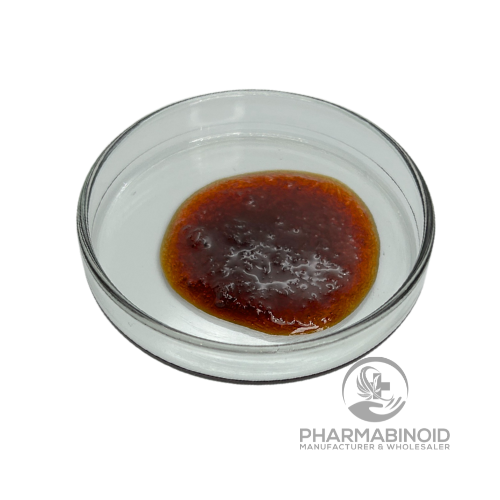
CBD-destillater – guide til engroskøbere CBD-destillater samler produktmuligheder for professionelle købere, der...
Blogindlæg
Se alle-
CBD Distillate vs CBD Isolate: Key Differences ...
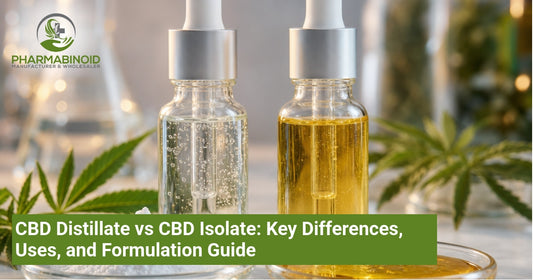
CBD Distillate vs CBD Isolate is mainly a question of composition, purity target, formulation behaviour, and compliance strategy. Both are refined hemp-derived CBD ingredients, but they are not interchangeable. CBD...
CBD Distillate vs CBD Isolate: Key Differences ...
CBD Distillate vs CBD Isolate is mainly a question of composition, purity target, formulation behaviour, and compliance strategy. Both are refined hemp-derived CBD ingredients, but they are not interchangeable. CBD...
-
CBD Distillate vs CBD Isolate: Key Differences,...
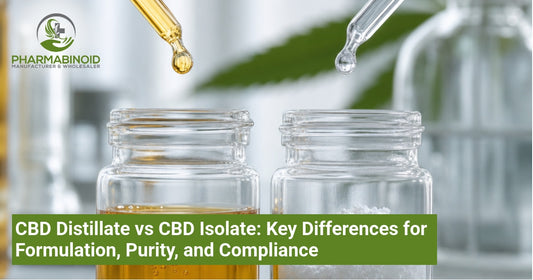
CBD Distillate vs CBD Isolate is one of the most important comparisons for brands, formulators, and buyers working with hemp-derived ingredients. Both materials can be rich in cannabidiol, but they...
CBD Distillate vs CBD Isolate: Key Differences,...
CBD Distillate vs CBD Isolate is one of the most important comparisons for brands, formulators, and buyers working with hemp-derived ingredients. Both materials can be rich in cannabidiol, but they...
-
CBD Distillate vs CBD Isolate: Key Differences ...
CBD Distillate vs CBD Isolate is one of the most common comparisons for brands, formulators, and buyers working with hemp-derived ingredients. Both materials can be high-quality sources of cannabidiol, but...
CBD Distillate vs CBD Isolate: Key Differences ...
CBD Distillate vs CBD Isolate is one of the most common comparisons for brands, formulators, and buyers working with hemp-derived ingredients. Both materials can be high-quality sources of cannabidiol, but...