
Výzkum kanabinoidů
Výzkum kanabinoidů
Výzkum kanabinoidů by měl být posuzován optikou kupujícího: identita, důkazy o šarži, vhodnost formulace, cesta na trh a odpovědné formulace. Stránky o výzkumu jsou nejužitečnější tehdy, když pomáhají týmu rozhodnout, co je třeba ověřit před nákupem nebo uvedením na trh.
U výzkumu kanabinoidů není obchodní hodnota v opakování obecných tvrzení. Spočívá v propojení dostupných důkazů se skutečným produktovým rozhodnutím, jasnou dokumentační složkou a praktickým dalším krokem.
Převedení výzkumu do kontextu kupujícího
| Oblast rozhodování | Co ověřit |
|---|---|
| Typ důkazů | Oddělte raný výzkum, dokumenty dodavatele a důkazy o finálním produktu. |
| Relevance produktu | Zkontrolujte, zda se informace vztahují na vyvíjený formát. |
| Složka kvality | Propojte každé rozhodnutí o nákupu s COA, specifikacemi a sledovatelností. |
| Formulace pro zákazníky | Veřejné texty udržujte vzdělávací a konzervativní. |
Kontroly před komerčním využitím informací
- Na jakou otázku má výzkum odpovědět?
- Vztahuje se na skutečný formát produktu, nebo jen na širší koncept?
- Které dokumenty jsou potřeba před nákupem nebo zveřejněním?
- Může toto téma podpořit rozhodnutí kupujícího, aniž by se z něj stalo zdravotní tvrzení?
- Kam by měl čtenář pokračovat dál na webu Pharmabinoid?
Kde to kupujícímu pomáhá
Obecná stránka o výzkumu kanabinoidů by měla fungovat jako centrum důkazů a pomáhat čtenářům rozlišovat mezi ranými zjištěními, produktovou dokumentací, realitou formulace a odpovědnou komunikací směrem k zákazníkům. V praxi by tato stránka měla kupujícím pomoci rozhodnout, co si vyžádat, co otestovat a jakému jazyku tvrzení se vyhnout před přechodem ke vzorkům nebo opakovaným dodávkám.
Co by stránka neměla naznačovat
Výzkum kanabinoidů může podpořit lepší otázky, ale neměl by být kopírován do zdravotních, účinkových ani právních tvrzení. Zachovejte závěr navázaný na konkrétní šarži, formát produktu a cestu na trh.
Pokračujte v přehledu
výzkum kanabinoidů, čisté kanabinoidy, vyžádat cenovou nabídku.
Jak by kupující měli tuto stránku s výzkumem používat
Využívejte výzkum kanabinoidů jako způsob, jak klást přesnější otázky při nákupu. Cílem není citovat vědu vytrženou z kontextu, ale pochopit, co dostupné důkazy v reálné produktové dokumentaci mohou a nemohou podpořit.
Praktické poznámky k důkazům
- Oddělujte obecný výzkum od důkazů o finálním produktu.
- Uchovávejte dokumenty k šarži vedle poznámek k formulaci.
- Zkontrolujte, zda téma mění rozhodnutí o obalu, etiketě nebo cestě na trh.
- Před spuštěním stránky nebo produktu zkontrolujte texty určené zákazníkům.
Poslední obchodní kontrola
Než budete s výzkumem kanabinoidů pokračovat, potvrďte, že vysvětlení na stránce odpovídá skutečnému produktu, dokumentům k šarži, cestě na trh a plánu vzdělávání zákazníků. Právě tato závěrečná kontrola mění kvalitní obsah v užitečné obchodní vodítko.
Jak by mohla znít poznámka pro kupujícího
Pro výzkum kanabinoidů by užitečná poznámka mohla znít: „Tento materiál posuzujeme pro definovaný formát produktu a postup pro danou zemi. Potvrďte prosím identitu sloučeniny, COA šarže, relevantní výsledky THC nebo nečistot, pokyny ke skladování a zda lze vzorek zopakovat podle stejné specifikace.“
Co by stránku oslabilo
- Obecná vědecká tvrzení bez vazby na sourcing nebo rozhodování o produktu.
- Tvrzení, která naznačují léčbu, prevenci nebo zaručené účinky.
- Dokumenty, které popisují jinou šarži než tu, která je uváděna v nabídce.
- Zpětná vazba ke vzorku, která není zaznamenána pro opakované objednávky.
Závěrečná kontrola sourcingu
Než bude tato stránka zveřejněna, ujistěte se, že výraz, název stránky, interní odkazy a cesta k poptávce podporují stejný záměr. Čtenář by měl odcházet s jasnějším porozuměním výzkumu kanabinoidů a s realistickým dalším krokem.
Kanabinoidy
Beta-pinen
Objevte beta-pinen, terpen se svěžími, borovicovými vůněmi. Seznamte se s jeho potenciálními přínosy, využitím a rolí při podpoře vaší cesty ke zdraví. Číst dále
Kanabichromen - CBC
Kanabichromen neboli CBC je neintoxikační kanabinoid nacházející se v rostlinách konopí a technického konopí. CBC, známý svou jedinečnou interakcí s endokanabinoidním systémem, získává pozornost pro své potenciální využití ve wellness a kosmetických produktech. Číst dále
Kanabicitran - CBT
Kanabicitran, běžně označovaný jako CBT, je vzácný a méně známý kanabinoid nacházející se v rostlinách konopí. Na rozdíl od svých známějších protějšků není CBT intoxikační a vzbudil zájem díky svým jedinečným potenciálním využitím ve wellness a při formulaci konopných produktů. Číst dále
Kanabidiol - CBD
Kanabidiol neboli CBD je přirozeně se vyskytující neintoxikační kanabinoid nacházející se v rostlině konopí. CBD, známý svým terapeutickým potenciálem a využitím ve wellness, se stal jedním z nejznámějších kanabinoidů jak na medicínském, tak rekreačním trhu. Číst dále
Kyselina kanabidiolová - CBDA
Kyselina kanabidiolová neboli CBDA je kyselý prekurzor CBD nacházející se v syrových rostlinách konopí. CBDA i CBD nejsou intoxikační, ale CBDA získává uznání pro své jedinečné vlastnosti a potenciální přínosy pro wellness. Číst dále
Kanabidiol diacetát - CBD-O
Cannabidiol Diacetate neboli CBD-O je acetylovaný derivát kanabidiolu (CBD). CBD-O, známý svou zvýšenou biologickou dostupností a chemickou stabilitou, je slibný kanabinoid pro pokročilé wellness a terapeutické aplikace. Přečtěte si více
Cannabidiforol - CBDP
Cannabidiforol neboli CBDP je vzácný a nově se objevující kanabinoid úzce příbuzný CBD. CBDP, známý svým prodlouženým alkylovým postranním řetězcem, může mít jedinečný terapeutický potenciál a zkoumá se jeho využití ve wellness produktech. Přečtěte si více
Cannabidivarin - CBDV
Cannabidivarin neboli CBDV je neintoxikační kanabinoid nacházející se v rostlinách konopí a technického konopí. Strukturálně je podobný CBD a CBDV získává pozornost pro své jedinečné potenciální přínosy a nově se objevující využití ve wellness produktech. Přečtěte si více
Cannabigerol - CBG
CBG neboli cannabigerol je neintoxikační sloučenina nacházející se v rostlinách konopí, často označovaná jako „mateřský kanabinoid“. Je prekurzorem dalších známých kanabinoidů, jako jsou THC a CBD, což z něj činí klíčovou součást biochemie konopí. Přečtěte si více
Cannabigerol Diacetát - CBG-O
Cannabigerol Diacetát neboli CBG-O je acetylovaný derivát cannabigerolu (CBG). CBG-O, známý svou zvýšenou stabilitou a biologickou dostupností, je nově se objevující kanabinoid s potenciálním využitím v terapeutických produktech a produktech zaměřených na wellness. Přečtěte si více
Cannabinol - CBN
Cannabinol neboli CBN je mírně psychoaktivní kanabinoid, který vzniká při rozkladu THC v průběhu času. CBN, známý svými uklidňujícími vlastnostmi, je široce spojován s podporou spánku a úlevou od stresu, což z něj činí klíčovou složku produktů zaměřených na wellness. Přečtěte si více
Izolát Cannabinol-O Acetátu - CBNO
Cannabinol-O Acetát neboli CBNO je semisyntetický kanabinoid odvozený od cannabinolu (CBN). CBNO, známý svými jedinečnými vlastnostmi a zvýšenou stabilitou, nabízí potenciální využití ve wellness a terapeutických produktech, zejména pro relaxaci a podporu spánku. Přečtěte si více
Cannabiforol - CBNP
Cannabiforol neboli CBNP je vzácný kanabinoid úzce příbuzný cannabinolu (CBN). CBNP, známý svou jedinečnou molekulární strukturou a potenciálními přínosy pro wellness, se objevuje jako cenný doplněk produktů na bázi kanabinoidů. Přečtěte si více
CBD destilát
Studie CBD destilátu zkoumají, jak jsou destiláty bohaté na kanabidiol vyráběny, charakterizovány, testovány a používány v kanabinoidních formulacích. Na rozdíl od obecného výzkumu CBD extraktů se toto téma zaměřuje konkrétně na rafinované destiláty z technického konopí: Přečtěte si více
CBD poživatiny
Studie CBD poživatin zkoumají, jak se kanabidiol chová při začlenění do perorálních produktů, jako jsou gumové bonbony, cukrovinkové formáty, kapsle, nápoje a další poživatelné formulace. Přečtěte si více
Výroba CBD
Studie výroby CBD zkoumají, jak je kanabidiol extrahován, čištěn, formulován, testován, balen a kontrolován v průmyslovém měřítku. Pro výrobce kanabinoidů, laboratoře, formulátory a B2B odběratele je tento výzkum důležitý, protože kvalita produktu není určena pouze obsahem CBD. Přečtěte si více
CBD pasta
Studie CBD pasty zkoumají, jak se koncentrované extrakty z technického konopí chovají chemicky, farmakologicky a průmyslově, když jsou prezentovány jako husté formulace bohaté na pryskyřici. Na rozdíl od izolovaného kanabidiolu může CBD pasta obsahovat širší profil kanabinoidů, vosky, lipidy, flavonoidy a někdy i terpeny v závislosti na metodách extrakce a následného zpracování. Přečtěte si více
CBD balení
Výzkum balení CBD zkoumá, jak obalové materiály, informace na etiketě, design obalu a kontroly kvality ovlivňují stabilitu, bezpečnost, použitelnost a profil souladu s předpisy u CBD produktů. Pro výrobce, formulátory, laboratoře a B2B dodavatele není balení posledním kosmetickým krokem; je součástí strategie kontroly produktu. Přečtěte si více
Studie CBD vapingu - CBD
Studie CBD vapingu zkoumají, jak se kanabidiol chová při aerosolizaci a inhalaci, včetně farmakokinetiky, výkonu formulace, analytické kvality a bezpečnostních aspektů. Přečtěte si více
Delta 3 karen (Δ3 Carene)
Delta 3 karen je přirozeně se vyskytující terpen nacházející se v různých rostlinách, včetně některých odrůd konopí, známý svou zemitou vůní s náznaky borovice a citrusů. Přečtěte si více
Delta-9-tetrahydrocannabioctol - THC-C8/THC-JD
Delta-9-tetrahydrocannabioctol, známý také jako THC-C8 nebo THC-JD, je vzácný kanabinoid odlišující se svým oktylovým postranním řetězcem. THC-C8, známý svou potenciálně vyšší účinností a jedinečnými účinky, získává pozornost jako pokročilý kanabinoid pro rekreační a terapeutické využití. Přečtěte si více
Delta-8-tetrahydrocannabiforol - D8-THCP
Delta-8-tetrahydrocannabiforol neboli D8-THCP je vysoce potentní analog Delta-8 THC, známý svou silnější vazebnou afinitou ke kanabinoidním receptorům. Zvýšená účinnost a jedinečné účinky D8-THCP podporují jeho popularitu v rekreačních a wellness kanabinoidních formulacích. Přečtěte si více
Delta-9-tetrahydrocannabiforol - D9-THCP
Delta-9-tetrahydrocannabiforol neboli D9-THCP je vysoce potentní kanabinoid objevený v roce 2019. D9-THCP, známý svou silnou vazebnou afinitou k receptorům CB1, vyvolává intenzivní psychoaktivní účinky a rychle získává zájem ve výzkumu kanabinoidů i vývoji produktů. Přečtěte si více
Delta-9-tetrahydrocannabiforol-O acetát - D9-THCPO
Delta-9-tetrahydrocannabiforol-O acetát neboli D9-THCPO je acetylovaný derivát Delta-9-THCP. D9-THCPO, známý svou mimořádnou účinností a dlouhotrvajícími účinky, získává uznání jako vysoce pokročilý kanabinoid pro rekreační a terapeutické využití. Přečtěte si více
Delta-8 tetrahydrocannabivarin - D8-THCV
Delta-8 tetrahydrocannabivarin neboli D8-THCV je vzácný kanabinoid nacházející se v rostlinách konopí, známý svými mírnými psychoaktivními účinky a potenciálním využitím ve wellness. Je chemicky podobný Delta-8 THC, ale odlišuje se svou jedinečnou interakcí s endokanabinoidním systémem těla. Přečtěte si více
Delta-9-tetrahydrocannabivarin - D9-THCV
Delta-9-tetrahydrocannabivarin neboli D9-THCV je vzácný kanabinoid nacházející se v rostlinách konopí. D9-THCV, známý svými jedinečnými účinky na energii a modulaci chuti k jídlu, je chemicky podobný THC, ale nabízí odlišné přínosy bez stejně intenzivních psychoaktivních vlastností. Přečtěte si více
Delta-9-tetrahydrocannabutol - D9-THCB
Delta-9-tetrahydrocannabutol neboli D9-THCB je vzácný kanabinoid úzce příbuzný Delta-9 THC. D9-THCB, známý svými psychoaktivními účinky, má jedinečnou molekulární strukturu, která zvyšuje jeho interakci s endokanabinoidním systémem (ECS), a nabízí tak potenciální terapeutické i rekreační využití. Přečtěte si více
Hexahydro-kanabidiol - H4CBD
Hexahydro-kanabidiol neboli H4CBD je hydrogenovaná forma kanabidiolu (CBD), známá svou zvýšenou biologickou dostupností a stabilitou. Přečtěte si více
Hexahydrocannabinol - HHC
Hexahydrocannabinol neboli HHC je hydrogenovaný derivát THC, který se přirozeně vyskytuje v rostlinách konopí. HHC, známý svou stabilitou a mírnými psychoaktivními účinky, získává popularitu ve wellness a rekreačních produktech. Přečtěte si více
Hexahydrocannabihexol - HHCH
Hexahydrocannabihexol neboli HHCH je hydrogenovaný derivát THCH, uznávaný pro svou zvýšenou stabilitu a středně silné psychoaktivní účinky. HHCH, známý svou prodlouženou trvanlivostí a vyváženými vlastnostmi, se objevuje jako všestranný kanabinoid pro rekreační a wellness produkty. Přečtěte si více
Izolát Hexahydrocannabinol-O acetátu - HHCO
Hexahydrocannabinol-O acetát neboli HHCO je polosyntetický kanabinoid odvozený od HHC. Díky svým zesíleným psychoaktivním účinkům a dlouhodobější stabilitě se HHCO stává významným hráčem v kanabinoidovém průmyslu pro rekreační i terapeutické využití. Přečtěte si více
Hexahydrocannabiphorol - HHCP
Hexahydrocannabiphorol neboli HHCP je vysoce účinný hydrogenovaný derivát THC, známý svými zesílenými psychoaktivními účinky a dlouhotrvající stabilitou. Jeho jedinečné vlastnosti činí z HHCP rozvíjející se kanabinoid pro rekreační i terapeutické využití. Přečtěte si více
Hexahydrocannabiphorol-O acetát - HHCPO
Hexahydrocannabiphorol-O acetát neboli HHCPO je hydrogenovaný a acetylovaný derivát THCP, který nabízí mimořádnou účinnost, zvýšenou chemickou stabilitu a prodloužené účinky. Jeho jedinečné vlastnosti činí z HHCPO atraktivní kanabinoid pro pokročilé rekreační a wellness produkty. Přečtěte si více
Ocimen
Ocimen je přirozeně se vyskytující monoterpen, který se nachází v široké škále rostlin a plodů a je známý svou sladkou bylinnou vůní. Hraje zásadní roli v ochraně rostlin a přitahování opylovačů. Přečtěte si více
Terpinolen
Terpinolen je terpen nacházející se v mnoha rostlinách včetně konopí, známý svou svěží borovicovou vůní a potenciálními terapeutickými vlastnostmi. Přečtěte si více
Terpeny
Terpeny jsou přirozeně se vyskytující sloučeniny nacházející se v rostlinách, které jsou zodpovědné za jejich jedinečné aromatické a chuťové profily. Tyto sloučeniny hrají zásadní roli v různých odvětvích, zejména v esenciálních olejích a aromaterapii, a nabízejí potenciální terapeutické přínosy bez psychoaktivních účinků. Přečtěte si více
Tetrahydrocannabihexol - THCH
Tetrahydrocannabihexol neboli THCH je vzácný, přirozeně se vyskytující kanabinoid, který se vyznačuje hexylovým postranním řetězcem. Díky svým potenciálním psychoaktivním účinkům a jedinečné molekulární struktuře získává THCH pozornost jako pokročilý kanabinoid s rekreačním i terapeutickým využitím. Přečtěte si více
Ve vodě rozpustné kanabinoidy
Studie ve vodě rozpustných kanabinoidů zkoumají, jak lze molekuly kanabinoidů, které jsou špatně slučitelné s vodou, formulovat do dispergovatelných systémů pro nápoje, perorální tekutiny, funkční složky a výzkumné aplikace. Protože kanabinoidy jako CBD, CBG, CBC, varianty THC a mnoho minoritních kanabinoidů jsou přirozeně lipofilní, nerozpouštějí se ve vodě snadno. Přečtěte si více
Příspěvky na blogu
Zobrazit vše-
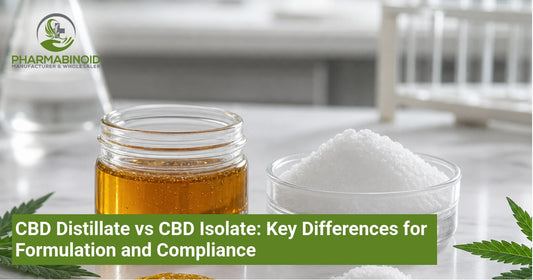
Destilát CBD vs. izolát CBD: hlavní rozdíly pro...
Destilát CBD vs. izolát CBD je především otázkou složení, požadované úrovně čistoty, chování při formulaci a strategie souladu s předpisy. Obojí jsou rafinované složky CBD získané z konopí, ale nejsou...
Destilát CBD vs. izolát CBD: hlavní rozdíly pro...
Destilát CBD vs. izolát CBD je především otázkou složení, požadované úrovně čistoty, chování při formulaci a strategie souladu s předpisy. Obojí jsou rafinované složky CBD získané z konopí, ale nejsou...
-
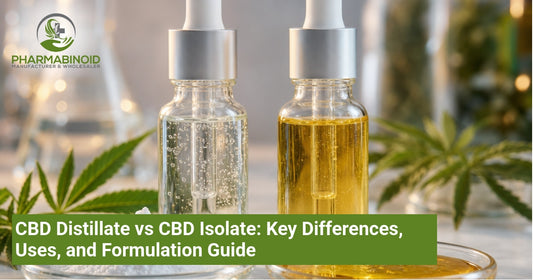
Destilát CBD vs. izolát CBD: rozdíly, využití a...
Destilát CBD vs. izolát CBD je důležité srovnání pro značky, formulátory a odběratele pracující se složkami získanými z konopí. Oba materiály mohou být bohaté na kanabidiol, liší se však složením,...
Destilát CBD vs. izolát CBD: rozdíly, využití a...
Destilát CBD vs. izolát CBD je důležité srovnání pro značky, formulátory a odběratele pracující se složkami získanými z konopí. Oba materiály mohou být bohaté na kanabidiol, liší se však složením,...
-
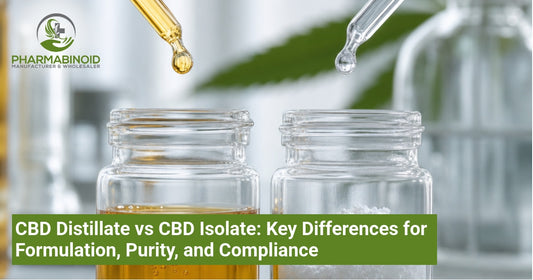
Destilát CBD vs. izolát CBD: klíčové rozdíly ve...
Destilát CBD vs. izolát CBD je častým tématem pro značky, formulátory a odběratele pracující se složkami získanými z konopí. Oba mohou být kvalitními zdroji CBD, liší se však chováním při...
Destilát CBD vs. izolát CBD: klíčové rozdíly ve...
Destilát CBD vs. izolát CBD je častým tématem pro značky, formulátory a odběratele pracující se složkami získanými z konopí. Oba mohou být kvalitními zdroji CBD, liší se však chováním při...
