What is Cannabigerolic Acid? CBGA’s Role Explained
What is Cannabigerolic Acid? Cannabigerolic acid, commonly abbreviated as CBGA, is an acidic phytocannabinoid found in cannabis and hemp. It matters because CBGA is a central biosynthetic precursor from which several better-known cannabinoids, including CBDA, THCA and CBCA, are formed in the plant.
Definition of Cannabigerolic Acid
Cannabigerolic acid is the naturally occurring acidic form of cannabigerol (CBG) and a key precursor molecule in cannabinoid biosynthesis. In simple terms, a cannabigerolic acid definition is: CBGA is a plant-derived cannabinoid acid that can be enzymatically converted into other cannabinoid acids or decarboxylated into CBG through heat, time or processing conditions.
What Is Cannabigerolic Acid?
CBGA explained clearly: it is often called the “parent” or “stem” cannabinoid because many major cannabinoids begin their biochemical pathway from CBGA. In the living cannabis plant, cannabinoids are usually present first in their acidic forms. These acidic cannabinoids contain a carboxyl group, which makes them chemically different from their neutral forms.
For example, CBGA can be converted by plant enzymes into cannabidiolic acid (CBDA), tetrahydrocannabinolic acid (THCA) or cannabichromenic acid (CBCA), depending on the plant’s genetics and enzyme expression. When CBGA is exposed to heat or prolonged storage conditions, it can lose carbon dioxide in a process known as decarboxylation and become CBG.
In the cannabinoid industry, CBGA is relevant for cultivation, extraction, product development, analytical testing and research. Its presence in a hemp biomass or extract can say a great deal about plant maturity, processing conditions and the broader cannabinoid profile.
Scientific Background of Cannabigerolic Acid
CBGA is a naturally produced phytocannabinoid acid. It is formed in the cannabis plant from earlier biochemical building blocks, including olivetolic acid and an isoprenoid-derived component. This plant biosynthesis step creates the foundation for several cannabinoid pathways.
Once CBGA is produced, specific oxidocyclase enzymes can transform it into other acidic cannabinoids. CBDA synthase supports the formation of CBDA, THCA synthase supports the formation of THCA, and CBCA synthase supports the formation of CBCA. This is why genetics are so important in cannabis and hemp production: different varieties express cannabinoid-producing enzymes differently, resulting in distinct cannabinoid profiles.
CBGA is not a terpene, but it exists alongside terpenes and other plant metabolites in resin-rich botanical material. Terpenes contribute to aroma and volatility, while cannabinoids such as CBGA are typically less volatile and require different analytical and processing considerations. A complete raw material assessment may include both cannabinoid profile and terpene profile testing, especially when evaluating extraction quality or formulation suitability.
From a manufacturing perspective, CBGA requires careful handling. Because it is an acidic cannabinoid, it can partially decarboxylate under heat, light or long storage periods. Low-temperature extraction, controlled evaporation, suitable packaging and verified storage conditions are therefore important when the goal is to preserve CBGA content.
In analytical laboratories, CBGA is commonly quantified using high-performance liquid chromatography rather than gas chromatography, because gas chromatography can heat the sample and convert acidic cannabinoids into neutral cannabinoids during analysis if not properly derivatized. A reliable certificate of analysis should distinguish CBGA from CBG rather than reporting only a generic total cannabinoid value.
Key Characteristics of Cannabigerolic Acid
- Acidic cannabinoid structure: CBGA contains a carboxyl group, which differentiates it from neutral CBG. This structural feature affects how it behaves during heating, extraction, storage and laboratory testing.
- Biosynthetic precursor role: CBGA is a starting point for the formation of several major cannabinoid acids, including CBDA, THCA and CBCA. This makes it especially important in cannabinoid genetics, cultivation and plant chemistry.
- Heat sensitivity: CBGA can decarboxylate into CBG when exposed to heat or certain processing conditions. Manufacturers working with CBGA-rich materials must control temperature carefully.
- Analytical importance: CBGA should be measured separately from CBG in a cannabinoid profile. Accurate HPLC testing helps confirm potency, purity and batch consistency.
- Formulation considerations: CBGA’s stability, solubility and compatibility with carrier oils, emulsions or other delivery systems must be evaluated before use in finished formulations.
Uses and Industry Applications
CBGA is used primarily in research, analytical testing, specialist formulation development and cannabinoid manufacturing. For suppliers and product developers, CBGA-rich extracts or isolated CBGA can be valuable when a formulation requires a defined acidic cannabinoid profile rather than only neutral cannabinoids.
In extraction, preserving CBGA generally requires lower-temperature methods and careful post-processing. Excessive heat during drying, extraction, solvent removal or distillation can reduce CBGA content by converting it into CBG. This does not necessarily make the material poor quality, but it changes the cannabinoid profile and may make it unsuitable for applications where the acidic form is specifically required.
CBGA is also relevant for reference standards and quality control. Laboratories use cannabinoid-specific methods to confirm whether a material contains CBGA, CBG or both. For commercial buyers, certificates of analysis are essential because they provide evidence of cannabinoid identity, potency, residual solvent status, heavy metal screening, microbiological quality and other parameters depending on the product type.
In research, CBGA is discussed in relation to cannabinoid biosynthesis, receptor interaction, enzyme activity and acidic cannabinoid behaviour. However, research remains limited, and findings should not be interpreted as approved medical claims. CBGA should be understood as a scientifically interesting cannabinoid ingredient, not as a substance with guaranteed health outcomes.
Related Cannabinoids, Terpenes, or Terms
CBGA is closely connected to several other cannabinoid and processing terms. For a related neutral cannabinoid, see cannabigerol CBG, which is formed when CBGA decarboxylates. For another important acidic cannabinoid pathway, see cannabidiolic acid CBDA. The process that converts acidic cannabinoids into neutral cannabinoids is explained further on the decarboxylation page.
For commercial cannabinoid sourcing, Pharmabinoid also provides Cannabigerolic Acid CBGA for qualified industry applications where verified composition and analytical documentation are required.
FAQ About Cannabigerolic Acid
What is CBGA?
CBGA stands for cannabigerolic acid. It is an acidic cannabinoid found in cannabis and hemp and is known for its role as a precursor to several other cannabinoid acids, including CBDA, THCA and CBCA.
Is cannabigerolic acid the same as CBG?
No. Cannabigerolic acid is the acidic form, while CBG is the neutral form. CBGA can convert into CBG through decarboxylation, usually involving heat, time or specific processing conditions.
Why is CBGA called the precursor cannabinoid?
CBGA is called a precursor cannabinoid because the plant can enzymatically convert it into other major cannabinoid acids. Its role in biosynthesis makes it one of the most important starting compounds in cannabis chemistry.
How is CBGA measured in hemp extracts?
CBGA is typically measured using high-performance liquid chromatography. This method helps separate and quantify acidic cannabinoids without forcing them to decarboxylate during testing.
Does CBGA have approved medical uses?
CBGA is being studied in cannabinoid research, but it should not be presented as having approved medical uses unless supported by the relevant regulatory authority. Current research is still developing and should be interpreted carefully.
Conclusion
What is Cannabigerolic Acid? It is a foundational acidic cannabinoid that plays a central role in the natural formation of many other cannabinoids. For the cannabinoid industry, CBGA is important because it connects plant genetics, extraction strategy, decarboxylation control, analytical testing and formulation development. Understanding CBGA helps manufacturers, researchers and buyers interpret cannabinoid profiles more accurately and make better decisions about raw materials and finished products.
For further scientific context, cannabinoid biosynthesis and CBGA-related research can be explored through authoritative scientific literature indexed by PubMed.
TryPharma
Ring oss eller skicka oss ett e-postmeddelande för mer information
Gratisprov
Upptäck fördelarna med våra produkter på nära håll genom att besöka vår webbplats för att få din exklusiva kod TryPharma. När du lägger en beställning med denna specialkod säkrar du inte bara de produkter du önskar, utan vi inkluderar också ett kostnadsfritt prov med varje köp. Denna möjlighet låter dig uppleva kvaliteten på vårt sortiment innan du binder dig till huvudleveransen. Vårt mål är att säkerställa att du är helt nöjd med ditt val, och denna process ger dig ett riskfritt sätt att utforska vårt omfattande produktsortiment. Kontakta oss idag för att komma igång och ta första steget mot en givande upplevelse med våra premiumerbjudanden.
Fraktförsäkring
När du köper CBD-isolat, oljor och andra produkter i bulk från oss är din försändelse helt försäkrad av oss utan någon extra kostnad för dig. Vi använder välrenommerade fraktbolag som FedEx och UPS för transporten, samtidigt som vi själva hanterar försäkringsskyddet för att säkra varje leverans från vårt lager till din dörr. På TryPharma är vi engagerade i att främja affärstillväxt genom att erbjuda en riskfri grossisttjänst. I det osannolika fallet att ett fraktproblem uppstår garanterar vi återbetalning inom fem arbetsdagar från det datum då incidenten bekräftas. Vår heltäckande strategi eliminerar effektivt 99,9 % av alla potentiella risker förknippade med bulkfrakt av CBD, vilket säkerställer din fullständiga trygghet.
30 dagars returrätt
Vi uppmanar dig att testa det kostnadsfria provet som ingår i din beställning innan du öppnar huvudleveransen. Om kvaliteten inte motsvarar dina förväntningar kan du dra nytta av vår 30-dagars returpolicy. Denna policy gör det möjligt för dig att returnera produkten inom 30 dagar för full återbetalning, vilket garanterar din fullständiga tillfredsställelse. Kontakta oss idag för att utforska vårt exceptionella produktsortiment och uppleva vår engagerade kundservice.
Cannabinoidisolat
-
CBD-isolat - cannabidiol
Ordinarie pris From €24.99 to €369.99Ordinarie prisJämförpris / per€0.00Reapris €24.99 -
CBG - Cannabigerol
Ordinarie pris From €49.99 to €799.99Ordinarie prisJämförpris / per€0.00Reapris €49.99 -
CBN - Cannabinol
Ordinarie pris From €79.99 to €1,299.99Ordinarie prisJämförpris / per€0.00Reapris €79.99 -
CBC - Cannabikromen
Ordinarie pris From €99.99 to €1,999.99Ordinarie prisJämförpris / per€0.00Reapris €99.99 -
CBDV - Cannabidivarin
Ordinarie pris From €13.99 to €3,149.99Ordinarie prisJämförpris / per€0.00Reapris €13.99 -
Cannabicitran-isolat - CBT
Ordinarie pris From €49.99 to €4,349.99Ordinarie prisJämförpris / per€0.00Reapris €49.99 -
Cannabidiolsyra - CBDA
Ordinarie pris From €49.99 to €1,499.99Ordinarie prisJämförpris / per€0.00Reapris €49.99 -
Cannabigerolsyra - CBGA
Ordinarie pris From €59.99 to €1,749.99Ordinarie prisJämförpris / per€0.00Reapris €59.99
Kollektioner
-
Psykoaktiva extrakt
Psykoaktiva extrakt – Guide för grossistköpare Psykoaktiva extrakt samlar specialiserade cannabinoidformat för...
-
CBD-kosmetik
CBD-kosmetik – Guide för grossistköpare CBD-kosmetik samlar kosmetiska CBD-format för varumärken som...
-
CBD-destillat
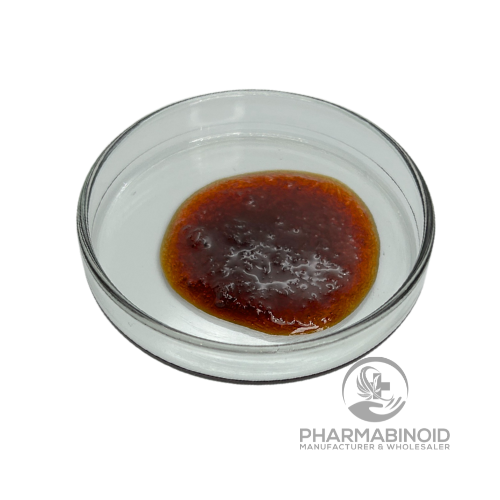
CBD-destillat – grossistguide för köpare CBD-destillat samlar produktalternativ för professionella köpare som...
Blogginlägg
Visa alla-
Risks of CBD Edibles: Safety, Side Effects, and...
The risks of CBD edibles are usually linked less to CBD itself and more to formulation quality, delayed onset, unclear labelling, possible interactions, and how the edible is used. Gummies,...
Risks of CBD Edibles: Safety, Side Effects, and...
The risks of CBD edibles are usually linked less to CBD itself and more to formulation quality, delayed onset, unclear labelling, possible interactions, and how the edible is used. Gummies,...
-
CBD Edibles Dosage: A Responsible Guide to Serv...
CBD Edibles Dosage is one of the most common questions European consumers and formulators ask because edible products behave differently from oils, vapes, or topical formats. A responsible serving size...
CBD Edibles Dosage: A Responsible Guide to Serv...
CBD Edibles Dosage is one of the most common questions European consumers and formulators ask because edible products behave differently from oils, vapes, or topical formats. A responsible serving size...
-
CBD Vape Effects: What to Expect, What Matters,...
CBD Vape Effects is a search topic that often attracts oversimplified answers. In practice, the CBD vape experience depends on the formulation, cannabinoid profile, terpene profile, device temperature, product purity,...
CBD Vape Effects: What to Expect, What Matters,...
CBD Vape Effects is a search topic that often attracts oversimplified answers. In practice, the CBD vape experience depends on the formulation, cannabinoid profile, terpene profile, device temperature, product purity,...