
CBD Edibles Studies: Bioavailability, Testing & Formulation

Gratisprov
Upptäck fördelarna med våra produkter på nära håll genom att besöka vår webbplats för att få din exklusiva kod TryPharma. När du lägger en beställning med denna specialkod får du inte bara de produkter du önskar, utan vi inkluderar även ett kostnadsfritt prov med varje köp. Denna möjlighet låter dig uppleva kvaliteten på vårt sortiment innan du binder dig till huvudleveransen. Vårt mål är att säkerställa att du är helt nöjd med ditt val, och denna process ger dig ett riskfritt sätt att utforska vårt omfattande produktsortiment. Kontakta oss idag för att komma igång och ta det första steget mot en givande upplevelse med våra premiumerbjudanden.

Fraktförsäkring
När du köper CBD-isolat, oljor och andra produkter i bulk från oss är din försändelse fullt försäkrad av oss utan någon extra kostnad för dig. Vi använder välrenommerade fraktbolag som FedEx och UPS för transporten, samtidigt som vi själva hanterar försäkringsskyddet för att säkra varje leverans från vårt lager till din dörr. På TryPharma är vi engagerade i att främja affärstillväxt genom att erbjuda en riskfri grossisttjänst. I det osannolika fallet att ett fraktproblem uppstår garanterar vi en återbetalning inom fem arbetsdagar från det datum då händelsen bekräftas. Vårt heltäckande arbetssätt eliminerar effektivt 99,9 % av alla potentiella risker förknippade med bulkfrakt av CBD, vilket säkerställer din fullständiga trygghet.

30 dagars retur
Vi uppmanar dig att testa det kostnadsfria provet som ingår i din beställning innan du öppnar huvudleveransen. Om kvaliteten inte motsvarar dina förväntningar kan du dra nytta av vår 30-dagars returpolicy. Denna policy gör det möjligt för dig att returnera produkten inom 30 dagar för full återbetalning, vilket garanterar att du blir helt nöjd. Kontakta oss idag för att utforska vårt exceptionella produktsortiment och uppleva vår engagerade kundservice.
Cannabinoidisolat
-
CBD-isolat - cannabidiol
Ordinarie pris From €24.99 to €369.99Ordinarie prisJämförpris per€0.00Reapris €24.99 -
CBG - Cannabigerol
Ordinarie pris From €49.99 to €799.99Ordinarie prisJämförpris per€0.00Reapris €49.99 -
CBN - Cannabinol
Ordinarie pris From €79.99 to €1,299.99Ordinarie prisJämförpris per€0.00Reapris €79.99 -
CBC – cannabikromenisolat
Ordinarie pris From €99.99 to €1,999.99Ordinarie prisJämförpris per€0.00Reapris €99.99 -
CBDV – cannabidivarin
Ordinarie pris From €13.99 to €3,149.99Ordinarie prisJämförpris per€0.00Reapris €13.99 -
Cannabicitran-isolat - CBT
Ordinarie pris From €49.99 to €4,349.99Ordinarie prisJämförpris per€0.00Reapris €49.99 -
CBDA-isolat – cannabidiolsyra
Ordinarie pris From €49.99 to €1,499.99Ordinarie prisJämförpris per€0.00Reapris €49.99 -
Cannabigerolsyra - CBGA
Ordinarie pris From €59.99 to €1,749.99Ordinarie prisJämförpris per€0.00Reapris €59.99


Kollektioner
-

PPB - Pharmabinoids psykoaktiva blandningar
PPB-psykoaktiva blandningar för professionella köpareUtforska Pharmabinoids PPB-kollektion för professionell produktutveckling, inköp via...
-
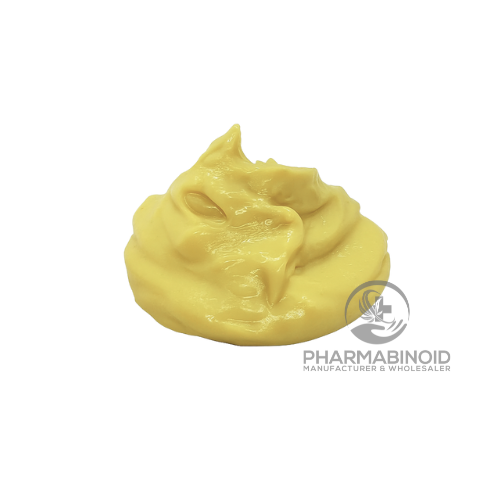
CBD-kosmetika
CBD-kosmetika: guide för grossistköpareEn kommersiell kollektion för varumärken, tillverkare och private-label-team som...
-
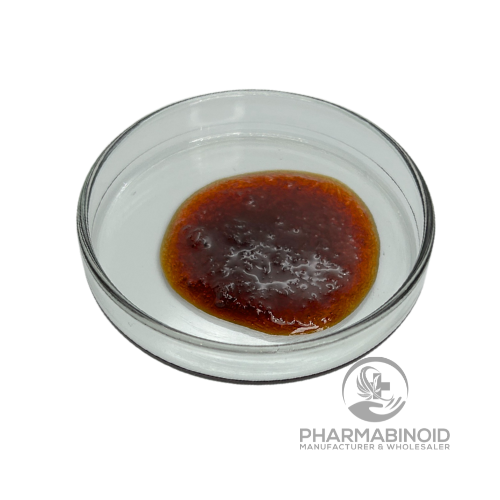
CBD-destillat i grossistled
CBD-destillat i grossistled för europeiska köpareJämför CBD-destillat för professionella formuleringar, private-labelprojekt och...


Blogginlägg
Visa alla-
CBD-destillat vs. CBD-isolat: viktiga skillnade...
CBD-destillat jämfört med CBD-isolat handlar främst om sammansättning, önskad renhetsnivå, beteende i formuleringar och strategi för efterlevnad. Båda är raffinerade, hampaderiverade CBD-ingredienser, men de är inte utbytbara. CBD-destillat är ett...
CBD-destillat vs. CBD-isolat: viktiga skillnade...
CBD-destillat jämfört med CBD-isolat handlar främst om sammansättning, önskad renhetsnivå, beteende i formuleringar och strategi för efterlevnad. Båda är raffinerade, hampaderiverade CBD-ingredienser, men de är inte utbytbara. CBD-destillat är ett...
-
CBD-destillat vs. CBD-isolat: skillnader, använ...
CBD-destillat vs. CBD-isolat är en viktig jämförelse för varumärken, formulerare och köpare som arbetar med hampaderiverade ingredienser. Båda materialen kan vara rika på cannabidiol, men de skiljer sig åt i...
CBD-destillat vs. CBD-isolat: skillnader, använ...
CBD-destillat vs. CBD-isolat är en viktig jämförelse för varumärken, formulerare och köpare som arbetar med hampaderiverade ingredienser. Båda materialen kan vara rika på cannabidiol, men de skiljer sig åt i...
-
CBD-destillat vs. CBD-isolat: viktiga skillnade...
CBD-destillat vs. CBD-isolat är en vanlig jämförelse för varumärken, formulerare och köpare som arbetar med hampabaserade ingredienser. Båda kan vara högkvalitativa CBD-källor, men de skiljer sig åt när det gäller...
CBD-destillat vs. CBD-isolat: viktiga skillnade...
CBD-destillat vs. CBD-isolat är en vanlig jämförelse för varumärken, formulerare och köpare som arbetar med hampabaserade ingredienser. Båda kan vara högkvalitativa CBD-källor, men de skiljer sig åt när det gäller...
