What is Cannabinol? CBN Formation, Testing and Uses

What is Cannabinol?

What is Cannabinol? Cannabinol, usually abbreviated as CBN, is a minor cannabinoid found in cannabis and hemp, most often associated with the natural ageing and oxidation of THC-rich plant material or extracts. It matters in the cannabinoid industry because CBN influences cannabinoid profile interpretation, analytical testing, formulation decisions, and the quality control of aged or processed cannabis extracts.

Definition of Cannabinol

The cannabinol definition is straightforward: cannabinol is a naturally occurring cannabinoid that forms mainly when tetrahydrocannabinol compounds degrade through exposure to oxygen, heat, or light. In commercial and research settings, CBN is considered a minor cannabinoid because it is usually present at lower concentrations than CBD, THC, or other primary cannabinoids.

What Is Cannabinol?

CBN explained simply: it is not usually produced by the fresh cannabis plant in large amounts. Instead, it is commonly linked to chemical transformation over time. When THC or its acidic precursor is exposed to environmental stressors such as air, ultraviolet light, or prolonged storage, the molecule can oxidise and gradually form CBN or CBN-related acidic precursors.

This makes cannabinol an important marker in quality assessment. A raised CBN level may indicate that a raw material, distillate, or finished formulation has undergone ageing, oxidation, or poor storage conditions. However, CBN is also intentionally isolated and used as a defined cannabinoid ingredient in research, product development, and specialist formulations where a specific minor cannabinoid profile is required.

In the European cannabinoid sector, CBN must be handled with careful attention to documentation, production standards, and jurisdiction-specific compliance. As with other cannabinoids, responsible manufacturers rely on batch-specific certificates of analysis, validated analytical methods, and clear specifications for purity, residual solvents, heavy metals, pesticides, and cannabinoid content.

Scientific Background of Cannabinol

Cannabinol is chemically related to THC but differs in structure and activity. Its molecular structure is more oxidised and aromatised than THC, which helps explain why it is commonly associated with aged cannabis material. Unlike cannabinoids that originate more directly from cannabigerolic acid pathways, CBN is typically regarded as a degradation-derived cannabinoid rather than a major biosynthetic product of fresh plants.

From a pharmacology perspective, CBN has been studied for its interaction with the endocannabinoid system, including cannabinoid receptors such as CB1 and CB2. Available research suggests that its receptor activity is distinct from THC and generally less pronounced, but the scientific literature remains limited compared with CBD or THC. Discussions around CBN should therefore be careful: many popular claims exceed the strength of current human evidence.

Analytical testing is especially important for CBN because its presence can reflect both intentional formulation and unintended degradation. Laboratories typically quantify CBN using chromatographic methods such as HPLC or GC-based techniques, depending on the testing objective and sample type. HPLC is often preferred for cannabinoid profile testing because it can distinguish acidic and neutral cannabinoids without relying on heat-induced conversion during analysis.

For broader cannabinoid research context, scientific reviews indexed by PubMed, such as research on cannabinoid pharmacology, help explain how cannabinoids may interact with biological systems while also showing why cannabinoid-specific claims require strong supporting data.

Key Characteristics of Cannabinol

  • Oxidation-related formation: CBN commonly forms when THC-containing material is exposed to oxygen, light, heat, or long storage periods. This makes it useful as an indicator of extract age, storage quality, and chemical stability.
  • Minor cannabinoid status: In most hemp and cannabis chemovars, cannabinol appears at low levels unless material has aged or been processed in a way that encourages oxidation. Commercial CBN ingredients therefore require targeted extraction, purification, or controlled manufacturing methods.
  • Distinct cannabinoid profile role: CBN contributes to the total cannabinoid profile and must be accurately measured in raw extracts, distillates, isolates, and finished formulations. Even small percentage differences can matter for specification control and regulatory documentation.
  • Research interest with limitations: CBN is discussed in cannabinoid research, but human evidence is still limited. Responsible suppliers avoid presenting CBN as a treatment or cure and instead focus on analytical quality, formulation behaviour, and scientific transparency.
  • Formulation sensitivity: Because CBN is linked to oxidation chemistry, formulators must consider excipients, packaging, light exposure, oxygen headspace, and storage conditions when developing stable cannabinoid products.

Uses and Industry Applications

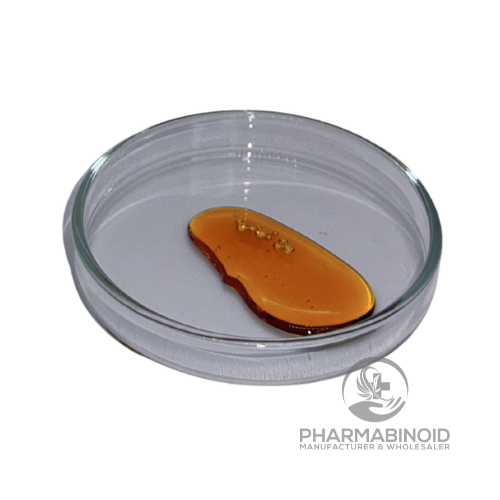
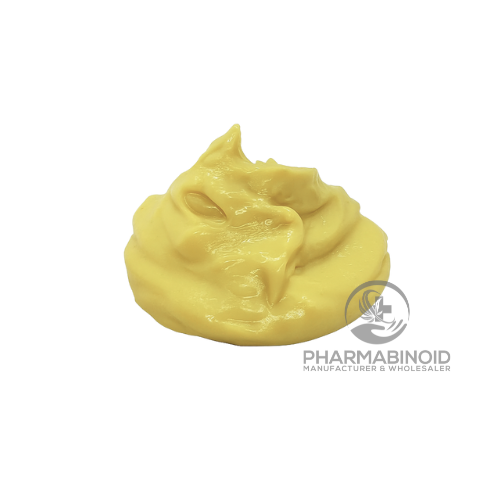
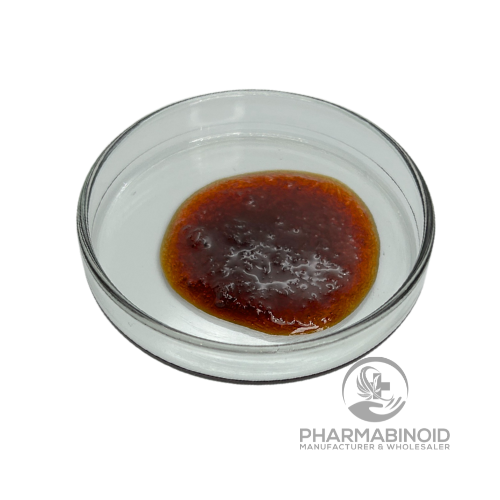
In the cannabinoid industry, cannabinol has several practical applications. It is used in research formulations, cannabinoid reference work, product development, and as a measurable compound in analytical testing. Manufacturers may work with CBN isolate or CBN-rich extracts when they need a defined minor cannabinoid input with a controlled cannabinoid profile.

CBN is also relevant during extraction and refinement. When processors evaluate crude extracts, distillates, or aged biomass, the level of CBN can provide information about oxidation and historical storage conditions. A high CBN result in a material that was not intended to contain it may signal degraded THC-related compounds, prolonged exposure to air, or excessive heat during processing.

From a formulation perspective, CBN can be incorporated into oils, emulsions, and other cannabinoid formats where permitted by applicable regulations. Formulators must account for solubility, carrier compatibility, bioavailability, target concentration, flavour impact, and long-term stability. Terpene profile can also influence the sensory character of a formulation, although terpenes should not be used to imply unsupported health outcomes.

For commercial buyers, quality documentation is essential. A reliable CBN ingredient should be supported by a certificate of analysis showing cannabinoid potency, purity, residual solvents, microbiological status where relevant, and contaminant screening. This is especially important for European businesses working across different regulatory environments and product categories.

Related Cannabinoids, Terpenes, or Terms

Cannabinol is closely connected to broader cannabinoid chemistry and quality control. For a dedicated CBN product reference, see CBN Cannabinol. For a broader research-oriented overview, visit cannabinoid research. Pharmabinoid also provides further information on cannabinol CBN for readers exploring this minor cannabinoid in more detail.

Related terms include THC degradation, cannabinoid oxidation, full-spectrum extracts, broad-spectrum extracts, cannabinoid isolate, certificate of analysis, HPLC testing, terpene profile, bioavailability, and extract stability. Cannabinoids such as CBD, CBG, CBC, THC, and CBN are often compared by chemists and formulators because each contributes differently to the analytical profile of a cannabis or hemp-derived material.

FAQ About Cannabinol

What is Cannabinol in simple terms?

Cannabinol, or CBN, is a minor cannabinoid that usually forms when THC-related compounds age and oxidise. It is important in cannabinoid testing because it can show whether plant material or extract has changed over time.

What is CBN, and is it the same as CBD?

CBN and CBD are different cannabinoids. CBD is usually present in higher amounts in hemp varieties, while CBN is typically found at lower levels and is often associated with oxidation of THC-containing material. They have different chemical structures, different analytical profiles, and different formulation considerations.

Why is CBN measured in laboratory testing?

CBN is measured because it contributes to the overall cannabinoid profile and may indicate ageing, oxidation, or intentional formulation. Accurate testing helps manufacturers confirm specifications, assess stability, and provide transparent certificates of analysis.

Is cannabinol naturally present in hemp?

Yes, cannabinol can be present in hemp, but usually only in small amounts. Higher levels are more commonly linked to aged or oxidised material rather than fresh plant material.

Can CBN be used in cannabinoid formulations?

CBN can be used as a defined cannabinoid ingredient in formulation work where permitted by applicable regulations. Professional formulation requires attention to purity, carrier compatibility, stability, bioavailability, packaging, and batch-specific analytical documentation.

Conclusion

What is Cannabinol? It is a minor cannabinoid, commonly known as CBN, that is strongly associated with the oxidation and ageing of THC-related compounds. For the cannabinoid industry, CBN is more than a glossary term: it is a useful marker in analytical testing, a specialist ingredient in formulation development, and an important part of understanding cannabinoid stability, purity, and product quality. As research continues, the most responsible approach is to discuss CBN with scientific precision, careful compliance awareness, and transparent laboratory documentation.

Бесплатный образец

Откройте для себя преимущества нашей продукции лично, посетив наш сайт, чтобы получить ваш эксклюзивный код TryPharma. Когда вы оформите заказ, используя этот специальный код, вы не только получите желаемые товары, но мы также добавим бесплатный образец к каждой покупке. Эта возможность позволяет вам оценить качество нашей продукции до того, как вы приступите к основной поставке. Наша цель — обеспечить ваше полное удовлетворение выбранной продукцией, и этот процесс предоставляет безрисковый способ ознакомиться с нашим широким ассортиментом товаров. Свяжитесь с нами уже сегодня, чтобы начать и сделать первый шаг к положительному опыту знакомства с нашими премиальными предложениями.

Страхование доставки

При покупке оптовых партий CBD-изолятов, масел и других продуктов у нас ваша поставка полностью застрахована нами без каких-либо дополнительных затрат с вашей стороны. Для перевозки мы используем надежные транспортные компании, такие как FedEx и UPS, при этом самостоятельно управляем страховым покрытием, чтобы обеспечить защиту каждой отправки от нашего склада до вашей двери. В TryPharma мы стремимся способствовать росту бизнеса, предлагая безрисковый оптовый сервис. В маловероятном случае возникновения проблемы с доставкой мы гарантируем возврат средств в течение пяти рабочих дней с даты подтверждения инцидента. Наш комплексный подход эффективно устраняет 99,9% всех потенциальных рисков, связанных с оптовой доставкой CBD, обеспечивая вам полное спокойствие.

Возврат в течение 30 дней

Мы приглашаем вас протестировать бесплатный образец, включенный в ваш заказ, прежде чем открывать основную поставку. Если качество не оправдает ваших ожиданий, вы можете воспользоваться нашей политикой возврата в течение 30 дней. Эта политика позволяет вернуть товар в течение 30 дней и получить полный возврат средств, гарантируя ваше полное удовлетворение. Свяжитесь с нами уже сегодня, чтобы ознакомиться с нашим исключительным ассортиментом продукции и оценить наш внимательный клиентский сервис.