What is Cannabinol Acetate? CBNO Definition and Uses
What is Cannabinol Acetate? Cannabinol acetate, commonly abbreviated as CBNO or CBN-O-acetate, is an acetylated derivative of cannabinol (CBN). It matters in the cannabinoid industry because it sits at the intersection of cannabinoid chemistry, analytical testing, formulation development, and regulatory caution: it is not simply “CBN under another name,” but a chemically modified cannabinoid that requires careful quality control and responsible positioning.
Definition of Cannabinol Acetate
The cannabinol acetate definition is: a semi-synthetic cannabinoid ester produced by acetylating cannabinol, usually at the phenolic hydroxyl group, to form CBN-O-acetate. In practical terms, CBNO is a modified form of CBN designed for research, formulation evaluation, or advanced cannabinoid product development where permitted by applicable regulations.
What Is Cannabinol Acetate?
When people ask “what is CBNO?” they are usually asking whether cannabinol acetate is the same as CBN. The short answer is no. CBN is a naturally occurring cannabinoid associated with the oxidation and ageing of THC-rich cannabis material, while CBNO is typically produced through a controlled chemical conversion from purified CBN.
CBNO explained simply: it is CBN with an acetate group attached. This structural change can influence physical and formulation properties such as solubility, stability, analytical behaviour, and how the molecule may interact with biological systems. However, claims about human potency, effects, or wellness outcomes should be treated cautiously because public research on cannabinol acetate remains limited compared with better-known cannabinoids such as CBD, THC, CBG, and CBN.
For businesses, CBNO should be approached as a specialised cannabinoid ingredient rather than a generic extract. Product developers need to consider purity, residual solvents, reaction by-products, certificate of analysis documentation, batch consistency, and the regulatory status of acetylated cannabinoids in the target market.
Scientific Background of Cannabinol Acetate
Cannabinol acetate belongs to a broader category of cannabinoid acetate esters. In chemistry, acetylation is a process where an acetyl group is introduced into a molecule. For cannabinoids with suitable functional groups, this can produce acetate derivatives that differ from the parent cannabinoid in polarity, stability, and analytical profile.
CBN itself is a mildly psychoactive cannabinoid formed mainly through degradation or oxidation pathways. Cannabinol acetate is usually made from isolated CBN rather than directly extracted in meaningful amounts from hemp or cannabis biomass. Because of this, manufacturing standards are especially important. A high-quality CBNO ingredient should be supported by validated analytical testing, including cannabinoid potency, identity confirmation, residual solvent analysis, heavy metals, pesticides where relevant, and screening for unwanted conversion by-products.
From a pharmacology perspective, discussions around CBNO often focus on the endocannabinoid system, particularly cannabinoid receptors such as CB1 and CB2. However, reliable human data specific to cannabinol acetate is sparse. It should not be assumed that CBNO behaves identically to CBN, nor should unverified potency comparisons be treated as established scientific fact. Responsible cannabinoid suppliers should distinguish clearly between confirmed analytical data and early-stage scientific hypotheses.
Terpenes are also relevant in final product design, although they are not part of the CBNO molecule itself. If CBNO is used in a formulated product, the terpene profile may affect aroma, sensory profile, viscosity, and product positioning. For technical and compliance reasons, terpene selection should be documented and compatible with the intended product category.
Key Characteristics of Cannabinol Acetate
- Acetylated CBN derivative: Cannabinol acetate is produced by chemically modifying cannabinol with an acetate group, making it distinct from naturally occurring CBN.
- Specialised analytical requirements: CBNO should be confirmed by appropriate laboratory methods because standard cannabinoid panels may not always identify acetate derivatives accurately unless the method is validated for them.
- Formulation-sensitive ingredient: Solubility, carrier compatibility, terpene interaction, viscosity, and product stability should be assessed before using CBNO in finished formulations.
- Limited public research base: Compared with CBD or THC, there is far less published research on CBNO, so responsible communication should avoid exaggerated effect claims.
- Compliance-dependent status: The legality and acceptability of acetylated cannabinoids can vary between jurisdictions, product categories, and use cases, especially in the European market.
Uses and Industry Applications
Cannabinol acetate is mainly relevant for cannabinoid manufacturers, research-oriented brands, and formulators working with advanced cannabinoid ingredients. It may be considered for research and development projects, reference material comparison, specialised formulations, or product innovation where local regulations allow.
In manufacturing, CBNO places strong emphasis on process control. Because it is generally produced through conversion rather than simple extraction, the quality of the starting CBN isolate, the reaction conditions, purification process, and final testing all influence product integrity. A professional supply chain should be able to provide batch-specific certificates of analysis, clear cannabinoid profile data, and transparency around production standards.
In formulation, CBNO may be evaluated in oils, blends, or other cannabinoid preparations, but technical suitability depends on the finished product format. Formulators should consider carrier oils, excipients, heat exposure, packaging compatibility, oxidation risk, and shelf-life testing. Bioavailability can vary significantly depending on the formulation type, and there is not enough public evidence to justify precise consumer-facing claims about CBNO performance.
For inhalable products, additional caution is appropriate for acetate compounds. Thermal behaviour and inhalation safety require careful toxicological evaluation, and businesses should not assume that a cannabinoid acetate is suitable for every product format simply because it is chemically related to a known cannabinoid.
Related Cannabinoids, Terpenes, or Terms
Cannabinol acetate is closely related to CBN, cannabinoid acetate derivatives, cannabinoid conversion chemistry, and analytical testing of minor cannabinoids. Pharmabinoid provides more information on Cannabinol-O Acetate Isolate for ingredient-specific context, as well as a dedicated information page on CBNO. For broader scientific context, see Pharmabinoid’s cannabinoid research resource.
FAQ About Cannabinol Acetate
What is Cannabinol Acetate?
Cannabinol acetate is an acetylated derivative of cannabinol, often called CBNO or CBN-O-acetate. It is typically produced by modifying CBN through an acetylation process and should be treated as a distinct cannabinoid ingredient, not simply as standard CBN.
Is CBNO the same as CBN?
No. CBN is the parent cannabinoid, while CBNO is a chemically modified acetate ester of CBN. This structural difference may affect formulation behaviour, analytical identification, and potentially biological interaction, although public research on CBNO remains limited.
What is CBNO used for in the cannabinoid industry?
CBNO is mainly used in specialised cannabinoid research, ingredient development, and advanced formulation work where regulations permit. Responsible use requires validated testing, clear certificates of analysis, and careful assessment of product format suitability.
Is cannabinol acetate naturally found in hemp?
CBNO is not generally considered a major naturally occurring hemp cannabinoid. It is usually produced from purified CBN through chemical acetylation, which makes manufacturing transparency and impurity testing especially important.
Can cannabinol acetate be marketed with health claims?
No unsupported health claims should be made for cannabinol acetate. Research remains limited, and businesses should avoid claims that it treats, cures, or prevents any disease. Communication should stay factual, technical, and compliant with applicable regulations.
Conclusion
Cannabinol acetate is a specialised cannabinoid derivative that deserves a precise and cautious explanation. In answer to “What is Cannabinol Acetate?”, it is best understood as CBN-O-acetate: a semi-synthetic, acetylated form of cannabinol with distinct manufacturing, testing, and formulation considerations. For the European cannabinoid industry, CBNO is relevant not because of exaggerated claims, but because it highlights the importance of scientific accuracy, batch-level analytical data, regulatory awareness, and responsible cannabinoid innovation.
TryPharma
Zadzwoń do nas lub wyślij nam e-mail, aby uzyskać więcej informacji
Darmowa próbka
Odkryj zalety naszych produktów na własnej skórze, odwiedzając naszą stronę internetową, aby uzyskać swój ekskluzywny kod TryPharma. Składając zamówienie z użyciem tego specjalnego kodu, nie tylko zabezpieczysz wybrane przez siebie produkty, ale do każdego zakupu dołączymy również bezpłatną próbkę. Ta okazja pozwala Ci doświadczyć jakości naszej oferty, zanim zdecydujesz się na główną wysyłkę. Naszym celem jest zapewnienie Ci pełnej satysfakcji z wyboru, a ten proces daje bezpieczny sposób na poznanie naszej szerokiej gamy produktów bez ryzyka. Skontaktuj się z nami już dziś, aby rozpocząć i zrobić pierwszy krok w stronę satysfakcjonującego doświadczenia z naszą ofertą premium.
Ubezpieczenie przesyłki
Kiedy kupujesz u nas hurtowe ilości izolatów CBD, olejów i innych produktów, Twoja przesyłka jest w pełni ubezpieczona przez nas bez żadnych dodatkowych kosztów. Korzystamy z renomowanych firm przewozowych, takich jak FedEx i UPS, natomiast sami zarządzamy ochroną ubezpieczeniową, aby zabezpieczyć każdą przesyłkę od naszego magazynu aż do Twoich drzwi. W TryPharma zależy nam na wspieraniu rozwoju biznesu poprzez oferowanie hurtowej usługi bez ryzyka. W mało prawdopodobnym przypadku problemu z wysyłką gwarantujemy zwrot pieniędzy w ciągu pięciu dni roboczych od daty potwierdzenia incydentu. Nasze kompleksowe podejście skutecznie eliminuje 99,9% wszystkich potencjalnych ryzyk związanych z hurtową wysyłką CBD, zapewniając Ci pełen spokój ducha.
30-dniowy zwrot
Zachęcamy do przetestowania bezpłatnej próbki dołączonej do zamówienia przed otwarciem głównej przesyłki. Jeśli jakość nie spełni Twoich oczekiwań, możesz skorzystać z naszej 30-dniowej polityki zwrotów. Polityka ta pozwala na zwrot produktu w ciągu 30 dni i uzyskanie pełnego zwrotu pieniędzy, gwarantując Twoją pełną satysfakcję. Skontaktuj się z nami już dziś, aby poznać naszą wyjątkową ofertę produktów i doświadczyć naszej zaangażowanej obsługi klienta.
Izolaty kannabinoidowe
-
Izolat CBD - Kannabidiol
Cena regularna From €24.99 to €369.99Cena regularnaCena jednostkowa / za€0.00Cena promocyjna €24.99 -
CBG - Kannabigerol
Cena regularna From €49.99 to €799.99Cena regularnaCena jednostkowa / za€0.00Cena promocyjna €49.99 -
CBN - Kannabinol
Cena regularna From €79.99 to €1,299.99Cena regularnaCena jednostkowa / za€0.00Cena promocyjna €79.99 -
CBC - kanabichromen
Cena regularna From €99.99 to €1,999.99Cena regularnaCena jednostkowa / za€0.00Cena promocyjna €99.99 -
CBDV - Kannabidiwaryna
Cena regularna From €13.99 to €3,149.99Cena regularnaCena jednostkowa / za€0.00Cena promocyjna €13.99 -
Izolat cannabicitranu - CBT
Cena regularna From €49.99 to €4,349.99Cena regularnaCena jednostkowa / za€0.00Cena promocyjna €49.99 -
Kwas kannabidiolowy - CBDA
Cena regularna From €49.99 to €1,499.99Cena regularnaCena jednostkowa / za€0.00Cena promocyjna €49.99 -
Kwas kannabigerolowy - CBGA
Cena regularna From €59.99 to €1,749.99Cena regularnaCena jednostkowa / za€0.00Cena promocyjna €59.99
Kolekcje
-
Ekstrakty psychoaktywne
Ekstrakty psychoaktywne – przewodnik zakupowy dla odbiorców hurtowych Ekstrakty psychoaktywne obejmują specjalistyczne...
-
Vape'y CBD
Produkty CBD do waporyzacji i wsparcie formulacyjne dla profesjonalnego rozwoju produktów kannabinoidowych...
-
Kosmetyki CBD
Kosmetyki CBD – przewodnik zakupowy dla odbiorców hurtowych Kosmetyki CBD obejmują formaty...
-
Destylaty CBD
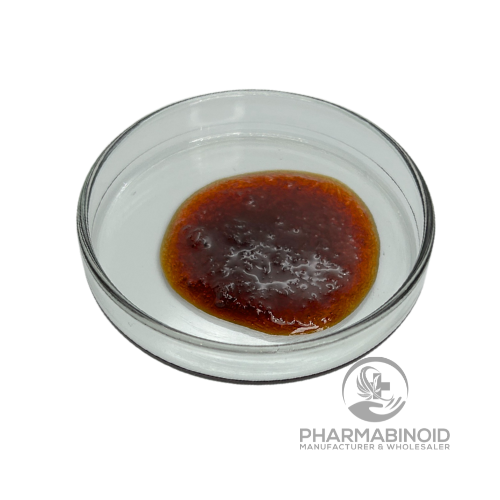
Destylaty CBD – przewodnik hurtowego nabywcy CBD Distillates przedstawia opcje produktowe dla...
Wpisy na blogu
Zobacz wszystko-
CBD Distillate vs CBD Isolate: Key Differences,...
CBD Distillate vs CBD Isolate is one of the most important comparisons for brands, formulators, and buyers working with hemp-derived ingredients. Both materials can be rich in cannabidiol, but they...
CBD Distillate vs CBD Isolate: Key Differences,...
CBD Distillate vs CBD Isolate is one of the most important comparisons for brands, formulators, and buyers working with hemp-derived ingredients. Both materials can be rich in cannabidiol, but they...
-
CBD Distillate vs CBD Isolate: Key Differences ...
CBD Distillate vs CBD Isolate is one of the most common comparisons for brands, formulators, and buyers working with hemp-derived ingredients. Both materials can be high-quality sources of cannabidiol, but...
CBD Distillate vs CBD Isolate: Key Differences ...
CBD Distillate vs CBD Isolate is one of the most common comparisons for brands, formulators, and buyers working with hemp-derived ingredients. Both materials can be high-quality sources of cannabidiol, but...
-
CBD Distillate Effects: What to Expect from a R...
CBD distillate effects are best understood as the combined result of a concentrated cannabinoid profile, low-to-non-detectable THC targets, formulation method, and product quality. Unlike raw hemp extract, CBD distillate is...
CBD Distillate Effects: What to Expect from a R...
CBD distillate effects are best understood as the combined result of a concentrated cannabinoid profile, low-to-non-detectable THC targets, formulation method, and product quality. Unlike raw hemp extract, CBD distillate is...