Risks of CBD Oil: Safety, Interactions, Testing, and EU Market Considerations
Understanding the risks of CBD oil is important for brands, formulators, retailers, and professional buyers working with cannabinoid products. CBD is widely discussed in scientific and consumer contexts, but product quality, serving size, formulation, interactions, and regulatory classification all influence how a CBD oil should be evaluated. This guide provides a responsible, non-medical overview for European businesses and informed purchasers.
This page is not medical advice and does not diagnose, treat, or prevent any condition. Anyone taking medication, pregnant or breastfeeding, living with a medical condition, or uncertain about CBD suitability should consult a qualified healthcare professional before use.
What are the main risks of CBD oil?
The potential risks of CBD oil depend on the product, the amount used, the route of administration, the person using it, and the quality of the supporting documentation. Important considerations include tolerability, interactions with medicines, inaccurate labelling, contamination, inappropriate claims, and differences between product categories.
- Product variability: Concentration, carrier oil, cannabinoid profile, and terpene content can differ considerably between products.
- Label uncertainty: A percentage alone may not clearly communicate milligrams per serving or per bottle.
- Quality concerns: Poorly controlled materials may contain unwanted solvents, pesticides, heavy metals, microbiological contamination, or cannabinoid levels that do not match the label.
- Individual factors: Sensitivity, previous exposure, age, medication use, and general health can affect how a person responds.
CBD oil tolerability and responsible use
Some people may experience unwanted effects or may not tolerate a particular CBD oil. These effects can be influenced by concentration, formulation, consumption pattern, and individual sensitivity. A responsible approach is to follow the product label, avoid combining multiple unfamiliar cannabinoid products, and stop use if unexpected symptoms occur.
Consumers should not assume that a natural origin makes a product risk-free. The carrier oil, flavouring system, added terpenes, and other ingredients also need to be assessed. For professional buyers, a complete specification sheet and batch-specific Certificate of Analysis are essential starting points.
CBD oil and medication interactions
CBD may interact with some medicines because cannabidiol can affect metabolic pathways involved in drug processing. The relevance of an interaction depends on the medicine, the amount of CBD, the frequency of use, and the individual. This is why people using prescription or clinically monitored medicines should seek advice from a qualified healthcare professional rather than relying on general online dosage guidance.
Businesses should avoid implying that CBD oil is suitable for everyone or that it can replace professional treatment. Responsible product communication should use clear qualifiers and should not present preliminary research as established clinical evidence.
Quality testing can reduce avoidable product risks
Testing cannot eliminate every risk, but it can identify important quality problems before a product reaches the market. Buyers should request a current, batch-specific COA and check whether it includes cannabinoid identity and potency, THC levels where relevant, residual solvents, pesticides, heavy metals, microbiological parameters, and other tests appropriate to the formulation.
Testing should be connected to traceable batch information. A document without a matching lot number, test date, laboratory identification, or clear sample description is less useful for procurement decisions. Professional buyers should also review the technical data sheet, safety data sheet where applicable, storage conditions, shelf life, packaging, and transport requirements.
Regulatory and EU market considerations
CBD oil compliance depends on the intended product category and destination market. Food supplements, novel foods, cosmetics, vaping products, and technical ingredients may be subject to different requirements. A product that is acceptable in one market or application may require a different assessment elsewhere.
Businesses should verify the current position of the relevant national authorities, review applicable EU requirements, and obtain specialist regulatory advice before making products available. Claims must be supported and appropriate to the category. Avoid disease claims, therapeutic promises, and language suggesting guaranteed outcomes.
How formulators and buyers can evaluate CBD oil safely
- Define the intended application and target market before selecting an ingredient.
- Confirm the total CBD content, concentration, serving information, carrier oil, and cannabinoid profile.
- Request current batch documentation and verify that the COA matches the supplied lot.
- Review contaminant testing and investigate results that are incomplete or unclear.
- Assess stability, storage, packaging compatibility, and transport conditions.
- Use conservative, factual product language and obtain regulatory review where necessary.
Frequently asked questions
Is CBD oil risk-free because it is plant-derived?
No. Plant-derived products can still vary in composition, interact with medicines, be contaminated, or be unsuitable for particular people. Quality documentation and responsible use remain important.
What should a CBD oil COA include?
A suitable COA should clearly identify the batch and normally report cannabinoid potency and relevant contaminant testing. The exact panel depends on the material and intended application.
Can CBD oil interact with medication?
It may interact with some medicines. Anyone using prescription or clinically monitored medication should consult a qualified healthcare professional before using CBD.
Are CBD oil risks the same in every European country?
No. Product classification, claims, THC limits, novel food status, and market requirements can differ. Businesses should check the rules that apply to the specific product and destination market.
Conclusion
The risks of CBD oil are best managed through careful formulation, transparent testing, accurate labelling, conservative communication, and appropriate professional advice. For B2B procurement, the strongest safeguards are traceable batches, complete specifications, reliable COAs, documented storage conditions, and a clear understanding of the intended European market.
For sourcing and formulation discussions, businesses can review Pharmabinoid's CBD oil collection and request a professional quotation.
TryPharma
Zadzwoń do nas lub wyślij nam e-mail, aby uzyskać więcej informacji
Darmowa próbka
Odkryj korzyści płynące z naszych produktów osobiście, odwiedzając naszą stronę internetową, aby uzyskać swój ekskluzywny kod TryPharma. Składając zamówienie z użyciem tego specjalnego kodu, nie tylko zabezpieczysz wybrane przez siebie produkty, ale do każdego zakupu dołączymy również bezpłatną próbkę. Ta możliwość pozwala Ci doświadczyć jakości naszej oferty, zanim zdecydujesz się na główną wysyłkę. Naszym celem jest zapewnienie, że będziesz całkowicie zadowolony ze swojego wyboru, a ten proces stanowi bezpieczny sposób na poznanie naszej szerokiej gamy produktów bez ryzyka. Skontaktuj się z nami już dziś, aby rozpocząć i zrobić pierwszy krok ku satysfakcjonującemu doświadczeniu z naszą ofertą premium.

Ubezpieczenie wysyłki
Kiedy kupujesz od nas hurtowe ilości izolatów CBD, olejów i innych produktów, Twoja przesyłka jest przez nas w pełni ubezpieczona bez żadnych dodatkowych kosztów dla Ciebie. Korzystamy z renomowanych firm kurierskich, takich jak FedEx i UPS, do transportu, jednocześnie samodzielnie zarządzając ochroną ubezpieczeniową, aby zabezpieczyć każdą przesyłkę od naszego magazynu aż do Twoich drzwi. W TryPharma jesteśmy zaangażowani we wspieranie rozwoju biznesu poprzez oferowanie hurtowej usługi bez ryzyka. W mało prawdopodobnym przypadku problemu z wysyłką gwarantujemy zwrot pieniędzy w ciągu pięciu dni roboczych od daty potwierdzenia zdarzenia. Nasze kompleksowe podejście skutecznie eliminuje 99,9% wszystkich potencjalnych ryzyk związanych z hurtową wysyłką CBD, zapewniając Ci całkowity spokój ducha.

30-dniowy zwrot
Zachęcamy do przetestowania bezpłatnej próbki dołączonej do zamówienia przed otwarciem głównej przesyłki. Jeśli jakość nie spełni Twoich oczekiwań, możesz skorzystać z naszej 30-dniowej polityki zwrotów. Polityka ta pozwala na zwrot produktu w ciągu 30 dni i uzyskanie pełnego zwrotu pieniędzy, gwarantując Twoją całkowitą satysfakcję. Skontaktuj się z nami już dziś, aby poznać naszą wyjątkową ofertę produktów i doświadczyć naszej zaangażowanej obsługi klienta.
Izolaty kannabinoidów
-
Izolat CBD - Kannabidiol
Cena regularna From €24.99 to €369.99Cena regularnaCena jednostkowa / za€0.00Cena promocyjna €24.99 -
CBG - Kannabigerol
Cena regularna From €49.99 to €799.99Cena regularnaCena jednostkowa / za€0.00Cena promocyjna €49.99 -
CBN - Kannabinol
Cena regularna From €79.99 to €1,299.99Cena regularnaCena jednostkowa / za€0.00Cena promocyjna €79.99 -
Izolat CBC – kannabichromen
Cena regularna From €99.99 to €1,999.99Cena regularnaCena jednostkowa / za€0.00Cena promocyjna €99.99 -
CBDV - Kannabidiwaryna
Cena regularna From €13.99 to €3,149.99Cena regularnaCena jednostkowa / za€0.00Cena promocyjna €13.99 -
Izolat cannabicitranu - CBT
Cena regularna From €49.99 to €4,349.99Cena regularnaCena jednostkowa / za€0.00Cena promocyjna €49.99 -
Kwas kannabidiolowy - CBDA
Cena regularna From €49.99 to €1,499.99Cena regularnaCena jednostkowa / za€0.00Cena promocyjna €49.99 -
Kwas kannabigerolowy - CBGA
Cena regularna From €59.99 to €1,749.99Cena regularnaCena jednostkowa / za€0.00Cena promocyjna €59.99
Kolekcje
-
Psychoaktywne mieszanki PPB dla profesjonalnych nabywców
Psychoaktywne mieszanki PPB dla profesjonalnych nabywcówPoznaj kolekcję PPB firmy Pharmabinoid przeznaczoną do...
-
Vape'y CBD
Produkty CBD do waporyzacji i wsparcie formulacyjne dla profesjonalnego rozwoju produktów kannabinoidowych...
-
Kosmetyki CBD
Kosmetyki CBD: przewodnik dla kupujących hurtowychKomercyjna kolekcja dla marek, producentów i zespołów...
-
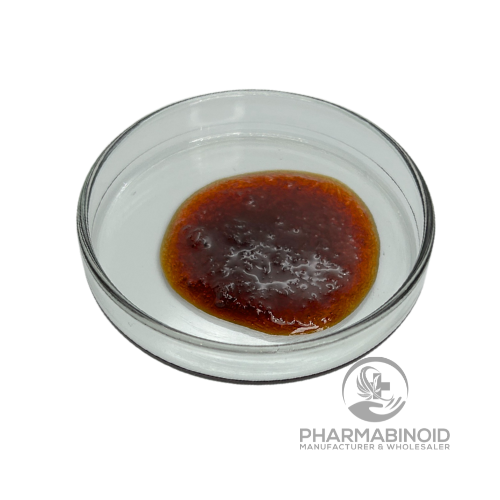
Destylaty CBD hurtowo
Destylaty CBD hurtowo dla odbiorców europejskichPorównuj destylaty CBD do profesjonalnych formulacji, projektów...
Wpisy na blogu
Zobacz wszystko-
Destylat CBD a izolat CBD: najważniejsze różnic...
Destylat CBD a izolat CBD to przede wszystkim kwestia składu, docelowego poziomu czystości, zachowania w formulacji i strategii zgodności. Oba składniki są rafinowanymi, pozyskiwanymi z konopi składnikami CBD, ale nie...
Destylat CBD a izolat CBD: najważniejsze różnic...
Destylat CBD a izolat CBD to przede wszystkim kwestia składu, docelowego poziomu czystości, zachowania w formulacji i strategii zgodności. Oba składniki są rafinowanymi, pozyskiwanymi z konopi składnikami CBD, ale nie...
-
Destylat CBD a izolat CBD: różnice, zastosowani...
Destylat CBD a izolat CBD to ważne porównanie dla marek, technologów i nabywców pracujących ze składnikami pochodzącymi z konopi. Oba materiały mogą być bogate w kannabidiol, ale różnią się składem,...
Destylat CBD a izolat CBD: różnice, zastosowani...
Destylat CBD a izolat CBD to ważne porównanie dla marek, technologów i nabywców pracujących ze składnikami pochodzącymi z konopi. Oba materiały mogą być bogate w kannabidiol, ale różnią się składem,...
-
Destylat CBD a izolat CBD: najważniejsze różnic...
Destylat CBD a izolat CBD to częste porównanie wśród marek, technologów i nabywców pracujących ze składnikami pochodzącymi z konopi. Oba mogą być wysokiej jakości źródłami CBD, ale różnią się zachowaniem...
Destylat CBD a izolat CBD: najważniejsze różnic...
Destylat CBD a izolat CBD to częste porównanie wśród marek, technologów i nabywców pracujących ze składnikami pochodzącymi z konopi. Oba mogą być wysokiej jakości źródłami CBD, ale różnią się zachowaniem...