CBD Edibles Studies: Bioavailability, Testing & Formulation
CBD Edibles Studies investigate how cannabidiol behaves in oral formats such as gummies, capsules, beverages and other ingestible formulations. For research and product-development teams, the key questions include how the edible matrix affects dispersion, stability, oral absorption and analytical consistency. Findings depend on the specific formulation and study design; they should not be treated as dosage guidance or proof of a health outcome.
What do CBD Edibles Studies examine?
CBD edible research covers the composition, processing, stability, absorption and quality of cannabidiol-containing oral products. CBD is a lipophilic phytocannabinoid, so its behaviour in an edible can be affected by carrier oils, emulsification, particle size, food matrix, heating, acidity and storage conditions. A gummy, capsule, beverage and oil-based preparation are all oral formats, but they are not scientifically interchangeable.
Studies may measure cannabinoid concentration, uniformity between units, degradation over time, plasma concentrations or metabolite formation. These endpoints answer different questions: a stable and uniform product is not automatically a highly bioavailable one, and pharmacokinetic observations do not by themselves establish a clinical benefit.
Current scientific understanding of oral CBD absorption
Oral CBD absorption can vary considerably. The compound’s limited water solubility, gastrointestinal processes, first-pass metabolism and differences between formulations contribute to variability. Food conditions may also affect exposure, but results from a particular controlled study should not be generalized to every edible or used as consumer dosing advice.
Researchers should compare like with like: the CBD material, carrier system, fed or fasted conditions, sampling schedule, analytical method and participant characteristics all matter. Published pharmacokinetic findings are useful for forming research questions, but they do not automatically predict the performance of a commercial gummy or beverage.
Formulation and pharmacology considerations
CBD’s interaction with biological targets is complex and remains an active area of study. In oral products, formulation determines how the ingredient disperses and is presented to the gastrointestinal environment; it does not eliminate the need to evaluate the compound, exposure and evidence separately. Emulsions, lipid carriers and encapsulation approaches may change dispersion or measured exposure, but any performance statement needs product-specific support.
For gummies, process heat, pH, water activity, gelling agents, flavour systems and cannabinoid distribution can affect product quality. For beverages, physical stability and phase separation may require particular attention. Capsules and oil-based formats raise different questions about fill uniformity, carrier compatibility and packaging. Teams should test the actual formula and process rather than assume that results transfer across formats.
Key research areas
- Oral CBD absorption and pharmacokinetics: Studies assess concentration over time, metabolites and how study conditions relate to exposure.
- CBD edible bioavailability: Research examines whether carriers or delivery systems change dispersion and measured systemic exposure; performance must be demonstrated rather than inferred from technology names.
- CBD gummies studies: Work may focus on unit-to-unit cannabinoid uniformity, processing effects, matrix compatibility and stability.
- Stability and degradation: Light, oxygen, heat, acidity and storage duration can influence the cannabinoid profile, so stability-indicating methods and suitable packaging matter.
- Analytical method performance: Sampling, extraction from the edible matrix, method validation and measurement uncertainty affect whether results are reliable.
Research limitations
Research products and controlled formulations may differ substantially from retail edibles. Studies can also vary in sample size, population, CBD material, analytical procedures, food conditions and outcome measures. A result about plasma exposure does not establish a predictable experience, safety for every user or suitability for a particular market.
Direct comparison is difficult when one study tests an oil-filled capsule and another tests a pectin gummy or beverage. Differences in matrix, manufacturing process and storage may be as important as the nominal CBD amount. Researchers should report the full formulation and methods, and readers should distinguish preclinical, pharmacokinetic and clinical evidence.
Industrial and formulation relevance
For manufacturers and B2B formulators, edible research informs ingredient selection, process design and quality controls. Evaluate the input material’s identity, cannabinoid profile, purity, carrier compatibility and batch documentation. During development, assess mixing order, temperature exposure, homogeneity, sensory effects, packaging interaction and shelf-life under relevant conditions.
CBD isolate, broad-spectrum distillate and full-spectrum materials may bring different formulation and compliance considerations. Confirm the intended product category and target market before selecting a format. Pharmabinoid’s cannabinoid research hub and cannabinoid product development collection provide related context for professional teams.
Testing, quality and compliance considerations
Finished-product testing should verify actual cannabinoid content and, where relevant, distribution between units and batch consistency. The analytical method must be suitable for the edible matrix and validated for its intended purpose. Input-material testing alone cannot confirm the final product’s composition after processing and storage.
Depending on the product and market, a quality file may include identity and potency results, contaminant testing, microbiological controls, stability data, manufacturing records and traceability. In Europe, regulatory classification and market requirements depend on the product, ingredients, intended use and jurisdiction. Consult current official sources and qualified advisers; scientific research does not itself establish market authorization. For broader supplier and formulation questions, review the CBD edibles collection and the request-for-quote page.
Related research topics
Related topics include cannabinoid pharmacokinetics, oral delivery systems, emulsions, CBD stability, analytical method validation and formulation compatibility. The CBD Edibles Studies: Bioavailability, Testing & Formulation resource is the established research page for this topic; this guide focuses on the same theme from a distinct overview angle. Avoid treating a general research summary as a substitute for product-specific evidence.
FAQ about CBD Edibles Studies
What do CBD edible studies usually measure?
Depending on the research question, studies may assess cannabinoid content, uniformity, stability, oral absorption, plasma concentration or metabolites. No single measure establishes every aspect of product performance.
Are CBD gummies studies interchangeable with CBD oil studies?
No. Gummies have a distinct matrix and manufacturing process. Oil studies do not automatically establish gummy stability, unit uniformity or absorption.
Does higher bioavailability prove a health benefit?
No. Bioavailability is a pharmacokinetic concept. It does not by itself establish a clinical outcome, safety for a particular person or authorization to make a product claim.
Conclusion
CBD Edibles Studies help researchers and product teams investigate oral CBD absorption, edible bioavailability, matrix effects, stability and testing. The evidence must be interpreted in light of the formulation, methods and study population, and cannot be generalized automatically to every gummy or ingestible product. Reliable development combines suitable analytical methods, batch-specific quality documentation, market-aware compliance review and cautious communication.
TryPharma
Zadzwoń do nas lub wyślij nam e-mail, aby uzyskać więcej informacji
Darmowa próbka
Odkryj korzyści płynące z naszych produktów osobiście, odwiedzając naszą stronę internetową, aby uzyskać swój ekskluzywny kod TryPharma. Składając zamówienie z użyciem tego specjalnego kodu, nie tylko zabezpieczysz wybrane przez siebie produkty, ale do każdego zakupu dołączymy również bezpłatną próbkę. Ta możliwość pozwala Ci doświadczyć jakości naszej oferty, zanim zdecydujesz się na główną wysyłkę. Naszym celem jest zapewnienie, że będziesz całkowicie zadowolony ze swojego wyboru, a ten proces stanowi bezpieczny sposób na poznanie naszej szerokiej gamy produktów bez ryzyka. Skontaktuj się z nami już dziś, aby rozpocząć i zrobić pierwszy krok ku satysfakcjonującemu doświadczeniu z naszą ofertą premium.

Ubezpieczenie wysyłki
Kiedy kupujesz od nas hurtowe ilości izolatów CBD, olejów i innych produktów, Twoja przesyłka jest przez nas w pełni ubezpieczona bez żadnych dodatkowych kosztów dla Ciebie. Korzystamy z renomowanych firm kurierskich, takich jak FedEx i UPS, do transportu, jednocześnie samodzielnie zarządzając ochroną ubezpieczeniową, aby zabezpieczyć każdą przesyłkę od naszego magazynu aż do Twoich drzwi. W TryPharma jesteśmy zaangażowani we wspieranie rozwoju biznesu poprzez oferowanie hurtowej usługi bez ryzyka. W mało prawdopodobnym przypadku problemu z wysyłką gwarantujemy zwrot pieniędzy w ciągu pięciu dni roboczych od daty potwierdzenia zdarzenia. Nasze kompleksowe podejście skutecznie eliminuje 99,9% wszystkich potencjalnych ryzyk związanych z hurtową wysyłką CBD, zapewniając Ci całkowity spokój ducha.

30-dniowy zwrot
Zachęcamy do przetestowania bezpłatnej próbki dołączonej do zamówienia przed otwarciem głównej przesyłki. Jeśli jakość nie spełni Twoich oczekiwań, możesz skorzystać z naszej 30-dniowej polityki zwrotów. Polityka ta pozwala na zwrot produktu w ciągu 30 dni i uzyskanie pełnego zwrotu pieniędzy, gwarantując Twoją całkowitą satysfakcję. Skontaktuj się z nami już dziś, aby poznać naszą wyjątkową ofertę produktów i doświadczyć naszej zaangażowanej obsługi klienta.
Izolaty kannabinoidów
-
Izolat CBD - Kannabidiol
Cena regularna From €24.99 to €369.99Cena regularnaCena jednostkowa / za€0.00Cena promocyjna €24.99 -
CBG - Kannabigerol
Cena regularna From €49.99 to €799.99Cena regularnaCena jednostkowa / za€0.00Cena promocyjna €49.99 -
CBN - Kannabinol
Cena regularna From €79.99 to €1,299.99Cena regularnaCena jednostkowa / za€0.00Cena promocyjna €79.99 -
Izolat CBC – kannabichromen
Cena regularna From €99.99 to €1,999.99Cena regularnaCena jednostkowa / za€0.00Cena promocyjna €99.99 -
CBDV – kannabidiwaryna
Cena regularna From €13.99 to €3,149.99Cena regularnaCena jednostkowa / za€0.00Cena promocyjna €13.99 -
Izolat cannabicitranu - CBT
Cena regularna From €49.99 to €4,349.99Cena regularnaCena jednostkowa / za€0.00Cena promocyjna €49.99 -
Izolat CBDA – kwas kannabidiolowy
Cena regularna From €49.99 to €1,499.99Cena regularnaCena jednostkowa / za€0.00Cena promocyjna €49.99 -
Kwas kannabigerolowy - CBGA
Cena regularna From €59.99 to €1,749.99Cena regularnaCena jednostkowa / za€0.00Cena promocyjna €59.99
Kolekcje
-
Psychoaktywne mieszanki PPB dla profesjonalnych nabywców
Psychoaktywne mieszanki PPB dla profesjonalnych nabywcówPoznaj kolekcję PPB firmy Pharmabinoid przeznaczoną do...
-
Vape'y CBD
Produkty CBD do waporyzacji i wsparcie formulacyjne dla profesjonalnego rozwoju produktów kannabinoidowych...
-
Kosmetyki CBD
Kosmetyki CBD: przewodnik dla kupujących hurtowychKomercyjna kolekcja dla marek, producentów i zespołów...
-
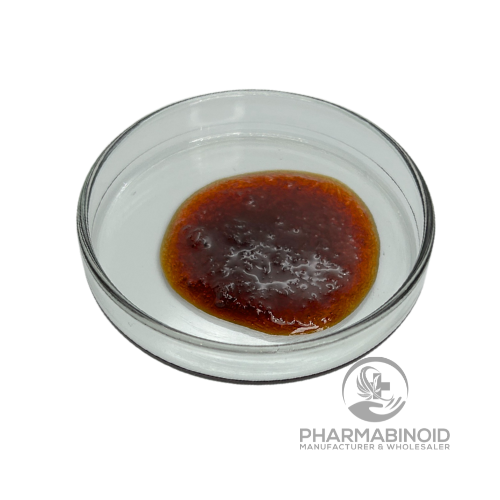
Destylaty CBD hurtowo
Destylaty CBD hurtowo dla odbiorców europejskichPorównuj destylaty CBD do profesjonalnych formulacji, projektów...
Wpisy na blogu
Zobacz wszystko-
Destylat CBD a izolat CBD: najważniejsze różnic...
Destylat CBD a izolat CBD to przede wszystkim kwestia składu, docelowego poziomu czystości, zachowania w formulacji i strategii zgodności. Oba składniki są rafinowanymi, pozyskiwanymi z konopi składnikami CBD, ale nie...
Destylat CBD a izolat CBD: najważniejsze różnic...
Destylat CBD a izolat CBD to przede wszystkim kwestia składu, docelowego poziomu czystości, zachowania w formulacji i strategii zgodności. Oba składniki są rafinowanymi, pozyskiwanymi z konopi składnikami CBD, ale nie...
-
Destylat CBD a izolat CBD: różnice, zastosowani...
Destylat CBD a izolat CBD to ważne porównanie dla marek, technologów i nabywców pracujących ze składnikami pochodzącymi z konopi. Oba materiały mogą być bogate w kannabidiol, ale różnią się składem,...
Destylat CBD a izolat CBD: różnice, zastosowani...
Destylat CBD a izolat CBD to ważne porównanie dla marek, technologów i nabywców pracujących ze składnikami pochodzącymi z konopi. Oba materiały mogą być bogate w kannabidiol, ale różnią się składem,...
-
Destylat CBD a izolat CBD: najważniejsze różnic...
Destylat CBD a izolat CBD to częste porównanie wśród marek, technologów i nabywców pracujących ze składnikami pochodzącymi z konopi. Oba mogą być wysokiej jakości źródłami CBD, ale różnią się zachowaniem...
Destylat CBD a izolat CBD: najważniejsze różnic...
Destylat CBD a izolat CBD to częste porównanie wśród marek, technologów i nabywców pracujących ze składnikami pochodzącymi z konopi. Oba mogą być wysokiej jakości źródłami CBD, ale różnią się zachowaniem...