What is Delta-8-Tetrahydrocannabivarin? D8-THCV Explained
What is Delta-8-Tetrahydrocannabivarin? Delta-8-Tetrahydrocannabivarin, often shortened to Delta-8-THCV or D8-THCV, is a rare varin-type cannabinoid related to tetrahydrocannabivarin. It matters in the cannabinoid industry because it sits at the intersection of cannabinoid chemistry, analytical testing, specialty formulation, and emerging research into minor hemp-derived compounds.
Definition of Delta-8-Tetrahydrocannabivarin
Delta-8-Tetrahydrocannabivarin is a structural isomer of THCV with a double bond positioned at the eighth carbon in the cyclohexene ring, rather than the ninth position found in Delta-9-THCV. In simple terms, the tetrahydrocannabivarin definition refers to a THC-like “varin” cannabinoid with a shorter three-carbon side chain instead of the five-carbon side chain found in THC.
What Is Delta-8-Tetrahydrocannabivarin?
Delta-8-Tetrahydrocannabivarin is part of the broader family of phytocannabinoids and cannabinoid derivatives associated with Cannabis sativa L. It is chemically close to Delta-9-THCV, but the location of one double bond changes its molecular shape and may influence how it interacts with cannabinoid receptors and other biological targets. Because research on D8-THCV remains limited, it should be described carefully as an emerging cannabinoid rather than a well-characterised ingredient with established outcomes.
For businesses and formulators, D8-THCV explained in practical terms means a specialty cannabinoid that requires careful identity confirmation, purity testing, and regulatory review before use in any commercial context. It is typically discussed alongside other minor cannabinoids because it is not usually present in high concentrations in standard hemp biomass. This makes production, isolation, and analytical verification especially important.
Scientific Background of Delta-8-Tetrahydrocannabivarin
Delta-8-THCV belongs to the “varin” subgroup of cannabinoids. Varin cannabinoids are distinguished by a propyl side chain, which is shorter than the pentyl side chain found in cannabinoids such as Delta-9-THC. This structural difference is scientifically relevant because side-chain length can influence receptor affinity, formulation behaviour, and analytical separation during laboratory testing.
The “Delta-8” part of the name refers to the position of the double bond in the molecule. In cannabinoid chemistry, small structural changes can lead to meaningful differences in stability, receptor interaction, chromatography behaviour, and impurity profile. However, it is important not to overstate what is known. Most published cannabinoid research has focused on major cannabinoids such as CBD, THC, and CBG, while THCV and especially Delta-8-THCV have a smaller evidence base. Researchers continue to investigate varin cannabinoids, but human data for D8-THCV remains very limited.
From a production perspective, Delta-8-THCV requires robust process control. Manufacturers must pay attention to cannabinoid profile, residual solvents, reaction by-products where conversion chemistry is used, and batch-to-batch consistency. A reliable certificate of analysis should confirm identity, assay, purity, and relevant contaminant screening. Broader cannabinoid research resources are available through cannabinoid research, while product-specific information can be reviewed on Pharmabinoid’s D8-THCV Tetrahydrocannabivarin page.
Key Characteristics of Delta-8-Tetrahydrocannabivarin
- Varin-type structure: D8-THCV has a three-carbon side chain, placing it in the varin cannabinoid class and distinguishing it from standard THC-type cannabinoids with five-carbon side chains.
- Delta-8 double bond position: Its double bond is located at the eighth carbon position, which differentiates it from Delta-9-THCV and can affect molecular behaviour during analysis and formulation.
- Rare cannabinoid status: Delta-8-THCV is not commonly found at high natural abundance, so specialised production and precise analytical confirmation are often required.
- Analytical complexity: Because cannabinoids can have closely related isomers, laboratories typically use validated methods such as HPLC or GC-based techniques to distinguish D8-THCV from similar compounds.
- Limited research base: THCV has been discussed in cannabinoid research, but specific data on Delta-8-THCV is still developing. Any claims about biological effects should remain cautious and evidence-led.
Uses and Industry Applications
Delta-8-Tetrahydrocannabivarin is primarily relevant to cannabinoid research, ingredient development, analytical reference work, and advanced formulation projects. It may be of interest to companies exploring differentiated cannabinoid profiles, especially where minor cannabinoids are being studied for their chemical, sensory, or formulation characteristics. However, its use must always be evaluated against applicable regulations, safety requirements, and product category restrictions in the intended market.
In formulation, D8-THCV may require attention to solubility, carrier compatibility, oxidation stability, and concentration accuracy. Like many lipophilic cannabinoids, it is often considered in oil-based systems, emulsions, or other delivery formats where bioavailability and ingredient dispersion need to be carefully controlled. Terpene profile may also matter in finished formulations, not because terpenes guarantee specific outcomes, but because they can influence aroma, sensory profile, volatility, and overall product design.
For manufacturers, analytical testing is central. A complete certificate of analysis should ideally include cannabinoid potency, identity confirmation, residual solvent screening, heavy metals, pesticides where relevant, microbiological testing, and impurity assessment. Because D8-THCV is structurally close to other cannabinoids, a basic potency result may not be enough; method specificity matters. Additional research-oriented context is available on D8-THCV isolate research and studies.
Related Cannabinoids, Terpenes, or Terms
Delta-8-THCV is most closely related to Delta-9-THCV, THCV-type cannabinoids, and other minor cannabinoids that require advanced analytical separation. It is also relevant to discussions about cannabinoid isomerisation, cannabinoid receptor pharmacology, hemp-derived ingredient manufacturing, purity testing, and certificates of analysis. For comparison, Delta-9-THCV research is often reviewed separately because the double-bond position differs and the available scientific literature is not identical.
Terpenes are not cannabinoids, but they are often considered alongside cannabinoids in formulation work. Compounds such as beta-caryophyllene, limonene, myrcene, pinene, and linalool may contribute to aroma and product character. Any formulation combining cannabinoids and terpenes should be evaluated for stability, sensory balance, and compliance with the intended product format.
FAQ About Delta-8-Tetrahydrocannabivarin
What is D8-THCV?
D8-THCV is the abbreviated name for Delta-8-Tetrahydrocannabivarin. It is a rare varin-type cannabinoid structurally related to THCV, with a Delta-8 double bond position and a three-carbon side chain.
How is Delta-8-THCV different from Delta-9-THCV?
The main difference is the location of the double bond in the molecule. Delta-8-THCV has the double bond at the eighth carbon position, while Delta-9-THCV has it at the ninth. This small structural change can influence analytical behaviour and may affect biological interaction, although research on Delta-8-THCV remains limited.
Is Delta-8-Tetrahydrocannabivarin the same as THC?
No. Delta-8-Tetrahydrocannabivarin is related to THC-type cannabinoids, but it is not the same molecule. It has a shorter propyl side chain and belongs to the varin cannabinoid group. Its properties should not be assumed to match those of Delta-9-THC.
Why is analytical testing important for D8-THCV?
Testing is important because D8-THCV is structurally similar to other cannabinoids and may appear alongside related isomers or production by-products. Reliable laboratory analysis helps confirm identity, cannabinoid profile, purity, and compliance with quality specifications.
Is there much scientific research on Delta-8-THCV?
Research specifically focused on Delta-8-THCV is still limited. Broader THCV research exists, and scientific literature can be explored through resources such as PubMed, but findings should not be automatically generalised to Delta-8-THCV without supporting evidence.
Conclusion
What is Delta-8-Tetrahydrocannabivarin? It is a rare Delta-8 varin cannabinoid that is chemically related to THCV and important for advanced cannabinoid research, formulation development, and analytical testing. While interest in D8-THCV is growing, the compound should be approached with scientific caution, strong quality controls, verified certificates of analysis, and a clear understanding of regulatory responsibilities in the European cannabinoid market.
TryPharma
Bel ons of stuur ons een e-mail voor meer informatie
Gratis monster
Ontdek de voordelen van onze producten zelf door onze website te bezoeken om uw exclusieve TryPharma-code te verkrijgen. Wanneer u een bestelling plaatst met deze speciale code, verzekert u zich niet alleen van de producten die u wenst, maar voegen wij ook bij elke aankoop een gratis monster toe. Deze mogelijkheid stelt u in staat de kwaliteit van ons aanbod te ervaren voordat u zich vastlegt op de hoofdlevering. Ons doel is ervoor te zorgen dat u volledig tevreden bent met uw keuze, en dit proces biedt een risicovrije manier om ons uitgebreide assortiment producten te verkennen. Neem vandaag nog contact met ons op om te beginnen en zet de eerste stap naar een waardevolle ervaring met ons premiumaanbod.
Verzendverzekering
Wanneer u bij ons CBD-isolaten, oliën en andere producten in bulk koopt, is uw zending volledig door ons verzekerd zonder extra kosten voor u. Wij maken gebruik van gerenommeerde transportbedrijven zoals FedEx en UPS voor het vervoer, terwijl wij zelf de verzekeringsdekking beheren om elke zending van ons magazijn tot aan uw voordeur te beveiligen. Bij TryPharma zetten wij ons in om bedrijfsgroei te stimuleren door een risicovrije groothandelsservice aan te bieden. In het onwaarschijnlijke geval van een verzendprobleem garanderen wij een terugbetaling binnen vijf werkdagen vanaf de datum waarop het incident is bevestigd. Onze uitgebreide aanpak elimineert effectief 99,9% van alle mogelijke risico's die gepaard gaan met de verzending van CBD in bulk, zodat u volledig gerust kunt zijn.
30 dagen retour
Wij nodigen u uit om het gratis monster dat bij uw bestelling is inbegrepen te testen voordat u de hoofdzending opent. Als de kwaliteit niet aan uw verwachtingen voldoet, kunt u profiteren van ons retourbeleid van 30 dagen. Dit beleid staat u toe het product binnen 30 dagen te retourneren voor een volledige terugbetaling, waardoor uw volledige tevredenheid wordt gegarandeerd. Neem vandaag nog contact met ons op om ons uitzonderlijke assortiment producten te ontdekken en onze toegewijde klantenservice te ervaren.
Cannabinoïde-isolaten
-
CBD isolaat - Cannabidiol
Normale prijs From €24.99 to €369.99Normale prijsEenheidsprijs / per€0.00Aanbiedingsprijs €24.99 -
CBG - Cannabigerol
Normale prijs From €49.99 to €799.99Normale prijsEenheidsprijs / per€0.00Aanbiedingsprijs €49.99 -
CBN - Cannabinol
Normale prijs From €79.99 to €1,299.99Normale prijsEenheidsprijs / per€0.00Aanbiedingsprijs €79.99 -
CBC - Cannabichromeen
Normale prijs From €99.99 to €1,999.99Normale prijsEenheidsprijs / per€0.00Aanbiedingsprijs €99.99 -
CBDV - Cannabidivarine
Normale prijs From €13.99 to €3,149.99Normale prijsEenheidsprijs / per€0.00Aanbiedingsprijs €13.99 -
Cannabicitran isolaat - CBT
Normale prijs From €49.99 to €4,349.99Normale prijsEenheidsprijs / per€0.00Aanbiedingsprijs €49.99 -
Cannabidiolzuur - CBDA
Normale prijs From €49.99 to €1,499.99Normale prijsEenheidsprijs / per€0.00Aanbiedingsprijs €49.99 -
Cannabigerolzuur - CBGA
Normale prijs From €59.99 to €1,749.99Normale prijsEenheidsprijs / per€0.00Aanbiedingsprijs €59.99
Collecties
-
Psychoactieve extracten
Psychoactieve Extracten – Groothandelkopersgids Psychoactieve Extracten brengt specialistische cannabinoïdeformaten samen voor kopers...
-
CBD-cosmetica
CBD-cosmetica – Groothandel kopersgids CBD-cosmetica brengt CBD-cosmetische formats samen voor merken die...
-
CBD-destillaten
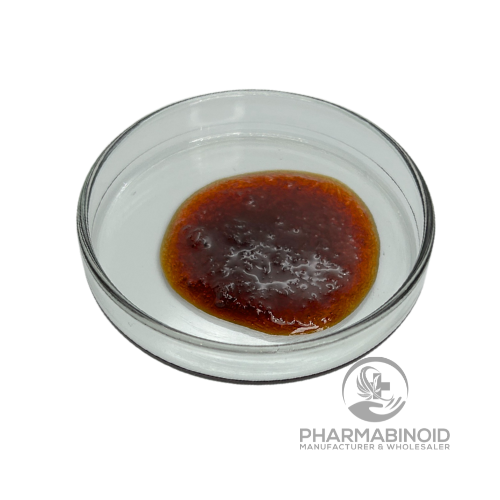
CBD-distillaten – Groothandelsgids voor inkopers CBD-distillaten brengt productopties samen voor professionele inkopers...
Blogberichten
Alles bekijken-
CBD Capsules Dosage: A Responsible Guide to Ser...
Understanding CBD Capsules Dosage starts with one simple point: capsules are pre-measured products, but the right serving size still depends on the formulation, cannabinoid content, user profile, and product quality....
CBD Capsules Dosage: A Responsible Guide to Ser...
Understanding CBD Capsules Dosage starts with one simple point: capsules are pre-measured products, but the right serving size still depends on the formulation, cannabinoid content, user profile, and product quality....
-
CBD Capsules Effects: Benefits, Timing, Quality...
CBD Capsules Effects are commonly searched by people who want a clear, practical explanation of what CBD capsules may feel like, how they work, and why the experience can differ...
CBD Capsules Effects: Benefits, Timing, Quality...
CBD Capsules Effects are commonly searched by people who want a clear, practical explanation of what CBD capsules may feel like, how they work, and why the experience can differ...
-
CBD Gummies vs CBD Oil: Key Differences, Benefi...
CBD Gummies vs CBD Oil is a practical comparison that comes down to formulation, absorption, consistency, ingredient quality, and personal preference. Both formats can contain the same cannabinoid, cannabidiol, but...
CBD Gummies vs CBD Oil: Key Differences, Benefi...
CBD Gummies vs CBD Oil is a practical comparison that comes down to formulation, absorption, consistency, ingredient quality, and personal preference. Both formats can contain the same cannabinoid, cannabidiol, but...