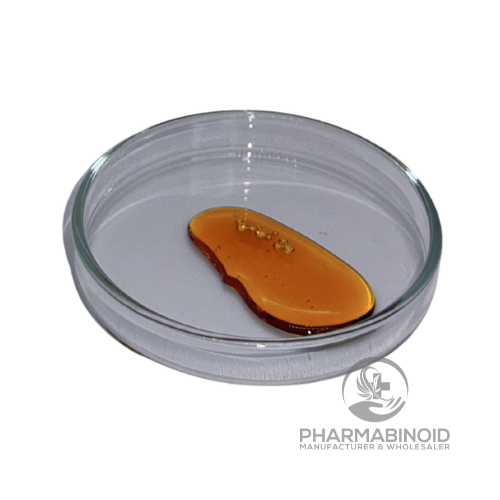
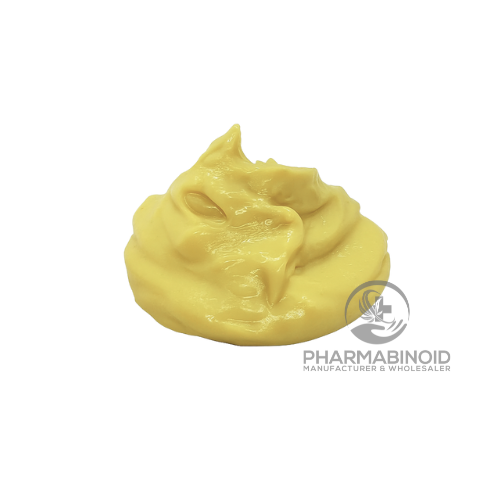
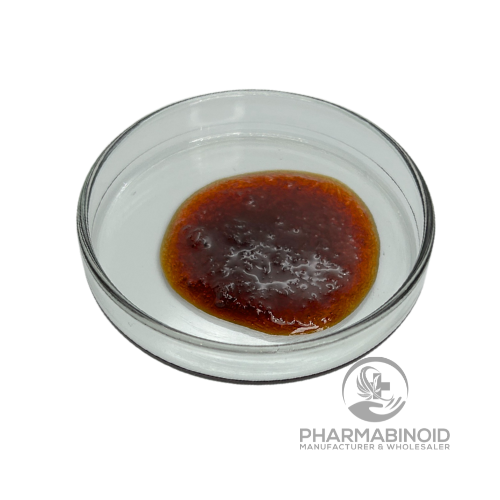
Wat is cannabinol? Cannabinol, meestal afgekort als CBN, is een minder belangrijke cannabinoïde die voorkomt in cannabis en hennep, en wordt het vaakst geassocieerd met de natuurlijke veroudering en oxidatie van THC-rijk plantaardig materiaal of extracten. Het is van belang in de cannabinoïde-industrie omdat CBN de interpretatie van cannabinoïdeprofielen, analytische testen, formuleringsbeslissingen en de kwaliteitscontrole van verouderde of verwerkte cannabisextracten beïnvloedt.
Definitie van cannabinol
De definitie van cannabinol is eenvoudig: cannabinol is een natuurlijk voorkomende cannabinoïde die voornamelijk ontstaat wanneer tetrahydrocannabinolverbindingen afbreken door blootstelling aan zuurstof, warmte of licht. In commerciële en onderzoeksomgevingen wordt CBN beschouwd als een minder belangrijke cannabinoïde omdat het gewoonlijk in lagere concentraties aanwezig is dan CBD, THC of andere primaire cannabinoïden.
Wat is cannabinol?
Eenvoudig uitgelegd is CBN: het wordt meestal niet in grote hoeveelheden geproduceerd door de verse cannabisplant. In plaats daarvan wordt het doorgaans in verband gebracht met chemische omzetting in de loop van de tijd. Wanneer THC of zijn zure voorloper wordt blootgesteld aan omgevingsfactoren zoals lucht, ultraviolet licht of langdurige opslag, kan het molecuul oxideren en geleidelijk CBN of zure voorlopers die verband houden met CBN vormen.
Dit maakt cannabinol een belangrijke marker bij kwaliteitsbeoordeling. Een verhoogd CBN-gehalte kan erop wijzen dat een grondstof, destillaat of eindformulering veroudering, oxidatie of slechte opslagomstandigheden heeft ondergaan. CBN wordt echter ook opzettelijk geïsoleerd en gebruikt als een gedefinieerd cannabinoïde-ingrediënt in onderzoek, productontwikkeling en specialistische formuleringen waarbij een specifiek profiel van minder belangrijke cannabinoïden vereist is.
In de Europese cannabinoïdesector moet CBN worden behandeld met zorgvuldige aandacht voor documentatie, productienormen en naleving die specifiek is voor de betreffende jurisdictie. Net als bij andere cannabinoïden vertrouwen verantwoordelijke fabrikanten op batchespecifieke analysecertificaten, gevalideerde analysemethoden en duidelijke specificaties voor zuiverheid, restoplosmiddelen, zware metalen, pesticiden en cannabinoïdegehalte.
Wetenschappelijke achtergrond van cannabinol
Cannabinol is chemisch verwant aan THC, maar verschilt in structuur en activiteit. De moleculaire structuur is sterker geoxideerd en gearomatiseerd dan die van THC, wat helpt verklaren waarom het vaak wordt geassocieerd met verouderd cannabismateriaal. In tegenstelling tot cannabinoïden die directer ontstaan uit cannabigerolzuur-routes, wordt CBN doorgaans beschouwd als een uit afbraak voortgekomen cannabinoïde in plaats van als een belangrijk biosynthetisch product van verse planten.
Vanuit farmacologisch perspectief is CBN onderzocht op zijn interactie met het endocannabinoïdesysteem, waaronder cannabinoïdereceptoren zoals CB1 en CB2. Beschikbaar onderzoek suggereert dat de receptoractiviteit ervan verschilt van die van THC en over het algemeen minder uitgesproken is, maar de wetenschappelijke literatuur blijft beperkt in vergelijking met CBD of THC. Discussies over CBN moeten daarom zorgvuldig worden gevoerd: veel populaire beweringen gaan verder dan wat het huidige bewijs bij mensen ondersteunt.
Analytische testing is bijzonder belangrijk voor CBN omdat de aanwezigheid ervan zowel op opzettelijke formulering als op onbedoelde afbraak kan wijzen. Laboratoria kwantificeren CBN doorgaans met chromatografische methoden zoals HPLC of op GC gebaseerde technieken, afhankelijk van het testdoel en het monstertype. HPLC heeft vaak de voorkeur voor het testen van cannabinoïdeprofielen omdat het zure en neutrale cannabinoïden kan onderscheiden zonder afhankelijk te zijn van door warmte geïnduceerde omzetting tijdens de analyse.
Voor een bredere onderzoekscontext rond cannabinoïden helpen wetenschappelijke overzichtsartikelen die door PubMed zijn geïndexeerd, zoals onderzoek naar cannabinoïde-farmacologie, te verklaren hoe cannabinoïden mogelijk met biologische systemen interageren, terwijl ze ook laten zien waarom claims die specifiek op cannabinoïden betrekking hebben sterke ondersteunende gegevens vereisen.
Belangrijkste kenmerken van cannabinol
-
Vorming door oxidatie: CBN ontstaat doorgaans wanneer THC-bevattend materiaal wordt blootgesteld aan zuurstof, licht, warmte of lange opslagperioden. Dit maakt het bruikbaar als indicator van de leeftijd van een extract, de opslagkwaliteit en de chemische stabiliteit.
-
Status als minderheids-cannabinoïde: In de meeste hennep- en cannabischemovars komt cannabinol in lage concentraties voor, tenzij het materiaal is verouderd of op een manier is verwerkt die oxidatie bevordert. Commerciële CBN-ingrediënten vereisen daarom gerichte extractie, zuivering of gecontroleerde productiemethoden.
-
Rol binnen een onderscheidend cannabinoïdeprofiel: CBN draagt bij aan het totale cannabinoïdeprofiel en moet nauwkeurig worden gemeten in ruwe extracten, distillaten, isolaten en eindformuleringen. Zelfs kleine procentuele verschillen kunnen van belang zijn voor specificatiecontrole en regelgevende documentatie.
-
Onderzoeksinteresse met beperkingen: CBN wordt besproken in cannabinoïdenonderzoek, maar bewijs bij mensen is nog steeds beperkt. Verantwoordelijke leveranciers vermijden het om CBN te presenteren als een behandeling of genezing en richten zich in plaats daarvan op analytische kwaliteit, formuleringsgedrag en wetenschappelijke transparantie.
-
Gevoeligheid van formuleringen: Omdat CBN verband houdt met oxidatiechemie, moeten formuleerders rekening houden met hulpstoffen, verpakking, blootstelling aan licht, zuurstof in de kopruimte en opslagomstandigheden bij de ontwikkeling van stabiele cannabinoïdeproducten.
Toepassingen en industriële toepassingen
In de cannabinoïde-industrie heeft cannabinol verschillende praktische toepassingen. Het wordt gebruikt in onderzoeksformuleringen, cannabinoïdereferentiewerk, productontwikkeling en als meetbare verbinding in analytische testen. Fabrikanten kunnen werken met CBN isolaat of CBN-rijke extracten wanneer zij een gedefinieerde invoer van een minderheids-cannabinoïde nodig hebben met een gecontroleerd cannabinoïdeprofiel.
CBN is ook relevant tijdens extractie en raffinage. Wanneer verwerkers ruwe extracten, distillaten of verouderde biomassa beoordelen, kan het CBN-gehalte informatie geven over oxidatie en historische opslagomstandigheden. Een hoge CBN-uitslag in een materiaal dat niet bedoeld was om dit te bevatten, kan wijzen op afgebroken THC-gerelateerde verbindingen, langdurige blootstelling aan lucht of overmatige warmte tijdens de verwerking.
Vanuit formuleringsperspectief kan CBN worden verwerkt in oliën, emulsies en andere cannabinoïdevormen waar dit volgens de toepasselijke regelgeving is toegestaan. Formuleerders moeten rekening houden met oplosbaarheid, compatibiliteit met draagstoffen, biologische beschikbaarheid, doelconcentratie, invloed op de smaak en langetermijnstabiliteit. Het terpeenprofiel kan ook van invloed zijn op het sensorische karakter van een formulering, hoewel terpenen niet mogen worden gebruikt om niet-onderbouwde gezondheidsuitkomsten te suggereren.
Voor commerciële kopers is kwaliteitsdocumentatie essentieel. Een betrouwbaar CBN-ingrediënt moet worden ondersteund door een analysecertificaat dat de cannabinoïdesterkte, zuiverheid, residuele oplosmiddelen, microbiologische status waar relevant en screening op verontreinigingen toont. Dit is vooral belangrijk voor Europese bedrijven die in verschillende regelgevende omgevingen en productcategorieën opereren.
Verwante cannabinoïden, terpenen of termen
Cannabinol is nauw verbonden met bredere cannabinoïdechemie en kwaliteitscontrole. Voor een specifieke CBN-productreferentie, zie CBN Cannabinol. Voor een breder, onderzoeksgericht overzicht, bezoek cannabinoïdenonderzoek. Pharmabinoid biedt ook verdere informatie over cannabinol CBN voor lezers die deze minder voorkomende cannabinoïde gedetailleerder willen verkennen.
Verwante termen zijn onder meer THC-afbraak, cannabinoïdeoxidatie, full-spectrumextracten, broad-spectrumextracten, cannabinoïde isolaat, analysecertificaat, HPLC-testen, terpeenprofiel, biologische beschikbaarheid en extractstabiliteit. Cannabinoïden zoals CBD, CBG, CBC, THC en CBN worden vaak door chemici en formuleerders vergeleken omdat elk op een andere manier bijdraagt aan het analytische profiel van een van cannabis of hennep afgeleid materiaal.
Veelgestelde vragen over cannabinol
Wat is cannabinol in eenvoudige bewoordingen?
Cannabinol, of CBN, is een minder voorkomende cannabinoïde die meestal ontstaat wanneer THC-gerelateerde verbindingen verouderen en oxideren. Het is belangrijk bij cannabinoïdetesten omdat het kan aantonen of plantaardig materiaal of extract in de loop van de tijd is veranderd.
Wat is CBN, en is het hetzelfde als CBD?
CBN en CBD zijn verschillende cannabinoïden. CBD is meestal in grotere hoeveelheden aanwezig in hennepvariëteiten, terwijl CBN doorgaans in lagere concentraties wordt aangetroffen en vaak wordt geassocieerd met oxidatie van THC-bevattend materiaal. Ze hebben verschillende chemische structuren, verschillende analytische profielen en verschillende formuleringsoverwegingen.
Waarom wordt CBN gemeten in laboratoriumtesten?
CBN wordt gemeten omdat het bijdraagt aan het totale cannabinoïdeprofiel en kan wijzen op veroudering, oxidatie of opzettelijke formulering. Nauwkeurige testen helpen fabrikanten specificaties te bevestigen, stabiliteit te beoordelen en transparante analysecertificaten te verstrekken.
Is cannabinol van nature aanwezig in hennep?
Ja, cannabinol kan aanwezig zijn in hennep, maar meestal slechts in kleine hoeveelheden. Hogere niveaus worden vaker in verband gebracht met verouderd of geoxideerd materiaal dan met vers plantaardig materiaal.
Kan CBN worden gebruikt in cannabinoïdeformuleringen?
CBN kan worden gebruikt als een gedefinieerd cannabinoïde-ingrediënt in formuleringswerk waar dit is toegestaan onder de toepasselijke regelgeving. Professionele formulering vereist aandacht voor zuiverheid, compatibiliteit van draagstoffen, stabiliteit, biologische beschikbaarheid, verpakking en batchespecifieke analytische documentatie.
Conclusie
Wat is cannabinol? Het is een minder voorkomende cannabinoïde, algemeen bekend als CBN, die sterk geassocieerd wordt met de oxidatie en veroudering van THC-gerelateerde verbindingen. Voor de cannabinoïde-industrie is CBN meer dan een glossariumterm: het is een nuttige marker in analytische testen, een specialistisch ingrediënt in de ontwikkeling van formuleringen en een belangrijk onderdeel van het begrijpen van cannabinoïdestabiliteit, zuiverheid en productkwaliteit. Naarmate het onderzoek doorgaat, is de meest verantwoorde benadering om CBN te bespreken met wetenschappelijke precisie, zorgvuldige aandacht voor naleving en transparante laboratoriumdocumentatie.