What is Cannabinol Acetate? CBNO Guide and Testing

What is Cannabinol Acetate? Cannabinol acetate, often referred to as Cannabinol-O-acetate or CBNO, is an acetylated derivative of cannabinol that is discussed in the cannabinoid industry for its distinct chemical structure, formulation behaviour, and analytical testing requirements. It matters because modified cannabinoids such as CBNO require careful identity confirmation, purity assessment, and compliance review before they are considered for any research or product-development context.

Definition of Cannabinol Acetate

Cannabinol acetate is a semi-synthetic cannabinoid derivative made by acetylating cannabinol, commonly known as CBN. In simple terms, the cannabinol acetate definition refers to CBN that has been chemically modified by adding an acetate group, producing a related but chemically distinct compound often abbreviated as CBNO.

What Is Cannabinol Acetate?

Cannabinol acetate is part of a broader group of cannabinoid acetates, where a naturally occurring or hemp-derived cannabinoid is chemically converted into an acetate ester. In this case, the starting cannabinoid is typically cannabinol, a mildly oxidised cannabinoid associated with the natural ageing or oxidation of THC-containing material. Through controlled laboratory chemistry, CBN can be converted into Cannabinol-O-acetate.

When people ask “what is CBNO” or look for “CBNO explained,” they are usually trying to understand whether it is the same as CBN. It is not identical. CBNO is structurally related to CBN, but the acetate group changes its molecular properties. This can influence factors such as solubility, formulation behaviour, stability, and how the molecule should be measured during analytical testing. However, research on CBNO remains limited compared with major cannabinoids such as CBD, THC, CBG, and CBN.

Because CBNO is not as extensively studied as naturally abundant cannabinoids, responsible manufacturers and formulators should avoid overstating its effects. Any discussion of potency, bioavailability, or pharmacological activity should be treated as preliminary unless supported by robust analytical data and peer-reviewed research.

Scientific Background of Cannabinol Acetate

The scientific background of cannabinol acetate begins with CBN. Cannabinol is a cannabinoid formed primarily through oxidative changes in other cannabinoids, especially THC under exposure to oxygen, light, or heat. CBN itself has been investigated in cannabinoid research, but it is still less characterised than CBD or THC.

Cannabinol acetate is produced by acetylation, a chemical process that introduces an acetyl group into the molecule. This type of modification can alter physical and chemical behaviour, but it also increases the importance of production control. Residual reagents, unwanted reaction by-products, solvent residues, and cannabinoid impurities must be carefully monitored. For this reason, reputable supply chains rely on validated analytical testing and batch-specific certificates of analysis.

From a pharmacology perspective, CBNO should not be assumed to behave exactly like CBN. Even small structural changes can influence how a compound interacts with cannabinoid receptors, enzymes, membranes, and formulation carriers. Early discussion around cannabinoid acetates often focuses on stability and perceived potency, but human data for CBNO is limited. In a professional setting, the most defensible approach is to describe CBNO as a chemically modified CBN derivative that requires compound-specific testing rather than relying on assumptions from CBN alone.

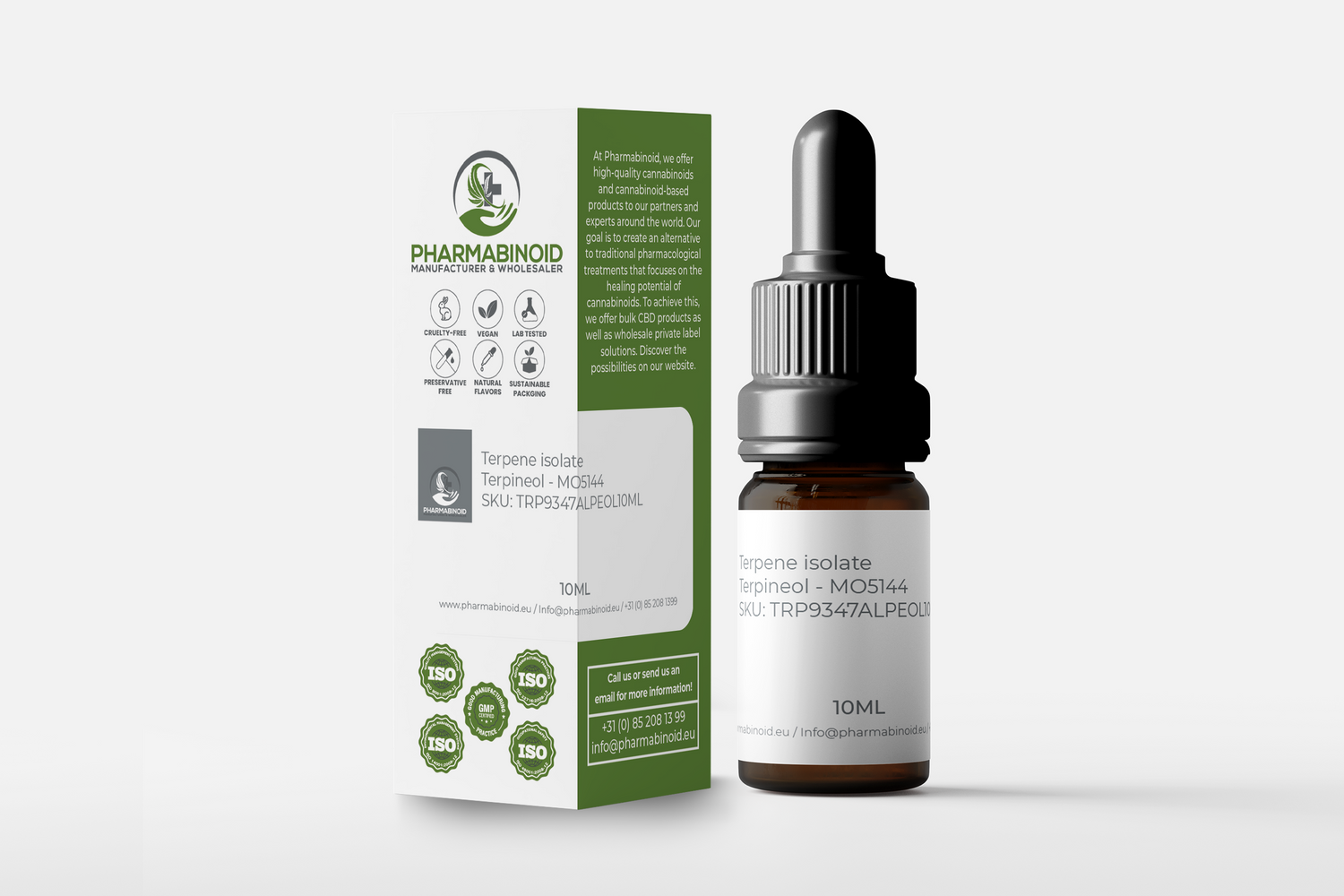
Terpenes are not part of the CBNO molecule itself, but they may be relevant in finished formulations where cannabinoid isolates or distillates are combined with terpene profiles for aroma, sensory direction, or product consistency. Terpene compatibility, oxidation sensitivity, and carrier selection are all important formulation considerations when working with specialty cannabinoids.

Key Characteristics of Cannabinol Acetate

  • Acetylated cannabinoid structure: Cannabinol acetate is derived from CBN through acetylation, making it chemically distinct from standard cannabinol even though the two are closely related.
  • Specialised analytical requirements: CBNO should be verified with appropriate laboratory methods such as HPLC, GC-MS, or other validated cannabinoid testing workflows, depending on the matrix and intended specification.
  • Formulation-sensitive behaviour: The acetate modification may influence solubility, stability, viscosity, and compatibility with carrier oils, terpene blends, emulsions, or other formulation systems.
  • Limited public research base: Compared with CBD, CBN, or THC, CBNO has a smaller body of published research, so conclusions about pharmacology should remain cautious and evidence-based.
  • Compliance-dependent relevance: Because cannabinoid regulations vary across European and international markets, CBNO requires careful legal and regulatory review before commercial development.

Uses and Industry Applications

In the cannabinoid industry, cannabinol acetate is mainly relevant for research, product development, and specialty formulation projects. It may be considered where formulators are evaluating minor or modified cannabinoids, but it should be handled with a higher level of technical scrutiny than mainstream ingredients.

For manufacturers, the main priorities are identity, purity, repeatability, and documentation. A reliable CBNO raw material should be supported by a certificate of analysis, cannabinoid profile, residual solvent data where relevant, and impurity screening. If the compound is produced through chemical conversion, documentation around manufacturing standards and process controls becomes especially important.

Formulators also need to consider how CBNO behaves in different delivery formats. Carrier oils, emulsifiers, terpene blends, heat exposure, packaging materials, and storage conditions may all affect finished product quality. Because bioavailability can vary significantly depending on formulation type, it should not be assumed from the ingredient name alone.

For research teams, CBNO may be useful as part of broader investigations into cannabinoid structure-activity relationships, cannabinoid stability, and analytical method development. Pharmabinoid provides industry-facing resources such as cannabinoid research information and cannabinoid ingredient options including Cannabinol-O Acetate Isolate CBNO for qualified professional contexts. Relevant product categories may also be reviewed through CBNO products.

Related Cannabinoids, Terpenes, or Terms

Cannabinol acetate is closely related to cannabinol, cannabinoid acetates, minor cannabinoids, cannabinoid isolates, and semi-synthetic cannabinoid derivatives. It can also be discussed alongside formulation terms such as carrier oil compatibility, terpene profile design, extraction refinement, distillation, crystallisation, and certificate of analysis review.

Related concepts include CBN, CBD, CBG, cannabinoid oxidation, acetylation, cannabinoid purity, residual solvent testing, HPLC cannabinoid analysis, and formulation stability. These terms help place CBNO in the wider context of cannabinoid manufacturing and quality control.

FAQ About Cannabinol Acetate

What is Cannabinol Acetate?

Cannabinol acetate is an acetylated derivative of cannabinol, also known as CBN. It is commonly referred to as Cannabinol-O-acetate or CBNO and is typically produced through controlled laboratory conversion rather than direct extraction from hemp in meaningful quantities.

What is CBNO?

CBNO is a common abbreviation for Cannabinol-O-acetate. CBNO explained simply: it is CBN with an added acetate group, creating a related but separate cannabinoid derivative with its own testing, formulation, and compliance considerations.

Is cannabinol acetate the same as CBN?

No. Cannabinol acetate is derived from CBN, but it is not the same compound. The acetate group changes the molecule’s structure, which means it should be analysed, specified, and evaluated separately from standard cannabinol.

How is cannabinol acetate tested?

CBNO is typically assessed using cannabinoid analytical methods such as HPLC or mass spectrometry-based techniques, depending on the laboratory method and sample type. Testing should confirm identity, purity, cannabinoid profile, and relevant contaminants or residual processing materials.

Is research on CBNO well established?

No. Publicly available research on CBNO is still limited compared with major cannabinoids. Any claims about potency, effects, or bioavailability should be treated cautiously unless supported by reliable analytical data and credible scientific evidence.

Conclusion

Cannabinol acetate is a specialised cannabinoid derivative that is best understood as acetylated CBN, or CBNO. Its relevance lies in cannabinoid research, advanced formulation work, analytical testing, and controlled ingredient development. Because research remains limited and regulations can vary by market, CBNO should be approached with strong quality controls, clear documentation, and careful compliance review. For anyone asking “What is Cannabinol Acetate?”, the most accurate answer is that it is a chemically distinct CBN derivative requiring expert handling, batch-specific testing, and evidence-based interpretation.

Gratis monster

Ontdek zelf de voordelen van onze producten door onze website te bezoeken om uw exclusieve TryPharma-code te verkrijgen. Wanneer u een bestelling plaatst met deze speciale code, ontvangt u niet alleen de door u gewenste producten, maar voegen wij ook bij elke aankoop een gratis monster toe. Deze mogelijkheid stelt u in staat de kwaliteit van ons aanbod te ervaren voordat u zich vastlegt op de hoofdlevering. Ons doel is ervoor te zorgen dat u volledig tevreden bent met uw keuze, en dit proces biedt een risicovrije manier om ons uitgebreide assortiment producten te ontdekken. Neem vandaag nog contact met ons op om te beginnen en zet de eerste stap naar een waardevolle ervaring met ons premium aanbod.

Verzendverzekering

Wanneer u bij ons bulk CBD-isolaten, oliën en andere producten koopt, is uw zending volledig door ons verzekerd zonder extra kosten voor u. Wij maken gebruik van gerenommeerde transportbedrijven zoals FedEx en UPS voor het vervoer, terwijl wij zelf de verzekeringsdekking beheren om elke zending van ons magazijn tot aan uw voordeur te beveiligen. Bij TryPharma zetten wij ons in voor bedrijfsgroei door een risicovrije groothandelsservice aan te bieden. In het onwaarschijnlijke geval van een verzendprobleem garanderen wij een terugbetaling binnen vijf werkdagen vanaf de datum waarop het incident is bevestigd. Onze uitgebreide aanpak elimineert effectief 99,9% van alle potentiële risico’s die gepaard gaan met bulkverzending van CBD, zodat u volledig gerust kunt zijn.

30 dagen retour

Wij nodigen u uit om het gratis monster dat bij uw bestelling is inbegrepen te testen voordat u de hoofdzending opent. Als de kwaliteit niet aan uw verwachtingen voldoet, kunt u gebruikmaken van ons retourbeleid van 30 dagen. Dit beleid staat u toe het product binnen 30 dagen terug te sturen voor een volledige terugbetaling, zodat uw volledige tevredenheid gegarandeerd is. Neem vandaag nog contact met ons op om ons uitzonderlijke assortiment producten te ontdekken en onze toegewijde klantenservice te ervaren.