What is Cannabigerol? CBG Uses, Science and Testing
What is Cannabigerol?
What is Cannabigerol? Cannabigerol, commonly shortened to CBG, is a naturally occurring cannabinoid found in hemp and cannabis. It matters in the cannabinoid industry because it is closely linked to the plant’s biosynthetic pathway, product formulation, analytical testing, and the development of purified cannabinoid ingredients for research and manufacturing.
Definition of Cannabigerol
A practical cannabigerol definition is: CBG is a non-intoxicating cannabinoid that forms from cannabigerolic acid, or CBGA, after decarboxylation. CBGA is often described as a precursor molecule because several major cannabinoid acids, including THCA and CBDA, are produced from it in the plant.
What Is Cannabigerol?
CBG explained simply: it is one of the many phytocannabinoids produced by Cannabis sativa L., but it is usually present in lower natural concentrations than CBD or THC in mature plant material. For this reason, CBG is often considered a minor cannabinoid in finished biomass, even though its acidic precursor, CBGA, plays a central role earlier in the plant’s development.
In hemp production, CBG content depends on genetics, harvest timing, cultivation conditions, and post-harvest processing. Some cultivars are specifically bred to express higher levels of CBGA or CBG, making commercial extraction more practical. In refined ingredient production, CBG may be offered as distillate, isolate, oil dilution, or as part of a broader cannabinoid profile.
Unlike THC, CBG is not generally associated with intoxication. However, “non-intoxicating” should not be confused with “inactive.” Cannabinoids can interact with biological systems in complex ways, and CBG continues to be investigated in laboratory and preclinical research. Current scientific understanding remains developing, and responsible suppliers should avoid overstating findings or presenting early-stage research as proven outcomes.
Scientific Background of Cannabigerol
Cannabigerol originates from cannabigerolic acid. In the living plant, CBGA acts as a substrate for enzymes that convert it into other acidic cannabinoids such as CBDA, THCA, and CBCA. When CBGA is exposed to heat, time, or controlled processing conditions, it can lose a carboxyl group in a process called decarboxylation, forming neutral CBG.
From a chemistry perspective, CBG is structurally different from CBD and THC, even though all three are produced through related biosynthetic routes. These structural differences influence how each cannabinoid behaves during extraction, purification, formulation, and analytical testing. For example, CBG isolate requires careful control of solvent removal, crystallisation or purification conditions, residual solvent limits, and final potency verification.
CBG has been discussed in cannabinoid pharmacology because it may interact with several receptor systems and molecular targets. Research has explored its relationship with cannabinoid receptors, transient receptor potential channels, and other pathways. Much of this work is still early-stage, and findings from cell or animal models cannot be assumed to translate directly to humans. For a broader scientific overview, readers can review published literature through PubMed’s cannabigerol research database.
In manufacturing, CBG also raises important quality-control questions. A reliable CBG ingredient should be supported by a certificate of analysis showing cannabinoid potency, cannabinoid profile, residual solvents where relevant, heavy metals, pesticides, microbiological quality, and other applicable parameters. These checks are especially important for European B2B buyers working with formulation, private label production, and regulated supply chains.
Key Characteristics of Cannabigerol
- Non-intoxicating cannabinoid: CBG is generally described as non-intoxicating, meaning it is not typically associated with the characteristic intoxicating effects linked to delta-9 THC. This distinction is important for ingredient positioning and compliance review.
- Linked to CBGA biosynthesis: CBG is closely connected to CBGA, the acidic precursor involved in the formation of several other cannabinoids. This is why CBG is often discussed in the context of plant genetics, harvest timing, and cannabinoid pathway development.
- Usually present at lower concentrations: In many mature hemp varieties, natural CBG levels are relatively low compared with CBD. High-CBG cultivars and refined extraction processes are therefore important for commercial-scale production.
- Formulation-sensitive: CBG may be incorporated into oils, emulsions, blends, or isolate-based formulations. Solubility, carrier selection, cannabinoid concentration, and stability testing all influence the quality of the finished ingredient.
- Requires analytical verification: Because CBG products may differ significantly in purity and cannabinoid profile, third-party or qualified laboratory testing is essential for confirming identity, potency, contaminants, and batch consistency.
Uses and Industry Applications
In the cannabinoid industry, CBG is used primarily as a specialist ingredient for research, formulation development, and B2B product manufacturing. Depending on the required specification, suppliers may provide CBG as a high-purity isolate, a cannabinoid-rich extract, or a carrier-oil dilution for easier handling during formulation.
For product developers, CBG is often considered when designing broad-spectrum cannabinoid profiles, minor cannabinoid blends, or formulations where CBD is not the only active botanical marker of interest. It may also be used in R&D work to compare cannabinoid stability, sensory profile, solubility, and compatibility with terpenes or carrier oils.
Extraction and purification are especially relevant. Industrial CBG production may involve ethanol extraction, hydrocarbon extraction, supercritical CO2 extraction, or other controlled methods, followed by winterisation, decarboxylation, distillation, chromatography, or crystallisation depending on the target purity. Each stage can influence the final cannabinoid profile, terpene retention, impurity profile, and production cost.
Analytical testing is central to responsible CBG supply. A professional CBG ingredient should be accompanied by batch-specific documentation, including a certificate of analysis. Buyers should check whether the stated CBG percentage matches the analytical result and whether THC and other controlled cannabinoid levels are suitable for the intended market and compliance framework.
Related Cannabinoids, Terpenes, or Terms
CBG is closely related to CBGA, CBD, CBC, THC, and other cannabinoids formed through the plant’s biosynthetic network. In product development, it is also relevant to terpene profiling, decarboxylation, extraction method selection, distillation, isolate production, and certificate of analysis review.
For related Pharmabinoid resources, see CBG Cannabigerol, CBG isolate oil, and the company’s broader cannabinoid research information.
FAQ About Cannabigerol
What is Cannabigerol in simple terms?
Cannabigerol is a naturally occurring cannabinoid found in hemp and cannabis. It is commonly called CBG and is produced from CBGA after decarboxylation. In the industry, it is valued for its role in cannabinoid biosynthesis, purified ingredient production, and formulation development.
What is CBG, and is it the same as cannabigerol?
Yes. CBG is the abbreviation for cannabigerol. When people ask “what is CBG,” they are usually referring to the same neutral cannabinoid molecule. CBGA, however, is different: it is the acidic precursor that can convert into CBG or contribute to the formation of other cannabinoid acids in the plant.
Is Cannabigerol the same as CBD?
No. CBG and CBD are separate cannabinoids with different chemical structures, production pathways, and formulation characteristics. Both are generally described as non-intoxicating cannabinoids, but they should not be treated as interchangeable ingredients without reviewing purity, analytical data, stability, and intended application.
Why is CBG often more expensive than CBD?
CBG can be more expensive because many hemp varieties contain only small amounts of it at maturity. Producing commercial quantities may require high-CBG genetics, careful harvest timing, larger biomass volumes, or additional purification steps. Final price also depends on purity, testing requirements, and production scale.
What should buyers check when sourcing CBG?
Professional buyers should review the certificate of analysis, CBG potency, full cannabinoid profile, THC compliance, residual solvents, pesticides, heavy metals, microbiology, and batch traceability. Formulation requirements such as carrier oil, concentration, solubility, and stability should also be considered before purchasing.
Conclusion
What is Cannabigerol? It is a non-intoxicating cannabinoid, better known as CBG, with an important role in the chemistry, cultivation, extraction, and formulation of hemp-derived ingredients. While CBG is often discussed in cannabinoid research, current evidence should be interpreted carefully and without medical claims. For manufacturers, formulators, and researchers, the real value of CBG lies in verified purity, a transparent cannabinoid profile, reliable analytical testing, and responsible use within compliant product development.
TryPharma
Bel ons of stuur ons een e-mail voor meer informatie
Gratis monster
Ontdek zelf de voordelen van onze producten door onze website te bezoeken om uw exclusieve TryPharma-code te verkrijgen. Wanneer u een bestelling plaatst met deze speciale code, verzekert u zich niet alleen van de gewenste producten, maar voegen wij ook een gratis monster toe aan elke aankoop. Deze mogelijkheid stelt u in staat de kwaliteit van ons aanbod te ervaren voordat u zich vastlegt op de hoofdlevering. Ons doel is ervoor te zorgen dat u volledig tevreden bent met uw keuze, en dit proces biedt een risicovrije manier om ons uitgebreide productassortiment te verkennen. Neem vandaag nog contact met ons op om te beginnen en de eerste stap te zetten naar een lonende ervaring met ons premiumaanbod.
Verzendverzekering
Wanneer u CBD-isolaten, oliën en andere producten in bulk bij ons koopt, is uw zending volledig door ons verzekerd zonder extra kosten voor u. Wij maken gebruik van gerenommeerde vervoerders zoals FedEx en UPS voor het transport, terwijl wij zelf de verzekeringsdekking beheren om elke zending van ons magazijn tot aan uw voordeur te beveiligen. Bij TryPharma zetten wij ons in voor het stimuleren van bedrijfsgroei door een risicovrije groothandelsservice aan te bieden. In het onwaarschijnlijke geval van een verzendprobleem garanderen wij een terugbetaling binnen vijf werkdagen vanaf de datum waarop het incident is bevestigd. Onze uitgebreide aanpak elimineert effectief 99,9% van alle potentiële risico’s die gepaard gaan met bulkverzending van CBD, zodat u volledig gerust kunt zijn.
30 dagen retourneren
Wij nodigen u uit om het gratis monster dat bij uw bestelling is inbegrepen te testen voordat u de hoofdlevering opent. Als de kwaliteit niet aan uw verwachtingen voldoet, kunt u gebruikmaken van ons retourbeleid van 30 dagen. Dit beleid stelt u in staat het product binnen 30 dagen te retourneren voor een volledige terugbetaling, waardoor uw volledige tevredenheid wordt gegarandeerd. Neem vandaag nog contact met ons op om ons uitzonderlijke productassortiment te ontdekken en onze toegewijde klantenservice te ervaren.
Cannabinoïde-isolaten
-
CBD isolaat - Cannabidiol
Normale prijs From €24.99 to €369.99Normale prijsEenheidsprijs / per€0.00Aanbiedingsprijs €24.99 -
CBG - Cannabigerol
Normale prijs From €49.99 to €799.99Normale prijsEenheidsprijs / per€0.00Aanbiedingsprijs €49.99 -
CBN - Cannabinol
Normale prijs From €79.99 to €1,299.99Normale prijsEenheidsprijs / per€0.00Aanbiedingsprijs €79.99 -
CBC - Cannabichromeen
Normale prijs From €99.99 to €1,999.99Normale prijsEenheidsprijs / per€0.00Aanbiedingsprijs €99.99 -
CBDV - Cannabidivarine
Normale prijs From €13.99 to €3,149.99Normale prijsEenheidsprijs / per€0.00Aanbiedingsprijs €13.99 -
Cannabicitran isolaat - CBT
Normale prijs From €49.99 to €4,349.99Normale prijsEenheidsprijs / per€0.00Aanbiedingsprijs €49.99 -
Cannabidiolzuur - CBDA
Normale prijs From €49.99 to €1,499.99Normale prijsEenheidsprijs / per€0.00Aanbiedingsprijs €49.99 -
Cannabigerolzuur - CBGA
Normale prijs From €59.99 to €1,749.99Normale prijsEenheidsprijs / per€0.00Aanbiedingsprijs €59.99
Collecties
-
Psychoactieve extracten
Psychoactieve Extracten – Groothandelkopersgids Psychoactieve Extracten brengt specialistische cannabinoïdeformaten samen voor kopers...
-
CBD-cosmetica
CBD-cosmetica – Groothandel kopersgids CBD-cosmetica brengt CBD-cosmetische formats samen voor merken die...
-
CBD-destillaten
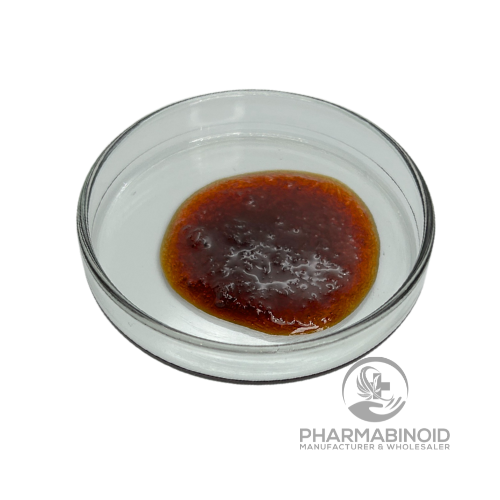
CBD-distillaten – Groothandelsgids voor inkopers CBD-distillaten brengt productopties samen voor professionele inkopers...
Blogberichten
Alles bekijken-
Water Soluble Cannabinoids for Drinks: Formulat...
Water Soluble Cannabinoids for Drinks are designed to solve one of the biggest technical challenges in beverage development: cannabinoids are naturally lipophilic, meaning they do not mix easily with water....
Water Soluble Cannabinoids for Drinks: Formulat...
Water Soluble Cannabinoids for Drinks are designed to solve one of the biggest technical challenges in beverage development: cannabinoids are naturally lipophilic, meaning they do not mix easily with water....
-
Water Soluble CBD vs CBD Oil: Key Differences f...
Water Soluble CBD vs CBD Oil is a common comparison for formulators, brands, and buyers who want to understand how CBD behaves in different product formats. The main difference is...
Water Soluble CBD vs CBD Oil: Key Differences f...
Water Soluble CBD vs CBD Oil is a common comparison for formulators, brands, and buyers who want to understand how CBD behaves in different product formats. The main difference is...
-
Water Soluble CBD Effects: Bioavailability, Ben...
Water Soluble CBD effects are best understood through formulation science rather than marketing hype. CBD itself remains a lipophilic cannabinoid, meaning it naturally prefers oils and fats over water. A...
Water Soluble CBD Effects: Bioavailability, Ben...
Water Soluble CBD effects are best understood through formulation science rather than marketing hype. CBD itself remains a lipophilic cannabinoid, meaning it naturally prefers oils and fats over water. A...