Risks of Linalool
Risks of Linalool: Oxidation, Sensitization and Responsible Evaluation
Risks of linalool are best understood in context: the compound itself, its oxidation state, the formulation, the route and level of exposure, and the person exposed all matter. Linalool is a widely encountered aromatic terpene, but its presence in a formula should not be treated as proof of either harm or safety. One important research topic is the formation of linalool hydroperoxides when linalool is exposed to air. These oxidation products have been associated with allergic contact sensitization in dermatology testing. This is a focused safety overview, not a diagnosis or an individual medical assessment.
What is linalool?
Linalool is an oxygen-containing monoterpene alcohol found in many plants and used as an aroma ingredient in a range of product categories. Its familiar floral character is not a safety specification. Commercial material can differ by source, isomer composition, purity, accompanying constituents and storage history. For background on identity and sourcing, see What is linalool?
Why oxidation matters
When linalool is exposed to oxygen over time, it can undergo autoxidation and form oxidation products, including hydroperoxides. This transformation means that an aged or poorly protected material may not have the same chemical profile as freshly produced material. Oxidation is influenced by conditions such as oxygen availability, light, heat, container closure, headspace and time; the extent cannot be inferred from the ingredient name alone.
Clinical patch-testing studies have reported positive reactions to oxidized linalool hydroperoxides among people referred for evaluation of dermatitis. Such findings are relevant to allergen assessment, but they should be interpreted carefully: patch-test populations are selected clinical groups, and a positive test does not automatically establish that a particular product caused symptoms in everyday use. One study of consecutive dermatitis patients reported contact allergy findings for oxidized linalool; consult the peer-reviewed patch-testing report for its design and limits.
Possible sensitization and exposure context
Allergic contact sensitization is different from ordinary irritation and from a generalized claim that linalool is dangerous. A sensitized person may react to relevant exposure, while other people may not. Risk assessment should therefore consider the finished product category, concentration, application site, frequency, exposure duration, population, co-ingredients and applicable ingredient-labeling or safety requirements. A screening result is evidence to consider, not a stand-alone prediction for every consumer or every formulation.
This page does not provide medical advice. Anyone with a suspected fragrance allergy or skin reaction should seek advice from a qualified healthcare professional. Businesses should avoid interpreting this overview as a substitute for a product-specific toxicological assessment or applicable regulatory review.
Storage and formulation controls
For manufacturers and ingredient buyers, sensible controls focus on preventing avoidable degradation and documenting the material. Follow the supplier’s specification and safety data, use suitable tightly closed containers, limit unnecessary exposure to air, heat and light, and observe stated storage conditions and shelf life. Do not assume that refrigeration or an antioxidant is appropriate without checking material compatibility and supplier guidance.
- Record supplier, batch, receipt date and storage conditions.
- Review available identity, purity and stability information, and request clarification where the specification is incomplete.
- Use fit-for-purpose packaging that limits unwanted exposure during storage and handling.
- Assess the intended finished formula, including relevant allergen, exposure and product-category requirements.
- Set a documented review process for aged, opened, or out-of-specification material rather than relying on aroma alone.
These are quality-management considerations, not a guarantee that oxidation is absent. Where the risk assessment requires it, use appropriate analytical methods and qualified expertise to evaluate the actual batch and finished product.
What the evidence does not establish
Research on oxidized linalool supports attention to sensitization potential, but it does not mean every linalool-containing product causes allergy. Test outcomes depend on study populations, test preparations, diagnostic methods and clinical relevance. Nor can observations about oxidized hydroperoxides be directly generalized to every source, concentration, route or use pattern. Product-specific exposure assessment remains necessary.
Likewise, broad claims that linalool is universally safe, universally harmful, or produces a health benefit are not justified by the evidence summarized here. Separate chemical identity, hazard identification, exposure assessment and final risk characterization instead of collapsing them into one claim.
Questions about linalool risks
Does fresh linalool already contain hydroperoxides?
The amount, if any, depends on the material and its history. Exposure to oxygen can promote oxidation, so use batch documentation and appropriate testing rather than assuming a fixed profile.
Does a positive patch test mean every linalool product will cause a reaction?
No. A patch-test result needs clinical context, and actual relevance depends on exposure and the product. A healthcare professional can interpret individual results.
How can a business reduce avoidable quality concerns?
Specify the material, protect it according to supplier instructions, track opened and stored batches, and complete a product-specific safety and compliance review before launch.
Related resources
For broader context, read Linalool studies, explore the terpenes collection, or review what cannabis terpenes are. The scientific discussion above is educational and does not replace professional advice or regulatory assessment.
Conclusion
The most relevant risk discussion for linalool concerns oxidation products and the possibility of contact sensitization in susceptible individuals. Those findings call for responsible storage, batch awareness and product-specific assessment—not blanket conclusions. For any commercial formulation, evaluate the actual material, exposure conditions and destination-market requirements, and communicate only claims supported by the evidence.
TryPharma
Bel ons of stuur ons een e-mail voor meer informatie
Gratis monster
Ontdek zelf de voordelen van onze producten door onze website te bezoeken om uw exclusieve code TryPharma te verkrijgen. Wanneer u een bestelling plaatst met deze speciale code, verzekert u zich niet alleen van de producten die u wenst, maar voegen wij ook een gratis monster toe aan elke aankoop. Deze mogelijkheid stelt u in staat de kwaliteit van ons aanbod te ervaren voordat u zich verbindt aan de hoofdlevering. Ons doel is ervoor te zorgen dat u volledig tevreden bent met uw keuze, en dit proces biedt een risicovrije manier om ons uitgebreide assortiment producten te verkennen. Neem vandaag nog contact met ons op om te beginnen en zet de eerste stap naar een lonende ervaring met ons premium aanbod.

Verzendverzekering
Wanneer u bij ons bulk-CBD-isolaten, oliën en andere producten koopt, is uw zending volledig door ons verzekerd zonder extra kosten voor u. Wij maken gebruik van gerenommeerde verzendbedrijven zoals FedEx en UPS voor het transport, terwijl wij zelf de verzekeringsdekking beheren om elke zending van ons magazijn tot aan uw voordeur te beveiligen. Bij TryPharma zetten wij ons in voor bedrijfsgroei door een risicovrije groothandelsservice aan te bieden. In het onwaarschijnlijke geval van een verzendprobleem garanderen wij een terugbetaling binnen vijf werkdagen vanaf de datum waarop het incident is bevestigd. Onze uitgebreide aanpak elimineert effectief 99,9% van alle potentiële risico's die gepaard gaan met bulk-CBD-verzending, zodat u volledig gerust kunt zijn.

30 dagen retour
Wij nodigen u uit om het gratis monster dat bij uw bestelling is inbegrepen te testen voordat u de hoofdlevering opent. Als de kwaliteit niet aan uw verwachtingen voldoet, kunt u gebruikmaken van ons retourbeleid van 30 dagen. Dit beleid staat u toe het product binnen 30 dagen te retourneren voor een volledige terugbetaling, waarmee uw volledige tevredenheid wordt gegarandeerd. Neem vandaag nog contact met ons op om ons uitzonderlijke assortiment producten te ontdekken en onze toegewijde klantenservice te ervaren.
Cannabinoïde-isolaten
-
CBD isolaat - Cannabidiol
Normale prijs From €24.99 to €369.99Normale prijsEenheidsprijs / per€0.00Aanbiedingsprijs €24.99 -
CBG - Cannabigerol
Normale prijs From €49.99 to €799.99Normale prijsEenheidsprijs / per€0.00Aanbiedingsprijs €49.99 -
CBN - Cannabinol
Normale prijs From €79.99 to €1,299.99Normale prijsEenheidsprijs / per€0.00Aanbiedingsprijs €79.99 -
CBC – Cannabichromeen
Normale prijs From €99.99 to €1,999.99Normale prijsEenheidsprijs / per€0.00Aanbiedingsprijs €99.99 -
CBDV – Cannabidivarine
Normale prijs From €13.99 to €3,149.99Normale prijsEenheidsprijs / per€0.00Aanbiedingsprijs €13.99 -
Cannabicitran isolaat - CBT
Normale prijs From €49.99 to €4,349.99Normale prijsEenheidsprijs / per€0.00Aanbiedingsprijs €49.99 -
CBDA-isolaat – Cannabidiolzuur
Normale prijs From €49.99 to €1,499.99Normale prijsEenheidsprijs / per€0.00Aanbiedingsprijs €49.99 -
Cannabigerolzuur - CBGA
Normale prijs From €59.99 to €1,749.99Normale prijsEenheidsprijs / per€0.00Aanbiedingsprijs €59.99
Collecties
-
PPB – Psychoactieve mengsels voor professionele inkopers
PPB-psychoactieve mengsels voor professionele inkopersOntdek de PPB-collectie van Pharmabinoid voor professionele productontwikkeling,...
-
CBD-cosmetica
CBD-cosmetica: groothandelsgids voor inkopersDeze commerciële collectie is bedoeld voor merken, producenten en...
-
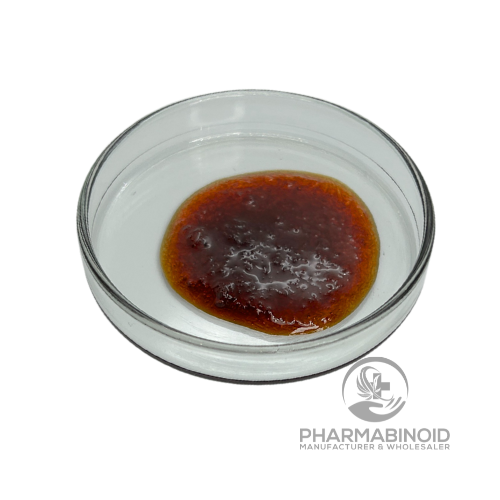
CBD-distillaten groothandel
CBD-distillaten groothandel voor Europese inkopersVergelijk CBD-distillaten voor professionele formuleringen, private-labelprojecten en eindproducten....
Blogberichten
Alles bekijken-
Risico’s van myrceen: wat het veiligheidsonderz...
Een evenwichtige bespreking van het veiligheidsonderzoek naar myrceen, waaronder toxicologie bij dieren, blootstellingsroutes, beperkingen van humane gegevens en praktische aandachtspunten bij het hanteren van geconcentreerde stoffen.
Risico’s van myrceen: wat het veiligheidsonderz...
Een evenwichtige bespreking van het veiligheidsonderzoek naar myrceen, waaronder toxicologie bij dieren, blootstellingsroutes, beperkingen van humane gegevens en praktische aandachtspunten bij het hanteren van geconcentreerde stoffen.
-
CBD-distillaat versus CBD-isolaat: belangrijkst...
CBD-distillaat versus CBD-isolaat draait vooral om samenstelling, het beoogde zuiverheidsniveau, gedrag tijdens de formulering en de nalevingsstrategie. Beide zijn geraffineerde, van hennep afkomstige CBD-ingrediënten, maar ze zijn niet onderling uitwisselbaar....
-
CBD-distillaat versus CBD-isolaat: verschillen,...
CBD-distillaat versus CBD-isolaat is een belangrijke vergelijking voor merken, formulatoren en inkopers die met van hennep afkomstige ingrediënten werken. Beide materialen kunnen rijk zijn aan cannabidiol, maar verschillen in samenstelling,...
CBD-distillaat versus CBD-isolaat: verschillen,...
CBD-distillaat versus CBD-isolaat is een belangrijke vergelijking voor merken, formulatoren en inkopers die met van hennep afkomstige ingrediënten werken. Beide materialen kunnen rijk zijn aan cannabidiol, maar verschillen in samenstelling,...