
Risks of CBD Edibles

Gratis monster
Ontdek zelf de voordelen van onze producten door onze website te bezoeken om uw exclusieve code TryPharma te verkrijgen. Wanneer u een bestelling plaatst met deze speciale code, verzekert u zich niet alleen van de producten die u wenst, maar voegen wij ook een gratis monster toe aan elke aankoop. Deze mogelijkheid stelt u in staat de kwaliteit van ons aanbod te ervaren voordat u zich verbindt aan de hoofdlevering. Ons doel is ervoor te zorgen dat u volledig tevreden bent met uw keuze, en dit proces biedt een risicovrije manier om ons uitgebreide assortiment producten te verkennen. Neem vandaag nog contact met ons op om te beginnen en zet de eerste stap naar een lonende ervaring met ons premium aanbod.

Verzendverzekering
Wanneer u bij ons bulk-CBD-isolaten, oliën en andere producten koopt, is uw zending volledig door ons verzekerd zonder extra kosten voor u. Wij maken gebruik van gerenommeerde verzendbedrijven zoals FedEx en UPS voor het transport, terwijl wij zelf de verzekeringsdekking beheren om elke zending van ons magazijn tot aan uw voordeur te beveiligen. Bij TryPharma zetten wij ons in voor bedrijfsgroei door een risicovrije groothandelsservice aan te bieden. In het onwaarschijnlijke geval van een verzendprobleem garanderen wij een terugbetaling binnen vijf werkdagen vanaf de datum waarop het incident is bevestigd. Onze uitgebreide aanpak elimineert effectief 99,9% van alle potentiële risico's die gepaard gaan met bulk-CBD-verzending, zodat u volledig gerust kunt zijn.

30 dagen retour
Wij nodigen u uit om het gratis monster dat bij uw bestelling is inbegrepen te testen voordat u de hoofdlevering opent. Als de kwaliteit niet aan uw verwachtingen voldoet, kunt u gebruikmaken van ons retourbeleid van 30 dagen. Dit beleid staat u toe het product binnen 30 dagen te retourneren voor een volledige terugbetaling, waarmee uw volledige tevredenheid wordt gegarandeerd. Neem vandaag nog contact met ons op om ons uitzonderlijke assortiment producten te ontdekken en onze toegewijde klantenservice te ervaren.
Cannabinoïde-isolaten
-
CBD Isolate - Cannabidiol
Normale prijs From €24.99 to €369.99Normale prijsEenheidsprijs per€0.00Aanbiedingsprijs €24.99 -
CBG - Cannabigerol
Normale prijs From €49.99 to €799.99Normale prijsEenheidsprijs per€0.00Aanbiedingsprijs €49.99 -
CBN - Cannabinol
Normale prijs From €79.99 to €1,299.99Normale prijsEenheidsprijs per€0.00Aanbiedingsprijs €79.99 -
CBC – Cannabichromeen
Normale prijs From €99.99 to €1,999.99Normale prijsEenheidsprijs per€0.00Aanbiedingsprijs €99.99 -
CBDV – Cannabidivarine
Normale prijs From €13.99 to €3,149.99Normale prijsEenheidsprijs per€0.00Aanbiedingsprijs €13.99 -
Cannabicitran isolaat - CBT
Normale prijs From €49.99 to €4,349.99Normale prijsEenheidsprijs per€0.00Aanbiedingsprijs €49.99 -
CBDA-isolaat – Cannabidiolzuur
Normale prijs From €49.99 to €1,499.99Normale prijsEenheidsprijs per€0.00Aanbiedingsprijs €49.99 -
Cannabigerolzuur - CBGA
Normale prijs From €59.99 to €1,749.99Normale prijsEenheidsprijs per€0.00Aanbiedingsprijs €59.99


Collecties
-

PPB – Psychoactieve mengsels voor professionele inkopers
PPB-psychoactieve mengsels voor professionele inkopersOntdek de PPB-collectie van Pharmabinoid voor professionele productontwikkeling,...
-
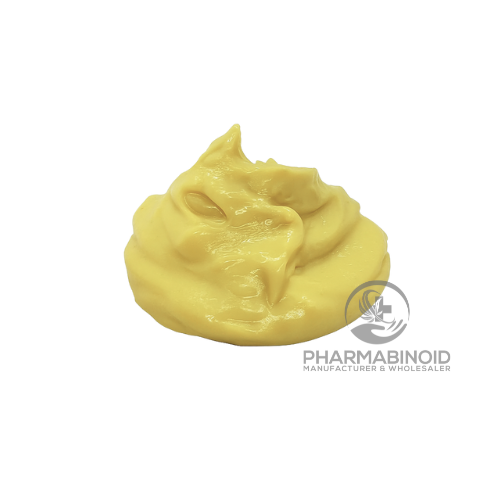
CBD-cosmetica
CBD-cosmetica: groothandelsgids voor inkopersDeze commerciële collectie is bedoeld voor merken, producenten en...
-
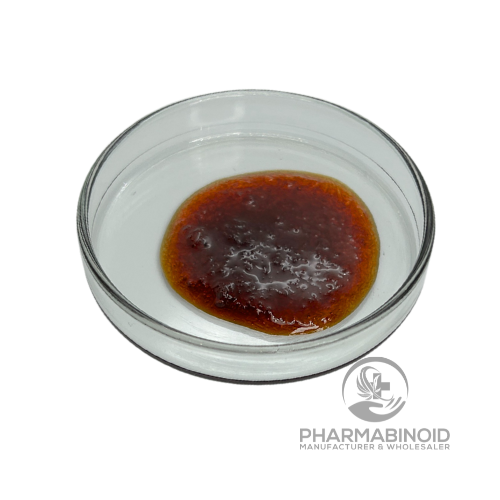
CBD-distillaten groothandel
CBD-distillaten groothandel voor Europese inkopersVergelijk CBD-distillaten voor professionele formuleringen, private-labelprojecten en eindproducten....


Blogberichten
Alles bekijken-

CBGA-dosering: wat onderzoek en productgegevens...
Lees waarom er geen gevalideerde CBGA-dosering voor mensen bestaat, hoe blootstelling in onderzoek verschilt van persoonlijke dosering en welke analytische en productfactoren van belang zijn.
CBGA-dosering: wat onderzoek en productgegevens...
Lees waarom er geen gevalideerde CBGA-dosering voor mensen bestaat, hoe blootstelling in onderzoek verschilt van persoonlijke dosering en welke analytische en productfactoren van belang zijn.
-

Risico’s van CBGA: veiligheid, bijwerkingen en ...
Een voorzichtige beoordeling van wat wel en niet bekend is over de risico’s van CBGA, mogelijke bijwerkingen, gegevens over interacties en een verantwoorde beoordeling van productkwaliteit.
Risico’s van CBGA: veiligheid, bijwerkingen en ...
Een voorzichtige beoordeling van wat wel en niet bekend is over de risico’s van CBGA, mogelijke bijwerkingen, gegevens over interacties en een verantwoorde beoordeling van productkwaliteit.
-

CBGA vs. CBG: de belangrijkste verschillen uitg...
CBGA en CBG zijn verwante maar verschillende cannabinoïden. Lees meer over de verschillen in hun chemische vorm, biosynthetische rol, verwerking, analytische tests en wetenschappelijke onderbouwing.
CBGA vs. CBG: de belangrijkste verschillen uitg...
CBGA en CBG zijn verwante maar verschillende cannabinoïden. Lees meer over de verschillen in hun chemische vorm, biosynthetische rol, verwerking, analytische tests en wetenschappelijke onderbouwing.


