What is Cannabinol Acetate? CBNO Uses, Testing and Compliance
Cannabinol acetate is an acetylated derivative of cannabinol, usually abbreviated as CBNO or CBN-O acetate. In the cannabinoid industry, it matters because it sits at the intersection of cannabinoid chemistry, semi-synthetic manufacturing, formulation development, and analytical quality control.
Definition of Cannabinol Acetate
Cannabinol acetate, also known as cannabinol-O-acetate or CBNO, is a semi-synthetic cannabinoid produced by acetylating cannabinol (CBN). In simple terms, the cannabinol acetate definition refers to a modified form of CBN in which an acetate group has been added to the molecule.
What Is Cannabinol Acetate?
What is Cannabinol Acetate? It is not typically considered a naturally abundant cannabinoid in the cannabis or hemp plant. Instead, it is generally produced in a controlled laboratory setting from cannabinol, a minor cannabinoid associated with the oxidation and aging of THC-containing plant material.
When people ask “what is CBNO” or look for “CBNO explained,” they are usually asking how this compound differs from conventional CBN. The key difference is chemical modification. By adding an acetate group to CBN, manufacturers create a cannabinoid with different physicochemical properties, which may influence stability, formulation behaviour, and how the compound is processed in analytical testing.
Because CBNO is a modified cannabinoid, it should be evaluated carefully from a compliance, safety, and quality-control perspective. Research on cannabinol acetate remains limited compared with better-studied cannabinoids such as CBD, THC, and CBN. For that reason, responsible suppliers typically focus on verified identity, purity, residual solvent control, impurity screening, and batch-specific certificates of analysis rather than making unsupported claims about effects.
Scientific Background of Cannabinol Acetate
Cannabinol acetate belongs to a group of cannabinoid acetates. These compounds are produced by esterification or acetylation, where an acetate functional group is introduced into the cannabinoid structure. Similar chemistry is discussed in relation to other cannabinoid acetates, but each compound has its own legal, analytical, and formulation considerations.
CBN itself is a mildly psychoactive minor cannabinoid that has been investigated in cannabinoid research for its receptor interactions and potential pharmacological relevance. Cannabinol acetate is structurally related to CBN, but the acetate modification means it cannot simply be treated as identical to CBN. Small structural changes can affect solubility, stability, receptor interaction, metabolism, and bioavailability. However, public scientific data specific to CBNO remains limited, so any interpretation should be cautious.
From a manufacturing perspective, cannabinol acetate requires controlled input materials, qualified reaction conditions, purification, and validated analytical methods. Important quality parameters include cannabinoid profile, assay value, residual solvents, heavy metals, pesticides, microbial contaminants where relevant, and unknown impurity profiling. For B2B cannabinoid buyers, the certificate of analysis is particularly important because it confirms whether the supplied material matches the declared identity and specification.
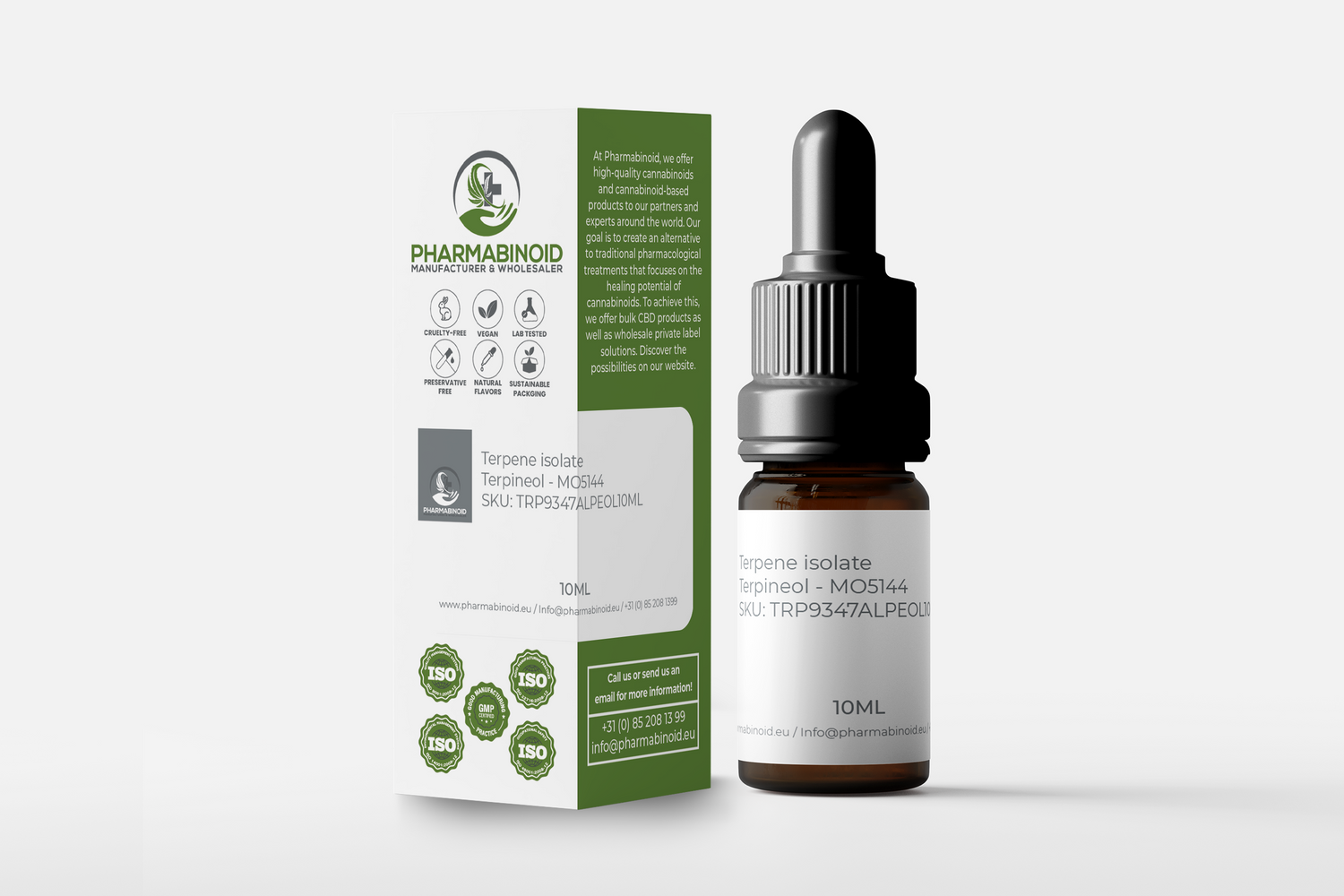
Terpenes are not part of the cannabinol acetate molecule itself, but they may be relevant in finished formulations. If CBNO is used in a complex cannabinoid blend, the terpene profile can influence aroma, sensory profile, viscosity, and product positioning. Terpenes should also be tested for purity and contaminants when used in professional formulations.
Key Characteristics of Cannabinol Acetate
- Semi-synthetic origin: Cannabinol acetate is commonly produced from CBN through acetylation rather than extracted directly from hemp in meaningful natural concentrations.
- Modified cannabinoid structure: The acetate group changes the chemical profile of CBN, which may affect formulation behaviour, stability, and analytical detection.
- Limited public research: Compared with CBD or THC, CBNO has far less peer-reviewed data. Claims about potency, effects, or applications should therefore be treated with caution.
- Requires advanced testing: Identity confirmation is especially important for cannabinoid acetates. Reliable testing may involve HPLC, GC methods used appropriately, reference standards, and impurity screening.
- Compliance-sensitive category: Cannabinoid acetates may be treated differently across jurisdictions. European buyers should verify local regulatory requirements before sourcing, formulating, or distributing CBNO-containing materials.
Uses and Industry Applications
Cannabinol acetate is mainly relevant in specialist cannabinoid manufacturing, R&D, analytical method development, and formulation research. It may be supplied as an isolate or high-purity ingredient for professional use, depending on market rules and buyer requirements.
In formulation work, CBNO may be assessed for compatibility with carrier oils, distillates, terpene blends, emulsions, or other cannabinoid inputs. Formulators need to consider solubility, viscosity, heat exposure, oxidation, packaging compatibility, and shelf-life. Because cannabinoid acetates can have distinct stability and degradation profiles, accelerated stability testing and real-time stability studies are valuable before commercialisation.
For laboratories, cannabinol acetate presents analytical challenges. A robust method must distinguish CBNO from CBN, THC-related compounds, other minor cannabinoids, and possible reaction by-products. Certificates of analysis should clearly state the testing method, assay result, impurity profile where available, and batch number. For professional buyers, documentation is not a formality; it is central to responsible cannabinoid sourcing.
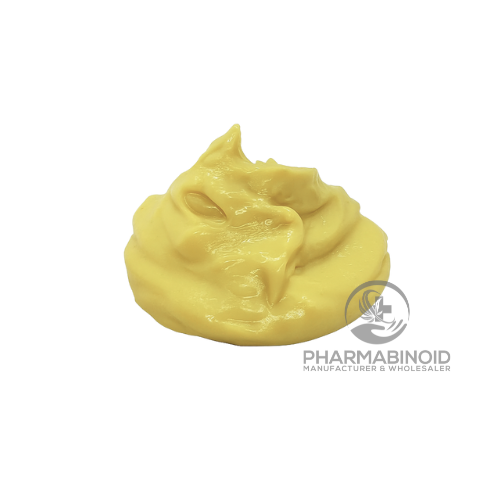
Pharmabinoid supplies specialist cannabinoid ingredients for professional markets, including Cannabinol-O Acetate Isolate (CBNO). Buyers should always review the product specification, certificate of analysis, intended use, and applicable regulations before placing CBNO into a formulation or supply chain.
Related Cannabinoids, Terpenes, or Terms
Cannabinol acetate is closely related to cannabinol, commonly known as CBN, because CBN is the parent cannabinoid used to produce CBNO. It is also conceptually related to other acetylated cannabinoids, where an acetate group is added to alter the molecule’s chemical profile.
Relevant terms include cannabinoid isolate, cannabinoid profile, acetylation, semi-synthetic cannabinoid, certificate of analysis, residual solvent testing, HPLC analysis, terpene profile, formulation stability, and bioavailability. In a professional cannabinoid supply chain, these terms are connected because the value of a cannabinoid ingredient depends not only on its name, but also on its purity, documentation, consistency, and regulatory suitability.
For broader scientific context, research databases such as PubMed are useful for reviewing peer-reviewed cannabinoid literature. Regulatory resources from European authorities, such as the European Medicines Agency, may also help businesses understand the wider regulatory environment around cannabinoid-related substances, although product-specific legal assessment should be performed separately.
FAQ About Cannabinol Acetate
What is CBNO?
CBNO is the common abbreviation for cannabinol-O-acetate, also called cannabinol acetate. It is a modified form of cannabinol produced by adding an acetate group to the CBN molecule.
Is cannabinol acetate the same as CBN?
No. Cannabinol acetate is derived from CBN, but it is not the same compound. The acetate modification changes the molecule, which means CBNO should be assessed separately for identity, purity, formulation behaviour, and compliance.
Is cannabinol acetate naturally found in hemp?
Cannabinol acetate is generally treated as a semi-synthetic cannabinoid rather than a naturally abundant hemp constituent. It is typically produced in a laboratory from cannabinol under controlled manufacturing conditions.
Why is analytical testing important for CBNO?
Analytical testing confirms that the material is actually cannabinol acetate and checks important quality parameters such as assay, residual solvents, impurities, and contaminants. For B2B buyers, a batch-specific certificate of analysis is essential.
Can cannabinol acetate be used in consumer products?
That depends on the jurisdiction, product category, formulation, and applicable regulations. Businesses should obtain qualified regulatory guidance before placing CBNO into consumer-facing products, especially in the European market.
Conclusion
What is Cannabinol Acetate? In practical industry terms, it is a semi-synthetic acetylated derivative of CBN known as CBNO. It is important for cannabinoid manufacturers, formulators, and laboratories because it requires careful handling, strong analytical verification, and a clear understanding of regulatory responsibilities. As research remains limited, the most responsible approach is to focus on chemistry, purity, documentation, and compliant formulation rather than unsupported claims.
TryPharma
Zvaniet mums vai nosūtiet mums e-pastu, lai iegūtu vairāk informācijas
Bezmaksas paraugs
Atklājiet mūsu produktu priekšrocības paši, apmeklējot mūsu tīmekļa vietni, lai iegūtu savu ekskluzīvo TryPharma kodu. Veicot pasūtījumu, izmantojot šo īpašo kodu, jūs ne tikai nodrošināsiet sev vēlamos produktus, bet mēs arī pievienosim bezmaksas paraugu katram pirkumam. Šī iespēja ļauj jums iepazīt mūsu piedāvājumu kvalitāti, pirms apņematies saņemt galveno sūtījumu. Mūsu mērķis ir nodrošināt, lai jūs būtu pilnībā apmierināts ar savu izvēli, un šis process sniedz bezriska veidu, kā izpētīt mūsu plašo produktu klāstu. Sazinieties ar mums jau šodien, lai sāktu un spertu pirmo soli pretī vērtīgai pieredzei ar mūsu augstākās kvalitātes piedāvājumiem.
Piegādes apdrošināšana
Kad iegādājaties no mums CBD izolātus vairumā, eļļas un citus produktus, jūsu sūtījums ir pilnībā apdrošināts no mūsu puses bez jebkādām papildu izmaksām jums. Mēs pārvadāšanai izmantojam uzticamus piegādes uzņēmumus, piemēram, FedEx un UPS, vienlaikus paši nodrošinot apdrošināšanas segumu, lai aizsargātu katru sūtījumu no mūsu noliktavas līdz jūsu durvīm. Uzņēmumā TryPharma mēs esam apņēmušies veicināt biznesa izaugsmi, piedāvājot bezriska vairumtirdzniecības pakalpojumu. Maz ticamā piegādes problēmas gadījumā mēs garantējam naudas atmaksu piecu darba dienu laikā no incidenta apstiprināšanas datuma. Mūsu visaptverošā pieeja efektīvi novērš 99,9% no visiem iespējamajiem riskiem, kas saistīti ar CBD vairumtirdzniecības piegādi, nodrošinot jums pilnīgu sirdsmieru.
30 dienu atgriešana
Aicinām jūs pārbaudīt bezmaksas paraugu, kas iekļauts jūsu pasūtījumā, pirms atverat galveno sūtījumu. Ja kvalitāte neatbilst jūsu gaidām, varat izmantot mūsu 30 dienu atgriešanas politiku. Šī politika ļauj jums atgriezt produktu 30 dienu laikā, lai saņemtu pilnu naudas atmaksu, garantējot jūsu pilnīgu apmierinātību. Sazinieties ar mums jau šodien, lai iepazītu mūsu izcilo produktu klāstu un izbaudītu mūsu atsaucīgo klientu apkalpošanu.
Kanabinoīdu izolāti
-
CBD izolāts – kanabidiols
Parastā cena From €24.99 to €369.99Parastā cenaVienības cena / per€0.00Pārdošanas cena €24.99 -
CBG — kanabigerols
Parastā cena From €49.99 to €799.99Parastā cenaVienības cena / per€0.00Pārdošanas cena €49.99 -
CBN — kanabinols
Parastā cena From €79.99 to €1,299.99Parastā cenaVienības cena / per€0.00Pārdošanas cena €79.99 -
CBC — kanabihromēns
Parastā cena From €99.99 to €1,999.99Parastā cenaVienības cena / per€0.00Pārdošanas cena €99.99 -
CBDV — kanabidivarīns
Parastā cena From €13.99 to €3,149.99Parastā cenaVienības cena / per€0.00Pārdošanas cena €13.99 -
Kanabicitrāna izolāts — CBT
Parastā cena From €49.99 to €4,349.99Parastā cenaVienības cena / per€0.00Pārdošanas cena €49.99 -
Kanabidiolskābe — CBDA
Parastā cena From €49.99 to €1,499.99Parastā cenaVienības cena / per€0.00Pārdošanas cena €49.99 -
Kanabigerolskābe - CBGA
Parastā cena From €59.99 to €1,749.99Parastā cenaVienības cena / per€0.00Pārdošanas cena €59.99
Kolekcijas
-
Psihoaktīvie ekstrakti
Psihoaktīvie ekstrakti – vairumtirdzniecības pircēja ceļvedis Psihoaktīvie ekstrakti apvieno specializētus kanabinoīdu formātus...
-
CBD kosmētika
CBD kosmētika – vairumpircēju ceļvedis CBD kosmētika apvieno CBD kosmētikas formātus zīmoliem, kas...
-
CBD destilāti
CBD destilāti – vairumpircēja ceļvedis CBD destilāti apvieno produktu iespējas profesionāliem pircējiem,...
Emuāra ieraksti
Apskati visus-
CBD Distillate vs CBD Isolate: Key Differences ...
CBD Distillate vs CBD Isolate is one of the most common comparisons for brands, formulators, and buyers working with hemp-derived ingredients. Both materials can be high-quality sources of cannabidiol, but...
CBD Distillate vs CBD Isolate: Key Differences ...
CBD Distillate vs CBD Isolate is one of the most common comparisons for brands, formulators, and buyers working with hemp-derived ingredients. Both materials can be high-quality sources of cannabidiol, but...
-
CBD Distillate Effects: What to Expect from a R...
CBD distillate effects are best understood as the combined result of a concentrated cannabinoid profile, low-to-non-detectable THC targets, formulation method, and product quality. Unlike raw hemp extract, CBD distillate is...
CBD Distillate Effects: What to Expect from a R...
CBD distillate effects are best understood as the combined result of a concentrated cannabinoid profile, low-to-non-detectable THC targets, formulation method, and product quality. Unlike raw hemp extract, CBD distillate is...
-
Private Label CBD Cosmetics: A Practical Guide ...
Private Label CBD Cosmetics are increasingly attractive for European beauty brands that want to enter the cannabinoid skincare category without building a full production, filling, testing, and packaging operation from...
Private Label CBD Cosmetics: A Practical Guide ...
Private Label CBD Cosmetics are increasingly attractive for European beauty brands that want to enter the cannabinoid skincare category without building a full production, filling, testing, and packaging operation from...