What is Cannabicitran? Rare CBT Cannabinoid Explained
Cannabicitran is a rare minor cannabinoid found in cannabis and hemp in very small concentrations. In the cannabinoid industry, it is usually discussed under the abbreviation CBT, although that abbreviation can also mean other things outside cannabis science. Interest in cannabicitran is growing because of its unusual chemistry, limited natural abundance, and potential relevance in cannabinoid formulation and analytical profiling.
What is Cannabicitran?
Definition of Cannabicitran
Cannabicitran, often abbreviated as CBT, is a naturally occurring minor cannabinoid identified in Cannabis sativa. A practical cannabicitran definition is: a rare, non-intoxicating cannabinoid that appears in trace amounts and remains far less studied than CBD, THC, CBG, or CBC.
What Is Cannabicitran?
What is Cannabicitran? In simple terms, cannabicitran is one of the many lesser-known cannabinoids that can occur in the cannabis plant’s chemical profile. Unlike major cannabinoids such as CBD or THC, CBT is not usually present at commercially meaningful levels in raw plant material. For this reason, it is mainly encountered in specialist cannabinoid research, analytical testing, and advanced formulation discussions rather than in mainstream hemp products.
CBT explained in an industry context is best understood as part of the broader group of minor cannabinoids. These compounds may appear only in trace concentrations, yet they are important because they help create a more complete picture of a plant extract’s cannabinoid profile. For manufacturers, formulators, and laboratories, identifying minor cannabinoids like cannabicitran can support better batch characterization, quality control, and formulation consistency.
Cannabicitran is generally described as non-intoxicating, meaning it is not known to produce the euphoric effects associated with delta-9 THC. However, research on CBT remains limited, and its pharmacology is not yet well defined. Responsible discussion should therefore avoid strong claims about biological effects, health outcomes, or consumer benefits.
Scientific Background of Cannabicitran
Cannabicitran has been reported in cannabis research for several decades, but it has not received the same scientific attention as major cannabinoids. Its molecular formula is commonly reported as C21H30O2, placing it within the same broad chemical space as several other phytocannabinoids. Because cannabinoids can share similar molecular formulas and related structural features, accurate identification requires appropriate analytical methods rather than assumption from plant type or extraction method alone.
From a biosynthetic perspective, cannabicitran is often discussed in relation to CBD-type chemistry and acidic cannabinoid precursors such as CBDA. However, the exact pathways and practical relevance of CBT formation are still less clearly documented than those of well-characterized cannabinoids like CBDA, THCA, CBGA, and CBCA.
For analytical laboratories, cannabicitran can be challenging because it occurs at low abundance and may appear alongside structurally related cannabinoids. High-performance liquid chromatography, mass spectrometry, validated reference standards, and carefully interpreted chromatograms are important when confirming its presence. A certificate of analysis should distinguish cannabinoids clearly and avoid over-reporting compounds that cannot be confidently identified.
Published research on cannabicitran is still limited compared with CBD or THC. Researchers and technical teams often rely on specialist cannabinoid chemistry literature, reference standards, and analytical databases. For scientific context, cannabinoid-related publications can be explored through authoritative databases such as PubMed.
Key Characteristics of Cannabicitran
- Rare natural occurrence: Cannabicitran is usually found only in trace amounts in cannabis and hemp, making it a minor cannabinoid rather than a primary extract target.
- Non-intoxicating profile: CBT is not known to cause THC-like intoxication, although its pharmacological profile remains insufficiently studied.
- Analytical relevance: Because it may appear in complex cannabinoid mixtures, cannabicitran can be relevant for advanced cannabinoid profiling and quality control.
- Formulation interest: Cannabicitran is sometimes discussed in relation to cannabinoid blend stability, especially where crystallization behaviour and minor cannabinoid balance matter.
- Research limitations: Compared with CBD, THC, CBG, or CBC, there is still limited published information about CBT’s biological activity, safety profile, and commercial applications.
Uses and Industry Applications
Cannabicitran is not typically used as a headline ingredient in standard hemp products. Its current relevance is more technical and research-oriented. In extraction and manufacturing, CBT may be considered when evaluating full-spectrum or broad-spectrum cannabinoid profiles, particularly where minor cannabinoids contribute to the identity of a botanical extract.
In formulation, cannabicitran has attracted attention because some rare cannabinoids behave differently from CBD isolate, which is known to crystallize under certain conditions. Product developers working with concentrated cannabinoid blends often need to consider solubility, carrier oils, viscosity, crystallization tendency, terpene compatibility, and long-term stability. CBT may be part of that discussion, although its practical role depends on purity, concentration, formulation type, and intended product category.
For research and development teams, cannabicitran is mainly relevant as a compound to be identified, quantified, and understood. If used as a raw material, important quality criteria include cannabinoid purity, residual solvent status, contaminant testing, THC compliance, batch traceability, and a clear certificate of analysis. In the European market, manufacturers must also consider applicable product-specific requirements, including rules for food, cosmetics, vape products, chemicals, and controlled substances. These requirements vary by jurisdiction and product category, so compliance review is essential.
Cannabicitran should not be positioned with unsupported wellness or medical claims. At present, the most accurate industry view is that CBT is an emerging minor cannabinoid of scientific and formulation interest, with research still at an early stage.
Related Cannabinoids, Terpenes, or Terms
Related terms include CBD, CBDA, THC, CBG, CBC, minor cannabinoids, cannabinoid isolate, broad-spectrum extract, full-spectrum extract, certificate of analysis, and cannabinoid profiling. Cannabicitran is especially relevant when discussing advanced cannabinoid analysis because it may appear alongside other low-abundance compounds that require careful laboratory confirmation.
Terpenes are not the same as cannabinoids, but they are often assessed together in hemp extracts because both influence the chemical character of a formulation. A complete technical specification may therefore include cannabinoid profile, terpene profile, purity data, residual solvents, heavy metals, pesticides, microbiology, and stability information.
FAQ About Cannabicitran
What is CBT in cannabinoids?
In cannabinoid terminology, CBT usually refers to cannabicitran, a rare minor cannabinoid found in cannabis in very small quantities. It should not be confused with other meanings of CBT outside the cannabinoid industry.
Is cannabicitran the same as CBD?
No. Cannabicitran and CBD are different cannabinoids with distinct chemical structures and different levels of scientific research. CBD is widely studied and commonly used in formulations, while cannabicitran remains a niche minor cannabinoid with limited published data.
Is cannabicitran intoxicating?
Cannabicitran is generally described as non-intoxicating and is not known to produce THC-like euphoric effects. However, research remains limited, so claims about its effects should be made cautiously and supported by reliable data.
Why is cannabicitran important for laboratories?
CBT can be important in advanced cannabinoid profiling because it may appear in complex extracts at trace levels. Correct identification helps laboratories and manufacturers produce more accurate certificates of analysis and better understand the full cannabinoid profile of a batch.
Can cannabicitran be used in formulations?
It may be considered in research or specialist cannabinoid formulations, but its use depends on availability, purity, regulatory status, stability, and the intended product category. Any formulation should be supported by analytical testing and compliance review.
Conclusion
Cannabicitran is a rare and still under-researched minor cannabinoid that adds depth to the understanding of cannabis chemistry. For anyone asking “What is Cannabicitran?”, the most accurate answer is that CBT is a naturally occurring, non-intoxicating cannabinoid mainly relevant to research, analytical testing, and advanced formulation work. Its future importance will depend on better scientific data, reliable reference standards, validated testing, and responsible product development.
TryPharma
Zvaniet mums vai nosūtiet mums e-pastu, lai iegūtu vairāk informācijas
Bezmaksas paraugs
Atklājiet mūsu produktu priekšrocības paši, apmeklējot mūsu tīmekļa vietni, lai iegūtu savu ekskluzīvo TryPharma kodu. Veicot pasūtījumu, izmantojot šo īpašo kodu, jūs ne tikai nodrošināsiet sev vēlamos produktus, bet mēs arī pievienosim bezmaksas paraugu katram pirkumam. Šī iespēja ļauj jums iepazīt mūsu piedāvājumu kvalitāti, pirms apņematies saņemt galveno sūtījumu. Mūsu mērķis ir nodrošināt, lai jūs būtu pilnībā apmierināts ar savu izvēli, un šis process sniedz bezriska veidu, kā izpētīt mūsu plašo produktu klāstu. Sazinieties ar mums jau šodien, lai sāktu un spertu pirmo soli pretī vērtīgai pieredzei ar mūsu augstākās kvalitātes piedāvājumiem.
Piegādes apdrošināšana
Kad iegādājaties no mums CBD izolātus vairumā, eļļas un citus produktus, jūsu sūtījums ir pilnībā apdrošināts no mūsu puses bez jebkādām papildu izmaksām jums. Mēs pārvadāšanai izmantojam uzticamus piegādes uzņēmumus, piemēram, FedEx un UPS, vienlaikus paši nodrošinot apdrošināšanas segumu, lai aizsargātu katru sūtījumu no mūsu noliktavas līdz jūsu durvīm. Uzņēmumā TryPharma mēs esam apņēmušies veicināt biznesa izaugsmi, piedāvājot bezriska vairumtirdzniecības pakalpojumu. Maz ticamā piegādes problēmas gadījumā mēs garantējam naudas atmaksu piecu darba dienu laikā no incidenta apstiprināšanas datuma. Mūsu visaptverošā pieeja efektīvi novērš 99,9% no visiem iespējamajiem riskiem, kas saistīti ar CBD vairumtirdzniecības piegādi, nodrošinot jums pilnīgu sirdsmieru.
30 dienu atgriešana
Aicinām jūs pārbaudīt bezmaksas paraugu, kas iekļauts jūsu pasūtījumā, pirms atverat galveno sūtījumu. Ja kvalitāte neatbilst jūsu gaidām, varat izmantot mūsu 30 dienu atgriešanas politiku. Šī politika ļauj jums atgriezt produktu 30 dienu laikā, lai saņemtu pilnu naudas atmaksu, garantējot jūsu pilnīgu apmierinātību. Sazinieties ar mums jau šodien, lai iepazītu mūsu izcilo produktu klāstu un izbaudītu mūsu atsaucīgo klientu apkalpošanu.
Kanabinoīdu izolāti
-
CBD izolāts – kanabidiols
Parastā cena From €24.99 to €369.99Parastā cenaVienības cena / per€0.00Pārdošanas cena €24.99 -
CBG — kanabigerols
Parastā cena From €49.99 to €799.99Parastā cenaVienības cena / per€0.00Pārdošanas cena €49.99 -
CBN — kanabinols
Parastā cena From €79.99 to €1,299.99Parastā cenaVienības cena / per€0.00Pārdošanas cena €79.99 -
CBC — kanabihromēns
Parastā cena From €99.99 to €1,999.99Parastā cenaVienības cena / per€0.00Pārdošanas cena €99.99 -
CBDV — kanabidivarīns
Parastā cena From €13.99 to €3,149.99Parastā cenaVienības cena / per€0.00Pārdošanas cena €13.99 -
Kanabicitrāna izolāts — CBT
Parastā cena From €49.99 to €4,349.99Parastā cenaVienības cena / per€0.00Pārdošanas cena €49.99 -
Kanabidiolskābe — CBDA
Parastā cena From €49.99 to €1,499.99Parastā cenaVienības cena / per€0.00Pārdošanas cena €49.99 -
Kanabigerolskābe - CBGA
Parastā cena From €59.99 to €1,749.99Parastā cenaVienības cena / per€0.00Pārdošanas cena €59.99
Kolekcijas
-
Psihoaktīvie ekstrakti
Psihoaktīvie ekstrakti – vairumtirdzniecības pircēja ceļvedis Psihoaktīvie ekstrakti apvieno specializētus kanabinoīdu formātus...
-
CBD kosmētika
CBD kosmētika – vairumpircēju ceļvedis CBD kosmētika apvieno CBD kosmētikas formātus zīmoliem, kas...
-
CBD destilāti
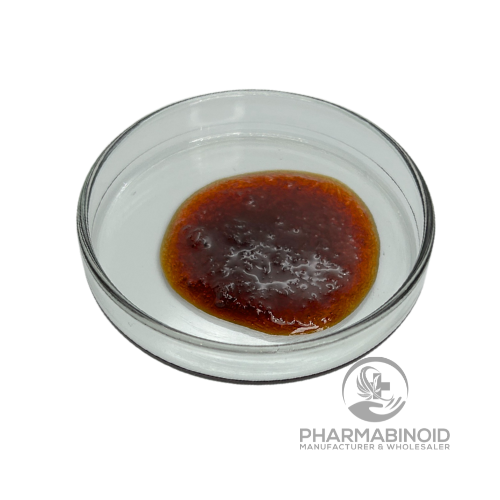
CBD destilāti – vairumpircēja ceļvedis CBD destilāti apvieno produktu iespējas profesionāliem pircējiem,...
Emuāra ieraksti
Apskati visus-
CBD Cosmetics Formulation: A Practical Guide fo...
CBD Cosmetics Formulation is not simply a matter of adding cannabidiol to a cream, serum, balm, or body oil. A reliable CBD cosmetic formulation requires the right raw material specification,...
CBD Cosmetics Formulation: A Practical Guide fo...
CBD Cosmetics Formulation is not simply a matter of adding cannabidiol to a cream, serum, balm, or body oil. A reliable CBD cosmetic formulation requires the right raw material specification,...
-
CBD Cosmetics Benefits: A Formulation-First Gui...
CBD Cosmetics Benefits are most often discussed in relation to skin feel, formulation quality, and the way cannabidiol interacts with the skin’s surface environment. For European cosmetic brands, the real...
CBD Cosmetics Benefits: A Formulation-First Gui...
CBD Cosmetics Benefits are most often discussed in relation to skin feel, formulation quality, and the way cannabidiol interacts with the skin’s surface environment. For European cosmetic brands, the real...
-
CBD Capsules vs CBD Oil: Key Differences, Quali...
When comparing CBD Capsules vs CBD Oil, the real difference is not simply “which one is stronger.” Capsules, softgels, and oils deliver cannabidiol in different formats, with different formulation choices,...
CBD Capsules vs CBD Oil: Key Differences, Quali...
When comparing CBD Capsules vs CBD Oil, the real difference is not simply “which one is stronger.” Capsules, softgels, and oils deliver cannabidiol in different formats, with different formulation choices,...