CBD iepakojuma izpēte analizē, kā iepakojuma materiāli, marķējuma informācija, tvertnes dizains un kvalitātes kontrole ietekmē CBD produktu stabilitāti, drošību, lietojamību un atbilstības profilu. Ražotājiem, formulētājiem, laboratorijām un B2B piegādātājiem iepakojums nav pēdējais kosmētiskais solis; tas ir daļa no produkta kontroles stratēģijas. Nepiemērots iepakojums var ietekmēt kanabinoīdu profilu, terpēnu saglabāšanu, oksidēšanās risku, piesārņojuma kontroli, partijas izsekojamību un uz klientu vērstās CBD marķējuma prasības. Tā kā Eiropas noteikumi attiecībā uz CBD produktiem joprojām ir sarežģīti un atkarīgi no produktu kategorijas, iepakojuma izpētē jāapvieno materiālzinātne, analītiskā testēšana, zināšanas par formulēšanu un piesardzība regulējuma jomā.
Kas ir CBD iepakojuma izpēte?
CBD iepakojuma izpēte ir strukturēta novērtēšana tam, kā iepakojums mijiedarbojas ar CBD saturošiem produktiem to paredzētajā derīguma termiņā, izplatīšanas ķēdē un tirgus vidē. Tā ietver tvertņu materiālu, aizvākojumu, plombu, barjerīpašību, gaismas iedarbības, skābekļa iekļūšanas, mitruma kontroles, ekstrakta saderības, marķējuma izturības, viltojuma pazīmju un patērētāju drošības funkciju izpēti.
Kanabinoīdu nozarē iepakojuma lēmumi ir cieši saistīti ar formulējuma veidu. CBD izolāta pulverim, plaša spektra destilātam, terpēniem bagātam ekstraktam, eļļas bāzes formulējumam, kosmētiskam preparātam, ar tvaicēšanu saistītam šķidrumam vai izpētes materiālam katram var būt nepieciešami atšķirīgi iepakojuma apsvērumi. CBD var būt jutīgs pret tādiem vides faktoriem kā karstums, gaisma un skābeklis, savukārt terpēni var būt gaistoši un pakļauti iztvaikošanai vai oksidēšanai. Tādēļ iepakojumam jāaizsargā gan deklarētais kanabinoīdu profils, gan, ja tas ir būtiski, terpēnu profils.
CBD iepakojuma atbilstība ir atkarīga arī no produktu kategorijas un mērķa tirgus. Prasības var atšķirties kosmētikai, ar pārtiku saistītiem produktiem, laboratorijas materiāliem, rūpnieciskām sastāvdaļām un citiem formulējumiem. Iepakojums un marķējums nedrīkst radīt nepamatotus apgalvojumus, maldinoši atspoguļot kanabinoīdu saturu vai izlaist svarīgu izsekojamības un drošības informāciju.
Pašreizējā zinātniskā izpratne par CBD iepakojuma izpēti
Pašreizējā zinātniskā un tehniskā izpratne liecina, ka iepakojums var būtiski ietekmēt produkta stabilitāti un kvalitātes konsekvenci, lai gan ar kanabinoīdiem saistītā iepakojuma izpēte joprojām attīstās. Liela daļa no tā, kas tiek izmantots CBD iepakojumā, nāk no blakus jomām, piemēram, farmaceitiskā iepakojuma, kosmētikas iepakojuma, ar pārtiku saskarē nonākošu materiālu zinātnes, ēterisko eļļu stabilitātes un analītiskās ķīmijas.
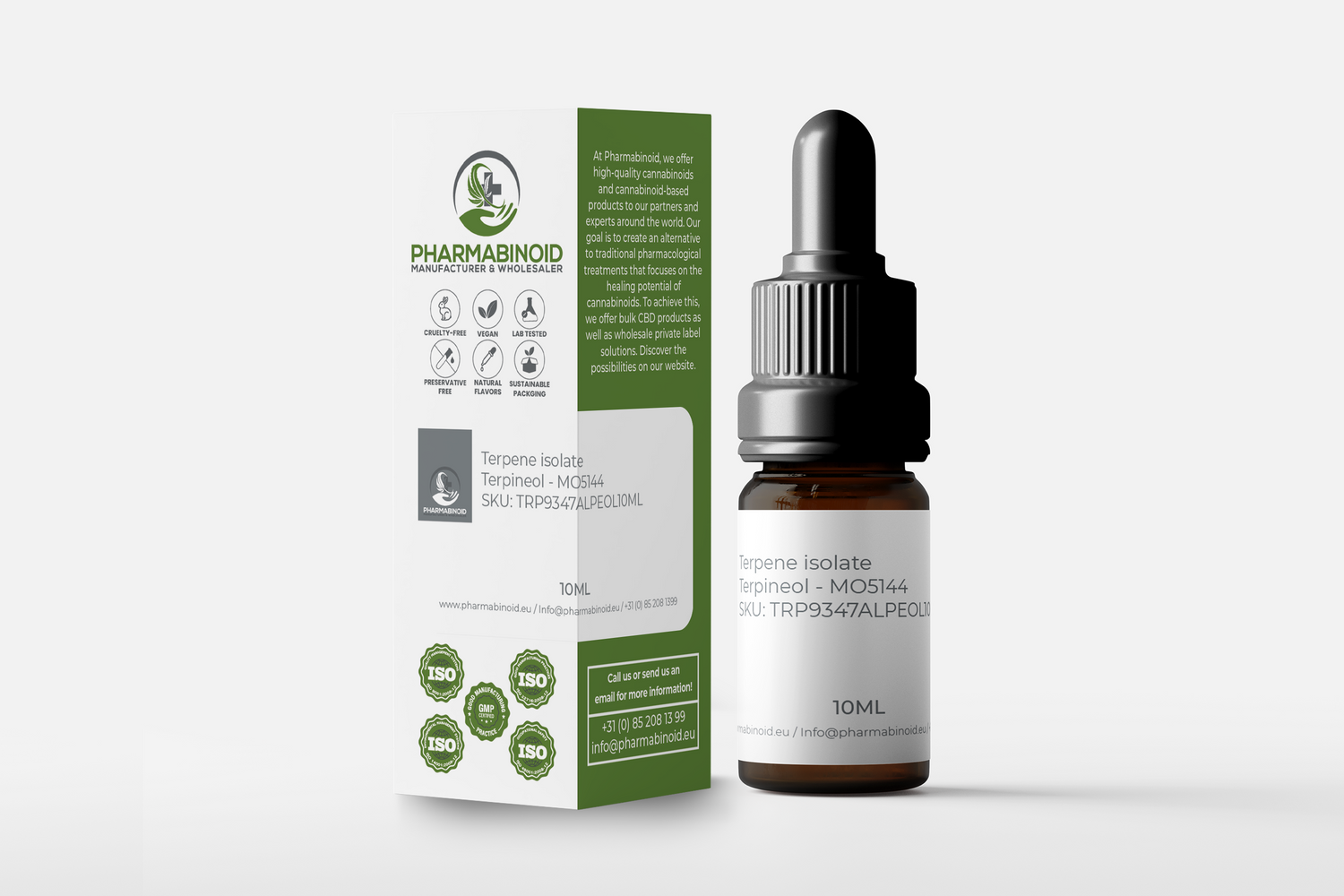
CBD produktu iepakojuma drošību ietekmē vairāki praktiski mainīgie. Dzintarkrāsas stikls var samazināt gaismas iedarbību un to bieži izmanto eļļas bāzes kanabinoīdu formulējumiem, savukārt daži plastmasas materiāli var sniegt priekšrocības svara, izmaksu un izturības pret plīšanu ziņā, taču tiem nepieciešams saderības novērtējums. Aizvākojumi, ieliktņi, pilinātāji, sūkņi, maisiņi un plombas jānovērtē attiecībā uz mijiedarbību ar ekstraktu, noplūdi, iztvaikošanu, ekstrakta absorbciju un iespējamo iepakojuma sastāvdaļu migrāciju.
Etiķešu izstrādē pētniecības izaicinājums ir ne tikai salasāmība, bet arī precizitāte laika gaitā. Etiķetēm jāpaliek skaidri izlasāmām uzglabāšanas un transportēšanas laikā, partiju identifikatoriem jābūt izsekojamiem, un deklarētajam kanabinoīdu saturam jāatbilst analītiskajai pārbaudei. Eiropā galvenie ir plašāki marķēšanas principi, piemēram, skaidrība, nemaldinošs noformējums un produktu kategoriju prasības. Eiropas Komisijas pārtikas informācijas regulējums, tostarp Regula (ES) Nr. 1169/2011, bieži tiek minēts attiecībā uz vispārējiem principiem, kur tas ir būtiski, lai gan CBD klasifikācija un pienākumi ir atkarīgi no konkrētā produkta un jurisdikcijas.
Farmakoloģija un darbības mehānisms
Iepakojums nemaina CBD farmakoloģiju tādā veidā, kā to varētu receptoru mijiedarbība vai zāļu formas palīgviela. Tomēr iepakojums var ietekmēt CBD un saistīto savienojumu ķīmisko integritāti, pirms tie tiek izmantoti pētījumos vai zāļu formu izstrādē. No zinātniskā skatpunkta tas padara iepakojumu netieši nozīmīgu farmakoloģijai, jo degradēts, oksidēts, piesārņots vai neprecīzi marķēts materiāls var vairs neatspoguļot paredzēto testējamo vielu vai zāļu formas profilu.
CBD tiek aplūkots kanabinoīdu pētījumos saistībā ar endokanabinoīdu sistēmu un citiem bioloģiskajiem mērķiem, taču iepakojuma pētījumi nenosaka medicīniskos iznākumus. Tā vietā tie atbalsta analītisko konsekvenci. Ja CBD materiāls tiek pakļauts pārmērīgam karstumam, ultravioletajai gaismai, skābeklim vai nesaderīgām iepakojuma virsmām, izmērītais kanabinoīdu profils var mainīties. Terpēnus saturošas zāļu formas pievieno vēl vienu sarežģītības slāni, jo terpēni bieži ir gaistošāki nekā kanabinoīdi un var mijiedarboties ar polimēriem, blīvējumiem vai skābekli brīvajā tilpumā.
Tādēļ ražotājiem galvenais mehānisms ir fizikāli ķīmisks, nevis farmakoloģisks: barjeras aizsardzība, samazināts oksidatīvais stress, kontrolēts brīvais tilpums, materiālu saderība un pārbaudīta partijas profila saglabāšana. Tāpēc kanabinoīdu iepakojuma pētījumi būtu jāsasaista ar stabilitātes pētījumiem, analīzes sertifikātu pārskatīšanu un validētām analītiskajām metodēm, nevis mārketinga apgalvojumiem.
Galvenās pētniecības jomas
-
Materiālu saderība un migrācija: Iepakojuma materiāli var mijiedarboties ar eļļām, spirtu saturošiem šķidrumiem, terpēniem bagātiem ekstraktiem vai puscietām bāzēm. Pētījumos būtu jānovērtē, vai konteiners, aizdare, ieliktnis, līmviela, tinte vai pilinātāja komponents rada ekstrahējamās vielas, izskalojamās vielas, smakas pārnesi, absorbciju, uzbriešanu vai aktīvo sastāvdaļu zudumu. Pārtikas saskares kontekstā ES regulējums par materiāliem, kas paredzēti saskarei ar pārtiku, tostarp Regula (EK) Nr. 1935/2004, ir svarīgs atsauces punkts, kur tas ir piemērojams.
-
Stabilitāte gaismas, skābekļa, karstuma un mitruma ietekmē: CBD iepakojuma pētījumos būtu jāizvērtē, kā vides iedarbība ietekmē kanabinoīdu saturu, piemaisījumu veidošanos, krāsu, smaržu, viskozitāti un terpēnu saglabāšanos. Paātrināti un reālā laika stabilitātes pētījumi var palīdzēt noteikt, vai iepakojums aizsargā zāļu formu reālistiskos uzglabāšanas un transportēšanas apstākļos.
-
CBD etiķešu prasības un izsekojamība: Etiķetēm jāatbalsta partiju identifikācija, sastāvdaļu caurredzamība, drošas lietošanas norādes, uzglabāšanas instrukcijas, neto daudzums, atbildīgā uzņēmuma informācija un, ja nepieciešams, analītiskā izsekojamība. Apgalvojumi ir rūpīgi jākontrolē, īpaši Eiropā, kur nepamatoti veselīguma vai ārstnieciskie apgalvojumi var radīt regulatīvu risku.
-
Bērniem neatverams un viltojuma pazīmēm drošs dizains: Atkarībā no produkta veida un tirgus uz drošību vērsts iepakojums var prasīt viltojuma pazīmes, kontrolētu dozēšanu vai bērniem neatveramus aizvākojumus. Pētījumos šajā jomā tiek vērtēta ne tikai atbilstība, bet arī lietojamība, noplūžu novēršana un konsekventa dozēšanas mehānika, ja tiek izmantota mērdozēšanas ierīce. No iepakojuma dizaina vien nedrīkst secināt nekādus dozēšanas ieteikumus.
-
Ilgtspēja un barjeras veiktspēja: Pārstrādājams, viegls vai bioloģiskas izcelsmes iepakojums kļūst arvien svarīgāks, taču ilgtspējas mērķi ir jālīdzsvaro ar ķīmisko saderību un produkta aizsardzību. Materiāls ar mazāku ietekmi uz vidi ir piemērots tikai tad, ja tas saglabā kvalitāti un nerada novēršamus drošības riskus.
Pētījumu ierobežojumi
CBD iepakojuma izpēti joprojām ierobežo sadrumstalotas produktu kategorijas, mainīgas formulācijas un Eiropas regulējuma interpretācijas attīstība. Rezultātus no vienas CBD eļļas, ekstrakta, kosmētiskās bāzes vai laboratorijas materiāla nevar automātiski attiecināt uz citu formulāciju. Tvertne, kas labi darbojas ar attīrītu CBD izolātu nesējeļļā, var neuzvesties tāpat ar terpēniem bagātu ekstraktu vai formulāciju, kas satur emulgatorus, šķīdinātājus, aromatizētājus vai botāniskos komponentus.
Vēl viens ierobežojums ir saskaņotu, kanabinoīdiem specifisku iepakojuma standartu trūkums visā Eiropā. Ražotāji bieži paļaujas uz vispārējo iepakojuma zinātni, pārtikas kontaktmateriālu noteikumiem, kur tas ir piemērojams, kosmētikas iepakojuma principiem, farmaceitiskā iepakojuma koncepcijām un iekšējiem riska novērtējumiem. Šie rīki ir vērtīgi, taču tie neaizstāj produktam specifiskus saderības pētījumus un juridisko izvērtējumu.
Nozīme ir arī analītiskajiem ierobežojumiem. Secinājumi par stabilitāti ir atkarīgi no validētām metodēm, paraugu ņemšanas plāniem, uzglabāšanas apstākļiem un pieņemšanas kritērijiem. Analīzes sertifikāts ir tikai partijas momentuzņēmums noteiktā laikā, ja vien to neatbalsta atbilstoši stabilitātes dati un kontrolēta uzglabāšana. Šī iemesla dēļ apgalvojumiem par iepakojumu jābūt piesardzīgiem un uz pierādījumiem balstītiem.
Rūpnieciskā un formulāciju nozīme
B2B kanabinoīdu uzņēmumiem CBD iepakojuma izpētei ir tieša nozīme produkta kvalitātei, piegādes ķēdes uzticamībai un klientu pārliecībai. Iepakojums ietekmē to, kā materiāls pārvietojas no ražošanas uz uzglabāšanu, no noliktavas uz formulēšanas vietu un no pildīšanas līnijas līdz galalietotājam. Tas ietekmē arī to, cik viegli partiju var identificēt, ievietot karantīnā, atsaukt, salīdzināt ar specifikācijām vai sasaistīt ar analītisko dokumentāciju.
Formulētājiem iepakojums jāizvērtē agrīni, nevis pēc tam, kad formulācija jau ir pabeigta. Viskozitāte, uzpildes tilpums, brīvā telpa iepakojumā, aizvēršanas griezes moments, pilinātāja saderība, jutība pret skābekli un etiķetes virsmas adhēzija var ietekmēt komerciālo gatavību. Iepakojumam jābūt saskaņotam arī ar paredzēto analītisko specifikāciju, piemēram, CBD saturu, THC robežvērtībām, kur tas piemērojams, maznozīmīgo kanabinoīdu saturu, terpēnu profilu, atlikušo šķīdinātāju robežām, smagajiem metāliem, pesticīdiem, mikrobioloģiju un citiem kvalitātes parametriem.
Pharmabinoid plašākais izglītojošais darbs par kanabinoīdu izpēti atspoguļo kanabinoīdu zinātnes sasaistes ar praktiskām ražošanas kontrolēm nozīmi. Iepakojuma izpēte ir daļa no tās pašas kvalitātes ķēdes: tā palīdz nodrošināt, ka verificēts kanabinoīdu materiāls visā paredzētās lietošanas laikā saglabājas konsekvents, izsekojams un atbilstoši dokumentēts.
Testēšanas, kvalitātes un atbilstības apsvērumi
Testēšana un dokumentācija ir centrāli elementi uzticamai kanabinoīdu iepakojuma izpētei. Pamatīgs iepakojuma novērtējums var ietvert identitātes testēšanu, kanabinoīdu potences analīzi, piemaisījumu uzraudzību, terpēnu analīzi, atlikušo šķīdinātāju testēšanu, mikrobioloģisko novērtēšanu, smago metālu skrīningu, pesticīdu testēšanu, stabilitātes testēšanu un iepakojuma saderības pārskatīšanu. Precīzam testēšanas plānam jābūt samērīgam ar formulējumu, produktu kategoriju, tirgu un riska profilu.
Analīzes sertifikāti ir īpaši svarīgi kanabinoīdu materiāliem, jo tie atbalsta partijas līmeņa verifikāciju. Tomēr COA ir rūpīgi jāpārskata: nozīme ir analītiskajai metodei, laboratorijas kompetencei, parauga datumam, partijas numuram, specifikāciju robežvērtībām un testēšanas apjomam. Iepakojumam un marķējumam jānodrošina iespēja saistīt fizisko produktu ar pareizo dokumentāciju.
CBD iepakojuma atbilstībā jāņem vērā arī apgalvojumu kontrole. Marķējumā nevajadzētu pasniegt CBD kā ārstēšanas līdzekli, izārstēšanas veidu, profilakses līdzekli vai diagnostikas rīku. Pat formulējumi, kas šķiet izglītojoši, var kļūt problemātiski, ja tie tiek izmantoti produkta komerciālā kontekstā bez atbilstoša pamatojuma. Uzņēmumiem, kas darbojas Eiropā, jāievēro katrai valstij specifiskās prasības un jāseko attīstībai tādās jomās kā jaunās pārtikas novērtēšana, kosmētikas noteikumi, vispārējā produktu drošība un reklāmas ierobežojumi. Pharmabinoid ir apspriedis arī CBD sarežģīto juridisko statusu Eiropā, kas joprojām ir būtiski, izvērtējot iepakojuma un marķējuma stratēģiju.
Saistītie kanabinoīdi, terpēni vai pētniecības tēmas
CBD iepakojuma izpēte ir saistīta ar vairākām radniecīgām tēmām, tostarp kanabinoīdu stabilitāti, terpēnu gaistamību, ekstrakcijas metodes izvēli, formulējuma biopieejamību, analītisko verifikāciju, atlikušo šķīdinātāju kontroli un partiju izsekojamību. Tā ir būtiska arī CBD izolātam, plaša spektra ekstraktiem, destilātiem un gatavajiem formulējumiem, kuros iepakojumam jāsaglabā tīrība un deklarētais sastāvs.
Saistītās pētniecības jomas ietver kanabinoīdu degradācijas ceļus, botānisko sastāvdaļu oksidēšanos, no iepakojuma izdalāmo un migrējošo vielu novērtēšanu, ar pārtiku saskarē nonākošu materiālu izvērtēšanu, kosmētikas iepakojuma saderību un marķējuma atbilstības pārskatīšanu. Ja ir iesaistīti jaunie kanabinoīdi, iepakojuma novērtēšana kļūst vēl svarīgāka, jo publiski pieejamu stabilitātes datu var būt mazāk.
Biežāk uzdotie jautājumi par CBD iepakojuma izpēti
Kāpēc iepakojuma izpēte ir svarīga CBD produktiem?
Iepakojuma izpēte ir svarīga, jo CBD produktus var ietekmēt gaisma, skābeklis, siltums, mitrums, noplūdes, mijiedarbība ar materiālu un marķējuma kļūdas. Atbilstoša izpēte palīdz ražotājiem izvēlēties iepakojumu, kas veicina stabilitāti, izsekojamību un produktu drošību, nepaļaujoties uz nepamatotiem pieņēmumiem.
Kas būtu jāiekļauj CBD produkta marķējumā?
CBD marķējuma prasības ir atkarīgas no produkta kategorijas un mērķa tirgus. Kopumā marķējumā var būt nepieciešama skaidra produkta identifikācija, partijas vai sērijas numurs, neto daudzums, informācija par sastāvdaļām, atbildīgā uzņēmuma dati, uzglabāšanas norādījumi, brīdinājumi, ja tādi ir piemērojami, un noformējums, kas nav maldinošs. No veselīguma vai ārstnieciskām norādēm būtu jāizvairās, ja vien tās nav īpaši atļautas saskaņā ar attiecīgo regulējumu.
Kādi iepakojuma materiāli ir vispiemērotākie CBD formulējumiem?
Nav viena universāli labākā materiāla visiem CBD formulējumiem. Dzintarkrāsas stikls bieži tiek izmantots, jo tas nodrošina spēcīgas barjeras īpašības un aizsardzību pret gaismu, taču plastmasa, alumīnijs, lamināti un citi materiāli noteiktos apstākļos arī var būt piemēroti, ja ir novērtēta saderība un migrācijas riski. Izvēli jānosaka formulējumam, terpēnu saturam, nesējsistēmai, uzglabāšanas apstākļiem un atbilstības prasībām.
Secinājums
CBD iepakojuma izpēte ir praktiska pētniecības joma, kas atrodas starp kanabinoīdu zinātni, formulējumu izstrādi, kvalitātes nodrošināšanu un Eiropas atbilstības prasību izpratni. Vislabākie iepakojuma lēmumi balstās uz materiālu saderību, stabilitātes datiem, analītisku verifikāciju, skaidrām CBD marķējuma prasībām un piesardzīgu apgalvojumu kontroli. Lai gan kanabinoīdu iepakojuma izpēte joprojām attīstās, tās nozīme jau ir skaidra: iepakojums palīdz saglabāt CBD produktu integritāti, atbalsta uzticamu dokumentāciju un samazina novēršamus drošības un atbilstības riskus visā piegādes ķēdē.