What is Cannabidiolic Acid? CBDA and CBD Explained
What is Cannabidiolic Acid? Cannabidiolic acid, commonly abbreviated as CBDA, is the naturally occurring acidic precursor to CBD found in raw hemp and cannabis plants. It matters in the cannabinoid industry because CBDA influences the cannabinoid profile of fresh plant material, affects extraction and formulation decisions, and must be carefully measured in analytical testing before and after decarboxylation.
Definition of Cannabidiolic Acid
Cannabidiolic acid is a non-intoxicating acidic phytocannabinoid produced by the cannabis plant before CBD is formed. In simple terms, the cannabidiolic acid definition is: CBDA is the raw, carboxylated form of cannabidiol that can convert into CBD when exposed to heat, light, or time.
What Is Cannabidiolic Acid?
When people ask “what is CBDA?”, the clearest answer is that CBDA is one of the primary cannabinoids present in freshly harvested hemp varieties bred for CBD-rich chemistry. The plant does not produce large amounts of CBD directly. Instead, it biosynthesizes acidic cannabinoids such as CBDA, THCA, CBGA, and others. These acidic molecules contain a carboxyl group, which is why they are described as “acidic” cannabinoids.
CBDA becomes CBD through a process called decarboxylation. During decarboxylation, carbon dioxide is released from the molecule, changing CBDA into its neutral cannabinoid form, CBD. This can happen through controlled heating during manufacturing, but it can also occur gradually during storage if plant material or extracts are exposed to unsuitable conditions.
For manufacturers, formulators, researchers, and quality teams, CBDA explained properly is not just a botanical detail. It is a practical production consideration. Whether a hemp extract is intended to remain CBDA-rich or be converted into CBD-rich material affects extraction temperature, post-processing, storage, certificates of analysis, and final product specification.
Scientific Background of Cannabidiolic Acid
Cannabidiolic acid belongs to the phytocannabinoid family, meaning it is produced naturally by the cannabis plant rather than by the human body. In the plant’s biosynthetic pathway, cannabigerolic acid is an important precursor from which several major acidic cannabinoids arise. Depending on plant genetics and enzyme activity, CBGA can be converted into CBDA, THCA, or other cannabinoid acids.
From a chemistry perspective, the difference between CBDA and CBD is important. CBDA contains an additional carboxyl group, making it more chemically sensitive to heat-driven conversion. This is why extraction and processing conditions must be selected carefully. A low-temperature extraction strategy may help preserve more of the original acidic cannabinoid profile, while heated processing may intentionally convert CBDA into CBD.
CBDA is also discussed in cannabinoid pharmacology research. Early laboratory and preclinical studies have investigated how acidic cannabinoids may interact with biological pathways differently from their neutral forms. However, research remains limited, and CBDA should not be presented as a substance that cures, treats, or prevents disease. For industry use, the most reliable discussion focuses on composition, stability, analytical control, and formulation relevance.
Terpenes may also be relevant when working with CBDA-rich extracts. Fresh or gently processed hemp extracts can retain more volatile aromatic compounds if handled at lower temperatures. Because terpenes are sensitive to heat and oxidation, preserving CBDA and preserving the original terpene profile often require similar care in processing, storage, and packaging.
Key Characteristics of Cannabidiolic Acid
- Acidic precursor to CBD: CBDA is the raw plant form that can convert into CBD through decarboxylation. This relationship is central to understanding cannabinoid profiles in hemp biomass, crude extract, distillate, and finished formulations.
- Non-intoxicating phytocannabinoid: CBDA is not associated with the intoxicating effects commonly discussed in relation to delta-9 THC. Even so, all cannabinoid materials should be assessed through compliant analytical testing and handled according to applicable regulations.
- Sensitive to heat and storage conditions: Temperature, light, oxygen exposure, and time can influence CBDA stability. Manufacturers working with CBDA-rich ingredients need suitable packaging, controlled processing, and verified batch data.
- Important in full-spectrum and broad-spectrum analysis: CBDA may appear alongside CBD, CBGA, CBG, CBC, trace THC compounds, and terpenes. A certificate of analysis should distinguish between acidic and neutral cannabinoids rather than reporting only total CBD values.
- Relevant to formulation strategy: CBDA’s chemical form may influence solubility, stability, taste profile, and compatibility with oils, emulsions, capsules, or other delivery formats. Formulators must evaluate the ingredient within the intended product matrix.
Uses and Industry Applications
In the cannabinoid supply chain, cannabidiolic acid is relevant at several stages. In cultivation and biomass evaluation, CBDA levels help indicate whether a hemp crop is expressing the desired CBD-type chemotype. In extraction, CBDA is measured to understand how much of the native acidic cannabinoid profile has been preserved. In refinement, manufacturers may choose whether to maintain CBDA content or convert it into CBD depending on the target specification.
CBDA-rich materials may be used in research formulations, ingredient development, and product concepts where retaining the plant’s original acidic cannabinoid profile is important. However, product development should be supported by validated analytical data, stability testing, and compliance review. This is especially important in Europe, where cannabinoid ingredients may be subject to strict product-category rules, novel food considerations, and THC limits depending on jurisdiction and application.
Analytical testing is essential. A reliable certificate of analysis should normally include CBDA, CBD, total CBD calculation where relevant, THC-related cannabinoids, residual solvents if applicable, pesticides, heavy metals, microbiology, and other quality parameters depending on the material type. For CBDA, testing before and after processing can reveal whether unintended decarboxylation has occurred.
For manufacturers, CBDA also raises bioavailability and formulation questions. Like many cannabinoids, CBDA is not simply “drop-in” chemistry for every product format. Oil carrier selection, emulsification approach, pH environment, packaging, and storage conditions can all affect finished product quality. Responsible product development treats CBDA as a defined ingredient requiring specification control rather than as a generic hemp extract component.
Related Cannabinoids, Terpenes, or Terms
Several related topics help put CBDA in context. Pharmabinoid provides Cannabidiolic Acid CBDA for professional cannabinoid applications, along with further information on CBDA research. To understand how CBDA converts into CBD, see decarboxylation. For a broader overview of cannabinoid science, the cannabinoid research section is also relevant.
FAQ About Cannabidiolic Acid
What is Cannabidiolic Acid in simple terms?
Cannabidiolic acid is the natural acidic form of CBD found in raw hemp and cannabis plants. It is commonly called CBDA and can convert into CBD when exposed to heat through decarboxylation.
Is CBDA the same as CBD?
No. CBDA and CBD are closely related but chemically different. CBDA contains a carboxyl group, while CBD is the neutral form produced after CBDA loses carbon dioxide during decarboxylation.
Why is CBDA important in cannabinoid testing?
CBDA is important because it shows how much of the original acidic cannabinoid profile remains in a sample. Accurate testing separates CBDA from CBD and helps manufacturers understand potency, conversion, stability, and batch consistency.
Does CBDA naturally occur in hemp?
Yes. CBDA is one of the main cannabinoids naturally present in CBD-rich hemp before processing. Fresh plant material often contains much more CBDA than CBD unless it has been heated or aged.
Can CBDA change during manufacturing?
Yes. CBDA can partially or fully convert into CBD if exposed to sufficient heat, light, or time. This is why extraction temperature, drying conditions, storage, and packaging are important when producing CBDA-rich ingredients.
Conclusion
What is Cannabidiolic Acid? It is the naturally occurring acidic precursor to CBD and a key marker of raw hemp chemistry. For the cannabinoid industry, CBDA is important because it affects extraction choices, decarboxylation control, analytical testing, formulation design, and product stability. A well-characterized CBDA ingredient should always be supported by reliable cannabinoid profiling, clear production standards, and appropriate certificates of analysis.
TryPharma
Skambinkite mums arba atsiųskite el. laišką, jei norite gauti daugiau informacijos
Nemokamas pavyzdys
Atraskite mūsų produktų privalumus iš pirmų lūpų apsilankę mūsų svetainėje ir gaukite savo išskirtinį kodą TryPharma. Pateikę užsakymą naudodami šį specialų kodą, ne tik gausite norimus produktus, bet ir prie kiekvieno pirkinio pridėsime nemokamą pavyzdį. Ši galimybė leidžia jums išbandyti mūsų pasiūlymų kokybę prieš įsipareigojant pagrindinei siuntai. Mūsų tikslas – užtikrinti, kad būtumėte visiškai patenkinti savo pasirinkimu, o šis procesas suteikia nerizikingą būdą susipažinti su mūsų plačiu produktų asortimentu. Susisiekite su mumis jau šiandien, kad pradėtumėte ir žengtumėte pirmą žingsnį link vertingos patirties su mūsų aukščiausios kokybės pasiūlymais.

Siuntos draudimas
Kai iš mūsų perkate dideliais kiekiais CBD izoliatus, aliejus ir kitus produktus, jūsų siunta yra visiškai apdrausta mūsų lėšomis be jokių papildomų išlaidų jums. Transportavimui naudojame patikimas siuntų bendroves, tokias kaip FedEx ir UPS, o draudimo apsaugą administruojame patys, kad užtikrintume kiekvienos siuntos saugumą nuo mūsų sandėlio iki jūsų durų. Įmonėje TryPharma esame pasiryžę skatinti verslo augimą siūlydami nerizikingą didmeninės prekybos paslaugą. Mažai tikėtinu siuntos nesklandumo atveju garantuojame pinigų grąžinimą per penkias darbo dienas nuo incidento patvirtinimo datos. Mūsų visapusiškas požiūris veiksmingai pašalina 99,9 % visų galimų rizikų, susijusių su didmeniniu CBD siuntimu, užtikrindamas visišką jūsų ramybę.

30 dienų grąžinimas
Kviečiame prieš atidarant pagrindinę siuntą išbandyti prie jūsų užsakymo pridėtą nemokamą pavyzdį. Jei kokybė neatitiks jūsų lūkesčių, galėsite pasinaudoti mūsų 30 dienų grąžinimo politika. Ši politika leidžia grąžinti produktą per 30 dienų ir atgauti visą sumokėtą sumą, taip užtikrinant visišką jūsų pasitenkinimą. Susisiekite su mumis jau šiandien, kad susipažintumėte su mūsų išskirtiniu produktų asortimentu ir patirtumėte mūsų atsidavusį klientų aptarnavimą.
Kanabinoidų izoliatai
-
CBD izoliatas – kanabidiolis
Įprasta kaina From €24.99 to €369.99Įprasta kainaVieneto kaina / už€0.00Akcijos kaina €24.99 -
CBG – kanabigerolis
Įprasta kaina From €49.99 to €799.99Įprasta kainaVieneto kaina / už€0.00Akcijos kaina €49.99 -
CBN – Kanabinolis
Įprasta kaina From €79.99 to €1,299.99Įprasta kainaVieneto kaina / už€0.00Akcijos kaina €79.99 -
CBC – kanabichromenas
Įprasta kaina From €99.99 to €1,999.99Įprasta kainaVieneto kaina / už€0.00Akcijos kaina €99.99 -
CBDV – kanabidivarinas
Įprasta kaina From €13.99 to €3,149.99Įprasta kainaVieneto kaina / už€0.00Akcijos kaina €13.99 -
Cannabicitrano izoliatas - CBT
Įprasta kaina From €49.99 to €4,349.99Įprasta kainaVieneto kaina / už€0.00Akcijos kaina €49.99 -
Kanabidiolio rūgštis - CBDA
Įprasta kaina From €49.99 to €1,499.99Įprasta kainaVieneto kaina / už€0.00Akcijos kaina €49.99 -
Kanabigerolio rūgštis – CBGA
Įprasta kaina From €59.99 to €1,749.99Įprasta kainaVieneto kaina / už€0.00Akcijos kaina €59.99
Kolekcijos
-
Psichoaktyvūs ekstraktai
Psichoaktyvūs ekstraktai – didmeninio pirkėjo vadovas „Psychoactive Extracts“ apjungia specializuotas kanabinoidų formas...
-
CBD aliejai
CBD aliejai – didmeninio pirkėjo vadovas CBD aliejai apima aliejaus pagrindu sukurtas...
-
CBD elektroninės cigaretės
CBD garinimo produktai ir formulavimo pagalba profesionaliam kanabinoidų produktų kūrimui Ši kolekcija...
-
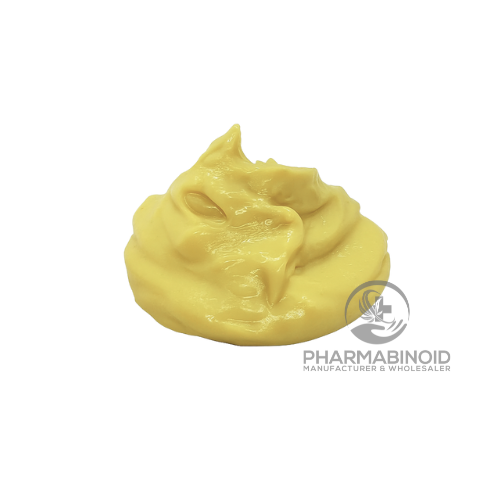
CBD kosmetika
CBD kosmetika – didmeninio pirkėjo vadovas CBD kosmetika apima CBD kosmetikos formas,...
-
CBD distiliatai
CBD distiliatai – didmeninių pirkėjų gidas CBD distiliatai apjungia produktų pasirinkimus profesionaliems...
Tinklaraščio įrašai
Peržiūrėti viską-
CBD Edibles Dosage: A Responsible Guide to Serv...
CBD Edibles Dosage is one of the most common questions European consumers and formulators ask because edible products behave differently from oils, vapes, or topical formats. A responsible serving size...
CBD Edibles Dosage: A Responsible Guide to Serv...
CBD Edibles Dosage is one of the most common questions European consumers and formulators ask because edible products behave differently from oils, vapes, or topical formats. A responsible serving size...
-
CBD Vape Effects: What to Expect, What Matters,...
CBD Vape Effects is a search topic that often attracts oversimplified answers. In practice, the CBD vape experience depends on the formulation, cannabinoid profile, terpene profile, device temperature, product purity,...
CBD Vape Effects: What to Expect, What Matters,...
CBD Vape Effects is a search topic that often attracts oversimplified answers. In practice, the CBD vape experience depends on the formulation, cannabinoid profile, terpene profile, device temperature, product purity,...
-
Vandenyje tirpūs kanabinoidai gėrimams: formula...
Vandenyje tirpūs kanabinoidai gėrimams yra sukurti tam, kad išspręstų vieną didžiausių techninių iššūkių gėrimų kūrime: kanabinoidai natūraliai yra lipofiliški, o tai reiškia, kad jie lengvai nesimaišo su vandeniu. Kanabinoidų gėrimuose...
Vandenyje tirpūs kanabinoidai gėrimams: formula...
Vandenyje tirpūs kanabinoidai gėrimams yra sukurti tam, kad išspręstų vieną didžiausių techninių iššūkių gėrimų kūrime: kanabinoidai natūraliai yra lipofiliški, o tai reiškia, kad jie lengvai nesimaišo su vandeniu. Kanabinoidų gėrimuose...