CBD pastos tyrimuose nagrinėjama, kaip koncentruoti kanapių ekstraktai elgiasi chemiškai, farmakologiškai ir pramoniniu požiūriu, kai jie pateikiami kaip tankios, dervų gausios formulės. Skirtingai nei izoliuotas kanabidiolis, CBD pasta gali turėti platesnį kanabinoidų profilį, vaškų, lipidų, flavonoidų ir kartais terpenų, priklausomai nuo ekstrakcijos ir tolesnio apdorojimo metodų. Tyrėjams, formulių kūrėjams ir B2B kanabinoidų bendrovėms svarbu suprasti CBD pastos tyrimus, nes pastos produktai gali labai skirtis savo sudėtimi, grynumu, stabilumu, juslinėmis savybėmis ir reguliaciniu tinkamumu.
Kas yra CBD pasta?
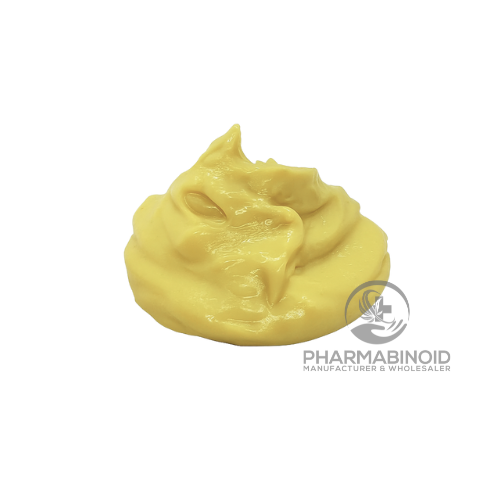
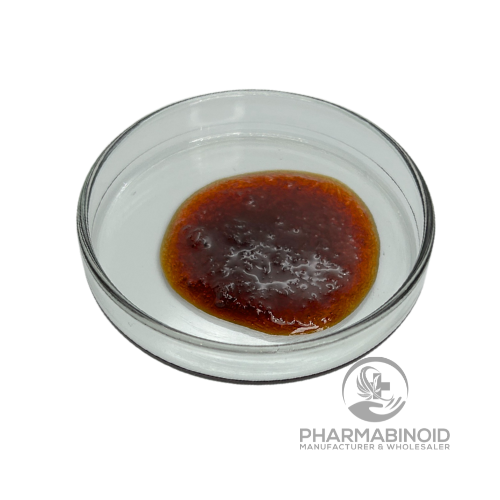
CBD pasta yra koncentruotas iš kanapių gaunamas ekstraktas, paprastai formuojamas kaip tiršta, pusiau kieta medžiaga. Ji paprastai gaminama iš Cannabis sativa L. biomasės taikant tokius ekstrakcijos metodus kaip superkritinė CO2 ekstrakcija, etanolio ekstrakcija arba angliavandenilių ekstrakcija, po kurios atliekami rafinavimo etapai, galintys apimti žieminimą, filtravimą, dekarboksilinimą, distiliavimą arba maišymą su nešiklio ingredientais.
Terminas „CBD pasta“ neapibūdina vienos standartizuotos medžiagos. Kai kurios pastos yra plataus spektro, tai reiškia, kad jose yra CBD ir pasirinktų mažųjų kanabinoidų be aptinkamo THC. Kitos yra pilno spektro, tai reiškia, kad jos gali išlaikyti platesnį natūraliai kanapėse esančių sudedamųjų dalių spektrą, neviršydamos taikomo reglamentavimo ribų. Šis skirtumas yra esminis pilno spektro pastos tyrimams, nes cheminis profilis gali turėti įtakos formulės elgsenai, analitiniams rezultatams, juslinėms savybėms ir atitikties dokumentacijai.
Pramoninėje aplinkoje CBD pasta dažnai vertinama kaip tarpinė arba galutinė biri medžiaga. Pharmabinoid CBD pastos kolekcija yra aktuali formulių kūrėjams ir gamintojams, vertinantiems koncentruotų kanapių ekstraktų formatus, skirtus reikalavimus atitinkančioms B2B taikymo sritims.
Dabartinis mokslinis CBD pastos tyrimų supratimas
Dabartiniai CBD pastos tyrimai geriausiai suprantami kaip platesnės mokslinės literatūros apie kanabidiolį, kanapių ekstraktus ir kanabinoidais turtingas formules dalis. Dauguma paskelbtų tyrimų yra skirti išgrynintam CBD, kanapių ekstraktams, analitinei chemijai, farmakokinetikai arba saugumo vertinimui, o ne CBD pastai kaip vienai standartizuotai produktų kategorijai. Tai reiškia, kad CBD ekstraktų tyrimų išvados gali padėti vertinti pastą, tačiau jų nereikėtų automatiškai taikyti kiekvienai pastos medžiagai be sudėties patvirtinimo.
Mokslinis susidomėjimas CBD išaugo todėl, kad kanabidiolis pasižymi išskirtiniu farmakologiniu profiliu, palyginti su svaiginančiais kanabinoidais, tokiais kaip delta-9 THC. Tačiau vien CBD buvimas pastoje savaime neapibrėžia produkto tyrimų reikšmingumo. Visiškas kanabinoidų profilis, terpenų profilis, liekamųjų tirpiklių būklė, mikrobiologinė kokybė, sunkiųjų metalų patikra, pesticidų tyrimai ir partijų tarpusavio nuoseklumas yra būtini norint atsakingai interpretuoti kanapių pastos tyrimus.
Tyrėjai dažnai skiria izoliuotą CBD nuo sudėtingų kanapių ekstraktų. Izoliuotas CBD leidžia aiškiau tirti vieną molekulę, o pilno arba plataus spektro pastos įveda papildomų kintamųjų. Šie kintamieji gali apimti kanabigerolį (CBG), kanabinolį (CBN), kanabichromeną (CBC), rūgštinius kanabinoidus, tokius kaip CBDA, ir lakiuosius terpenus, jei jie išsaugomi apdorojimo metu. Mokslinis iššūkis yra tas, kad sudėtingi ekstraktai gali elgtis kitaip nei išgryninti junginiai, tačiau įrodymų bazė išlieka netolygi ir labai priklauso nuo produkto apibūdinimo.
Farmakologija ir veikimo mechanizmas
CBD farmakologija yra sudėtinga ir negali būti susiaurinta iki vieno receptoriaus taikinio. Skirtingai nei THC, CBD pasižymi mažu tiesioginiu afinitetu klasikiniam CB1 receptoriui, siejamam su svaiginamuoju kanabinoidų poveikiu. Paskelbtuose tyrimuose CBD nagrinėjamas atsižvelgiant į daugybę molekulinių kelių, įskaitant netiesioginę endokanabinoidų sistemos moduliaciją, sąveiką su fermentais, dalyvaujančiais endokanabinoidų metabolizme, laikinojo receptoriaus potencialo kanalus, serotonino receptorių signalizaciją ir kitus nekanabinoidinius taikinius. Naudingas atspirties taškas platesnei literatūrai yra PubMed indeksuota kanabidiolio farmakologijos literatūra.
Kalbant konkrečiai apie CBD pastą, farmakologija turi būti aiškinama atsižvelgiant į formulę. Pasta nėra vien tik kanabinoido molekulė; tai matrica. Lipidai, vaškai, nešikliniai aliejai, emulsikliai ir likutiniai augaliniai junginiai gali paveikti pasiskirstymą, stabilumą ir galimą biologinį prieinamumą. Geriamosios ir gleivinių formos gali skirtis absorbcijos pobūdžiu, o galutinio produkto dizainas gali lemti, kaip nuosekliai kanabinoidai tiekiami tyrimų ar gamybos kontekste.
Terpenai taip pat yra svarbūs, kai jie yra išlaikomi. Tokie junginiai kaip beta-kariofilenas, mircenas, limonenas, pinenas ir linalolis dažnai aptariami kanapių chemijoje, nors terpenų kiekis CBD pastoje labai priklauso nuo ekstrakcijos temperatūros, tolesnio apdorojimo, laikymo ir nuo to, ar terpenai vėl įvedami. Teiginius apie sinergiją reikėtų vertinti atsargiai: nors kanabinoidų ir terpenų sąveika aktyviai aptariama tyrimuose, daugelis siūlomų mechanizmų dar nėra pakankamai patvirtinti kontroliuojamais tyrimais su žmonėmis.
Pagrindinės tyrimų sritys
-
Kanabinoidų profilis ir standartizavimas: CBD pastos tyrimai dažnai pradedami CBD, CBDA, THC, THCA, CBG, CBC, CBN ir kitų smulkiųjų kanabinoidų kiekių nustatymu. Standartizavimas yra būtinas, nes du produktai, abu apibūdinami kaip CBD pasta, gali turėti labai skirtingą cheminę sudėtį.
-
Plataus spektro pastos tyrimai: Plataus spektro medžiagos tiriamos dėl sudėtingo fitocheminio profilio, tačiau rezultatų interpretavimas reikalauja atsargumo. Kelių kanabinoidų ir terpenų buvimas gali padidinti analitinį sudėtingumą ir apsunkina išvadų priskyrimą vienai sudedamajai daliai.
-
Biologinis prieinamumas ir formulės elgsena: Kanabinoidai yra lipofiliniai, tai reiškia, kad jie sunkiai tirpsta vandenyje. Tyrėjai ir produktų kūrėjai nagrinėja nešiklius aliejus, emulsifikaciją, dalelių dydį ir matricos sudėtį, kad suprastų, kaip pastos pagrindu pagaminti produktai elgiasi galutinėse formulėse.
-
Stabilumas ir skilimas: CBD pastą gali paveikti šviesa, deguonis, šiluma ir laikas. Stabilumo tyrimuose gali būti stebima kanabinoidų konversija, terpenų praradimas, oksidacija, klampos pokytis ir mikrobiologinė rizika įvairiomis laikymo sąlygomis.
-
Analitinių metodų kūrimas: Kanapių pastos tyrimams reikalingi validuoti tyrimo metodai, nes tiršti ekstraktai gali būti sudėtingos matricos. Kanabinoidų kiekiui nustatyti dažniausiai naudojama didelio efektyvumo skysčių chromatografija, o dujų chromatografija gali būti taikoma likutinių tirpiklių arba terpenų analizei.
Tyrimų apribojimai
Pagrindinis CBD pastos tyrimų apribojimas yra produktų standartizacijos trūkumas. „CBD pasta“ gali reikšti žalią ekstraktą, rafinuotą ekstraktą, dekarboksilintą pastą, pilno spektro pastą, plataus spektro pastą arba mišrią formulę. Neturint išsamių analizės sertifikatų ir gamybos informacijos, sunku palyginti skirtingų tyrimų rezultatus.
Kitas apribojimas yra tas, kad didelėje platesnės CBD literatūros dalyje naudojamas išgrynintas kanabidiolis, o ne sudėtinga kanapių pasta. Išgryninto CBD tyrimų rezultatai gali padėti paaiškinti tam tikrus molekulinius mechanizmus, tačiau jie nevisiškai atspindi daugiakomponenčio ekstrakto elgseną. Priešingai, tyrimuose, kuriuose naudojami kanapių ekstraktai, gali būti junginių ar koncentracijų, kurie neatspindi reikalavimus atitinkančių europinių CBD pastos medžiagų.
Tyrimų su žmonėmis taip pat yra mažiau, nei dažnai leidžia manyti bendrieji paieškos rezultatai. Ikiklinikiniai tyrimai, in vitro bandymai, duomenys su gyvūnais ir analitinės chemijos straipsniai yra vertingi, tačiau jie negali būti laikomi tiesioginiu rezultatų žmonėms patvirtinimu. Atsakingi CBD ekstraktų tyrimai turėtų aiškiai atskirti cheminius įrodymus, mechanistines hipotezes, saugumo stebėjimus ir kontroliuojamus žmonių tyrimų duomenis.
Pramoninė ir formulavimo svarba
Gamintojams, tiekėjams ir formulavimo komandoms CBD pastos tyrimai yra labai praktiški. Pastos medžiagos gali būti naudojamos kaip koncentruoti kanabinoidų komponentai aliejams, kapsulėms, kosmetikai, techniniams mišiniams ir kitiems produktų kūrimo keliams, kai tai leidžiama. Dėl didelės kanabinoidų koncentracijos jas gali būti efektyvu transportuoti ir sandėliuoti, tačiau tai taip pat padidina tikslaus homogenizavimo ir partijų dokumentavimo svarbą.
Formuliuotojai turi atsižvelgti į klampumą, kanabinoidų koncentraciją, suderinamumą su nešikliais, poveikį skoniui, spalvą, jautrumą oksidacijai ir kristalizacijos riziką. Pasta, kuri gerai veikia viename nešiklio aliejuje, kitame gali elgtis kitaip. Taip pat, dedant pastą į emulsijas, vietinio naudojimo pagrindus ar kapsuliuotas formas, gali prireikti papildomų suderinamumo bandymų.
Gamybos požiūriu ekstrakcijos metodas yra svarbus. Superkritinė CO2 ekstrakcija gali užtikrinti tirpiklio kontrolę ir reguliuojamą selektyvumą, o etanolio ekstrakcija plačiai naudojama efektyviam kanabinoidų išgavimui. Rafinuojant priimami sprendimai lemia, ar pastoje išliks vaškai, chlorofilas, rūgštiniai kanabinoidai ir terpenai. Šie pasirinkimai turi įtakos ne tik išvaizdai ir apdorojimui, bet ir tam, kaip medžiaga turėtų būti tiriama ir dokumentuojama.
Įmonėms, tiriančioms platesnę kanabinoidų sritį, taip pat gali būti naudinga Pharmabinoid kanabinoidų tyrimų medžiaga, padedanti suprasti susijusius junginius ir mokslinę terminiją.
Tyrimų, kokybės ir atitikties aspektai
CBD pasta prieš naudojimą tyrimuose, formulavime ar komercinėse tiekimo grandinėse turėtų būti įvertinta taikant patikimus analitinius tyrimus. Išsamus analizės sertifikatas paprastai turėtų apimti kanabinoidų stiprumą, THC statusą, kai taikoma, likutinius tirpiklius, pesticidus, sunkiuosius metalus, mikrobinius teršalus, mikotoksinus ir kitus svarbius kokybės parametrus, priklausomai nuo numatyto naudojimo.
Analitinis patvirtinimas yra ypač svarbus viso spektro pastos tyrimuose, nes medžiagoje gali būti mažų kiekių kanabinoidų, kuriems nustatyti reikia jautrių ir patvirtintų metodų. Laboratorijos turėtų taikyti tinkamas mėginių paruošimo procedūras, kad prieš tyrimą tankios pastos matricos būtų visiškai homogenizuotos. Prasta homogenizacija gali lemti netikslius stiprumo rezultatus ir nenuoseklų tolesnį formulavimą.
Atitiktis Europos reikalavimams reikalauja papildomo atsargumo. Su CBD susiję produktai gali būti vertinami skirtingai, priklausomai nuo produkto tipo, jurisdikcijos, THC kiekio, numatytos paskirties ir reguliacinės klasifikacijos. Naujo maisto aspektai yra ypač svarbūs vartojamiems CBD produktams ES. Europos maisto saugos tarnyba yra nurodžiusi duomenų spragas vertinant CBD kaip naują maistą, kurias galima peržiūrėti EFSA pranešime apie kanabidiolio kaip naujo maisto vertinimus.
Reguliacinio statuso niekada nereikėtų daryti prielaidos vien iš pavadinimo „CBD pasta“. Įmonės turėtų peržiūrėti konkrečios partijos dokumentaciją ir kreiptis į kvalifikuotus reguliavimo specialistus dėl savo tikslinių rinkų. „Pharmabinoid“ taip pat aptaria platesnę Europos reguliacinę aplinką savo straipsnyje apie teisinį CBD statusą Europoje.
Susiję kanabinoidai, terpenai ar tyrimų temos
CBD pastos tyrimai glaudžiai siejasi su CBD izoliato, plataus spektro ekstraktų, viso spektro kanapių ekstraktų, mažųjų kanabinoidų, tokių kaip CBG ir CBC, rūgštinių kanabinoidų, tokių kaip CBDA, ir terpenais turtingų ekstraktų frakcijų tyrimais. Jie taip pat persidengia su formulių kūrimo mokslu, analitine chemija, biologinio prieinamumo tyrimais, stabilumo bandymais ir Europos kanabinoidų atitikties reikalavimais.
Lyginant pastą su kitomis kanabinoidų žaliavomis, pagrindiniai moksliniai klausimai yra ne tik „kiek CBD yra?“ bet ir „kas dar yra matricoje, kiek tai stabilu, kiek tai atkuriama ir kaip tai buvo patvirtinta?“ Šie klausimai yra esminiai atsakingiems kanapių pastos tyrimams ir patikimų kanabinoidų tiekimo grandinių kūrimui.
DUK apie CBD pastos tyrimus
Ar CBD pastos tyrimai yra tas pats, kas CBD izoliato tyrimai?
Ne. CBD izoliato tyrimai yra skirti išgrynintam kanabidioliui, o CBD pastos tyrimai apima sudėtingesnę ekstrakto matricą. Pasta gali turėti mažųjų kanabinoidų, rūgštinių kanabinoidų, vaškų, lipidų, terpenų ar kitų iš kanapių gautų junginių, priklausomai nuo to, kaip ji buvo pagaminta. Dėl to tiesioginis palyginimas yra sudėtingas, nebent pasta būtų visiškai apibūdinta atliekant analitinius tyrimus.
Kodėl viso spektro pastos tyrimams reikia ypatingo atsargumo?
Viso spektro pastos tyrimai apima daug sudedamųjų dalių, o ne vieną izoliuotą junginį. Dėl to medžiaga gali būti moksliškai įdomi, tačiau tai taip pat sukelia kintamumą. Tyrėjams reikia išsamių kanabinoidų ir terpenų profilių, THC patvirtinimo, teršalų patikros ir partijos nuoseklumo duomenų prieš darant išvadas iš viso spektro pastos tyrimų.
Ką CBD pastos analizės sertifikate turėtų būti nurodyta?
Analizės sertifikate turėtų būti aiškiai nurodyta kanabinoidų koncentracija ir patvirtinti svarbūs saugos bei kokybės parametrai. Priklausomai nuo numatyto naudojimo, tai gali apimti liekamųjų tirpiklių, pesticidų, sunkiųjų metalų, mikrobiologinių ribų, mikotoksinų ir THC būsenos vertinimą. Tankioms pastos pavidalo medžiagoms reprezentatyvus mėginių ėmimas ir tinkamas homogenizavimas yra būtini patikimiems rezultatams gauti.
Išvada
CBD pastos tyrimai yra kanabinoidų chemijos, formulių kūrimo mokslo, analitinio testavimo ir atitikties reglamentams sankirtoje. Dabartinis mokslinis supratimas pagrindžia kruopštų CBD turtingų kanapių ekstraktų tyrimą, tačiau įrodymus būtina aiškinti tiksliai, nes pastos medžiagos labai skiriasi savo sudėtimi ir gamybos istorija. Tyrėjams ir B2B formulių kūrėjams patikimiausias požiūris yra vertinti CBD pastą pagal patvirtintus kanabinoidų profilius, išsamius kokybės tyrimus, aiškią dokumentaciją ir atsargų platesnės CBD ekstraktų tyrimų literatūros interpretavimą.