CBD pakuočių tyrimai nagrinėja, kaip pakavimo medžiagos, etiketėse pateikiama informacija, taros dizainas ir kokybės kontrolės priemonės veikia CBD produktų stabilumą, saugą, naudojimo patogumą ir atitikties profilį. Gamintojams, formulių kūrėjams, laboratorijoms ir B2B tiekėjams pakuotė nėra galutinis kosmetinis žingsnis; ji yra produkto kontrolės strategijos dalis. Netinkama pakuotė gali paveikti kanabinoidų profilį, terpenų išlaikymą, oksidacijos riziką, užterštumo kontrolę, partijų atsekamumą ir klientams skirtus CBD etikečių reikalavimus. Kadangi Europos taisyklės dėl CBD produktų išlieka sudėtingos ir priklauso nuo produkto kategorijos, pakuočių tyrimai turi apjungti medžiagotyros žinias, analitinius tyrimus, formulavimo išmanymą ir atsargų reguliacinį požiūrį.
Kas yra CBD pakuočių tyrimai?
CBD pakuočių tyrimai yra struktūruotas vertinimas, kaip pakuotė sąveikauja su CBD turinčiais produktais per visą numatytą jų galiojimo laiką, paskirstymo grandinę ir rinkos aplinką. Tai apima taros medžiagų, uždarymo elementų, sandariklių, barjerinių savybių, šviesos poveikio, deguonies patekimo, drėgmės kontrolės, ekstrakto suderinamumo, etikečių patvarumo, apsaugos nuo klastojimo požymių ir vartotojų saugos funkcijų tyrimą.
Kanabinoidų sektoriuje sprendimai dėl pakuotės yra glaudžiai susiję su formulės tipu. CBD izoliato milteliams, plataus spektro distiliatui, terpenų gausiam ekstraktui, aliejaus pagrindo formulei, kosmetiniam preparatui, su garinimu susijusiam skysčiui ar tyrimų medžiagai gali reikėti skirtingų pakavimo sprendimų. CBD gali būti jautrus aplinkos veiksniams, tokiems kaip karštis, šviesa ir deguonis, o terpenai gali būti lakūs ir linkę išgaruoti ar oksiduotis. Todėl pakuotė turi apsaugoti tiek deklaruotą kanabinoidų profilį, tiek, kai tai aktualu, terpenų profilį.
CBD pakuočių atitiktis taip pat priklauso nuo produkto kategorijos ir tikslinės rinkos. Reikalavimai gali skirtis kosmetikai, su maistu susijusiems produktams, laboratorinėms medžiagoms, pramoninėms sudedamosioms dalims ir kitoms formulėms. Pakuotė ir etiketė neturi sudaryti nepagrįstų teiginių, klaidingai pateikti kanabinoidų kiekio ar praleisti svarbios atsekamumo ir saugos informacijos.
Dabartinis mokslinis CBD pakuočių tyrimų supratimas
Dabartinis mokslinis ir techninis supratimas rodo, kad pakuotė gali reikšmingai paveikti produkto stabilumą ir kokybės nuoseklumą, nors su kanabinoidais susiję pakuočių tyrimai vis dar vystosi. Didelė dalis to, kas taikoma CBD pakuotėms, ateina iš gretimų sričių, tokių kaip farmacinių pakuočių kūrimas, kosmetikos pakuotės, su maistu besiliečiančių medžiagų mokslas, eterinių aliejų stabilumas ir analitinė chemija.
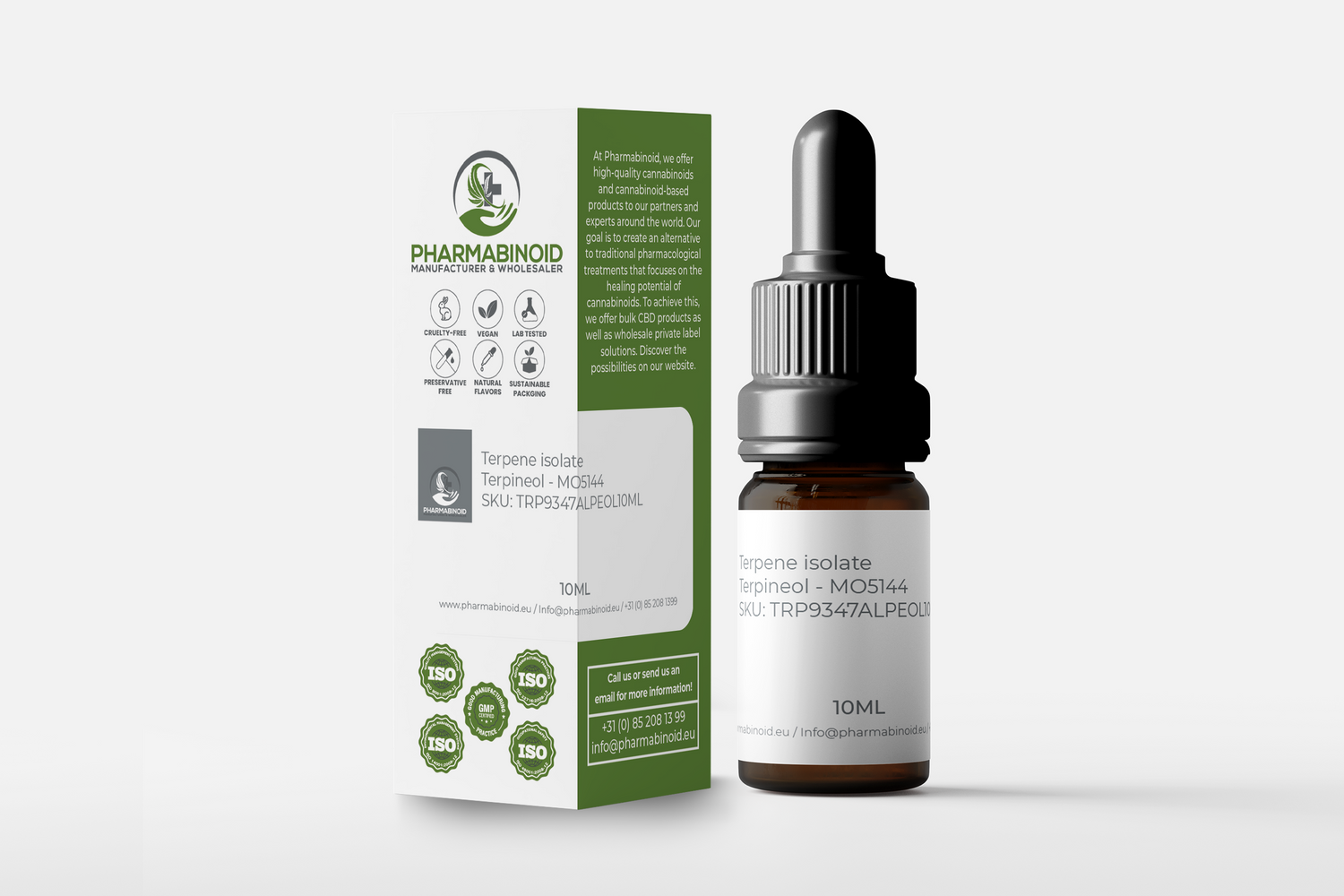
CBD produktų pakuočių saugą veikia keli praktiniai kintamieji. Gintarinis stiklas gali sumažinti šviesos poveikį ir dažnai naudojamas aliejaus pagrindo kanabinoidų formulėms, o tam tikri plastikai gali suteikti pranašumų svorio, kainos ir atsparumo dūžiui atžvilgiu, tačiau jiems reikia suderinamumo vertinimo. Kamšteliai, įdėklai, lašintuvai, pompos, maišeliai ir sandarikliai turėtų būti vertinami dėl sąveikos su ekstraktu, nuotėkio, garavimo, ekstrakto sugėrimo ir galimos pakuotės sudedamųjų dalių migracijos.
Kalbant apie etikečių dizainą, mokslinių tyrimų iššūkis yra ne tik įskaitomumas, bet ir tikslumas laikui bėgant. Etiketės turi išlikti įskaitomos sandėliavimo ir transportavimo metu, partijų identifikatoriai turi būti atsekami, o deklaruojamas kanabinoidų kiekis turėtų atitikti analitinį patvirtinimą. Europoje esminiai yra platesni ženklinimo principai, tokie kaip aiškumas, neklaidinantis pateikimas ir produktų kategorijoms taikomi reikalavimai. Europos Komisijos maisto informacijos sistema, įskaitant Reglamentą (ES) Nr. 1169/2011, dažnai minima kaip bendrųjų principų nuoroda, kai tai aktualu, nors CBD klasifikacija ir pareigos priklauso nuo konkretaus produkto ir jurisdikcijos.
Farmakologija ir veikimo mechanizmas
Pakuotė nekeičia CBD farmakologijos taip, kaip tai galėtų padaryti receptorių sąveika ar pagalbinė formulės medžiaga. Tačiau pakuotė gali turėti įtakos CBD ir susijusių junginių cheminiam vientisumui prieš juos naudojant tyrimuose ar formulėse. Moksliniu požiūriu tai daro pakuotę netiesiogiai reikšmingą farmakologijai, nes suirusi, oksiduota, užteršta ar netiksliai paženklinta medžiaga gali nebeatspindėti numatyto tiriamojo mėginio ar formulės profilio.
CBD aptariamas kanabinoidų tyrimuose endokanabinoidinės sistemos ir kitų biologinių taikinių kontekste, tačiau pakuočių tyrimai nenustato medicininių baigčių. Vietoj to jie palaiko analitinį nuoseklumą. Jei CBD medžiaga yra veikiama per didelės šilumos, ultravioletinės šviesos, deguonies ar nesuderinamų pakuotės paviršių, išmatuotas kanabinoidų profilis gali pakisti. Terpenų turinčios formulės prideda dar vieną sudėtingumo lygmenį, nes terpenai dažnai yra lakiau už kanabinoidus ir gali sąveikauti su polimerais, sandarikliais ar deguonimi pakuotės vidinėje erdvėje.
Todėl gamintojams pagrindinis mechanizmas yra fizikinis ir cheminis, o ne farmakologinis: barjerinė apsauga, sumažintas oksidacinis stresas, kontroliuojama vidinė pakuotės erdvė, medžiagų suderinamumas ir patvirtinto partijos profilio išsaugojimas. Štai kodėl kanabinoidų pakuočių tyrimai turėtų būti siejami su stabilumo tyrimais, analizės sertifikato peržiūra ir validuotais analitiniais metodais, o ne su rinkodaros teiginiais.
Pagrindinės tyrimų sritys
-
Medžiagų suderinamumas ir migracija: Pakuotės medžiagos gali sąveikauti su aliejais, alkoholio turinčiais skysčiais, terpenų gausiais ekstraktais ar pusiau kietais pagrindais. Tyrimuose turėtų būti vertinama, ar talpykla, uždarymo elementas, įdėklas, klijai, rašalas ar lašintuvo komponentas prisideda prie ekstrahuojamų medžiagų, išplovų, kvapo perdavimo, absorbcijos, brinkimo ar veikliųjų sudedamųjų dalių praradimo. Su maistu besiliečiančių medžiagų kontekste ES sistema, reglamentuojanti medžiagas, skirtas liestis su maistu, įskaitant Reglamentą (EB) Nr. 1935/2004, yra svarbus orientyras, kai taikoma.
-
Stabilumas veikiant šviesai, deguoniui, šilumai ir drėgmei: CBD pakuočių tyrimuose turėtų būti vertinama, kaip aplinkos poveikis veikia kanabinoidų kiekį, priemaišų susidarymą, spalvą, kvapą, klampumą ir terpenų išlaikymą. Pagreitinti ir realaus laiko stabilumo tyrimai gali padėti nustatyti, ar pakuotė apsaugo formulę esant realistiškoms laikymo ir transportavimo sąlygoms.
-
CBD etikečių reikalavimai ir atsekamumas: Etiketėse turėtų būti palaikomas partijų identifikavimas, sudedamųjų dalių skaidrumas, saugaus naudojimo informacija, laikymo instrukcijos, grynasis kiekis, atsakingo verslo informacija ir, kai reikia, analitinis atsekamumas. Teiginiai turėtų būti kruopščiai kontroliuojami, ypač Europoje, kur nepagrįsti sveikatingumo ar gydomieji teiginiai gali sukelti reguliacinę riziką.
-
Vaikams atsparus ir pažeidimą rodantis dizainas: Priklausomai nuo produkto tipo ir rinkos, į saugą orientuotai pakuotei gali reikėti pažeidimo požymių, kontroliuojamo dozavimo arba vaikams atsparių uždarymų. Šios srities tyrimuose vertinama ne tik atitiktis reikalavimams, bet ir naudojimo patogumas, apsauga nuo pratekėjimo bei nuosekli dozavimo mechanika, kai naudojamas dozuojantis įtaisas. Vien iš pakuotės dizaino negalima daryti prielaidos apie dozavimo rekomendaciją.
-
Tvarumas ir barjerinės savybės: Perdirbama, lengva arba biologinės kilmės pakuotė tampa vis svarbesnė, tačiau tvarumo tikslai turi būti derinami su cheminiu suderinamumu ir produkto apsauga. Mažesnio poveikio medžiaga yra tinkama tik tuo atveju, jei ji išsaugo kokybę ir nesukelia išvengiamos saugos rizikos.
Tyrimų ribotumai
CBD pakuočių tyrimus vis dar riboja suskaidytos produktų kategorijos, kintančios formulės ir besikeičiantis Europos reguliacinis aiškinimas. Vieno CBD aliejaus, ekstrakto, kosmetinio pagrindo ar laboratorinės medžiagos rezultatai negali būti automatiškai perkeliami kitai formulei. Talpykla, kuri gerai veikia su išgrynintu CBD izoliatu nešiklio aliejuje, gali elgtis kitaip su terpenais turtingu ekstraktu arba formule, kurioje yra emulsiklių, tirpiklių, kvapiųjų medžiagų ar botaninių komponentų.
Kitas ribotumas yra suderintų, kanabinoidams specifinių pakuočių standartų trūkumas Europoje. Gamintojai dažnai remiasi bendruoju pakuočių mokslu, su maistu besiliečiančių medžiagų taisyklėmis, kai taikoma, kosmetikos pakuočių principais, farmacinių pakuočių koncepcijomis ir vidiniais rizikos vertinimais. Šios priemonės yra vertingos, tačiau jos nepakeičia konkrečiam produktui skirtų suderinamumo tyrimų ir teisinės peržiūros.
Svarbūs ir analitiniai ribotumai. Stabilumo išvados priklauso nuo patvirtintų metodų, mėginių ėmimo planų, laikymo sąlygų ir priimtinumo kriterijų. Analizės sertifikatas yra tik partijos momentinė būsena tam tikru laiku, nebent jis būtų pagrįstas tinkamais stabilumo duomenimis ir kontroliuojamu laikymu. Dėl šios priežasties teiginiai apie pakuotę turėtų būti atsargūs ir pagrįsti įrodymais.
Pramoninė ir formulių rengimo svarba
B2B kanabinoidų verslams CBD pakuočių tyrimai yra tiesiogiai svarbūs produkto kokybei, tiekimo grandinės patikimumui ir klientų pasitikėjimui. Pakuotė daro įtaką tam, kaip medžiaga keliauja nuo gamybos iki sandėliavimo, nuo sandėlio iki formulavimo vietos ir nuo pildymo linijos iki galutinio naudotojo. Ji taip pat lemia, kaip lengvai partiją galima identifikuoti, karantinuoti, atšaukti, palyginti su specifikacijomis ar susieti su analitine dokumentacija.
Formulių kūrėjai turėtų vertinti pakuotę anksti, o ne tada, kai formulė jau yra baigta. Klampumas, užpildymo tūris, tuščia erdvė pakuotėje, uždarymo sukimo momentas, pipetės suderinamumas, jautrumas deguoniui ir etiketės paviršiaus sukibimas gali turėti įtakos komerciniam pasirengimui. Pakuotė taip pat turėtų būti suderinta su numatoma analitine specifikacija, pavyzdžiui, CBD kiekiu, THC ribomis, kai taikoma, mažųjų kanabinoidų kiekiu, terpenų profiliu, likutinių tirpiklių ribomis, sunkiaisiais metalais, pesticidais, mikrobiologiniais rodikliais ir kitais kokybės parametrais.
Pharmabinoid platesnis edukacinis darbas apie kanabinoidų tyrimus atspindi kanabinoidų mokslo susiejimo su praktine gamybos kontrole svarbą. Pakuotės tyrimai yra tos pačios kokybės grandinės dalis: jie padeda užtikrinti, kad patikrinta kanabinoidų medžiaga per visą numatytą naudojimo laikotarpį išliktų nuosekli, atsekama ir tinkamai dokumentuota.
Tyrimų, kokybės ir atitikties aspektai
Tyrimai ir dokumentacija yra esminiai patikimų kanabinoidų pakuočių tyrimų elementai. Išsamus pakuotės vertinimas gali apimti tapatybės nustatymo tyrimus, kanabinoidų stiprumo analizę, priemaišų stebėseną, terpenų analizę, likutinių tirpiklių tyrimus, mikrobiologinį vertinimą, sunkiųjų metalų patikrą, pesticidų tyrimus, stabilumo tyrimus ir pakuotės suderinamumo peržiūrą. Tikslus tyrimų planas turėtų būti proporcingas formulei, produkto kategorijai, rinkai ir rizikos profiliui.
Analizės sertifikatai yra ypač svarbūs kanabinoidų medžiagoms, nes jie padeda patvirtinti partiją. Tačiau COA turėtų būti peržiūrimi atidžiai: svarbūs yra analitinis metodas, laboratorijos kompetencija, mėginio data, partijos numeris, specifikacijų ribos ir tyrimų apimtis. Pakuotė ir ženklinimas turėtų sudaryti galimybę susieti fizinį produktą su teisinga dokumentacija.
CBD pakuotės atitiktis taip pat turėtų apimti teiginių kontrolę. Etiketėse reikėtų vengti pateikti CBD kaip gydymą, išgydymą, prevencijos priemonę ar diagnostikos įrankį. Net ir formuluotės, kurios atrodo edukacinės, gali tapti problemiškos, jei jos pateikiamos komerciniame produkto kontekste be tinkamo pagrindimo. Europoje veikiančios įmonės turėtų laikytis konkrečiai šaliai taikomų reikalavimų ir stebėti pokyčius tokiose srityse kaip naujų maisto produktų vertinimas, kosmetikos taisyklės, bendroji produktų sauga ir reklamos ribojimai. Pharmabinoid taip pat aptarė sudėtingą CBD teisinį statusą Europoje, kuris išlieka aktualus vertinant pakuotės ir ženklinimo strategiją.
Susiję kanabinoidai, terpenai ar tyrimų temos
CBD pakuočių tyrimai siejasi su keliomis susijusiomis temomis, įskaitant kanabinoidų stabilumą, terpenų lakumą, ekstrakcijos metodo pasirinkimą, formulės biologinį prieinamumą, analitinį patvirtinimą, likutinių tirpiklių kontrolę ir partijų atsekamumą. Tai taip pat aktualu CBD izoliatui, plataus spektro ekstraktams, distiliatams ir galutinėms formulėms, kai pakuotė turi išsaugoti grynumą ir deklaruotą sudėtį.
Susijusios tyrimų sritys apima kanabinoidų skilimo kelius, botaninių sudedamųjų dalių oksidaciją, iš pakuotės išsiskiriančių ir į produktą migruojančių medžiagų vertinimą, su maistu besiliečiančių medžiagų įvertinimą, kosmetikos talpų suderinamumą ir etikečių atitikties peržiūrą. Kai kalbama apie naujai atsirandančius kanabinoidus, pakuotės vertinimas tampa dar svarbesnis, nes viešai prieinamų stabilumo duomenų gali būti mažiau.
DUK apie CBD pakuočių tyrimus
Kodėl pakuočių tyrimai yra svarbūs CBD produktams?
Pakuočių tyrimai yra svarbūs todėl, kad CBD produktus gali paveikti šviesa, deguonis, karštis, drėgmė, nuotėkis, medžiagų sąveika ir ženklinimo klaidos. Tinkami tyrimai padeda gamintojams pasirinkti pakuotę, kuri palaiko stabilumą, atsekamumą ir produkto saugą, nesiremiant nepagrįstomis prielaidomis.
Kas turėtų būti nurodyta CBD produkto etiketėje?
CBD ženklinimo reikalavimai priklauso nuo produkto kategorijos ir tikslinės rinkos. Apskritai etiketėse gali reikėti aiškaus produkto identifikavimo, partijos ar serijos numerio, grynojo kiekio, informacijos apie sudėtį, atsakingo verslo subjekto duomenų, laikymo instrukcijų, įspėjimų, kai taikoma, ir neklaidinančio pateikimo. Reikėtų vengti sveikatingumo ar medicininių teiginių, nebent jie būtų aiškiai leidžiami pagal atitinkamą reglamentavimo sistemą.
Kokios pakavimo medžiagos geriausiai tinka CBD formulėms?
Nėra vienos universaliai geriausios medžiagos visoms CBD formulėms. Gintaro spalvos stiklas dažnai naudojamas, nes pasižymi stipriomis barjerinėmis savybėmis ir apsauga nuo šviesos, tačiau tam tikrais atvejais gali tikti ir plastikai, aliuminis, laminatai bei kitos medžiagos, jei įvertinamas suderinamumas ir migracijos rizika. Pasirinkimą turėtų lemti formulė, terpenų kiekis, nešančioji sistema, laikymo sąlygos ir atitikties reikalavimai.
Išvada
CBD pakuočių tyrimai yra praktinė tyrimų sritis, esanti tarp kanabinoidų mokslo, formulių kūrimo, kokybės užtikrinimo ir Europos atitikties reikalavimų išmanymo. Tvirčiausi pakavimo sprendimai grindžiami medžiagų suderinamumu, stabilumo duomenimis, analitiniu patvirtinimu, aiškiais CBD ženklinimo reikalavimais ir atsargia teiginių kontrole. Nors kanabinoidų pakuočių tyrimai vis dar vystosi, jų svarba jau akivaizdi: pakuotė padeda išsaugoti CBD produktų vientisumą, palaiko patikimą dokumentaciją ir mažina išvengiamą saugos bei atitikties riziką visoje tiekimo grandinėje.