
CBD Edibles Studies: Bioavailability, Testing & Formulation

Nemokamas mėginys
Atraskite mūsų produktų privalumus iš pirmų lūpų apsilankę mūsų svetainėje ir gaukite savo išskirtinį TryPharma kodą. Pateikdami užsakymą naudodami šį specialų kodą, ne tik gausite pageidaujamus produktus, bet ir prie kiekvieno pirkimo pridėsime nemokamą mėginį. Ši galimybė leidžia jums įvertinti mūsų pasiūlos kokybę prieš įsipareigojant pagrindinei siuntai. Mūsų tikslas – užtikrinti, kad būtumėte visiškai patenkinti savo pasirinkimu, o šis procesas suteikia nerizikingą būdą susipažinti su mūsų plačiu produktų asortimentu. Susisiekite su mumis šiandien, kad pradėtumėte, ir ženkite pirmą žingsnį link vertingos patirties su mūsų aukščiausios kokybės pasiūlymais.

Siuntos draudimas
Kai iš mūsų perkate dideliais kiekiais CBD izoliatus, aliejus ir kitus produktus, jūsų siunta yra visiškai apdrausta mūsų lėšomis be jokių papildomų išlaidų jums. Transportavimui naudojamės patikimomis siuntų bendrovėmis, tokiomis kaip FedEx ir UPS, o draudimo apsaugą valdome patys, kad užtikrintume kiekvienos siuntos saugumą nuo mūsų sandėlio iki jūsų durų. Įmonėje TryPharma esame pasiryžę skatinti verslo augimą siūlydami nerizikingą didmeninės prekybos paslaugą. Mažai tikėtinu siuntimo nesklandumų atveju garantuojame pinigų grąžinimą per penkias darbo dienas nuo incidento patvirtinimo datos. Mūsų visapusiškas požiūris veiksmingai pašalina 99,9 % visų galimų rizikų, susijusių su didmeniniu CBD siuntimu, užtikrindamas visišką jūsų ramybę.

30 dienų grąžinimas
Kviečiame jus išbandyti prie užsakymo pridėtą nemokamą mėginį prieš atidarant pagrindinę siuntą. Jei kokybė neatitiks jūsų lūkesčių, galėsite pasinaudoti mūsų 30 dienų grąžinimo politika. Ši politika leidžia grąžinti produktą per 30 dienų ir atgauti visą sumokėtą sumą, taip užtikrinant visišką jūsų pasitenkinimą. Susisiekite su mumis šiandien, kad susipažintumėte su mūsų išskirtiniu produktų asortimentu ir patirtumėte mūsų atsidavusį klientų aptarnavimą.
Kanabinoidų izoliatai
-
CBD izoliatas – kanabidiolis
Įprasta kaina From €24.99 to €369.99Įprasta kainaVieneto kaina už€0.00Akcijos kaina €24.99 -
CBG – kanabigerolis
Įprasta kaina From €49.99 to €799.99Įprasta kainaVieneto kaina už€0.00Akcijos kaina €49.99 -
CBN – Kanabinolis
Įprasta kaina From €79.99 to €1,299.99Įprasta kainaVieneto kaina už€0.00Akcijos kaina €79.99 -
CBC – kanabichromeno izoliatas
Įprasta kaina From €99.99 to €1,999.99Įprasta kainaVieneto kaina už€0.00Akcijos kaina €99.99 -
CBDV – kanabidivarinas
Įprasta kaina From €13.99 to €3,149.99Įprasta kainaVieneto kaina už€0.00Akcijos kaina €13.99 -
Cannabicitrano izoliatas - CBT
Įprasta kaina From €49.99 to €4,349.99Įprasta kainaVieneto kaina už€0.00Akcijos kaina €49.99 -
CBDA izoliatas – kanabidiolio rūgštis
Įprasta kaina From €49.99 to €1,499.99Įprasta kainaVieneto kaina už€0.00Akcijos kaina €49.99 -
Kanabigerolio rūgštis – CBGA
Įprasta kaina From €59.99 to €1,749.99Įprasta kainaVieneto kaina už€0.00Akcijos kaina €59.99


Kolekcijos
-

PPB – „Pharmabinoid“ psichoaktyvūs mišiniai
Psichoaktyvūs PPB mišiniai profesionaliems pirkėjamsSusipažinkite su „Pharmabinoid“ PPB kolekcija, skirta profesionaliam produktų...
-

CBD aliejai
CBD aliejai – didmeninio pirkėjo vadovas CBD aliejai apima aliejaus pagrindu sukurtas...
-
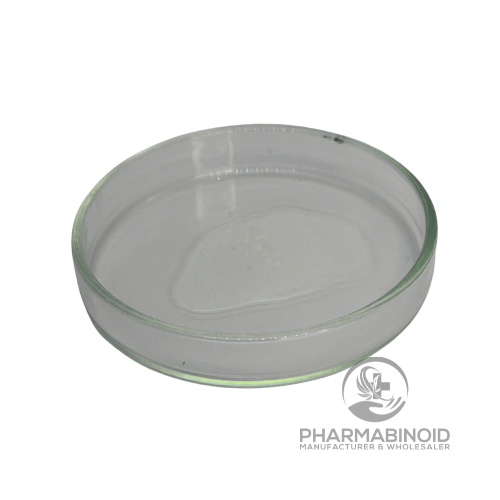
CBD elektroninės cigaretės
CBD garinimo produktai ir formulavimo pagalba profesionaliam kanabinoidų produktų kūrimui Ši kolekcija...
-
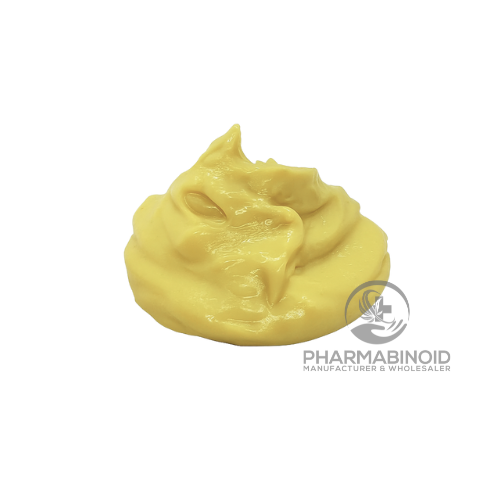
CBD kosmetika
CBD kosmetika: didmeninės prekybos pirkėjo vadovasKomercinė kolekcija prekių ženklams, gamintojams ir private-label...
-
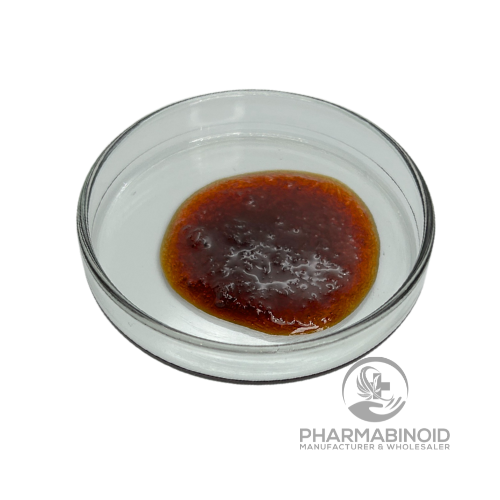
CBD distiliatai didmeninei prekybai
CBD distiliatai Europos didmeniniams pirkėjamsPalyginkite CBD distiliatus profesionalioms formulėms, privačios etiketės projektams...


Tinklaraščio įrašai
Peržiūrėti viską-
CBD distiliatas ir CBD izoliatas: pagrindiniai ...
CBD distiliatas ir CBD izoliatas pirmiausia skiriasi savo sudėtimi, siekiamu grynumu, elgsena formulėje ir atitikties strategija. Abu yra rafinuoti, iš kanapių gauti CBD ingredientai, tačiau jie nėra tarpusavyje pakeičiami. CBD...
CBD distiliatas ir CBD izoliatas: pagrindiniai ...
CBD distiliatas ir CBD izoliatas pirmiausia skiriasi savo sudėtimi, siekiamu grynumu, elgsena formulėje ir atitikties strategija. Abu yra rafinuoti, iš kanapių gauti CBD ingredientai, tačiau jie nėra tarpusavyje pakeičiami. CBD...
-
CBD distiliatas ir CBD izoliatas: skirtumai, pr...
CBD distiliato ir CBD izoliato palyginimas yra svarbus prekių ženklams, formuluotojams ir pirkėjams, dirbantiems su iš kanapių gautais ingredientais. Abiejose žaliavose gali būti daug kanabidiolio, tačiau jos skiriasi sudėtimi, jusliniu...
CBD distiliatas ir CBD izoliatas: skirtumai, pr...
CBD distiliato ir CBD izoliato palyginimas yra svarbus prekių ženklams, formuluotojams ir pirkėjams, dirbantiems su iš kanapių gautais ingredientais. Abiejose žaliavose gali būti daug kanabidiolio, tačiau jos skiriasi sudėtimi, jusliniu...
-
CBD distiliatas ir CBD izoliatas: pagrindiniai ...
CBD distiliatas ir CBD izoliatas yra dažnai lyginami prekių ženklų, formuluotojų ir pirkėjų, dirbančių su iš kanapių gautais ingredientais. Abu gali būti aukštos kokybės CBD šaltiniai, tačiau skiriasi jų elgsena...
CBD distiliatas ir CBD izoliatas: pagrindiniai ...
CBD distiliatas ir CBD izoliatas yra dažnai lyginami prekių ženklų, formuluotojų ir pirkėjų, dirbančių su iš kanapių gautais ingredientais. Abu gali būti aukštos kokybės CBD šaltiniai, tačiau skiriasi jų elgsena...
